
TL;DR:
- Winter is the ideal season for cosmetic treatments because lower UV radiation and cooler temperatures promote safer healing and enhanced results. Starting procedures in winter allows sufficient time for collagen rebuilding and tissue renewal, ensuring peak outcomes by spring and summer. The season’s environment also reduces swelling, enhances comfort, and simplifies post-treatment care, leading to more effective long-term skin health.
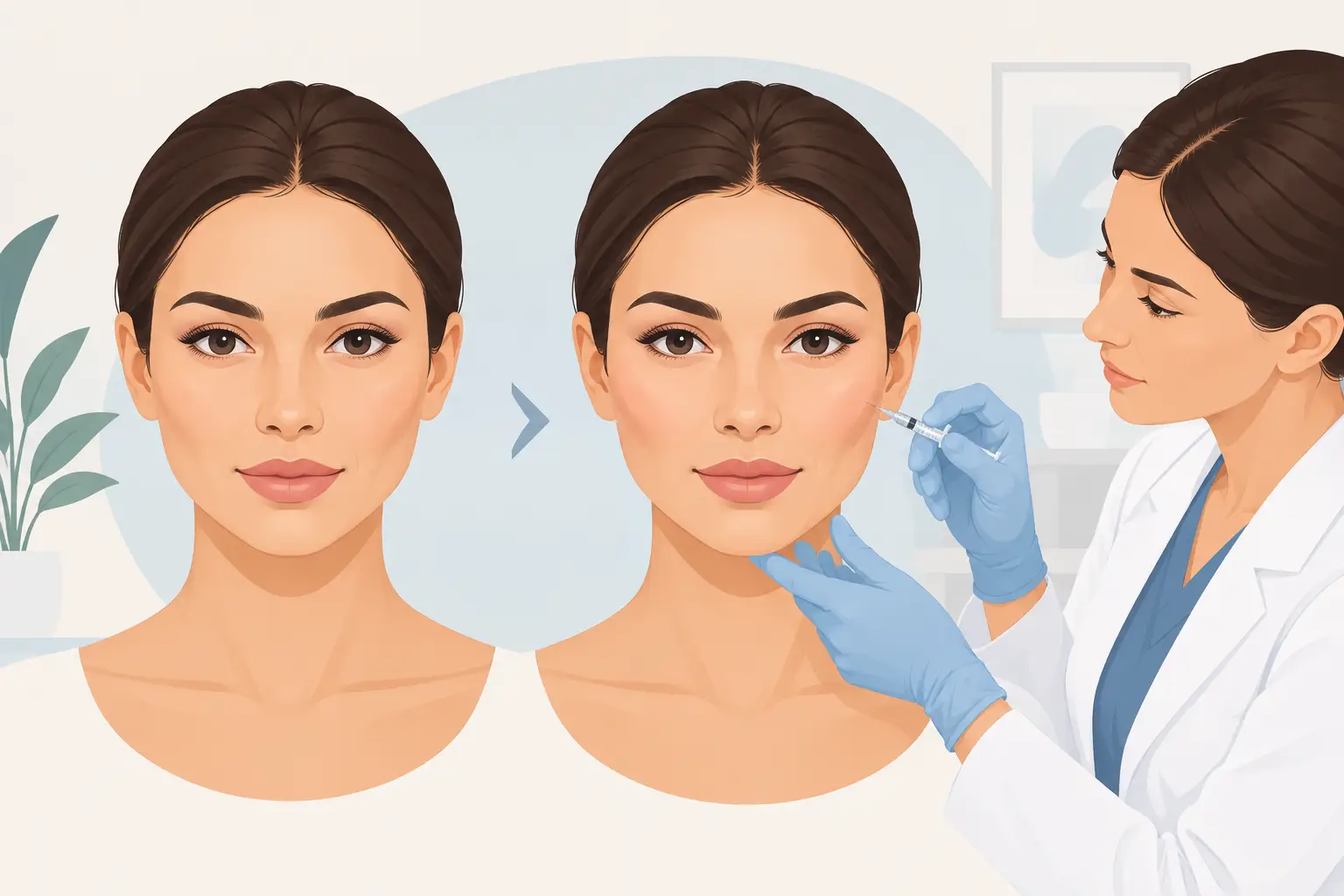
Winter is the optimal season for cosmetic and aesthetic treatments because lower UV radiation, cooler temperatures, and quieter social schedules create conditions that actively support safer healing and stronger results. Procedures such as laser resurfacing, chemical peels, Botox, dermal fillers, and surgical interventions all benefit from the biological and environmental advantages that colder months provide. The core principle is straightforward: treatments started in winter allow your skin and body to heal, rebuild collagen, and renew tissue so that results are fully visible by spring and summer. Understanding why get treatments in winter means understanding how seasonal factors directly influence recovery quality and long-term outcomes.
Why get treatments in winter: the sun exposure advantage
Winter is the best season for skin resurfacing treatments because reduced solar intensity lowers the risk of post-inflammatory hyperpigmentation (PIH) and allows stable, consistent healing. PIH occurs when UV radiation stimulates excess melanin production in skin that is already sensitised by a procedure. In summer, even brief unprotected sun exposure after a chemical peel or laser session can permanently darken treated areas. Winter’s shorter days and weaker sunlight reduce that risk considerably.
The procedures most affected by UV exposure include:
- Laser resurfacing (fractional CO2, Nd:YAG, IPL): treated skin is photosensitive for weeks post-procedure
- Chemical peels (TCA, glycolic, salicylic): fresh skin cells are highly vulnerable to UV-triggered pigmentation
- Surgical scars: winter provides months for incisions to heal before peak UV exposure, improving scar appearance
- Microneedling and radiofrequency: collagen-stimulating treatments require a stable healing environment free from UV stress
This does not mean sun protection becomes optional. Year-round sunscreen protects healing skin from infrared and reflected UV, which can still trigger pigmentation and rosacea flares even on overcast winter days. Dermatologists recommend SPF 30 or above daily throughout recovery, regardless of season.
Pro Tip: Apply your SPF every morning even when it is cloudy. UV rays penetrate cloud cover, and post-treatment skin has no tolerance for UV stress. Read more about winter SPF protection and why it matters year-round.
How does cold weather improve recovery after aesthetic procedures?
Cooler temperatures reduce swelling, heat, and irritation after both surgical and non-surgical treatments. This is one of the most practical cold weather treatment advantages and one that patients notice immediately. Heat causes blood vessels to dilate, which increases inflammation and prolongs swelling. In winter, the ambient temperature naturally suppresses this response, making the post-treatment period more comfortable and manageable.
Recovery is also easier to manage practically in winter for several reasons:
- Compression garments are more tolerable. Compression garments provide warmth under winter clothing, improving patient compliance and aiding healing after procedures such as liposuction, abdominoplasty, and breast augmentation.
- Layered clothing conceals bruising and swelling. Scarves, high-neck jumpers, and coats cover treated areas on the face, neck, and body without drawing attention. This is particularly relevant after dermal fillers, Botox, or rhinoplasty.
- Reduced sweating protects treated skin. Sweat introduces bacteria and disrupts healing tissue. Winter’s cooler, drier air keeps the skin surface cleaner and less irritated during recovery.
- Indoor rest is socially acceptable. Patients feel less pressure to attend outdoor events or social gatherings, making it easier to comply with downtime requirements.
The wound healing process benefits directly from a stable, cool environment. Reduced humidity and lower ambient temperatures create conditions where the skin can focus its resources on repair rather than thermoregulation.
Pro Tip: If you are recovering from a facial procedure, keep your indoor heating at a moderate level. Overly dry, heated air can dehydrate healing skin and compromise your barrier. Use a humidifier to maintain moisture in the room.
Why does winter timing maximise your aesthetic results?
Patients who begin multi-stage treatment plans in winter see peak aesthetic results by spring and summer because many treatments require 8 to 12 weeks for full biological improvement. Collagen remodelling, skin cell turnover, and tissue tightening are slow processes. Starting in November or December means results mature precisely when you want them most.
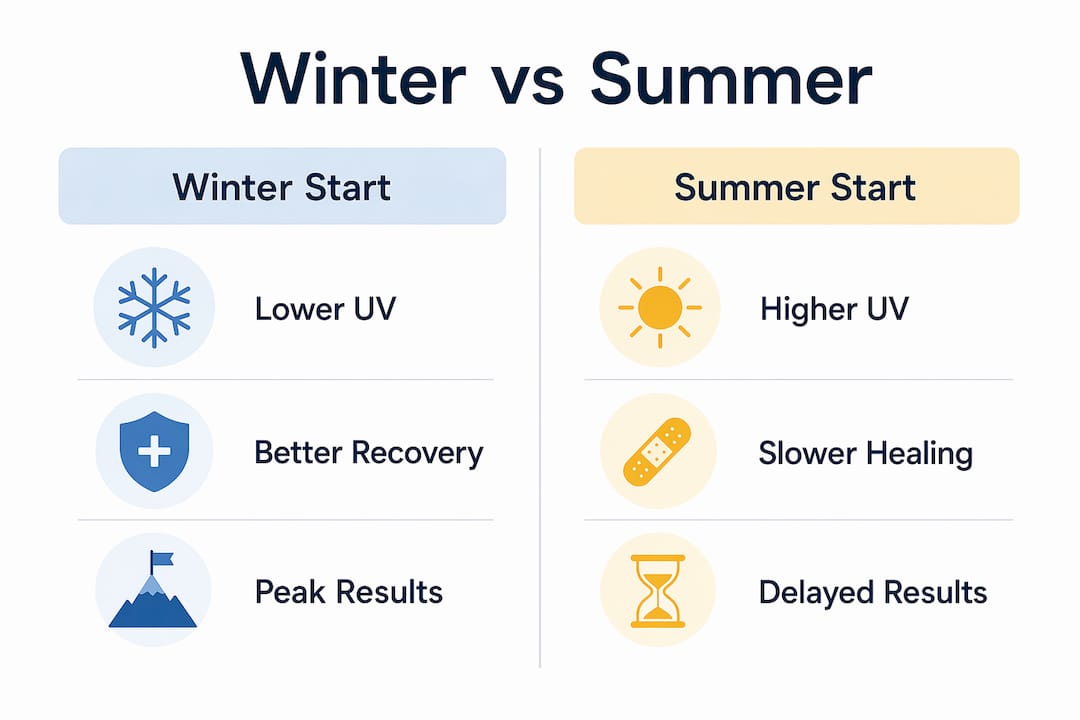
The table below compares treatment timing across seasons to illustrate why winter offers a strategic advantage:
| Treatment | Winter start (results by) | Summer start (results by) |
|---|---|---|
| Laser resurfacing course | Spring (3 months) | Autumn (3 months, UV risk during recovery) |
| Collagen-stimulating injectables | Spring/Summer (8 to 12 weeks) | Winter (results missed for summer) |
| Surgical procedures | Spring (full scar healing) | Winter (scar exposed to summer UV) |
| Chemical peel course | Spring (4 to 6 weeks per peel) | Autumn (PIH risk during summer) |
This timing logic applies to preventative anti-wrinkle treatments as well. Botox and collagen-stimulating fillers placed in winter allow the skin to adapt and the results to settle naturally before warmer months bring more social exposure. Staged procedures, such as a series of three to four laser sessions spaced four weeks apart, fit neatly within a winter calendar without disrupting summer plans.
Winter’s slower social rhythm also supports compliance. Patients find it easier to avoid sun exposure and rest during winter months, which directly improves outcomes. Fewer weddings, holidays, and outdoor commitments mean fewer temptations to rush recovery or skip aftercare steps. The anti-ageing skincare workflow that supports treatment results is also easier to maintain consistently when your routine is less disrupted by travel and events.
What winter skincare adjustments support the best treatment outcomes?
Post-treatment skincare in winter requires specific adaptations that go beyond a standard routine. Winter dryness and indoor heating compromise the skin barrier, and a compromised barrier slows healing, increases sensitivity, and reduces the durability of treatment results. Medical-grade moisturisers containing ceramides and hyaluronic acid are the foundation of effective winter aftercare.
Key winter skin care tips for post-treatment recovery include:
- Prioritise barrier repair. Use a medical-grade moisturiser with ceramides, hyaluronic acid, and niacinamide twice daily. These ingredients restore the lipid barrier that procedures temporarily disrupt. Nourishing creams rich in fatty acids also support hydration and barrier integrity.
- Use retinol with the buffering method. Retinol can continue safely in winter using the sandwich technique: apply moisturiser first, then retinol, then moisturiser again. This reduces irritation while maintaining the collagen-stimulating benefits.
- Apply SPF every morning without exception. Even in winter, UV and infrared radiation reach healing skin. SPF 30 or above is non-negotiable during any post-treatment recovery period. The role of sunscreen in aesthetics extends well beyond summer.
- Avoid harsh exfoliants immediately post-procedure. Glycolic acid, AHAs, and physical scrubs should be paused for at least two weeks after peels or laser treatments. Reintroduce gradually under practitioner guidance.
- Address indoor heating dryness. Central heating strips moisture from the air and the skin. A humidifier set to 40 to 60 per cent humidity maintains the skin’s hydration levels during recovery.
Winter is also a controlled environment for consistent use of prescribed medical-grade moisturisers, which is often underestimated. Patients are indoors more, routines are more predictable, and the temptation to skip steps is lower. This consistency directly supports treatment durability and long-term skin health. Your 2026 skin health checklist can help you build a structured post-treatment routine that carries results forward through the year.
Key takeaways
Winter treatments succeed because lower UV radiation, cooler temperatures, and longer recovery windows combine to produce safer healing, stronger collagen response, and results that peak precisely when they matter most.
| Point | Details |
|---|---|
| Reduced UV lowers PIH risk | Winter’s weaker sunlight protects sensitised skin after laser, peels, and surgery from pigmentation. |
| Cooler temps ease recovery | Lower ambient temperatures reduce swelling, improve compression garment tolerance, and limit bacterial irritation. |
| Timing aligns results with summer | Treatments started in winter allow 8 to 12 weeks for collagen remodelling before warmer months. |
| Winter routines support compliance | Quieter social schedules and indoor time make aftercare easier to maintain consistently. |
| Barrier repair is critical post-treatment | Medical-grade moisturisers with ceramides and hyaluronic acid protect and restore healing skin in winter conditions. |
Why I believe winter is the most underrated time to treat your skin
Most people assume summer is when aesthetics matter most, so they book treatments in spring and rush recovery to be ready for an event or holiday. That logic works against the biology. I have observed consistently that patients who treat in winter arrive at spring with results that look natural, settled, and fully matured. Patients who treat in summer often face UV complications, interrupted aftercare, and results that never quite reach their potential because the healing environment was working against them.
There is also a psychological dimension that rarely gets discussed. Discreet recovery is genuinely easier in winter. A patient recovering from a rhinoplasty or a course of laser resurfacing can wear a scarf, stay indoors, and take the time they need without social pressure. That comfort translates into better compliance, and better compliance translates into better results. The non-surgical treatments that require minimal downtime benefit from the same principle: winter gives you space to heal without explanation.
The misconception I hear most often is that winter skin is “too dry” or “too sensitive” for treatments. The opposite is true. A well-managed winter skincare routine, supported by medical-grade products and consistent SPF, creates a more stable healing environment than summer ever can. Winter is not a limitation. It is a clinical advantage.
— Vishul
Plan your winter treatment journey with Theaestheticsroom
Theaestheticsroom offers a full range of treatments perfectly suited to winter timing, from Botox and dermal fillers to advanced skin rejuvenation programmes designed to deliver peak results by spring. Based in Knightsbridge and accredited by the CQC, our practitioners develop bespoke treatment plans that account for your skin type, recovery timeline, and aesthetic goals. Winter consultations include specific aftercare protocols for cold-weather healing, SPF guidance, and follow-up support to protect your results. Book a virtual or in-person consultation today and let us help you use this season to its full advantage.
FAQ
Why is winter better than summer for cosmetic treatments?
Winter offers lower UV radiation, cooler temperatures that reduce swelling, and quieter schedules that support recovery compliance. These factors combine to produce safer healing and stronger results, particularly for laser treatments, chemical peels, and surgical procedures.
Can I get laser treatments in winter if my skin is dry?
Yes. Winter dryness is manageable with medical-grade moisturisers containing ceramides and hyaluronic acid, which repair the skin barrier and support post-laser healing. A well-structured aftercare routine makes winter one of the safest times for laser resurfacing.
How long do winter treatment results take to appear?
Most collagen-stimulating and skin renewal treatments require 8 to 12 weeks for full improvement. Treatments started in November or December typically produce peak visible results by February to April, aligning with spring and summer.
Do I still need sunscreen in winter after a treatment?
Yes. UV and infrared radiation penetrate cloud cover year-round and can trigger pigmentation in healing skin. Dermatologists recommend SPF 30 or above daily throughout any post-treatment recovery period, regardless of season.
Which treatments are most suited to winter timing?
Laser resurfacing, chemical peels, surgical procedures, collagen-stimulating injectables, and Botox all benefit from winter timing. The reduced UV environment and cooler temperatures create ideal conditions for recovery and long-term result quality.