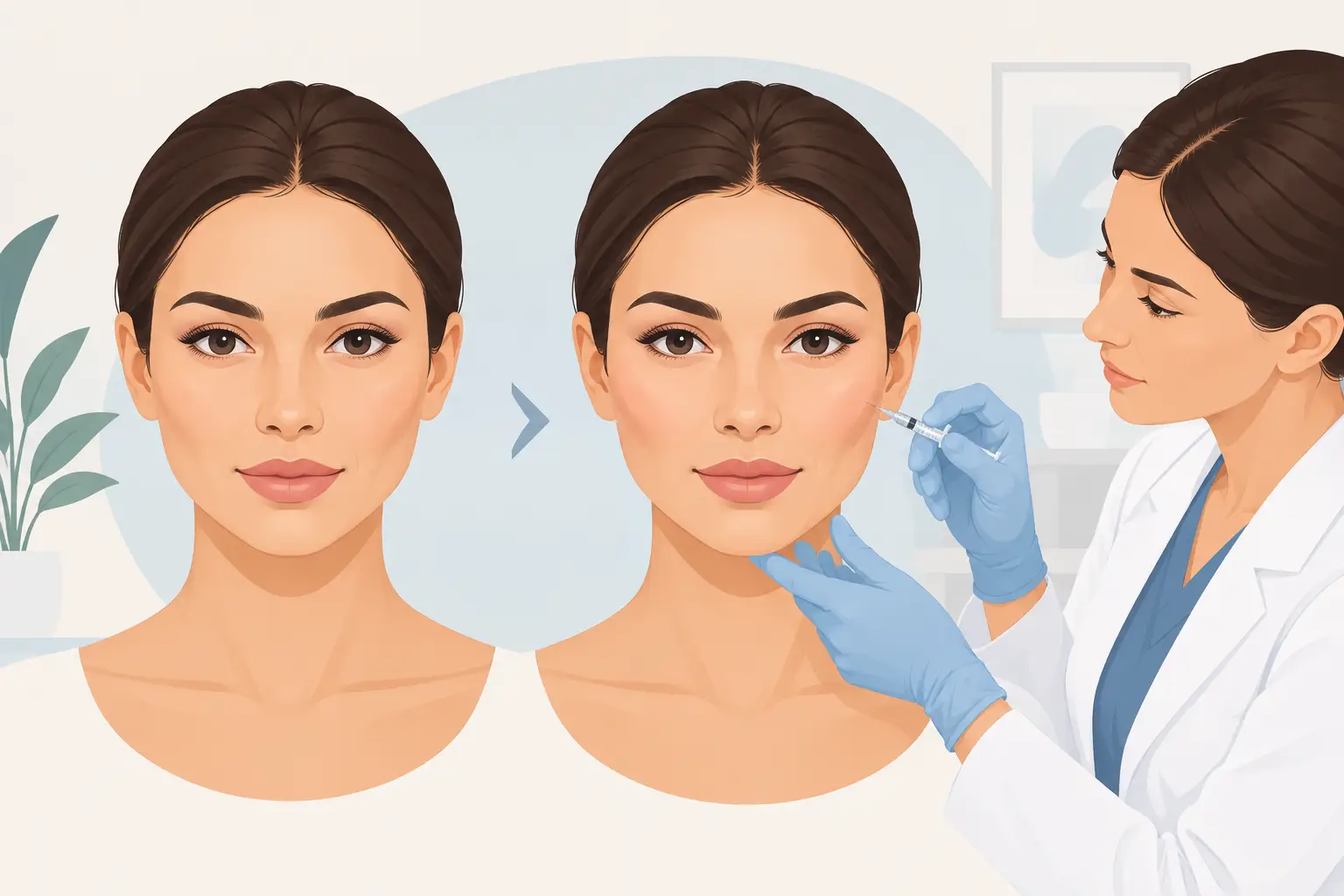


The neck can be one of the first areas to reveal changes in skin quality. Fine horizontal lines, a papery texture and skin that appears less firm can feel out of step with an otherwise refreshed, well-cared-for face. The right treatment for crepey neck skin is rarely a single appointment or a one-size-fits-all solution. It starts with understanding whether the concern is primarily dehydration, sun damage, collagen loss, muscle activity, laxity or a combination of these factors.
At The Aesthetics Room, we take a consultation-led approach to neck rejuvenation. The aim is not to create an over-treated appearance, but to improve skin quality and support a smoother, naturally rested look with an appropriate, medically considered plan.
Why does neck skin become crepey?
The skin on the neck is naturally thinner than much of the face and has fewer oil glands. This means it can become dry, fragile-looking and less resilient over time. Collagen and elastin production gradually slow, while repeated movement, such as looking down at a mobile phone or turning the head, can make lines more noticeable.
Ultraviolet exposure is another major contributor. Many people apply daily SPF carefully to the face but stop at the jawline, leaving the neck exposed to cumulative sun damage. Smoking, fluctuating weight, genetics, hormonal changes and a compromised skin barrier may also affect how quickly the skin begins to look crepey.
It is helpful to distinguish between texture and laxity. Crepey texture describes fine wrinkling and a thinner, less hydrated appearance. Laxity refers to skin that has begun to loosen or fold. They often occur together, but the most suitable treatment approach can differ considerably.
Treatment for crepey neck skin: options to consider
A successful neck treatment plan is built around the cause of the concern and the degree of change you would like to see. In many cases, gradual improvement through a carefully planned series of treatments produces the most refined result.
Medical-grade skin quality treatments
When the neck looks dry, finely lined or dull, skin-quality treatments can be an excellent starting point. Medical-grade skincare and professionally selected treatments may help support hydration, improve surface texture and encourage a healthier-looking skin barrier.
A tailored home regime matters here. Ingredients such as antioxidants, retinoids and barrier-supporting hydrators may be appropriate, but the neck can be more reactive than the face. Introducing strong active products too quickly can cause irritation, which may temporarily make crepiness look worse. A practitioner can advise on the right strength, frequency and application method for your skin.
Injectable skin hydration and biostimulation
For suitable patients, injectable treatments designed to improve hydration and support collagen production can help enhance the quality and luminosity of neck skin. These treatments are not intended to stretch or fill the neck in the way traditional dermal filler adds volume to the face. Instead, they may improve the appearance of fine lines, dryness and skin texture over time.
Results tend to be progressive rather than immediate. This is often preferable for the neck, where subtle changes can look more elegant and authentic. The treatment choice, number of sessions and spacing between appointments should be based on your skin condition, medical history and desired outcome.
Energy-based collagen stimulation
Certain energy-based skin treatments can be considered where collagen loss and mild to moderate laxity are contributing to a crepey appearance. By creating controlled stimulation within the skin, these treatments are designed to support collagen remodelling over time.
They can be particularly useful when the goal is firmer-looking skin alongside better texture, although they are not a substitute for surgery where there is substantial loose skin. Treatment intensity should always be chosen carefully. The neck requires experienced assessment because its skin is comparatively delicate and treatment must be planned with safety, comfort and realistic outcomes in mind.
Anti-wrinkle injections for neck muscle pull
Sometimes, pronounced neck bands or a downward pull from the platysma muscle contribute to an ageing appearance around the jawline and neck. In these cases, anti-wrinkle injections may be considered as part of a broader plan.
This approach does not directly repair crepey skin texture. However, reducing excessive muscle activity in carefully selected areas may soften visible banding and complement treatments focused on skin quality. Precision is essential, as the neck has complex anatomy and treatment should only be performed following a thorough clinical assessment.
When surgery may be the more realistic option
Non-surgical treatments can improve skin texture, hydration and mild laxity, but they cannot remove significant excess skin. If there is marked looseness following weight loss or more advanced ageing, a surgical neck lift may offer a more substantial change than non-surgical options can reasonably deliver.
An honest consultation should make this distinction clear. Choosing a non-surgical approach can still be worthwhile for skin quality, but expectations need to match what the treatment can achieve.
Why combination treatment often gives the best result
The neck rarely ages in one way. You may have sun-related texture changes, dehydration, fine lines and muscle pull at the same time. Treating only one factor can lead to a partial improvement, while a staged plan can address the area more comprehensively.
For example, a practitioner may first focus on restoring skin quality, then consider collagen-stimulating treatment and assess whether muscle relaxation would refine the final result. The order matters. Starting with a clear clinical strategy avoids unnecessary treatment and allows your practitioner to see how your skin responds at each stage.
This is also where personal factors matter. A patient in their thirties with early crepiness may benefit from prevention-led skin optimisation and subtle collagen support. Someone in their fifties with established lines and laxity may require a more structured programme, with the understanding that maintenance is part of preserving the result.
What to expect from a neck consultation
A good consultation should look beyond the skin itself. Your practitioner will assess skin thickness, hydration, pigmentation, sun damage, neck movement, degree of laxity and the relationship between the neck, jawline and lower face. Medical history, current medication, allergies and previous aesthetic treatments should also be discussed before any recommendation is made.
You should leave knowing which concern is being treated, why the proposed option is appropriate, what the likely downtime is and when you can expect to see change. You should also understand what the treatment will not do. This transparency is central to safe, confidence-building aesthetic care.
For patients considering treatment for crepey neck skin, it is sensible to ask about practitioner training, product and device suitability, aftercare and the plan should you experience a side effect. A premium clinical experience is not only about the setting. It is about careful assessment, informed consent and the reassurance that your wellbeing comes first.
Supporting your results at home
Professional treatment is more effective when it is supported by consistent daily care. Apply broad-spectrum SPF to the neck and décolletage every morning, including on cloudy days and through the winter. Reapply when you are outdoors for prolonged periods.
A gentle cleanser and a moisturiser that supports the skin barrier can reduce the dry, crinkled look that often makes lines more obvious. If using a retinoid or exfoliating acid, introduce it gradually and follow professional guidance, particularly if you have sensitive skin. Avoid applying active products immediately after a clinical treatment unless your practitioner has advised otherwise.
Lifestyle factors are relevant too. Staying well hydrated, not smoking, maintaining a stable weight where possible and protecting the neck from regular sun exposure all support the quality of your skin over the longer term. These habits cannot replace treatment, but they can help preserve its benefits.
A refined approach to neck rejuvenation
Improving crepey neck skin is usually about patience, precision and choosing treatments that suit the skin you have now, rather than chasing a dramatic change in one sitting. With the right assessment, a bespoke plan can improve texture, hydration and firmness while keeping your result natural and in proportion with the rest of your appearance.
If your neck no longer reflects how fresh and confident you feel, a professional consultation is the most useful first step. It gives you space to discuss your concerns openly, understand the available options and make a decision based on expert advice rather than promises that sound too good to be true.