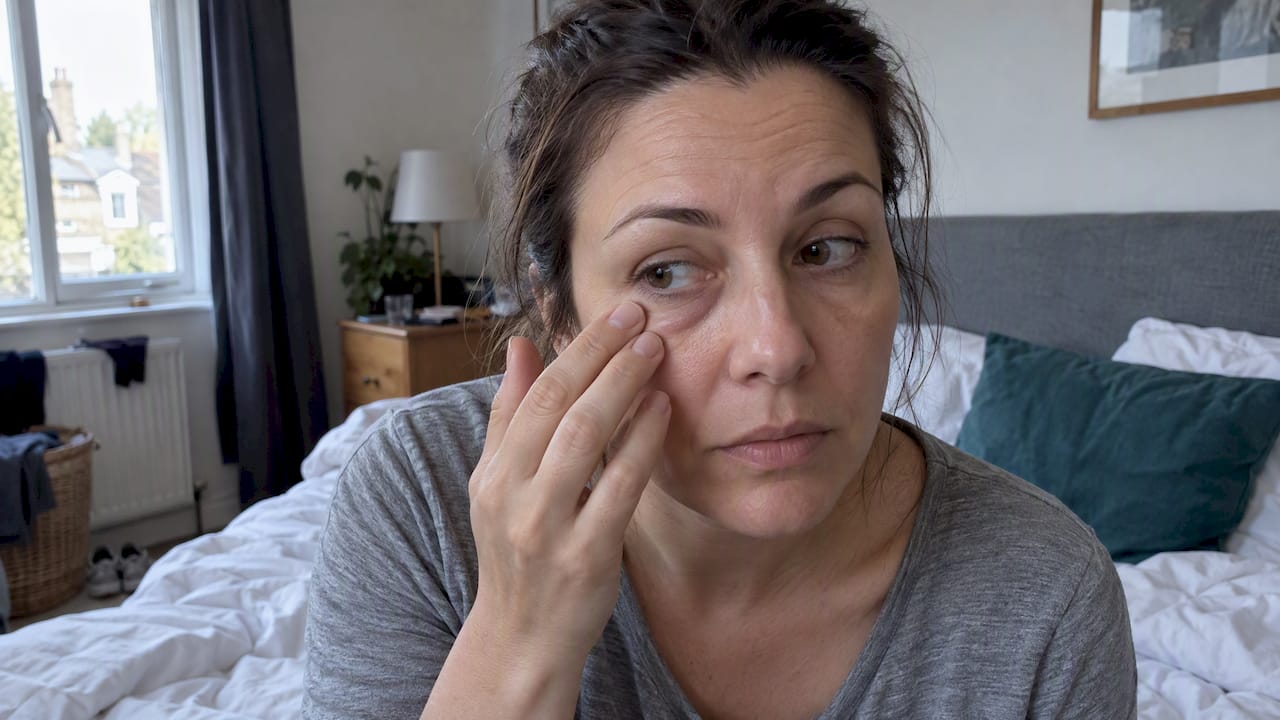


Great skin rarely comes from a single treatment. More often, it is the result of careful assessment, the right sequence of interventions and a plan that respects your skin’s condition, lifestyle and long-term goals. That is why a guide to skin optimisation protocol matters. It shifts the focus away from quick fixes and towards a more intelligent, medically led approach to healthier, stronger and more refined skin.
For many patients, the frustration is not a lack of options but too many of them. One clinic recommends injectables first, another pushes facials, and social media adds a fresh trend every week. The problem is that skin quality is layered. Pigmentation, texture, redness, laxity, dehydration, breakouts and barrier damage do not all respond to the same treatment, and they should not be treated as though they do.
What a skin optimisation protocol actually means
A skin optimisation protocol is a structured plan designed to improve skin quality over time rather than chase isolated concerns in a reactive way. It usually combines clinical assessment, at-home skincare, in-clinic treatment selection and review points so progress can be measured and adjusted.
The word protocol matters. It suggests intention, order and clinical judgement. Instead of booking the treatment that sounds most appealing, you begin with what your skin needs most. In some cases that means calming inflammation before stimulating collagen. In others, it means repairing the skin barrier before considering more advanced resurfacing or injectable work.
For patients who want natural-looking results, this approach is often the difference between skin that looks polished and skin that looks overworked. Better skin quality supports everything else. Make-up sits better, features appear fresher and treatment results tend to look more refined.
The guide to skin optimisation protocol starts with assessment
The first stage should always be a thorough consultation. This is where a reputable practitioner looks beyond the surface and asks the right questions about your current routine, previous treatments, medical history, lifestyle, sun exposure, hormonal influences and the timeline of your concerns.
Good assessment is not a sales exercise. It is a filtering process. Not every patient is ready for every treatment, and not every concern should be treated immediately. If your skin is sensitised, acne-prone or showing signs of chronic irritation, a responsible clinician will slow things down rather than add more intensity.
This stage is also where expectations are set properly. If you want brighter skin before an event in three weeks, your plan will look very different from someone trying to improve acne scarring or laxity over six months. Both goals are valid, but the protocol has to reflect the reality of skin physiology.
The pillars of strong skin health
Most successful protocols are built around a handful of core priorities. The first is barrier function. If the skin barrier is compromised, even excellent treatments can produce inconsistent or disappointing outcomes. Dryness, sensitivity, stinging and recurrent redness are often signs that repair needs to come before correction.
The second is inflammation control. Persistent inflammation can sit behind acne, rosacea, uneven tone and accelerated ageing. It is not always dramatic. Sometimes it appears as low-level sensitivity, recurrent congestion or skin that never seems fully settled.
The third is cellular renewal and collagen support. This is where treatment planning becomes more targeted. Some patients need resurfacing to improve texture and dullness. Others need hydration-focused treatments, regenerative therapies or collagen stimulation to address thinning, crepey or tired-looking skin.
Then there is pigment regulation, vascular balance and volume support. These issues can overlap, but they should still be separated clinically. Brown pigmentation, diffuse redness and structural hollowing are different concerns, even if a patient describes all of them simply as looking tired.
Why one size does not fit all
This is where many skin plans go wrong. Two people of the same age can have completely different skin priorities. A 38-year-old with early pigmentation, excellent elasticity and a damaged barrier needs a different strategy from a 38-year-old with acne scarring, volume loss and strong skin resilience.
Skin type, ethnicity, age, hormonal shifts and previous treatment history all influence what is appropriate. More is not always better. Aggressive treatment can be useful in the right patient, but in the wrong patient it can prolong redness, trigger pigmentation or leave the skin looking unsettled rather than refreshed.
A bespoke protocol should also account for practical realities. Downtime tolerance, budget, social commitments and confidence levels matter. The best plan is not the most complex one. It is the one a patient can follow consistently and safely.
In-clinic treatment planning within a skin optimisation protocol
Once assessment is complete, treatment selection becomes clearer. Depending on the patient, a protocol may include medical-grade skincare, skin boosters, peels, microneedling, collagen-stimulating treatments, hydrating therapies or carefully selected injectables. The point is not to include everything. The point is to choose what works in the correct order.
For example, a patient with dehydration and early fine lines may benefit from skin quality treatments before considering wrinkle-relaxing options. A patient with post-inflammatory pigmentation may need pigment-safe management and barrier support before any resurfacing. Someone with dullness and uneven texture may respond beautifully to staged treatments that improve turnover and hydration together.
Sequencing matters. If you stimulate before you stabilise, results can be less predictable. If you correct volume without improving skin quality, the face may still look tired. When treatment planning is medically led, the protocol becomes far more coherent.
The role of home care in long-term results
Clinic treatments can accelerate progress, but home care protects it. A strong protocol nearly always includes a simplified, evidence-based skincare routine designed to support treatment outcomes rather than compete with them.
That usually means proper cleansing, antioxidant support where appropriate, active ingredients selected with care, and daily SPF. The exact products depend on the patient. Not everyone needs strong acids, retinoids or multiple serums. In fact, overloading the skin is a common reason people feel stuck.
Consistency tends to outperform intensity. A sensible routine followed for months will usually do more for skin health than an expensive but chaotic collection of products used inconsistently. Patients are often relieved to hear that optimisation does not have to mean complication.
Safety is part of the result
In aesthetics, safety is not separate from outcomes. It is part of them. Skin that has been treated in the wrong setting, by the wrong person or without proper assessment can take far longer to recover than many patients expect.
A clinically responsible environment should include proper consultation standards, transparent aftercare and practitioners who understand contraindications, complications and when not to treat. This matters especially with combination protocols, where timing, skin preparation and follow-up all influence the final result.
For patients investing in premium care, this is often what they are really paying for – not just the treatment itself, but the judgement behind it. In a respected London clinic setting, that reassurance has real value.
How to judge whether a protocol is working
A good skin plan should be reviewed, not left on autopilot. Progress is not always dramatic in the early stages. Sometimes the first signs are subtler: less irritation, smoother texture, better hydration, more even make-up application or fewer flare-ups.
Visible improvements in pigmentation, fine lines or laxity may take longer. That does not mean the protocol is failing. It may simply mean the foundational work is doing exactly what it should. Skin responds on a biological timeline, not a marketing one.
If a plan is working, your skin should gradually become more stable, more resilient and easier to manage. If it is not, the answer is not always to intensify treatment. Sometimes it is to reassess, simplify or address a different underlying issue.
When to seek a bespoke consultation
If you have tried multiple treatments without seeing meaningful improvement, or if your skin feels unpredictable despite spending time and money on it, a structured consultation is often the sensible next step. The same applies if you are considering injectables but know your skin quality is not where you want it to be.
A bespoke consultation helps separate what is urgent from what is optional. It also prevents the common mistake of treating what is most noticeable rather than what is most influential. At The Aesthetics Room, this principle sits at the heart of a more personalised, patient-centred standard of care.
The most impressive skin rarely looks treated. It looks healthy, balanced and quietly well maintained. That is the real value of following a skin optimisation protocol properly – not chasing perfection, but building confidence through better decisions.