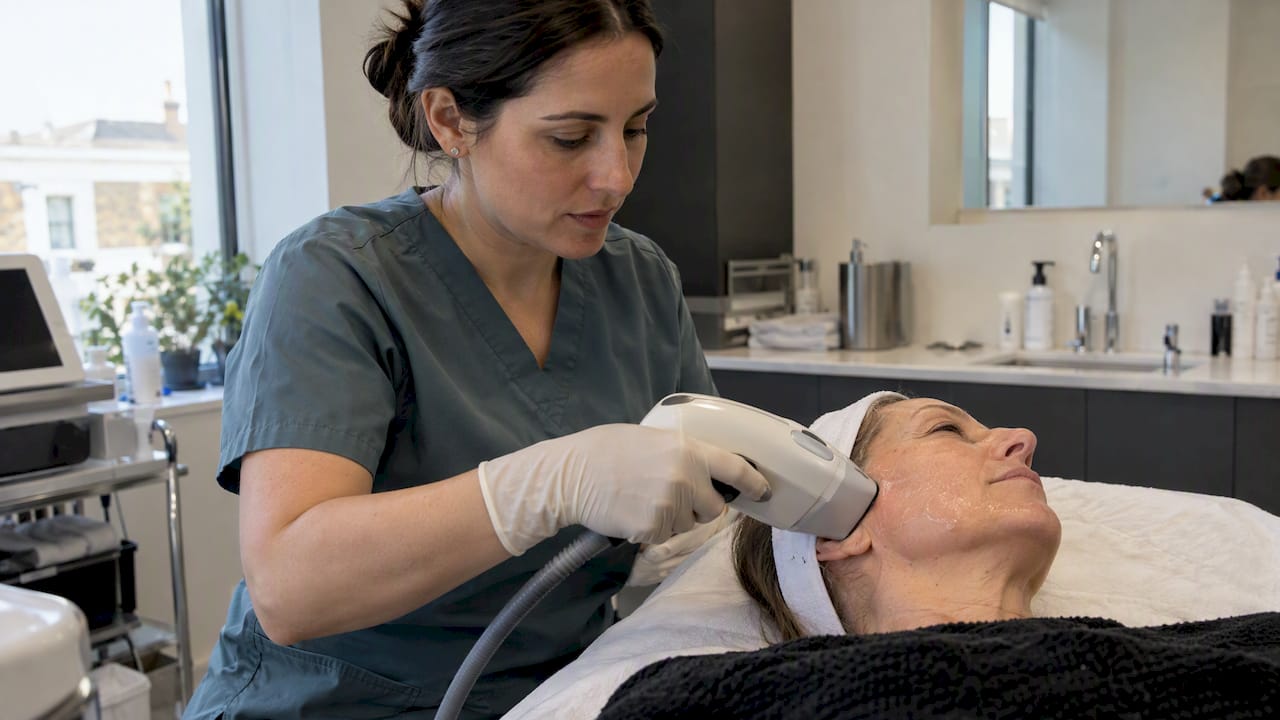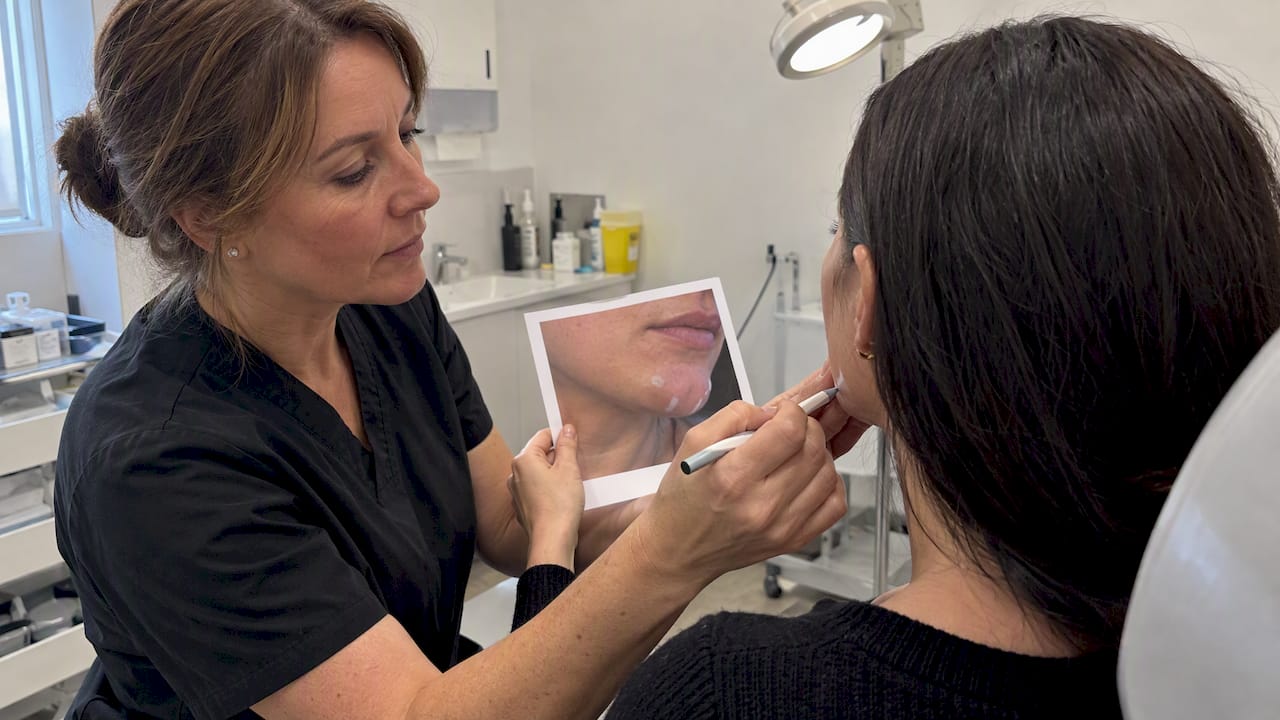


Skin boosters vs Profhilo treatment is a comparison many patients make when their skin looks tired, dehydrated or less firm, yet they do not want to look overfilled or noticeably ‘done’. Both are injectable hyaluronic acid treatments designed to improve skin quality, but they work in different ways and suit different concerns. The right choice is not simply about choosing the newest treatment or the most familiar name. It depends on your skin, facial structure, lifestyle and the result you would like to see in the mirror.
At The Aesthetics Room, this decision begins with a detailed consultation. A medically led assessment allows us to look beyond a single concern, considering hydration, texture, elasticity, volume, pigmentation and the wider factors affecting your skin health.
What are skin boosters?
Skin boosters are injectable treatments created to improve hydration and skin quality from within. They use hyaluronic acid, a substance naturally present in the body that attracts and retains water. Rather than adding shape or structural volume in the way dermal filler can, skin boosters are typically placed in small quantities across the treatment area to support a smoother, fresher and more hydrated appearance.
The term ‘skin booster’ covers a broad treatment category. Products differ in their hyaluronic acid concentration, whether they are lightly cross-linked, their injection technique and the concerns they are intended to address. Some are selected primarily for dehydration and radiance, while others may be chosen to support crepey texture, fine lines or skin quality in delicate areas.
Common treatment areas include the face, neck, décolletage and hands. They can be especially appealing when make-up begins to sit unevenly, skin feels tight despite a good skincare routine, or fine lines appear more pronounced through dehydration. A course of treatment is often recommended initially, followed by maintenance sessions tailored to the product used and the individual response.
What is Profhilo treatment?
Profhilo is a specific injectable hyaluronic acid product often described as a skin-remodelling treatment. It contains a high concentration of hyaluronic acid and is designed to spread through the tissue after placement, supporting hydration and the appearance of improved laxity, texture and luminosity.
It is not a dermal filler and should not be approached as a way to create cheek projection, sharpen a jawline or replace significant lost facial volume. Its appeal is more subtle: skin can look healthier, bouncier and better supported, while the face continues to look like your face.
For facial treatment, Profhilo is commonly administered at carefully selected injection points on each side of the face. The protocol and treatment area may vary according to the clinical assessment, but a course of two sessions, usually spaced around four weeks apart, is a widely used starting point. Some patients then choose maintenance treatment at intervals advised by their practitioner.
Skin boosters vs Profhilo treatment: the key differences
The most useful distinction is that Profhilo is one named product with a particular formulation and remodelling purpose, whereas skin boosters are a wider family of treatments. Both may improve hydration and radiance, but their behaviour in the skin, placement technique and treatment planning can differ.
Skin boosters are often selected when the priority is targeted hydration. For example, a patient concerned by fine lines around the mouth, dull cheeks, a dry neck or fragile-looking skin on the hands may benefit from a treatment that can be placed more directly across that area. Depending on the product, a practitioner may use a series of small injections or a cannula technique to distribute the treatment evenly.
Profhilo may be particularly appropriate where the concern is broader skin quality alongside early-to-moderate laxity. Patients often describe wanting to look less fatigued rather than altered. It can be a considered option when the skin has lost some of its bounce and glow, particularly through the lower face, cheeks or neck.
Neither treatment is automatically ‘better’. A younger patient with dehydrated skin and very little laxity may be better suited to a conventional skin booster. Someone whose skin is beginning to look less elastic may prefer Profhilo. In some cases, a bespoke plan may include both at different stages or in different areas, provided there is a clear clinical rationale.
Results: what should you realistically expect?
Results are gradual rather than instant. Skin boosters can give the complexion a more hydrated, smoother appearance as the skin retains moisture more effectively. Profhilo is also valued for a progressive improvement in glow, suppleness and the appearance of firmness. Changes usually develop over the weeks following treatment, rather than immediately on leaving the clinic.
The result should be refined. If your goal is a visibly fuller cheek, reduced deep fold or a more defined chin, dermal filler may be more appropriate. If your primary concern is dynamic lines caused by muscle movement, anti-wrinkle injections may be considered instead. Good aesthetic medicine is about matching the treatment to the concern, not using one injectable to solve every issue.
Longevity varies with the product, area treated, metabolism, skin condition and treatment plan. Many patients arrange maintenance every few months, while others may require less frequent top-ups once their initial course is complete. Your practitioner should discuss realistic timings rather than promising a fixed duration for every patient.
Downtime and comfort
Both treatments generally involve minimal downtime, making them popular with people who want discreet, clinically considered enhancements around busy work and social schedules. However, ‘minimal’ does not mean no recovery at all. Small bumps at injection points, redness, tenderness, swelling or bruising can occur and may last from hours to several days.
It is sensible to avoid strenuous exercise, excessive heat, alcohol and heavy facial massage for the period advised by your practitioner. If you have an important event, allow enough time for any visible swelling or bruising to settle rather than booking at the last minute.
How to decide which treatment suits you
A good consultation should not begin with a product recommendation. It should begin with questions: What has changed in your skin? Which areas concern you most? Are you seeking prevention, correction or ongoing skin optimisation? How much downtime can you accommodate? Have you had previous injectable treatment, and how did your skin respond?
Your practitioner should then assess skin quality, facial movement, volume distribution and any signs of laxity. At The Aesthetics Room, these considerations can form part of a wider 7 pillar skin optimisation protocol, recognising that injectables work best alongside appropriate skincare, lifestyle support and a treatment plan that evolves with your needs.
It is also worth being honest about your expectations. Hydration injectables can elevate skin quality, but they do not remove all lines, erase pigmentation or substitute for a surgical lift where laxity is advanced. Patients who understand the limits of a treatment are usually the happiest with their results.
Safety matters as much as the product
Although these are commonly requested treatments, they are medical procedures and should be carried out by appropriately trained professionals in a safe clinical environment. Before treatment, disclose all relevant medical history, current medication, allergies, previous aesthetic procedures and any tendency to cold sores, bruising or prolonged swelling.
Injectable treatments may need to be postponed if you are pregnant or breastfeeding, have an active skin infection or are unwell. Certain medical conditions and medicines may also affect suitability. A responsible practitioner will explain the potential risks, provide aftercare guidance and ensure you know how to contact the clinic should you have concerns after your appointment.
Be cautious of choosing solely on price or social-media imagery. The best result is not a standardised treatment delivered to every face. It is a well-planned approach that protects your safety and preserves the character of your features.
Questions patients often ask
Can Profhilo and skin boosters be combined?
They can be included in the same long-term skin plan for some patients, but not necessarily at the same time or in the same area. The decision should be based on the skin concern, product choice and appropriate treatment spacing.
Will either treatment make my face look puffy?
When selected and administered appropriately, the aim is improved skin quality rather than facial puffiness. Temporary swelling after injections is possible, but persistent fullness should not be the intended outcome.
Which is best for the under-eye area?
The under-eye area is delicate and requires particularly careful assessment. Some skin boosters may be suitable for selected patients, but Profhilo is not automatically the answer. Puffiness, hollowness, pigmentation and fine lines have different causes, so treatment must be individualised.
The most valuable starting point is a consultation that gives your skin concerns proper attention. Whether your skin needs targeted hydration, broader remodelling or a different treatment entirely, a careful plan can help you look rested, healthy and recognisably yourself.