

The difference between a refined result and a treatment you later regret is rarely the product alone. It is the assessment, the practitioner’s judgement and the willingness to say that less may be more. When choosing a dermal filler clinic London patients can return to with confidence, look beyond before-and-after photographs and introductory prices. You are choosing clinical standards, facial expertise and a plan for your wellbeing.
Dermal fillers can restore structure, soften shadows and support features that have changed with time. Done well, the outcome should look rested, balanced and unmistakably like you. That starts with a consultation-led approach rather than a menu of pre-set treatments.
What a dermal filler consultation should include
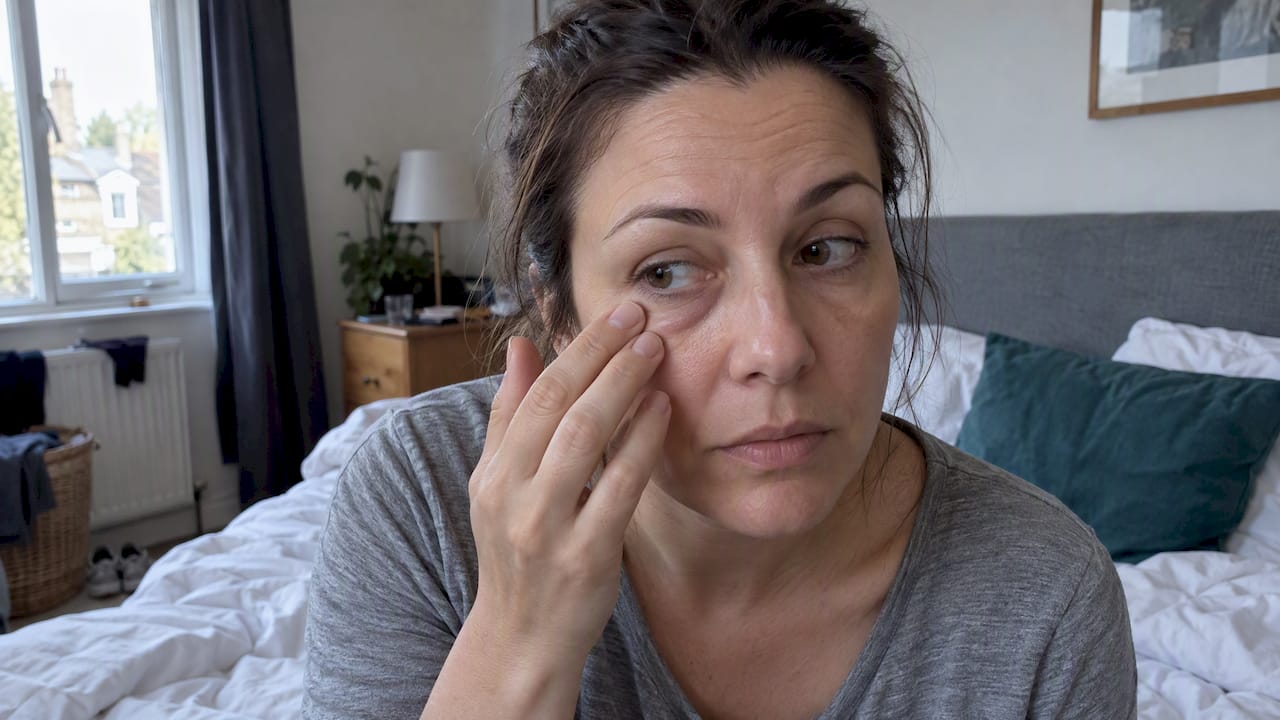
A proper consultation is not a formality before treatment. It is where the clinician establishes whether filler is suitable, what may be achievable and what should be left alone. Your practitioner should listen to the concern that brought you in, but also assess the whole face in movement and at rest. A hollow under-eye area, for example, may relate to changes in the mid-face, skin quality, pigmentation or anatomy rather than a simple need for filler directly beneath the eye.
Expect questions about your medical history, allergies, current medication, previous aesthetic procedures and any history of cold sores. These details can affect suitability and the precautions needed. Pregnancy and breastfeeding, active skin infection, certain autoimmune conditions and recent dental work may mean postponing treatment or considering an alternative approach.
The discussion should also cover your priorities. Some patients want gentle rejuvenation and do not want anyone to notice they have had treatment. Others are seeking more defined lips, chin or jawline. Neither preference is wrong, but the plan, product choice and volume should reflect your facial anatomy and desired level of change.
A respected clinic will be comfortable explaining when a treatment is not indicated. If a request is likely to create heaviness, imbalance or an unnatural result, honest advice is part of good care.
Safety standards to look for at a dermal filler clinic in London
Injectable aesthetics should be treated as a medical procedure, not an impulse purchase. Fillers are generally made with hyaluronic acid, a substance that occurs naturally in the body, but they still require skilled placement and a detailed understanding of facial anatomy.
Choose a setting with trained, experienced practitioners, clear hygiene protocols and appropriate medical oversight. Ask who will carry out your treatment, what their qualifications and experience are, and how they manage complications. A professional team will answer directly, without becoming defensive or making you feel that asking is inconvenient.
The clinic should use reputable, traceable products and maintain detailed records of what has been used, where it has been placed and in what amount. It should also have a clear process for urgent assessment should you experience an unexpected reaction. Although serious complications are uncommon, rapid recognition and treatment are essential.
CQC registration and professional affiliations can provide useful reassurance when relevant, but they should sit alongside the fundamentals: a thorough consultation, robust clinical processes and practitioners who put patient safety ahead of selling a treatment.
Natural results are planned, not guessed
The most successful dermal filler treatments tend to be the ones that respect proportion. The goal is not to copy a photograph or reproduce someone else’s facial shape. It is to work with the features you have, taking account of bone structure, tissue quality, age-related changes and how your face expresses emotion.
This is why a single syringe is not a universal measure of value or outcome. One person may need a small amount of strategically placed filler to restore cheek support. Another may benefit more from gradual treatment across several appointments. For lips, a subtle hydration-focused result can require a very different technique from a more defined, contoured look.
It also depends on the area being treated. Chin and jawline enhancement can improve facial balance, but excessive volume may appear broad or heavy. Cheek filler can lift and soften the mid-face, yet placing too much too superficially can look puffy. Under-eye filler can be highly effective for selected patients, but it is not suitable for every tear trough concern.
A bespoke plan should consider whether filler is the right answer at all. Skin treatments may be more appropriate where texture, fine lines or luminosity are the main concern. Anti-wrinkle injections may better address expression lines. In some cases, a combination of treatments, delivered conservatively over time, produces the most polished result.
Questions worth asking before you book
Before committing to treatment, make sure you understand the recommendation in practical terms. Ask which area is being treated and why, what product is proposed, how long the result is likely to last and what the expected recovery period looks like. You should also know the total cost, including whether a review appointment is included.
It is sensible to ask about possible side effects as well. Tenderness, mild swelling, redness and bruising can occur, particularly in mobile areas such as the lips. Social downtime varies from person to person, so avoid scheduling a first treatment immediately before a major event, professional presentation or holiday if you have little flexibility.
You should leave the appointment feeling informed rather than rushed. Be cautious if you are encouraged to make a same-day decision without adequate assessment, promised permanent perfection, or offered a price that seems to be the main selling point. High-quality injectable treatment is defined by care and clinical judgement, not speed.
Preparing for your appointment
Your clinic will give specific advice based on your treatment and medical history. In general, arrive with clean skin where possible and share any changes to your health or medication since your consultation. If you are prone to cold sores and are considering lip filler, raise this in advance so the appropriate precautions can be discussed.
Avoid alcohol immediately before treatment where advised, as it can increase the likelihood of bruising. Do not stop prescribed medication without speaking to the clinician who prescribes it. Supplements and medicines that affect bleeding should always be discussed rather than altered independently.
Bring reference images only if they help communicate the style of result you prefer, not as a blueprint. A skilled practitioner will use them to understand your aesthetic taste while advising on what will work harmoniously with your own face.
Aftercare is part of the treatment
Your result does not end when you leave the clinic. Follow the aftercare guidance carefully, especially around touching or applying pressure to the treated area, strenuous exercise, heat exposure and make-up. The exact advice can vary according to the area and technique used, so personalised instructions matter.
Some swelling is expected and can make the area look different during the first few days. Avoid judging the final outcome too early. Your practitioner should explain when the result will settle and when to contact the clinic. If you experience increasing pain, marked blanching or unusual changes in skin colour, seek urgent clinical advice immediately.
A planned review gives you the opportunity to discuss how the treatment has settled and whether a small adjustment is appropriate. It is also useful for building a longer-term aesthetic plan that remains measured and consistent, rather than repeatedly treating concerns in isolation.
Choosing care that reflects your standards
At The Aesthetics Room, dermal filler treatments are approached as part of a wider, bespoke plan for confidence, skin health and facial balance. The aim is never to impose a look, but to provide considered clinical advice in a refined setting where your questions and comfort are taken seriously.
The right clinic will make you feel listened to before you feel treated. Give yourself the space to ask questions, consider the recommendation and choose a practitioner whose standards match your own. Confidence in your decision is one of the most valuable results you can take from the consultation.