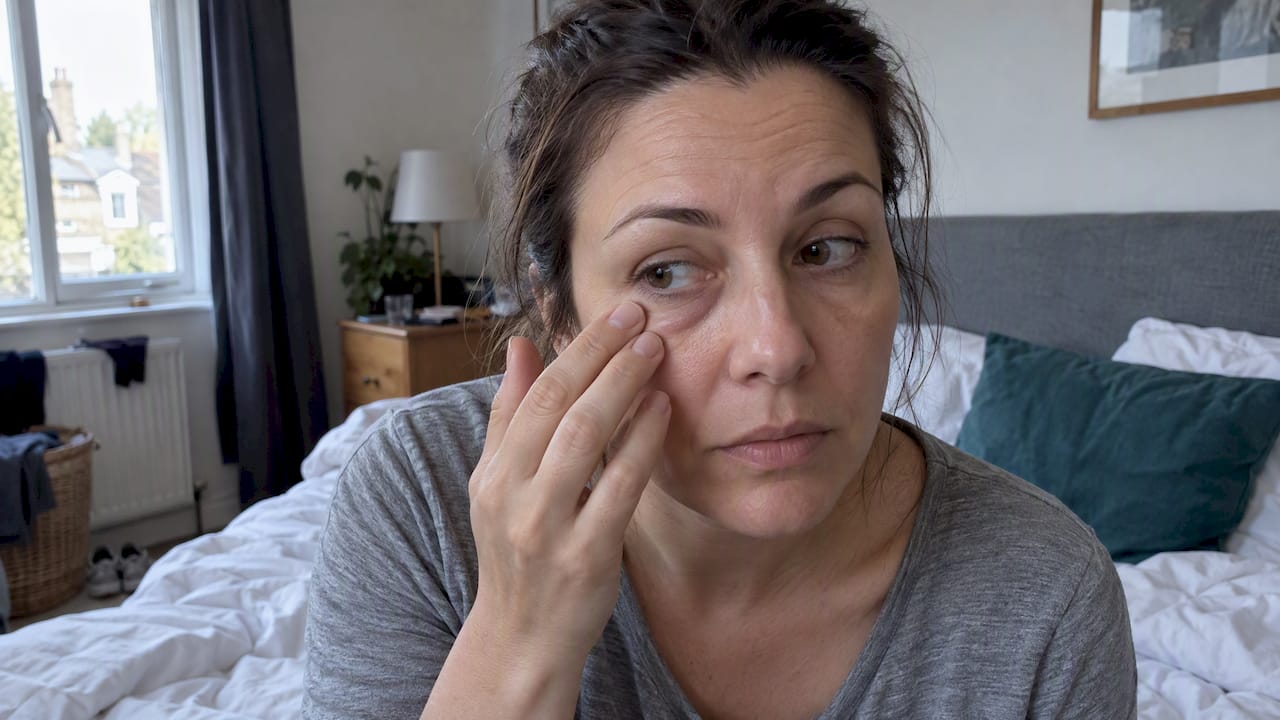
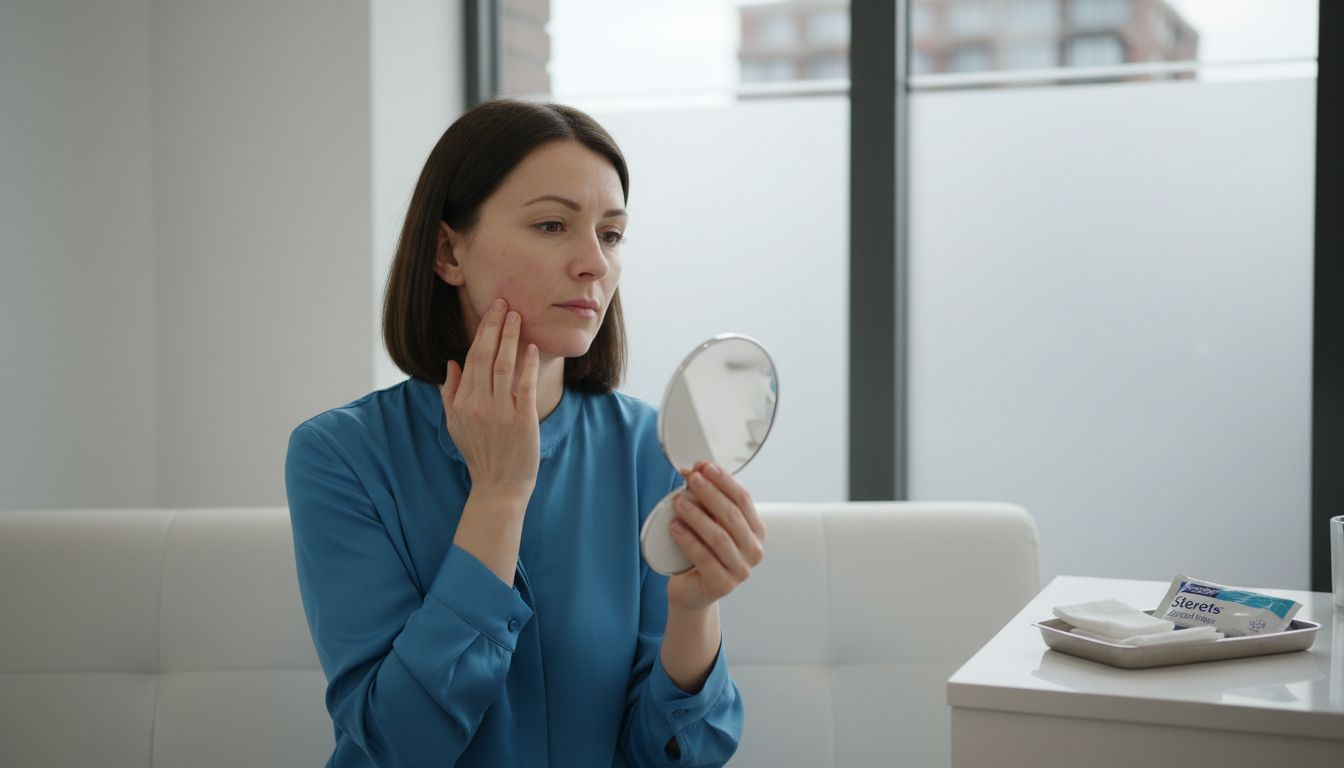

Expertly chosen aesthetic treatments promise new confidence, yet moments after a dermal filler in Knightsbridge, many wonder if their experience aligns with normal recovery. Understanding immediate changes like swelling, redness, and tenderness, as highlighted by leading British cosmetic authorities, helps patients feel informed and reassured. This guide explains each expected response, outlines professional aftercare steps, and empowers you to recognise warning signs, safeguarding the refined results you seek.
Table of Contents
- What Happens After Dermal Fillers?
- Normal Reactions and Expected Recovery
- Warning Signs and Serious Complications
- Managing Common Side Effects Safely
- When to Seek Medical Help in London
Key Takeaways
| Point | Details |
|---|---|
| Immediate Reactions | Expect mild swelling, redness, and tenderness post-treatment, usually resolving within 24-72 hours. |
| Progressive Improvement | Hyaluronic acid fillers provide instant volume and continue to improve skin texture over the following weeks. |
| Watch for Complications | Be alert for severe pain, unusual swelling, or vision changes, which require immediate medical attention. |
| Post-Treatment Care | Follow recommended aftercare, including avoiding intense activities and keeping the injection sites clean, for optimal recovery. |
What Happens After Dermal Fillers?
Dermal fillers are sophisticated aesthetic treatments designed to restore volume and enhance facial contours. After receiving a dermal filler treatment, patients can expect a series of immediate and progressive changes in their appearance and skin texture.
The initial reaction immediately following the procedure typically involves some predictable physiological responses:
- Mild swelling around the injection sites
- Potential temporary redness
- Slight tenderness or sensitivity in treated areas
- Minor bruising at specific injection points
These responses are considered standard and reflect normal healing processes. Most individuals experience minimal discomfort, with symptoms resolving within 24-72 hours.
The volumising effects of dermal fillers become progressively more refined over subsequent weeks. Hyaluronic acid-based fillers, which comprise a significant proportion of aesthetic treatments, provide instant volume enhancement while simultaneously stimulating natural collagen production. This means patients can anticipate gradual improvements in skin texture and definition beyond the immediate treatment results.
Patients should be aware that individual responses vary, influenced by factors such as:
- Personal skin characteristics
- Specific filler type used
- Injection technique
- Individual healing capacities
- Overall health and lifestyle
Professional monitoring remains crucial during the post-treatment period. Reputable clinics recommend follow-up consultations to assess healing and address any unexpected reactions.
Pro tip: Avoid intense physical activities and extreme temperatures for 48 hours post-treatment to minimise potential complications and support optimal healing.
Here is a summary of common dermal filler outcomes and professional recommendations for best results:
| Aspect | Standard Outcome | Recommended Action |
|---|---|---|
| Swelling and Redness | Resolves in 24-72 hours | Apply cold compress, rest |
| Immediate Volume Increase | Visible after procedure | Gentle skincare only |
| Bruising | Mild, fades within days | Avoid blood-thinning agents |
| Tenderness or Sensitivity | Temporary, short-lived | Mild analgesics if required |
| Long-term Skin Improvement | Progressive over weeks | Attend follow-up checks |
Normal Reactions and Expected Recovery
Navigating the recovery process after dermal fillers requires understanding the typical physiological responses that occur in the days following treatment. Post-treatment healing processes are generally predictable and manageable with proper care and awareness.
The most common normal reactions patients can expect include:
- Mild to moderate swelling around injection sites
- Temporary skin redness
- Slight bruising or discolouration
- Mild tenderness or sensitivity
- Minor localised discomfort
Recovery timelines vary depending on individual factors, but most side effects typically resolve within 48-72 hours. The body’s natural healing mechanisms work to integrate the filler and reduce initial inflammatory responses.
Patients should understand that the recovery experience can differ based on several key variables:
- Individual skin sensitivity
- Specific dermal filler composition
- Treatment area and complexity
- Personal healing capabilities
- Overall health and lifestyle factors
Professional medical guidance remains crucial during this period. Aftercare recommendations emphasise the importance of monitoring and understanding potential variations in healing processes.
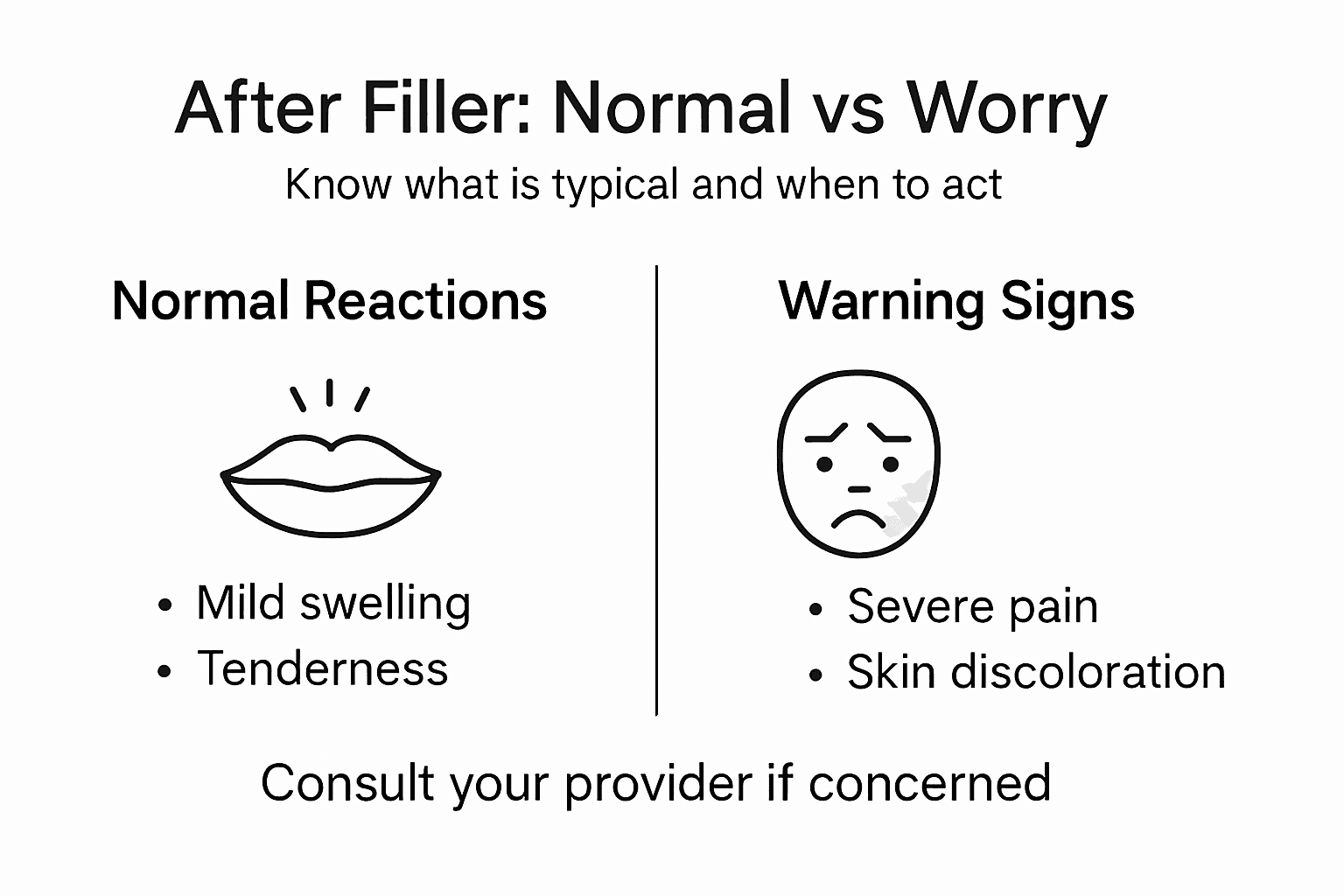
Mild reactions are normal, but persistent or severe symptoms require immediate professional consultation.
Pro tip: Keep a detailed recovery journal noting any changes or concerns, which can provide valuable insights during your follow-up consultation.
Warning Signs and Serious Complications
Serious complications from dermal fillers, though rare, require immediate recognition and professional intervention. Clinical guidelines emphasise understanding critical warning signs to prevent potential long-term damage or irreversible consequences.
Patients should remain vigilant and monitor for the following serious complications:
- Persistent and intense pain at injection sites
- Sudden skin discolouration or blanching
- Unusual swelling extending beyond normal recovery
- Signs of tissue necrosis
- Impaired vision or sudden vision changes
- Severe asymmetry or lumps
- Signs of infection (fever, excessive redness)
Vascular complications represent the most critical concern in dermal filler treatments. Facial danger zones pose significant risks during injection procedures, particularly around areas with complex blood vessel networks.
Immediate medical attention is crucial if you experience any severe or prolonged symptoms following a dermal filler treatment.
The potential for serious complications underscores the importance of selecting a highly qualified and experienced aesthetic practitioner who understands advanced injection techniques and anatomical considerations.
Pro tip: Request a comprehensive consultation that includes a detailed discussion of potential risks and your unique anatomical considerations before proceeding with any dermal filler treatment.
The following table contrasts normal side effects with urgent warning signs after dermal filler treatment:
| Aspect | Normal Reaction | Serious Warning Sign |
|---|---|---|
| Swelling | Mild, localised, short-term | Spreads, extensive, prolonged |
| Redness | Temporary, localised | Very intense, widespread |
| Pain | Mild, resolves quickly | Persistent, severe, escalating |
| Bruising | Minor, fades rapidly | Large, spreading, darkening |
| Visual Disturbances | None | Sudden or impaired vision |
| Lumps | Small, even, fading | Hard, asymmetrical, persistent |
Managing Common Side Effects Safely
Post-treatment care is crucial for minimising discomfort and ensuring optimal recovery after dermal filler procedures. Optimal aftercare strategies involve proactive management and understanding of potential side effects.
Key immediate management techniques include:
- Applying cold compresses to reduce swelling
- Avoiding intense physical activities
- Keeping injection sites clean and protected
- Using prescribed anti-inflammatory medication
- Minimising direct sun exposure
- Avoiding alcohol and blood-thinning supplements
- Maintaining gentle skincare routines
Inflammation management plays a critical role in comfortable recovery. Practitioners recommend gentle approaches that support natural healing processes while preventing potential complications.
Advanced imaging techniques are increasingly being used to monitor and manage potential side effects, providing enhanced safety protocols for patients.
Consistent communication with your aesthetic practitioner is essential during the recovery period.
Individual responses to dermal fillers vary, making personalised aftercare crucial. Patients should remain attentive to their body’s signals and maintain open dialogue with their healthcare provider.
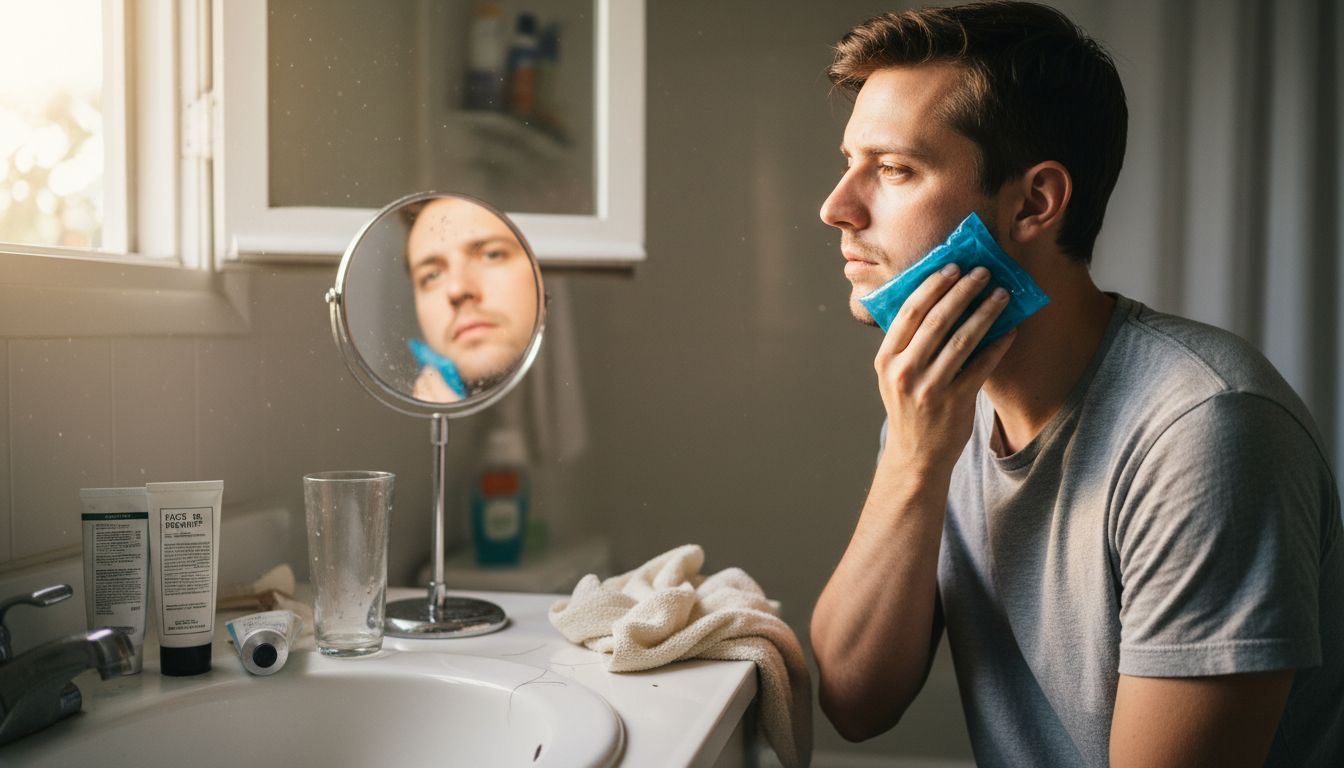
Pro tip: Document your recovery progress with dated photographs and notes to help your practitioner assess healing and address any potential concerns.
When to Seek Medical Help in London
Medical emergencies following dermal filler treatments require immediate and strategic action. Urgent medical consultation guidelines emphasise recognising critical symptoms that necessitate professional intervention.
Critical signs requiring immediate medical attention include:
- Persistent and severe pain at injection sites
- Sudden or extensive skin discolouration
- Signs of spreading infection (fever, extreme redness)
- Unusual swelling beyond normal recovery parameters
- Impaired vision or sudden vision changes
- Development of hard lumps or asymmetrical swelling
- Indications of potential tissue damage or necrosis
Navigating London’s medical landscape involves understanding the appropriate channels for emergency aesthetic treatment complications. Patients should prioritise contacting their original aesthetic practitioner first, followed by specialised medical facilities equipped to handle cosmetic procedure emergencies.
UK regulatory frameworks now provide enhanced protection, ensuring patients have clear pathways for addressing potential complications from aesthetic treatments.
Prompt recognition and swift action are crucial in managing potential dermal filler complications.
London offers multiple specialised medical facilities capable of addressing aesthetic treatment emergencies, including renowned hospitals with dedicated cosmetic procedure units and specialist aesthetic clinics.
Pro tip: Keep your practitioner’s emergency contact information readily accessible and document any unusual symptoms with dated photographs for precise medical assessment.
Understand Your Reaction After Fillers with Expert Care at The Aesthetics Room
Navigating the normal reactions and recognising when to worry after dermal filler treatments can feel overwhelming. Common concerns like swelling, redness, or tenderness need precise understanding and professional guidance to ensure safe healing and optimal outcomes. At The Aesthetics Room, we specialise in delivering personalised Dermal Fillers treatments with an emphasis on patient safety and expert aftercare. Our experienced practitioners understand the delicate post-treatment signs and provide tailored advice to help you recover confidently.

If you want to feel secure and informed throughout your aesthetic journey, trust our premium medical aesthetics clinic located in London’s Knightsbridge area. Visit The Aesthetics Room today and book a consultation to explore safe, effective solutions including advanced injectable options. Taking action now means benefiting from professional care designed to address your concerns and enhance your natural beauty. Discover more about our Advanced Injectables or browse our full range of treatments online to start your transformation with confidence.
Frequently Asked Questions
What should I expect immediately after receiving dermal fillers?
You can expect mild swelling, temporary redness, slight tenderness, and minor bruising at the injection sites, which typically resolve within 24-72 hours.
How long does it take for the effects of dermal fillers to fully appear?
While the volumising effects of dermal fillers are immediate, they continue to improve over the following weeks as they stimulate natural collagen production and enhance skin texture.
When should I be concerned about side effects from dermal fillers?
You should seek immediate medical attention if you experience persistent and severe pain, sudden skin discolouration, unusual swelling, impaired vision, or signs of infection such as fever or excessive redness.
What steps can I take to manage common side effects after getting fillers?
Applying cold compresses, avoiding intense physical activities, keeping injection sites clean, and following a gentle skincare routine can help manage side effects effectively.