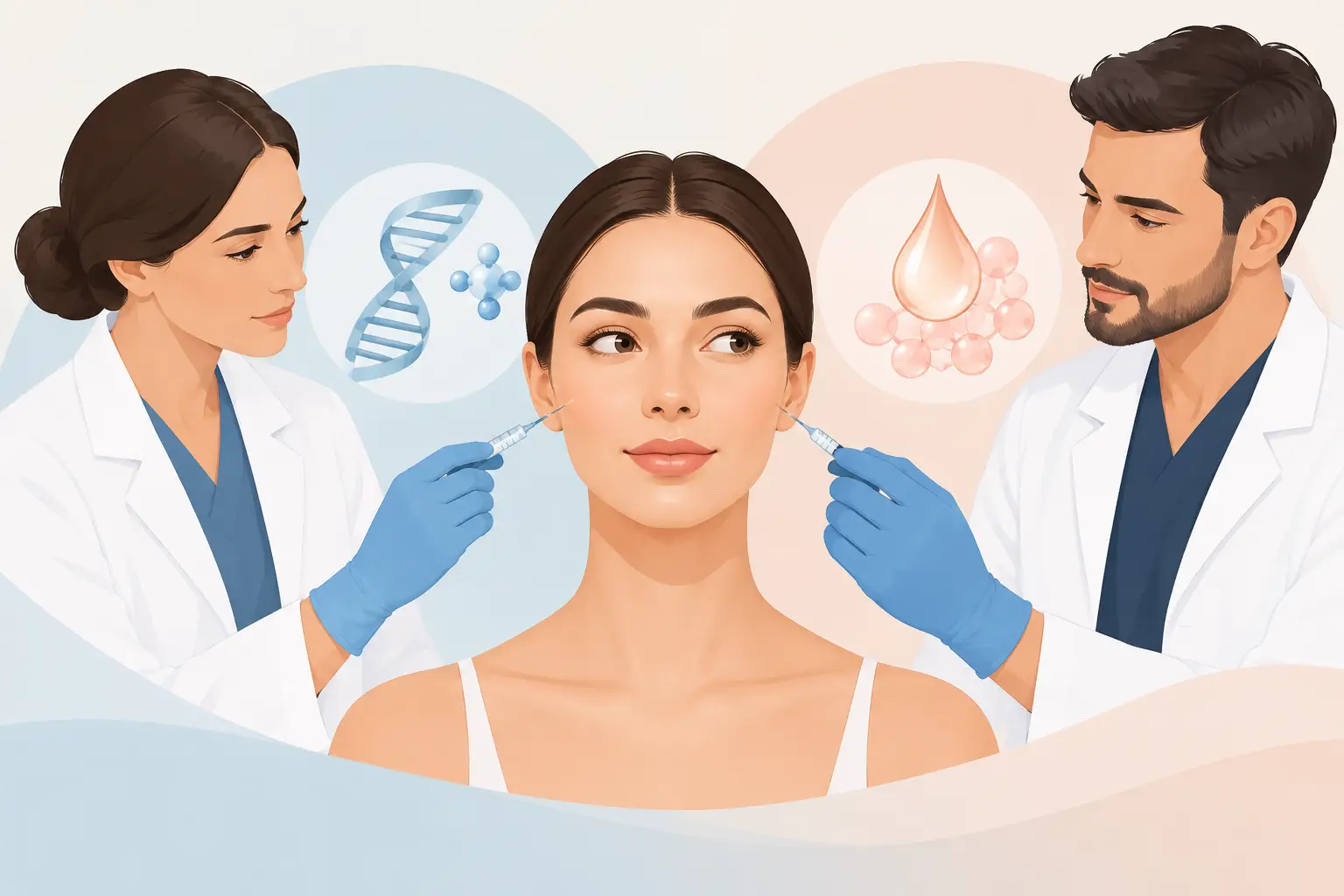


Seeking cosmetic enhancement in Knightsbridge brings its own set of priorities, especially when safety and individualised care sit at the top of your list. The growing popularity of non-surgical procedures throughout the United Kingdom means the quality of your chosen provider is more crucial than ever. With an evolving focus on practitioner accreditation and patient wellbeing, this guide uncovers how you can enjoy subtle, bespoke results while trusting that every aspect of your care meets the finest standards.
Table of Contents
- Defining Safety In Medical Aesthetics
- Accreditation, Training And Practitioner Competence
- Uk Regulations Governing Cosmetic Procedures
- Patient Communication, Consent And Aftercare
- Risks, Complications And Emergency Protocols
- Choosing Safe Providers And Recognised Clinics
Key Takeaways
| Point | Details |
|---|---|
| Practitioner Qualifications are Crucial | Always verify a practitioner’s medical and aesthetic training credentials before any procedure. |
| Safety Protocols Must Be Followed | Ensure that the clinic maintains strict hygiene and sanitisation protocols to minimise risks. |
| Effective Communication is Essential | Engage in comprehensive consultations and informed consent discussions with your practitioner to understand potential risks. |
| Regulatory Compliance is Key | Choose clinics that are accredited and comply with legal standards to ensure your safety during treatments. |
Defining Safety in Medical Aesthetics
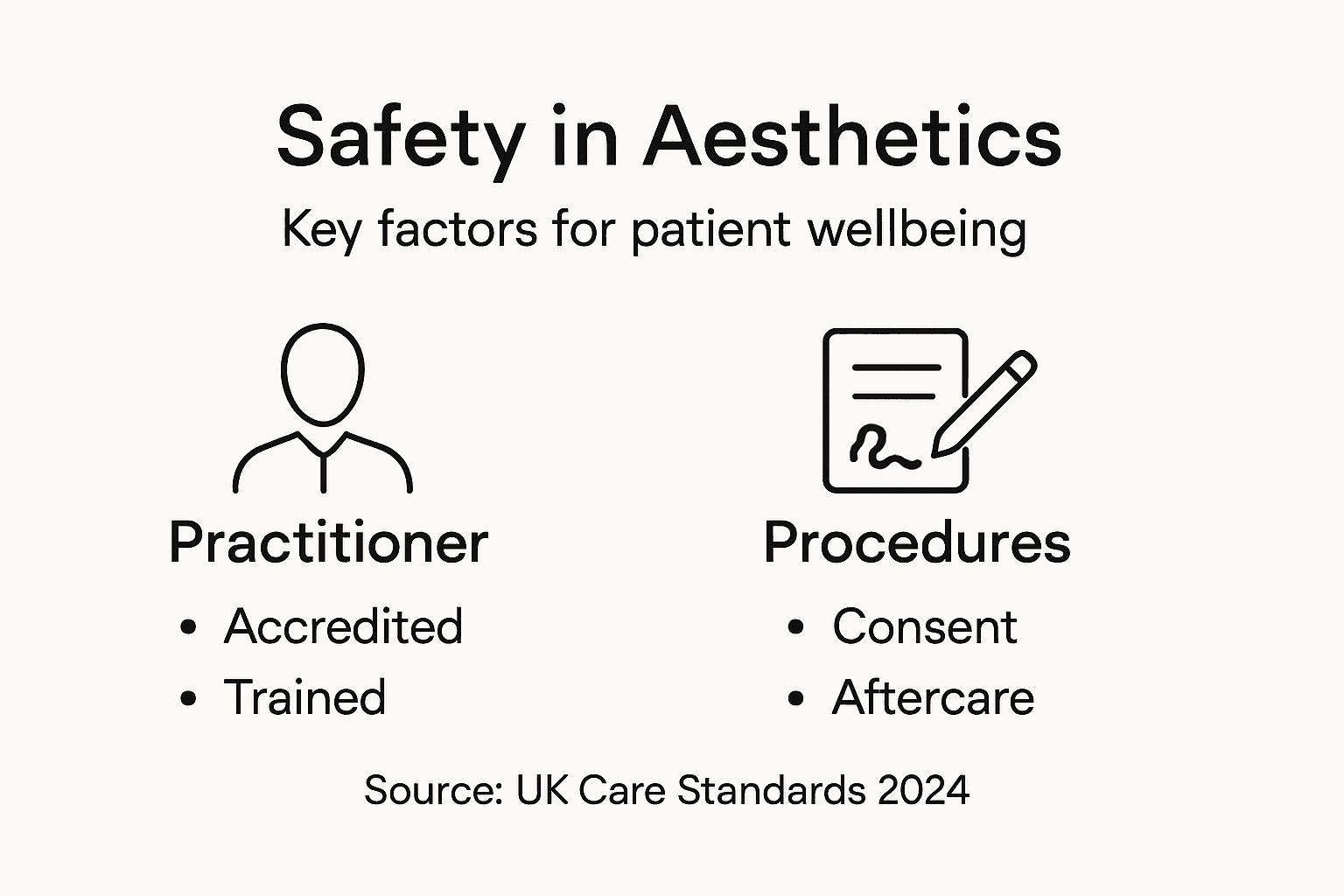
Safety in medical aesthetics represents a comprehensive approach to protecting patients during cosmetic procedures, ensuring that every intervention minimises potential risks and maximises positive outcomes. Medical aesthetics encompasses a range of non-surgical treatments designed to enhance appearance and boost confidence, requiring stringent safety protocols to protect patient wellbeing.
The core elements of safety in medical aesthetics involve multiple critical dimensions:
- Practitioner Qualifications: Ensuring all professionals possess appropriate medical training and specific aesthetic procedure certifications
- Equipment Standards: Using sterile, approved medical devices and treatment technologies
- Infection Control: Maintaining rigorous hygiene and sanitisation protocols
- Patient Assessment: Conducting thorough pre-treatment consultations to identify potential contraindications
Regulatory bodies are increasingly recognising the importance of patient safety, with government initiatives pushing towards more structured oversight. Licensing of cosmetic procedures has become a critical focus, aiming to establish minimum standards for training, premises, and professional conduct.
Understanding safety goes beyond technical competence. It requires a holistic approach that considers psychological preparedness, informed consent, and realistic expectations. Patient safety demands qualified practitioners who not only possess technical skills but also demonstrate empathy, communication, and ethical commitment.
Pro tip: Always request and verify your practitioner’s specific aesthetic medicine qualifications before undertaking any cosmetic procedure.
Accreditation, Training and Practitioner Competence
Practitioner competence forms the cornerstone of safe medical aesthetic treatments, representing a complex interplay of professional qualifications, specialised training, and ongoing skill development. Medical aesthetic practitioners must possess a comprehensive skill set that extends far beyond basic medical knowledge, encompassing technical expertise, refined procedural skills, and a nuanced understanding of patient care.
The critical components of practitioner competence include:
- Formal Medical Qualifications: Foundational medical degree from an accredited institution
- Specialist Aesthetic Training: Focused certification in cosmetic procedures
- Continuous Professional Development: Regular upskilling and recertification
- Technical Proficiency: Demonstrated expertise in specific aesthetic interventions
- Patient Communication Skills: Ability to consult, explain, and manage patient expectations
National licensing schemes are increasingly being advocated to establish uniform standards for practitioner competence. These frameworks aim to create a robust system that guarantees practitioners not only possess theoretical knowledge but also demonstrate practical skills through rigorous assessment processes.
Practitioner competence assessment is evolving to include comprehensive evaluation of technical skills, ethical understanding, and ongoing performance monitoring. This approach ensures that practitioners maintain high standards throughout their professional careers, protecting patient safety and maintaining public confidence in aesthetic medicine.
Competence is not a static achievement, but a continuous journey of learning, adaptation, and professional growth.
Pro tip: Always verify a practitioner’s current qualifications, professional memberships, and recent training certifications before booking any aesthetic procedure.
UK Regulations Governing Cosmetic Procedures
The landscape of cosmetic procedure regulations in the United Kingdom is undergoing significant transformation, reflecting growing concerns about patient safety and professional standards in aesthetic medicine. UK legislative frameworks are evolving to address the complex challenges posed by non-surgical cosmetic interventions, which have historically operated with minimal governmental oversight.
Key regulatory developments include:
- Healthcare Professional Requirements: Stricter credentialing for practitioners
- Risk-Based Classification: Categorising procedures by potential harm
- Premises Licensing: Mandatory registration and inspection of aesthetic clinics
- Age Restrictions: Preventing procedures for vulnerable populations
- Mandatory Training Standards: Comprehensive professional development requirements
Government aesthetic treatment regulation is introducing a tiered licensing framework that categorises procedures based on complexity and potential risk. High-risk interventions will require healthcare professionals to perform treatments exclusively in Care Quality Commission (CQC) registered premises, while medium and low-risk procedures will demand licensed practitioners adhering to specific local authority standards.
The goal of these regulations is not to restrict aesthetic medicine, but to protect patients and elevate professional standards across the industry.
The Health and Care Act 2022 represents a pivotal moment, providing governmental powers to license practitioners and establish comprehensive regulatory mechanisms that prioritise patient wellbeing and professional accountability.
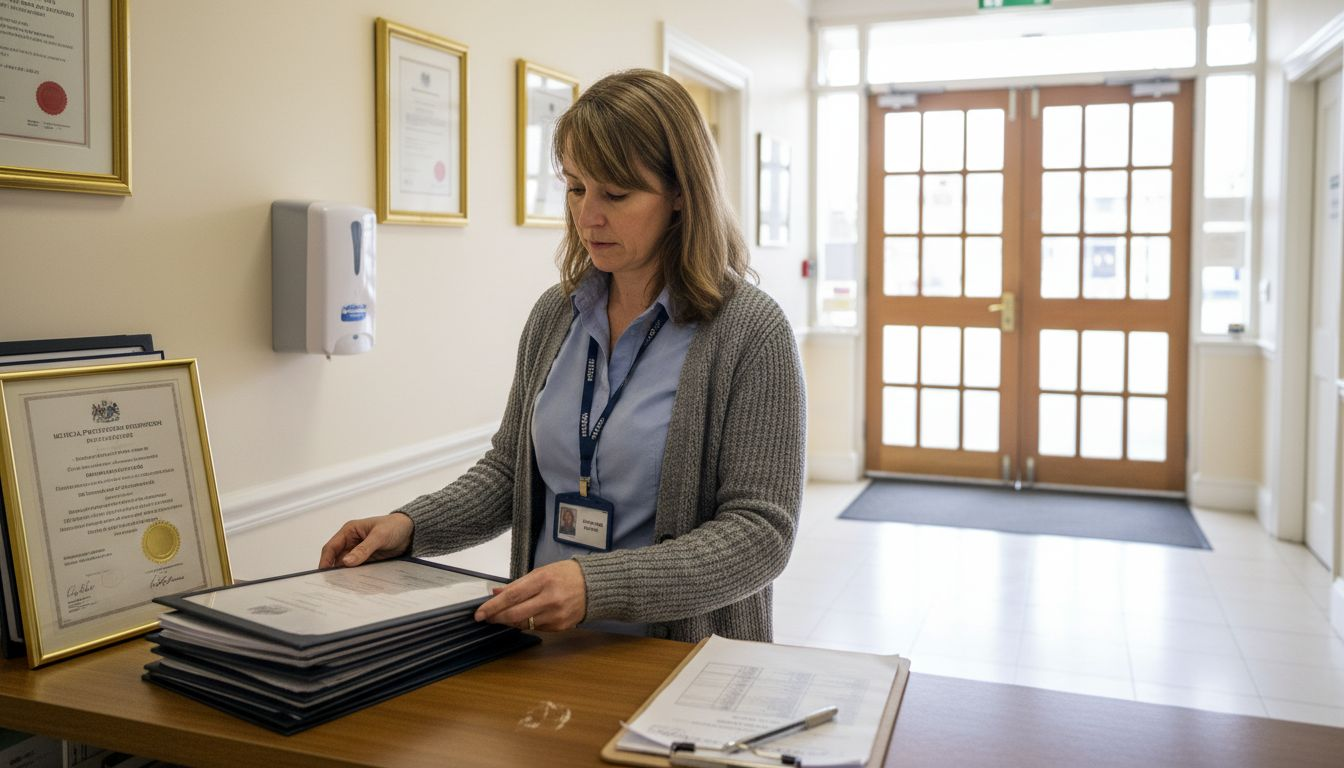
Pro tip: Always confirm a practitioner’s current licensing status and specific procedure authorisations before committing to any aesthetic treatment.
Patient Communication, Consent and Aftercare
Effective patient communication forms the cornerstone of safe and ethical medical aesthetic procedures, transforming clinical interactions from transactional encounters to collaborative healthcare experiences. Patient communication frameworks are evolving to ensure transparent, comprehensive dialogue that empowers patients to make informed decisions about their aesthetic treatments.
Critical components of patient communication include:
- Pre-Procedure Consultation: Comprehensive risk assessment and expectation management
- Detailed Informed Consent: Explicit discussion of potential complications
- Visual Outcome Demonstrations: Realistic representations of expected results
- Personalised Treatment Planning: Tailored approaches based on individual needs
- Comprehensive Aftercare Instructions: Clear guidance for post-treatment recovery
The consent process requires meticulous attention to detail, encompassing far more than a simple signature. Practitioners must ensure patients fully comprehend the potential risks, anticipated outcomes, and alternative treatment options. This approach not only protects the patient but also establishes a foundation of trust and professional integrity.
Effective communication is not about providing information, but about ensuring genuine understanding and patient empowerment.
Aftercare represents a crucial continuation of the patient journey, involving detailed instructions, follow-up mechanisms, and clear channels for addressing potential post-procedure concerns. Robust aftercare protocols demonstrate a commitment to patient safety that extends beyond the treatment room.
Pro tip: Request and carefully review a detailed written aftercare plan before proceeding with any aesthetic treatment, ensuring you understand every step of your recovery process.
Risks, Complications and Emergency Protocols
The landscape of medical aesthetic procedures involves inherent risks that demand comprehensive understanding and proactive management. Aesthetic practice regulation is evolving to address the complex spectrum of potential complications, ranging from minor adverse reactions to potentially life-threatening emergencies.
Potential complications encompass multiple domains:
- Physiological Risks: Allergic reactions, tissue damage, infection
- Vascular Complications: Potential embolisms, blood vessel obstruction
- Inflammatory Responses: Unexpected immune system reactions
- Psychological Impact: Potential body image distress or emotional complications
- Aesthetic Irregularities: Unintended cosmetic outcomes
Non-surgical aesthetic complications require practitioners to develop robust emergency response protocols that can be implemented swiftly and effectively. These protocols must include immediate intervention strategies, comprehensive patient monitoring, and clear communication channels for managing unexpected medical situations.
Emergency preparedness is not about anticipating every possible scenario, but about developing adaptive, patient-centred response mechanisms.
Effective emergency protocols demand a multi-layered approach involving immediate medical intervention, comprehensive documentation, and structured follow-up processes to mitigate potential long-term consequences of aesthetic treatment complications.
The following table compares types of risks in medical aesthetics and outlines typical prevention and response measures:
| Risk Type | Common Causes | Prevention Strategy | Emergency Response |
|---|---|---|---|
| Physiological | Allergic reactions, infection | Pre-treatment allergy testing | Immediate medical care |
| Vascular | Improper injection technique | Anatomical training, ultrasound use | Urgent intervention, reversal |
| Inflammatory | Immune response, product issues | Use of quality materials | Administer anti-inflammatories |
| Psychological | Unmet expectations, distress | In-depth consultation, screening | Referral to mental support |
| Aesthetic Irregularities | Technical error, healing variance | Detailed procedural planning | Correction procedures |
Pro tip: Always request a detailed emergency protocol document from your aesthetic practitioner, ensuring they can articulate precise steps for managing potential adverse reactions.
Choosing Safe Providers and Recognised Clinics
Selecting a safe aesthetic provider requires comprehensive due diligence beyond superficial impressions, demanding careful evaluation of professional credentials, clinical standards, and regulatory compliance. Non-surgical cosmetic procedure licensing represents a critical framework for patients seeking genuine, accountable aesthetic treatments in the United Kingdom.
Key criteria for identifying recognised clinics include:
- Professional Accreditation: Verifiable medical qualifications
- Regulatory Compliance: Current licensing and professional memberships
- Transparent Consultation Processes: Comprehensive risk assessments
- Documented Safety Protocols: Clear emergency and aftercare procedures
- Traceable Professional History: Published patient outcomes and testimonials
Recognised clinic standards emphasise rigorous operational frameworks that protect patient welfare through systematic quality control and continuous professional development. These standards ensure practitioners maintain the highest levels of technical competence and ethical practice.
Here is a summary table outlining differences between accredited and non-accredited clinics in the UK:
| Attribute | Accredited Clinic | Non-Accredited Clinic |
|---|---|---|
| Practitioner Qualifications | Verified, specialist trained | May lack relevant credentials |
| Regulatory Compliance | Fully licensed and regularly inspected | Often unregulated |
| Safety Protocols | Documented, regularly reviewed | Informal, potentially inconsistent |
| Patient Outcomes | Evidence-based, published results | Frequently anecdotal, unverified |
| Aftercare Standards | Comprehensive, written guidance | May lack structured aftercare |
Safety in aesthetic medicine transcends technical skill; it represents a holistic commitment to patient wellbeing and professional integrity.
Potential patients must actively investigate practitioner backgrounds, request evidence of qualifications, and understand the specific training and experience relevant to their desired treatment. Transparency, comprehensive communication, and verifiable credentials form the cornerstone of safe aesthetic practice.
Pro tip: Request official documentation of a clinic’s licensing, insurance, and practitioner qualifications before committing to any aesthetic procedure.
Prioritise Safety with Expert Care at The Aesthetics Room
The article highlights the critical importance of safety in medical aesthetics, focusing on qualified practitioners, thorough patient communication, and well-regulated clinics. If you are looking to avoid risks such as complications or unprofessional practice, knowing that your practitioner is fully accredited and your treatment plan is personalised is essential. The Aesthetics Room understands these concerns and addresses them by offering treatments delivered by highly trained specialists within fully licensed clinics, emphasising patient safety and transparent consultation.
Discover how our team ensures your wellbeing through meticulous assessments and tailored care in The Consultation – The Aesthetics Room. Experience the confidence that comes with receiving treatments from qualified experts providing industry-leading procedures in Advanced Injectables – The Aesthetics Room.
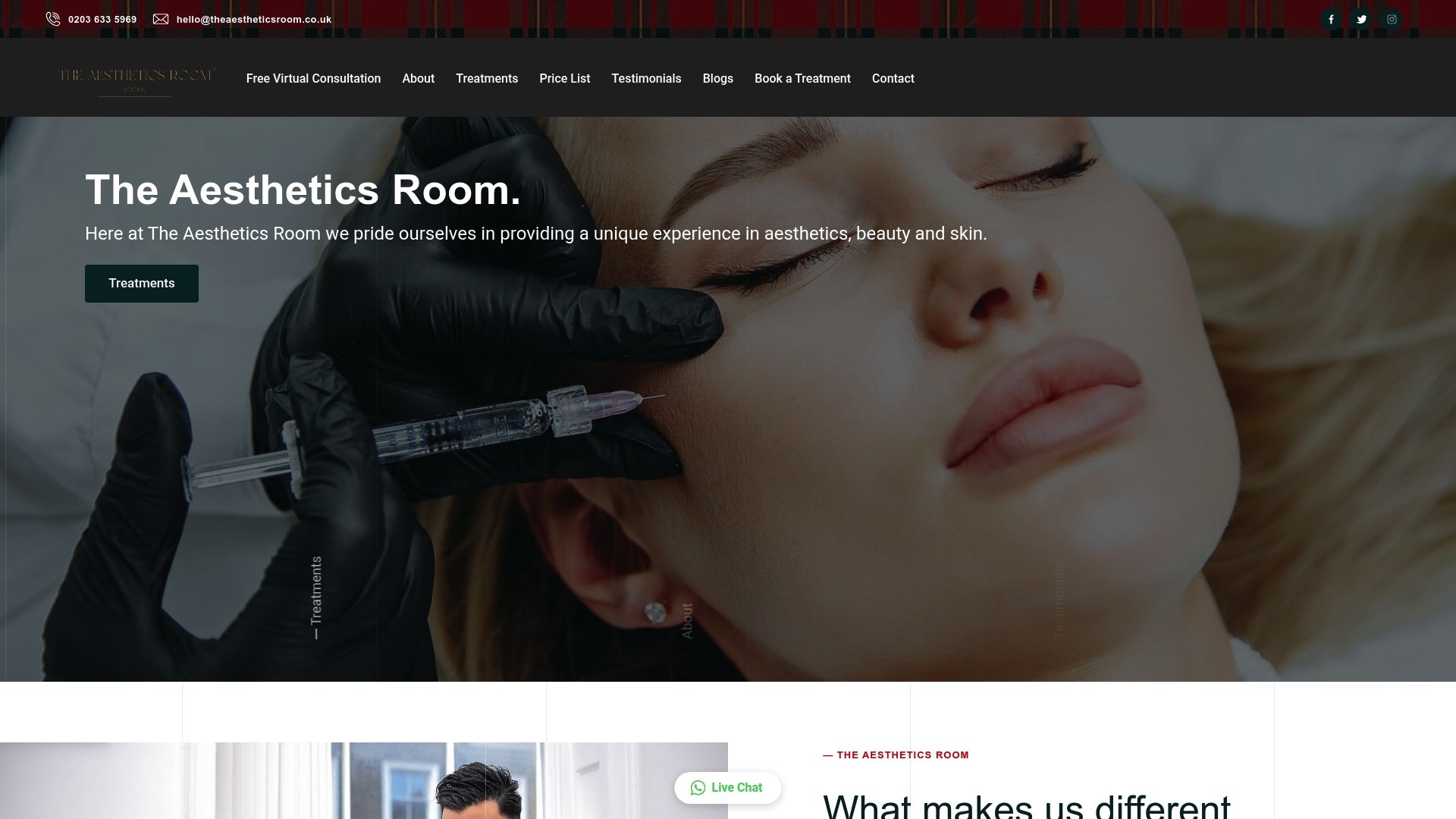
Make safety your top priority today by booking your personalised consultation at The Aesthetics Room. Secure your appointment now and benefit from a premium, trusted aesthetic experience that truly puts your wellbeing first.
Frequently Asked Questions
What qualifications should aesthetic practitioners have?
Practitioners should possess formal medical qualifications, specific certifications in aesthetic procedures, and a commitment to continuous professional development to ensure safety in treatments.
How can I ensure that a medical aesthetics clinic is safe?
It’s important to verify the clinic’s regulatory compliance, request documentation of practitioner qualifications, and check for transparent communication regarding safety protocols and aftercare procedures.
What are the risks associated with medical aesthetic procedures?
Potential risks include allergic reactions, infections, vascular complications, and aesthetic irregularities. Comprehensive pre-treatment consultations and ongoing patient monitoring can help minimise these risks.
Why is informed consent important in medical aesthetics?
Informed consent is crucial as it ensures patients fully understand the potential risks, expected outcomes, and alternative treatments. This fosters trust and helps manage patient expectations effectively.