

TL;DR:
- Perioral rejuvenation restores the entire mouth area, including lips, philtrum, and mouth corners, for a natural, refreshed appearance.
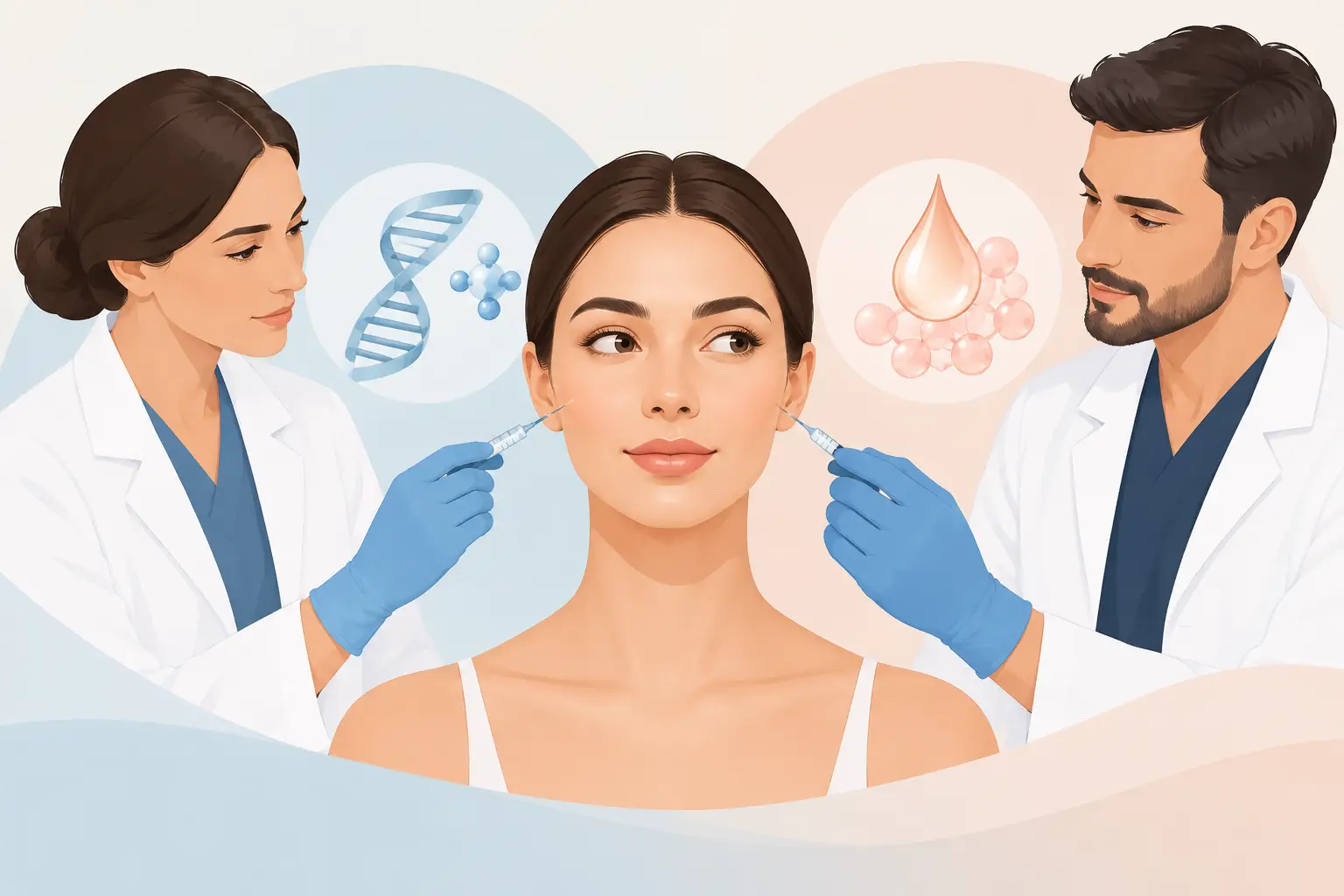
- Effective treatment combines fillers, neurotoxins, and biostimulants in a layered approach to address structural and surface aging signs.
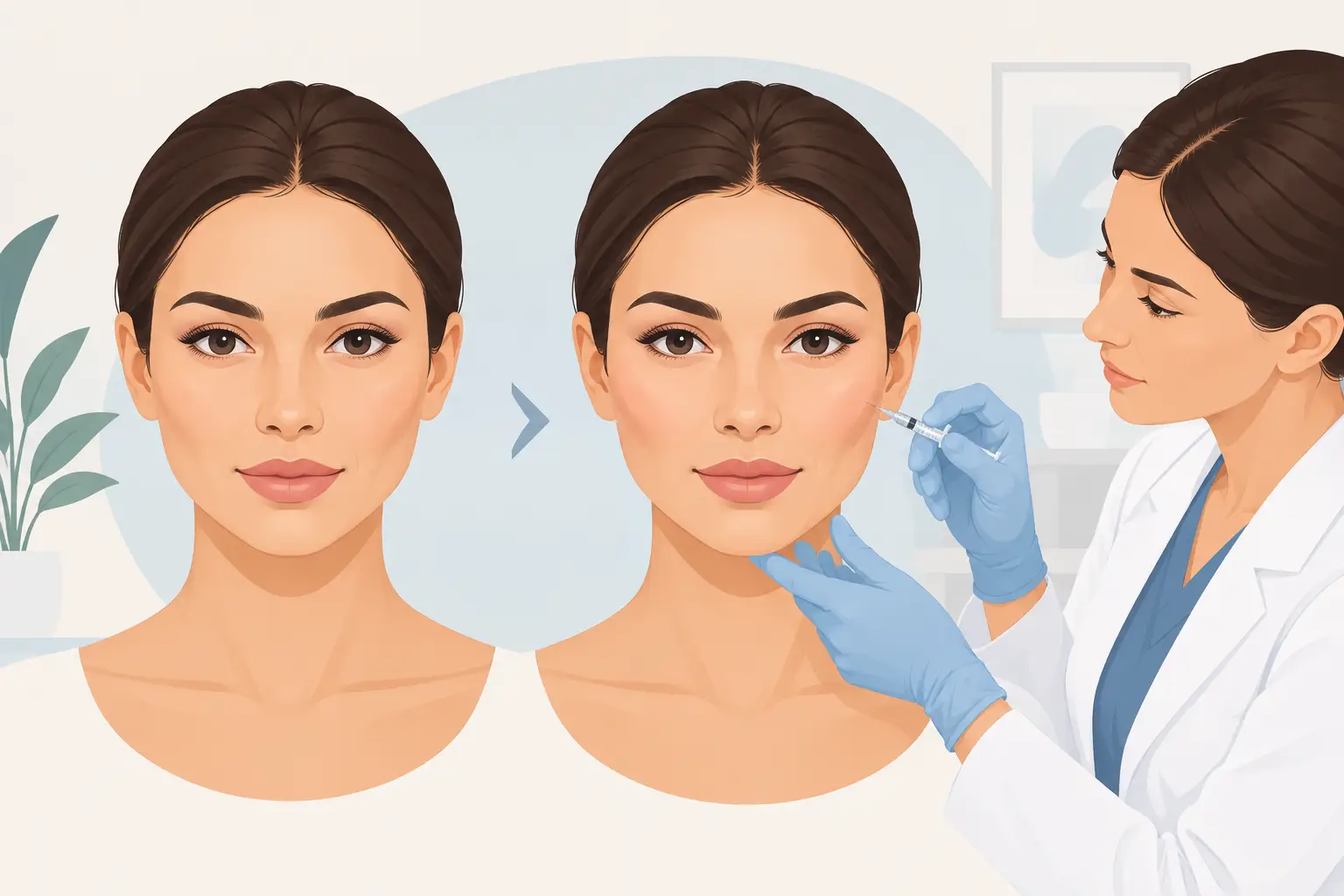
If you’ve been exploring facial aesthetics and think perioral rejuvenation simply means lip fillers, you’re not alone — but that assumption leaves a lot of youthful potential untapped. What is perioral rejuvenation, exactly? It’s a targeted approach to restoring the entire mouth region: the lips, the philtrum (the groove between your nose and upper lip), and the corners of your mouth. Each of these areas ages in its own way, and treating them thoughtfully, often in combination, produces results that look genuinely refreshed rather than obviously “done.”
Table of Contents
- Understanding the perioral area and signs of ageing
- Common non-surgical treatments for perioral rejuvenation
- Why a multiprocedural approach matters for lasting results
- Realistic expectations and treatment considerations in London
- How to choose the right perioral rejuvenation treatment for you
- Why focusing on the perioral zone transforms your facial rejuvenation journey
- Explore perioral rejuvenation treatments at The Aesthetics Room in London
- Frequently asked questions
Key Takeaways
| Point | Details |
|---|---|
| Perioral rejuvenation scope | It improves lips, philtrum, and mouth corners to counteract ageing signs for a youthful smile. |
| Multiprocedural approach | Combining fillers, botox, biostimulators, and resurfacing yields balanced, natural, and durable results. |
| Realistic expectations | Patients should expect subtle improvements, possible downtime, and customised treatment plans. |
| Avoid overfilling pitfalls | Large filler volumes can distort lip shape; conservative, tailored treatments are best. |
| Expert consultation crucial | Choosing experienced practitioners ensures safe, effective, and personalised rejuvenation outcomes. |
Understanding the perioral area and signs of ageing
The perioral region is more anatomically complex than most people realise. Perioral rejuvenation targets the lips, philtrum, and oral commissures (the corners of the mouth) to address ageing signs such as elongated upper lips and downturned corners. These aren’t cosmetic quirks — they’re structural changes driven by multiple layers of tissue shifting over time.
Here’s what actually happens beneath the surface as we age in this zone:
- Lip thinning and lengthening: The upper lip gradually elongates and loses its defined border, making the Cupid’s bow less distinct.
- Downturned oral commissures: The corners of the mouth begin to droop, which can give a permanently sad or stern expression.
- Vertical lip lines: Often called “smoker’s lines,” these fine wrinkles form around the lip border even in people who have never smoked, caused by repetitive muscle movement and skin thinning.
- Volume loss in the philtrum: The philtrum flattens, reducing the youthful “peaks” that frame the upper lip.
- Underlying structural changes: Fat pad descent, ligament laxity, and muscle weakening all contribute to the overall collapse of support in this area.
Understanding these changes matters because it shapes the entire treatment strategy. A facial rejuvenation overview will show you how each zone of the face contributes to the whole — and the perioral region is one of the most expressive and most revealing of a person’s true age.
Common non-surgical treatments for perioral rejuvenation
With a clear picture of the ageing process, it becomes obvious why a single syringe of filler rarely tells the whole story. Effective perioral area treatment draws on several tools, often used together.
Hyaluronic acid (HA) dermal fillers remain the most widely used treatment. HA is a substance naturally found in the skin that attracts and retains moisture. When injected precisely into the lips, lip border, or philtrum, it restores volume and definition. HA fillers and neurotoxins restore volume and relax muscles with 80–90% patient satisfaction in fine line reduction after just a few sessions, which makes them a strong first-line option.
Botulinum toxin (Botox) is frequently underused in the perioral zone. Small, precise doses around the lip border reduce the contraction of the orbicularis oris muscle (the circular muscle that surrounds the mouth), softening vertical lines and subtly lifting downturned corners. It works best when combined with fillers rather than used alone.
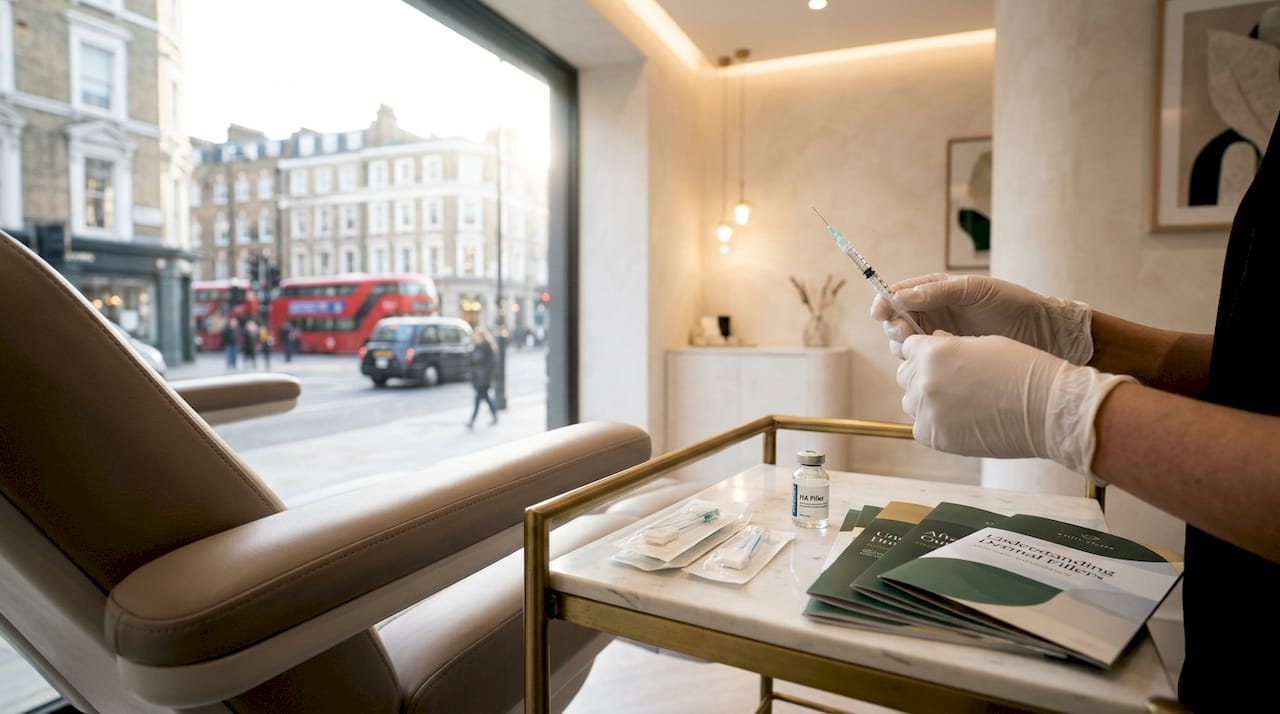
Biostimulants such as calcium hydroxyapatite (CaHA) take a different approach. Rather than adding immediate volume, they stimulate your skin to produce its own collagen over several months. The result is improved skin texture, firmness, and a more gradual, natural-looking improvement.
Key perioral rejuvenation techniques at a glance:
- Dermal fillers for volume restoration and border definition
- Botulinum toxin for dynamic wrinkles and corner lifting
- CaHA biostimulants for long-term collagen stimulation
- Skin resurfacing (laser or dermabrasion) for surface texture improvement
- Combination protocols for balanced, natural outcomes
Pro Tip: Ask your practitioner about the difference between Botox and fillers before your consultation. Knowing what each does independently helps you have a far more productive conversation about what you actually need.
Why a multiprocedural approach matters for lasting results
Understanding individual treatments sets the stage to appreciate why combining them produces the most reliable outcomes. Facial ageing isn’t a single-layer problem, and perioral rejuvenation benefits are greatest when treatment addresses every level.
Think of the face as a building with foundations, walls, and a surface finish. If you only repaint the exterior without fixing the structure, the results won’t last. The same principle applies here. A layered approach using CPM-HA fillers, CaHA biostimulators, MFU-V (micro-focused ultrasound with visualisation) ultrasound, and incoBoNT-A provides 12–24 months of neocollagenesis beyond fillers alone. That’s a meaningful difference in how long your results last.
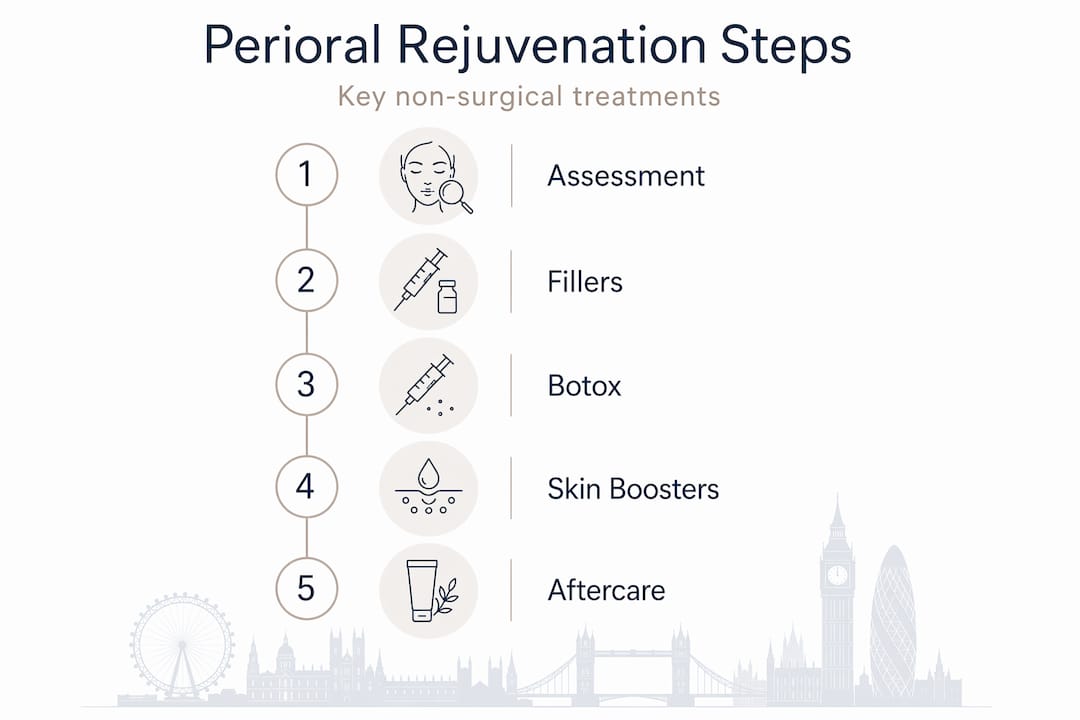
The stepwise treatment sequence matters too. Experienced practitioners typically follow this order:
- Address deep structural support by stimulating collagen in the deeper tissue layers with biostimulants or ultrasound therapy.
- Restore volume with appropriate dermal fillers in the lips, philtrum columns, and oral commissures.
- Refine surface quality with neurotoxins for dynamic lines and resurfacing treatments for texture.
- Review and balance the full perioral zone in context of the rest of the face to maintain proportionality.
Here’s how key treatment modalities compare:
| Treatment | Primary action | Onset | Duration |
|---|---|---|---|
| Hyaluronic acid filler | Volume restoration | Immediate | 6–12 months |
| CaHA biostimulant | Collagen stimulation | Gradual (weeks) | 12–18 months |
| Botulinum toxin | Muscle relaxation | 3–7 days | 3–4 months |
| MFU-V ultrasound | Deep tissue tightening | Gradual (months) | 12–24 months |
| Laser resurfacing | Surface texture renewal | Immediate (healing required) | Long-term |
Importantly, the perioral region is often overlooked, which can undermine an otherwise excellent full-face rejuvenation. A multiprocedural approach tailored to individual needs produces balanced, long-lasting results that a single treatment simply cannot match.
If you’re comparing your options, reviewing polynucleotides versus fillers and the full range of anti-ageing treatments available in London will give you a broader picture of what’s possible beyond the standard filler appointment.
Pro Tip: The best outcomes aren’t always achieved in a single session. A practitioner who suggests a phased treatment plan over several months is prioritising your long-term results over short-term revenue.
Realistic expectations and treatment considerations in London
Knowing the treatments and their combined benefits, it’s crucial to set realistic expectations. London patients, in particular, tend to prioritise minimal disruption to their busy lives alongside visible, natural improvement.
Several important realities are worth understanding before you book:
- Not every concern requires fillers. Patients with significantly elongated upper lips may achieve better results from a surgical lip lift combined with nano-fat grafting than from fillers alone, which can improve projection and satisfaction where anatomy is the root cause.
- Overfilling is a real risk. Large-volume upper lip fillers can create the “duck-lip” effect that most patients actively want to avoid. Conservative volumes, precise placement, and a practitioner with an excellent eye for facial proportion are non-negotiable.
- Skin resurfacing requires downtime. Post-laser swelling lasts 7–10 days; dermabrasion offers effective resurfacing with less scarring for perioral wrinkles, which makes it a practical alternative for those who prefer a gentler recovery profile.
- Results are cumulative. Biostimulants and collagen-building treatments improve over weeks to months. The final result at six months often looks better than at six weeks.
For London patients who want to explore non-invasive options first, top non-surgical treatments currently available offer genuine results without surgical commitment.
Pro Tip: Book your perioral rejuvenation treatments well in advance of any significant events. Even “no-downtime” procedures like filler can involve temporary swelling for a few days, and planning ahead allows you to look your best when it matters most.
How to choose the right perioral rejuvenation treatment for you
With clear expectations established, the next step is identifying exactly which treatments suit your individual anatomy and lifestyle. A patient-centred assessment considering facial anatomy, ageing level, and aesthetic goals guides treatment choice for the best outcomes. Here is a practical framework for approaching that decision:
- Identify your primary concern. Is it volume loss in the lips? Vertical lines? Drooping corners? Or an upper lip that appears longer than it used to? Each concern points toward different treatments.
- Assess your tolerance for downtime. Injectables typically require minimal recovery; resurfacing treatments involve up to 10 days of healing.
- Seek expert guidance, not just a treatment menu. Look for practitioners experienced with multiprocedural approaches who will assess your anatomy rather than simply recommending what’s popular.
- Discuss combination options openly. A quality practitioner will explain the role of fillers, neurotoxins, biostimulators, and skin treatments in the context of your face.
- Request a personalised plan. There is no single “standard” perioral rejuvenation protocol. Your plan should reflect your unique facial structure, skin quality, and long-term goals.
Understanding how to choose dermal fillers and why choosing fillers in London from an experienced clinic matters will help you ask the right questions during your consultation.
Why focusing on the perioral zone transforms your facial rejuvenation journey
In our experience, the perioral zone is where the most meaningful rejuvenation gains are often left on the table. Many patients invest thoughtfully in their cheeks, eyes, and jawline, then wonder why their overall result feels slightly off. The answer, more often than not, is the mouth area.
The perioral region is often called the “forgotten area” that can undermine excellent facial rejuvenation outcomes if neglected. We’ve seen this firsthand — patients who’ve had beautiful cheek and brow work done, yet still look older than they feel, simply because the corners of their mouth droop or their upper lip has lost its lift.
What makes perioral ageing so emotionally significant is that the mouth is the centre of expression. A slightly downturned corner doesn’t just add years to your appearance; it changes how others read your mood and demeanour. Restoring that upward lift, that subtle fullness in the philtrum, and that defined border around the lips does something powerful. It brings your face back into alignment with how you actually feel.
The most satisfying facial rejuvenation outcomes we see are always those where the perioral region has been genuinely assessed, treated thoughtfully across multiple layers, and revisited over time. It’s not about one treatment. It’s about a considered, evolving strategy that honours the complexity of how your face ages.
Explore perioral rejuvenation treatments at The Aesthetics Room in London
At The Aesthetics Room, we believe every great result begins with understanding your unique anatomy and what you genuinely want to achieve. Our team in Knightsbridge brings together expertise in dermal fillers, Botox treatments, biostimulants, and advanced skin resurfacing to create truly personalised perioral rejuvenation plans.
We don’t believe in one-size-fits-all solutions. We assess each patient’s facial anatomy, skin quality, and aesthetic goals before recommending a layered, phased approach that delivers natural, balanced results. Whether you’re addressing fine lines, volume loss, or mouth corner droop, we’ll guide you through the right combination of treatments to restore confidence and youthful expression. Explore our top non-surgical treatments or book a consultation with our expert team today.
Frequently asked questions
What exactly does perioral rejuvenation treat?
It targets signs of ageing around the mouth, including lip volume loss, fine lines, elongated upper lip, and downturned mouth corners. Perioral rejuvenation addresses the lips, philtrum, and oral commissures to restore a more youthful appearance.
Are dermal fillers the only option for perioral rejuvenation?
No. Effective perioral rejuvenation often combines fillers with neurotoxins, biostimulators, and sometimes minor procedures such as lip lifts. A layered approach using multiple modalities produces superior outcomes compared to fillers alone.
How long do non-surgical perioral rejuvenation results last?
Results vary by treatment type, but combined protocols including biostimulators can maintain effects for 12–24 months of neocollagenesis before further treatment is recommended.
What recovery can I expect after skin resurfacing around the mouth?
You can expect 7 to 10 days of swelling and stiffness after laser treatment. Dermabrasion offers effective resurfacing with less scarring than laser for perioral wrinkles, making it a practical alternative for those with limited downtime.
Can men benefit from perioral rejuvenation treatments?
Absolutely. Many men seek non-surgical perioral enhancements to reduce wrinkles and restore youthful lip shape, with tailored approaches designed to preserve naturally masculine facial proportions.
Recommended
- Facial Contouring Explained: Safe London Enhancements – The Aesthetics Room
- Jawline Contouring Guide London 2026: 90% Satisfaction – The Aesthetics Room
- Skin rejuvenation benefits: expert guide for Londoners – The Aesthetics Room
- Skin rejuvenation tips: Advanced London treatments for radiant results – The Aesthetics Room