

TL;DR:
- Proper post-treatment care depends on the specific cosmetic procedure received and focuses on minimizing complications and enhancing results. Recent evidence suggests that many traditional restrictions are unnecessary, emphasizing hygiene, gentle skincare, sun protection, and monitoring for warning signs. Personalized guidance and expert support from qualified practitioners, like those at The Aesthetics Room, ensure safe recovery and optimal outcomes.
Getting a cosmetic treatment in London is only half the journey. What you do in the hours and days afterwards shapes your results just as much as the procedure itself. Yet many clients leave their appointments armed with vague or outdated aftercare instructions that create confusion, unnecessary anxiety, and sometimes avoidable complications. This post-treatment care guide cuts through the noise. We cover what to prepare before your appointment, how to care for your skin and body during recovery, and how to track your progress with confidence, all grounded in current clinical evidence and practical wisdom from experienced practitioners.
Table of Contents
- Understanding your post-treatment care needs
- What to prepare before your cosmetic procedure
- Post-treatment care steps for safe recovery and optimal results
- Common post-treatment mistakes and how to avoid them
- What to expect during recovery and how to track your progress
- Rethinking traditional post-treatment care: evidence versus habits
- Post-treatment care with The Aesthetics Room: expert support for luxury London clients
- Frequently asked questions
Key Takeaways
| Point | Details |
|---|---|
| Preparation is crucial | Disclosing medications and avoiding blood thinners before treatment support safer recovery. |
| Post-care varies by procedure | Botox, fillers, laser treatments and liposuction each require tailored aftercare steps. |
| Strict restrictions may be outdated | Recent research suggests many prolonged post-Botox restrictions lack strong evidence. |
| Prevent infection and bruising | Sterile technique and bruising prevention remain top priorities for safe recovery. |
| Track progress and follow up | Monitoring healing and scheduling follow-ups ensures optimal results and addresses concerns. |
Understanding your post-treatment care needs
Every aesthetic treatment demands a different approach to aftercare. A session of botulinum toxin (Botox) carries very different recovery needs than a laser resurfacing treatment or a dermal filler procedure. Understanding those differences is the foundation of any good care guide for recovery.
One of the most important shifts in recent thinking is that many traditional aftercare restrictions may not be as necessary as once believed. A 2025 clinical study found that many post-injection restrictions for botulinum toxin lack strong scientific evidence, with infection prevention and bruising management remaining the genuine priorities. This does not mean aftercare is optional. It means the focus should be placed where it genuinely matters.
Here is how aftercare needs vary by procedure type:
- Botox and anti-wrinkle injections: Focus on hygiene, avoiding pressure on treated areas, and bruising prevention. Our step-by-step Botox guide explains the full process in detail.
- Dermal fillers: Require gentle skincare, swelling management, and avoiding heavy pressure or heat for the first 24 to 48 hours. For a full breakdown, our dermal filler aftercare guide covers everything you need.
- Laser treatments: Demand diligent sun protection, gentle moisturising, and avoidance of harsh products during healing.
- Body contouring and fat dissolving: Often require compression wear, limited physical exertion, and patience as results emerge gradually over several weeks.
Tailoring your aftercare instructions to the specific treatment you have received is not just sensible. It is essential for protecting both your safety and your investment.
What to prepare before your cosmetic procedure
Good post-procedure care actually begins before you walk through the clinic door. The steps you take in the days leading up to your appointment directly influence how smoothly your recovery unfolds.
Avoiding agents that impair blood clotting before injections is vital to minimising bruising risk and preventing complications. This includes non-steroidal anti-inflammatory drugs (NSAIDs) such as ibuprofen, aspirin, and certain supplements like fish oil, vitamin E, and ginkgo biloba.
Follow this pre-treatment patient care checklist in the days before your appointment:
- Disclose all medications and supplements to your practitioner at consultation, including herbal remedies and blood thinners
- Avoid NSAIDs and alcohol for at least 48 hours before treatment where possible
- Arrive with clean, makeup-free skin to reduce infection risk and help your practitioner assess your skin accurately
- Hydrate well in the 24 hours before your appointment, especially for skin-based treatments
- Follow your clinic’s specific guidelines which may include avoiding vitamin C serums, retinoids, or actives for a few days beforehand
Understanding exactly how anti-wrinkle injections work also helps you set realistic expectations and ask the right questions before treatment begins. Informed clients recover with far greater confidence.
With preparation covered, let’s walk through the essential care steps immediately after your treatment.
Post-treatment care steps for safe recovery and optimal results
Having prepared properly for your treatment, following these steps ensures a smoother and safer recovery.
Research published in 2025 confirmed that limiting post-care to 10 minutes after botulinum toxin injections shows no increase in complications or reduction in patient satisfaction. That is a meaningful finding. It means you do not need to spend your evening lying rigid on your sofa. However, smart self-care after treatment still matters.
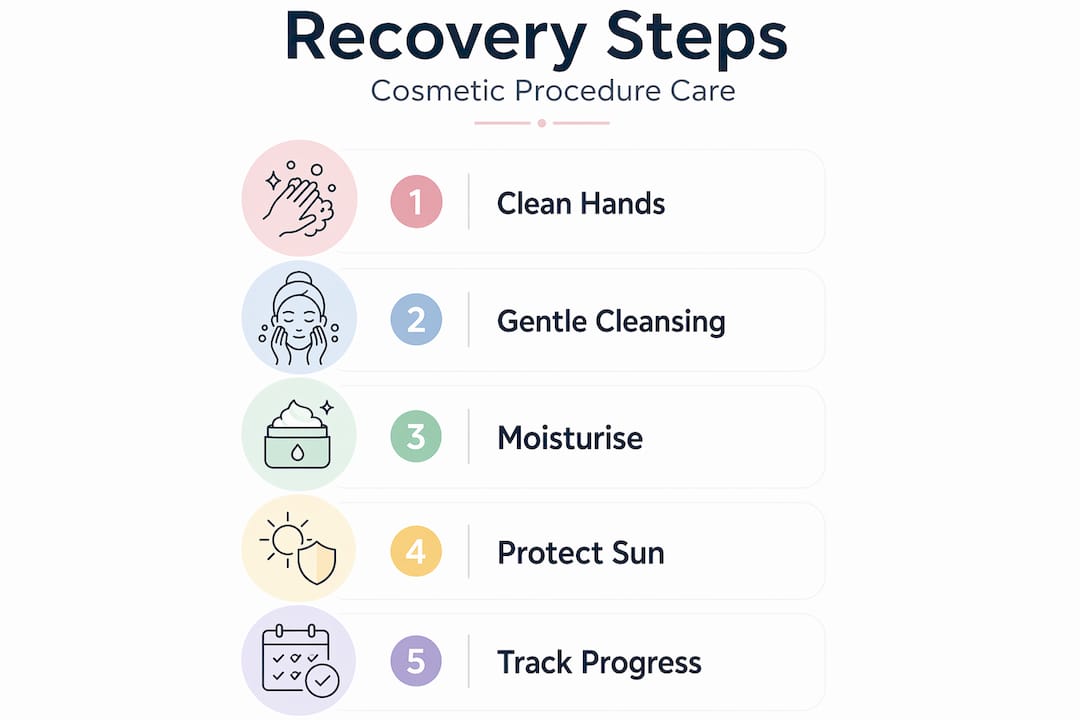
Step-by-step post-treatment care guide for common procedures:
- In the first 30 minutes: Avoid touching, rubbing, or applying pressure to treated areas. Stay in your clinic’s recovery area if advised.
- First 4 hours: For Botox, remain upright and avoid strenuous activity. You may resume gentle daily tasks.
- First 24 hours: Avoid alcohol, intense heat (saunas, hot showers), heavy exercise, and direct sun exposure.
- Days 2 to 7: Focus on gentle cleansing, adequate hydration, and applying any prescribed topicals as directed.
- Week 2 onward: Resume your normal skincare routine gradually; introduce active ingredients only once healing is confirmed.
For laser treatments specifically, proper skincare including gentle cleansing and moisturising supports the healing process and reduces the risk of post-inflammatory hyperpigmentation.
Pro Tip: Apply a cold compress (not ice directly on skin) within the first few hours of injection treatments to reduce swelling and bruising. Keep it wrapped in a clean cloth and apply for ten minutes on, ten minutes off.
Aftercare comparison by treatment type:
| Treatment | Makeup-free period | Exercise restriction | Sun protection | Specialist skincare |
|---|---|---|---|---|
| Botox | 4 hours | 24 to 48 hours | Recommended | Gentle only |
| Dermal fillers | 24 hours | 24 to 48 hours | Essential | Hyaluronic-based moisturiser |
| Laser resurfacing | 5 to 7 days | 1 to 2 weeks | Critical for months | Repair serums, no actives |
| Fat dissolving | Not applicable | 48 to 72 hours | Recommended | Gentle hydration |
For detailed Botox aftercare steps and filler recovery tips, we recommend reviewing our treatment-specific guides. If you are considering injectable treatments, our safe cosmetic injectables guide covers the full picture for London clients.
Warning signs that require urgent medical attention:
- Severe or worsening pain at the injection or treatment site
- Skin turning white, grey, or mottled (possible vascular compromise)
- Blurred or lost vision after facial injections
- Significant asymmetry or hard lumps that develop hours after fillers
- Spreading redness, warmth, or fever indicating possible infection
Common post-treatment mistakes and how to avoid them
Avoiding these common pitfalls helps protect your results and wellbeing as you recover.
Even well-prepared clients make avoidable errors in the days after treatment. Many stem from impatience or from following well-meaning but inaccurate advice found online. Strenuous exercise and alcohol should be avoided for 24 to 48 hours post-treatment to meaningfully reduce bruising and the risk of complications. Yet this is one of the most frequently ignored recovery tips.
The most common mistakes after cosmetic procedures:
- Returning to the gym too soon. Elevated heart rate and blood pressure increase bruising risk and can cause filler to shift before it has fully settled.
- Applying makeup within the first few hours. Bacteria on brushes and sponges can enter micro-wounds left by needles, raising infection risk.
- Using harsh actives too quickly. Retinoids, glycolic acid, and strong vitamin C serums applied during the healing phase can irritate sensitised skin and delay recovery.
- Sleeping face-down after fillers. Pressure on treated areas in the first 24 to 48 hours can affect placement and increase swelling.
- Dismissing unusual symptoms. Many clients assume swelling or redness is normal and wait too long before contacting their clinic.
Pro Tip: Take a clear, well-lit photo of the treated area before you leave the clinic, then again at 24 hours, 72 hours, and one week post-treatment. This creates a visual record that helps your practitioner assess your recovery and track results accurately at your follow-up appointment.
For a broader view of what separates good outcomes from disappointing ones, our guide on post-treatment mistakes to avoid is well worth reading before your next appointment.
What to expect during recovery and how to track your progress
Understanding recovery milestones helps you confidently track healing and know when to consult your clinic.
One of the most common sources of anxiety after a cosmetic procedure is not knowing what is normal. Swelling that looks dramatic on day two can be entirely expected. Results that seem underwhelming at day three may look beautiful at day fourteen. Context matters enormously here.

Botox effects typically appear over 3 to 14 days and last around 3 to 4 months, while dermal fillers last between 6 and 18 months depending on the product type and the area treated.
Recovery and results timeline by treatment:
- Days 1 to 3: Expect redness, minor swelling, and possible bruising at injection or treatment sites.
- Days 4 to 7: Swelling begins to subside; laser treatment crusting or peeling may occur; filler starts to integrate.
- Days 8 to 14: Results become more visible; Botox reaches peak effect; skin texture improves after laser.
- Weeks 3 to 6: Final results of fillers and body contouring procedures become apparent.
- Months 3 to 6: Consider scheduling a follow-up or maintenance treatment.
Expected results and maintenance schedule:
| Treatment | Visible results | Duration of results | Recommended maintenance |
|---|---|---|---|
| Botox | 3 to 14 days | 3 to 4 months | Every 3 to 4 months |
| Dermal fillers | 1 to 2 weeks | 6 to 18 months | Every 9 to 18 months |
| Laser resurfacing | 2 to 4 weeks | Long-lasting with sun protection | Annual or as advised |
| Fat dissolving | 4 to 8 weeks | Long-lasting with stable weight | 2 to 4 sessions initially |
Understanding treatment recovery timelines in advance removes guesswork and helps you plan your treatment around important events or commitments.
Rethinking traditional post-treatment care: evidence versus habits
There is a quiet but important shift happening in how clinicians think about post-treatment instructions, and it deserves honest discussion.
For years, practitioners routinely advised clients not to bend over, lie down, exercise, or touch their face for hours or even days after Botox. These instructions felt thorough and responsible. The problem is that the scientific rationale behind many of them is far weaker than patients were led to believe.
A large 2025 retrospective study confirmed that omitting extended post-injection instructions does not negatively impact patient satisfaction or complication rates. Botulinum toxin binds to nerve terminals within minutes of injection. Extended positioning restrictions are not protecting you from migration or poor results. They are largely a tradition passed from one practitioner to the next without rigorous scrutiny.
This matters for you as a client because unnecessary restrictions create anxiety, disrupt your day, and can actually undermine your trust in the process when you inevitably deviate from them and nothing goes wrong. It also matters because evidence-based cosmetic care is the only kind worth following.
What genuinely matters is sterile technique during the procedure, clean hands and skin before and after, bruising prevention through sensible preparation, and honest monitoring for warning signs. These are the pillars of a smart self-care after treatment approach, not an elaborate list of restrictions that cannot stand up to clinical scrutiny.
We encourage every client to ask their practitioner: “What is the evidence behind this instruction?” A confident, well-trained practitioner will welcome that question.
Post-treatment care with The Aesthetics Room: expert support for luxury London clients
Ready for expert care that enhances your recovery and results? At The Aesthetics Room, we do not hand you a generic leaflet on your way out the door.
Our aftercare instructions are grounded in current clinical evidence and personalised to your specific treatment, skin type, and lifestyle. Whether you have chosen Botox treatments, dermal filler services, or a more involved skin rejuvenation programme, our practitioners remain accessible to you throughout your recovery. We schedule follow-up appointments as standard, provide clear treatment follow-up tips at every stage, and are CQC-accredited with membership in the ACE Group, reflecting our commitment to patient safety above all else. Your results deserve that level of attention.
Frequently asked questions
How long should I avoid strenuous exercise after cosmetic injections?
It is recommended to avoid strenuous exercise for 24 to 48 hours after treatments like Botox or fillers to reduce the risk of bruising and swelling. Gentle walking is generally fine during this period.
Can I apply makeup immediately after facial aesthetic treatments?
For dermal fillers, wait at least 24 hours before applying makeup; with Botox, makeup can typically be applied after 4 hours, avoiding pressure on treated areas. Always use clean brushes and avoid heavy rubbing.
Is it necessary to stay upright for several hours after Botox injections?
No evidence supports extended post-injection posture restrictions after Botox; a brief observation period is sufficient. You can resume normal daily activities shortly after treatment, focusing on hygiene and bruising prevention.
How soon can I resume my normal skincare routine after laser pigmentation treatment?
Most gentle skincare can be resumed within 1 to 2 weeks, but avoid retinoids and harsh exfoliants for at least this period until the skin is fully healed. Always follow the specific advice given by your treating practitioner.
What signs indicate I should seek urgent medical attention after a cosmetic procedure?
Severe pain, blanching, blurred vision, or significant swelling beyond what was discussed at your appointment all require immediate contact with your clinic or local emergency services. Do not wait to see if these symptoms resolve on their own.