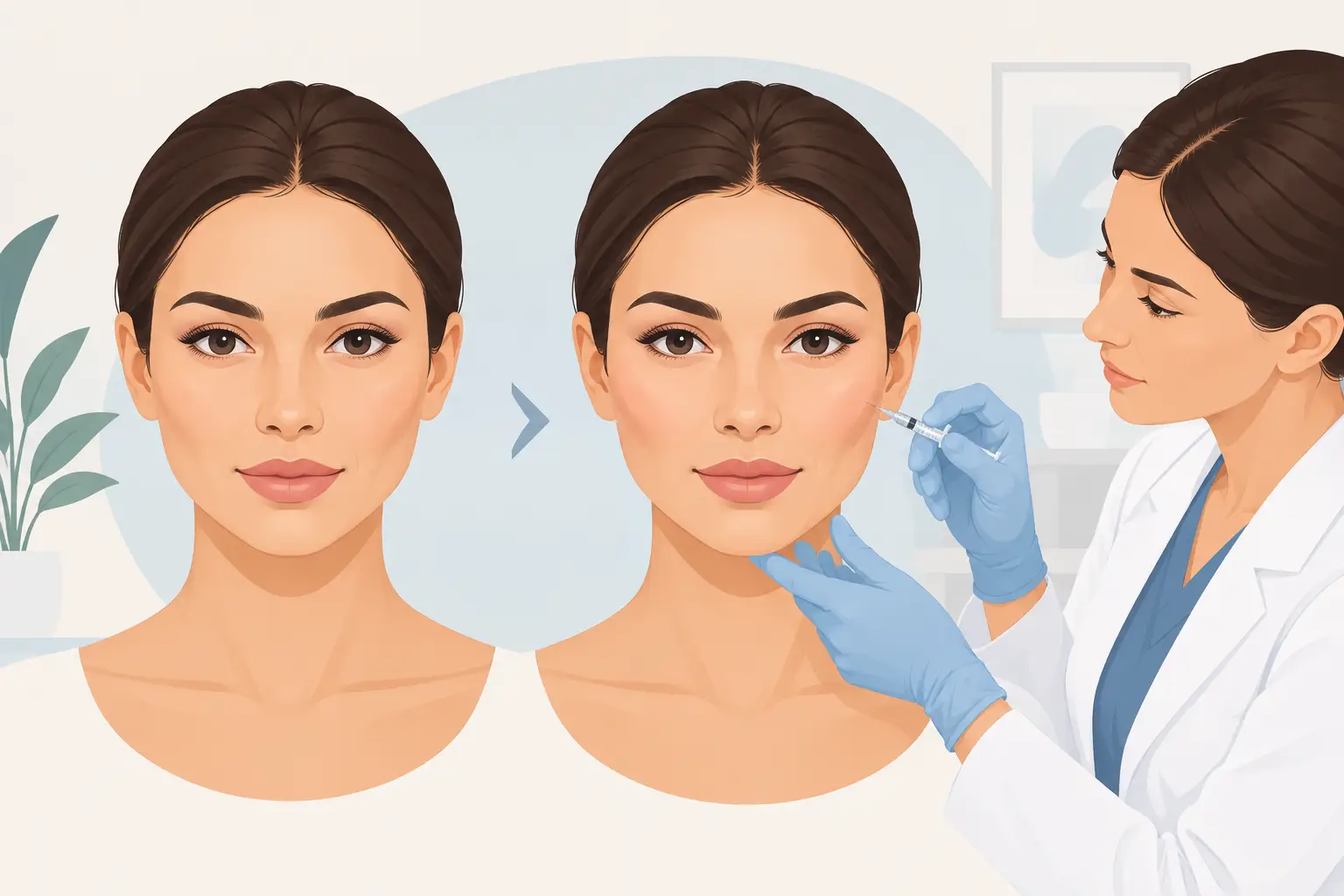
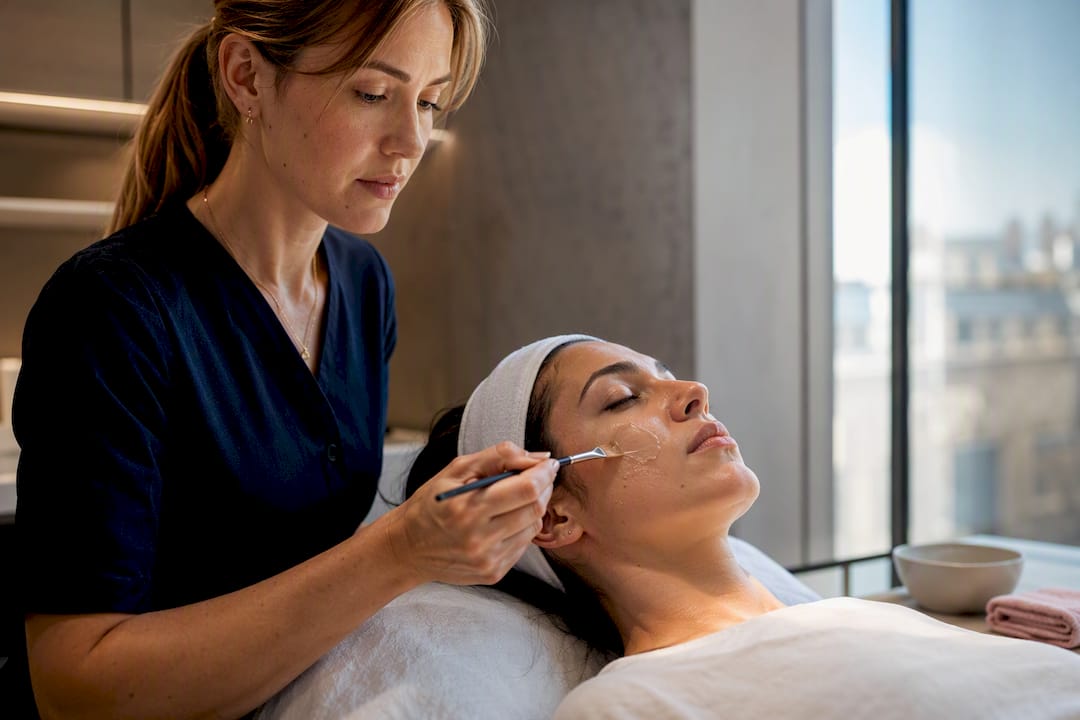

A single superficial peel in London typically costs £80 to £180, a medium-depth peel £250 to £550, and a deep peel £600 to £1,200 or more per session. London consistently runs above the UK average because of clinic positioning, practitioner grade, and product cost. Every reputable clinic requires a consultation first, so the final quote depends on your skin, your goals, and the bespoke plan built around them.
TL;DR:
- London chemical peel prices are typically 40% to 70% higher than regional UK rates, with superficial peels costing around £80 to £180 per session.
- The final quote depends on factors such as clinic location, practitioner grade, product brand, concentration, and whether extras like aftercare are included.
- More advanced or personal treatment plans involving medical oversight can exceed the standard upper price range but often provide higher safety and tailored results.
- A proper consultation should detail the exact acid, concentration, and expected downtime, and can often be deducted from treatment costs if booked and done in the same clinic.
- Cheap or vague quotes may indicate lower-grade ingredients, less medical oversight, or shorter treatment times, so verifying credentials and board certification remains crucial.
Table of Contents
- How much do chemical peels cost in London compared with the rest of the UK?
- What affects how much a chemical peel costs?
- What do superficial, medium and deep peels actually cost and deliver?
- What should you budget for consultation and aftercare?
- Is a chemical peel available on the NHS in the UK?
- How do you know if a quoted price is reasonable?
- What should a reputable London clinic actually provide?
- Balancing cost against safety in London’s peel market
- Book a bespoke chemical peel consultation in London
- Sources
How much do chemical peels cost in London compared with the rest of the UK?
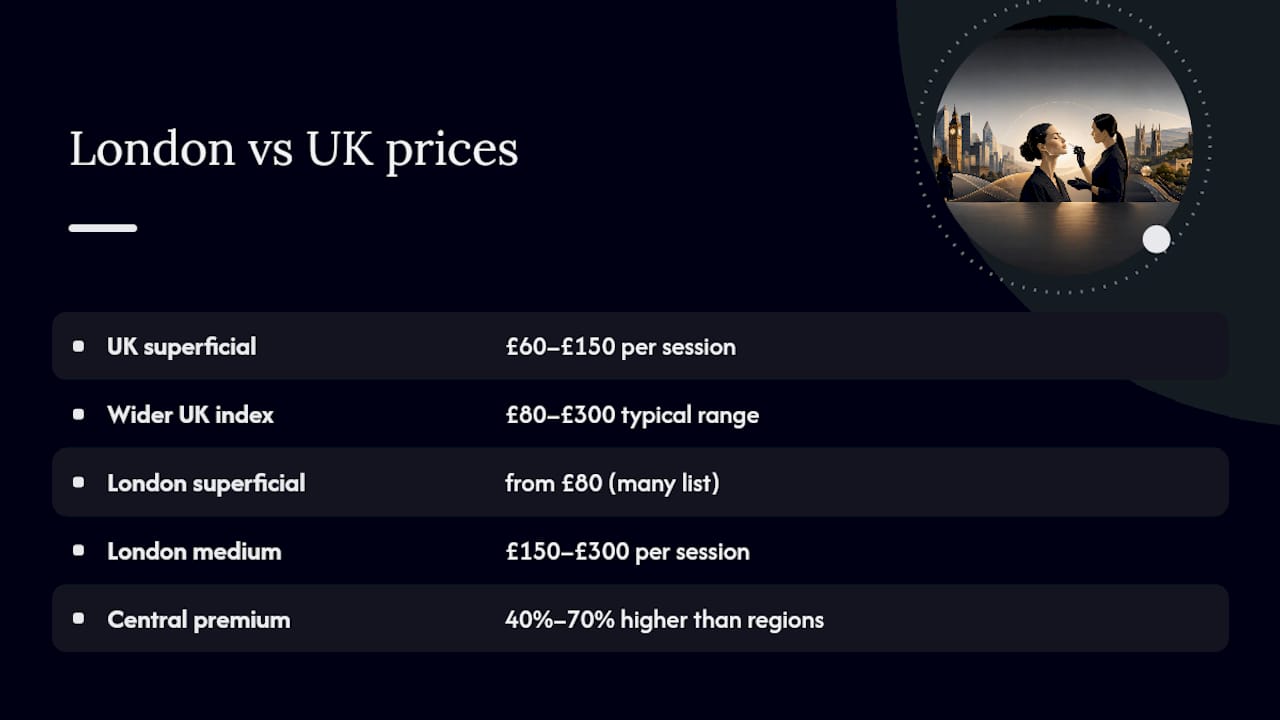
London prices sit well above the national picture, and the gap is not marginal. Across the UK, a single superficial peel session typically costs £60 to £150, with medium-depth peels commonly running within the typical UK range outside the capital. London clinics push both bands higher, and central London specifically tends to charge 40% to 70% more than regional pricing for what is clinically the same treatment.
Some published clinic pages in London list superficial peels starting from around £80, with medium peels beginning closer to £150 to £300 per session before bespoke pricing is applied. A wider UK price index puts general chemical peel costs at £80 to £300, noting London pays a notable premium above national ranges in many treatment categories, so the figures below sit toward the higher end of what you will see nationally.
What this means in practice: a suburban London clinic offering a lunchtime glycolic peel might sit close to the UK average, while a Knightsbridge, Mayfair, or Harley Street address adds a location premium on top of practitioner time and product cost. Central postcodes carry higher rent, higher-grade practitioners, and often longer consultation time, all of which show up in the final price.
Premium clinics with medical oversight, bespoke treatment planning, and structured aftercare can and often do exceed the upper end of these ranges. That is not automatically a red flag. It usually reflects the difference between a walk-in beauty treatment and a medically supervised procedure with a doctor or nurse prescriber involved.
What affects how much a chemical peel costs?
Price differences between clinics rarely come down to the acid alone. Several factors combine to produce the final figure on your quote.
- Location and brand positioning: a meaningful share of the London premium reflects clinic prestige and address rather than a different clinical process, according to industry cost analysis.
- Practitioner grade: a doctor or nurse prescriber performing a medium or deep peel with full medical oversight costs more than an aesthetician offering a superficial treatment.
- Product brand, concentration, and procedure time: clinics tailor the acid blend, strength, and application time to your skin, so two treatments both labelled “chemical peel” can differ substantially in cost and outcome.
- Included extras: homecare kits, SPF, and follow-up appointments may or may not be bundled into the headline price.
- Patch tests: some clinics charge separately for a mandatory patch test before a first treatment, particularly with stronger acids.
Whether your consultation fee is redeemable against treatment also changes how the cost feels upfront. Many London clinics deduct the consultation charge from your first treatment if you go ahead, which softens the initial outlay even when the headline consultation price looks steep.
Pro Tip: Ask the clinic directly whether the exact acid, concentration, and brand will be confirmed before or after your consultation. A quote given without knowing your skin type is a placeholder, not a real price.
Bespoke treatment planning, which customised treatment plans rely on, is one of the biggest hidden cost drivers. A plan built around your pigmentation, scarring, or sensitivity takes longer to design and often costs more than a standard, one-size-fits-all peel menu.
What do superficial, medium and deep peels actually cost and deliver?
Peel depth determines both price and downtime, and confusing the two is the most common mistake people make when comparing quotes.
- Superficial peels use mild acids such as glycolic or salicylic acid to exfoliate the outer skin layer. In London, expect £80 to £180 per session, with little to no visible downtime beyond mild redness for a few hours. Most people need a course of several sessions spaced weeks apart to see meaningful improvement in tone and texture.
- Medium peels, typically using trichloroacetic acid (TCA), reach the upper dermis and target finer lines, sun damage, and moderate acne scarring. London pricing runs within typical London price ranges per session, with visible peeling and redness for several days. A course of multiple sessions is common for acne scar treatment.
- Deep peels, usually phenol-based, penetrate furthest and deliver the most dramatic resurfacing, but they carry the longest recovery and the highest risk. London prices start at a premium level for deep peels, and downtime often runs two weeks or more with significant swelling.
Skin type matters here more than budget does. Darker skin tones face a higher risk of post-inflammatory pigmentation with medium and deep peels, so a cautious, repeated superficial approach is often the safer and, over a year, sometimes cheaper route than one aggressive session.
What should you budget for consultation and aftercare?
A proper consultation is not a formality, it is where your final price gets confirmed. It should cover a full skin assessment, medical history, patch test scheduling if needed, and a written treatment plan showing exactly which acid and concentration will be used.
Aftercare is where quotes diverge most, and it is worth asking about before you book:
- Homecare creams and SPF, which some clinics include and others charge separately.
- A follow-up appointment within one to two weeks to check healing and adjust future sessions.
- Direct clinic contact for urgent concerns during the peeling phase, not just a generic aftercare leaflet.
Three days after a medium peel, expect visible flaking, tightness, and pink new skin underneath, which is normal and part of the process outlined in most clinic aftercare guidance. Contact your clinic promptly if you see unusual swelling, weeping, or signs of infection rather than waiting for your scheduled follow-up.
Maintenance changes your annual spend considerably. A single medium peel might cost a mid-level price, but ongoing sessions for sustained results increase the yearly total accordingly.
Is a chemical peel available on the NHS in the UK?
Cosmetic chemical peels are not usually funded by the NHS. Local commissioning policy classes them alongside dermabrasion and laser treatments as procedures the NHS does not routinely provide, with funding possible only through an Individual Funding Request in exceptional clinical circumstances.
The narrow exception applies to severe, persistent acne scarring causing significant psychological or physical impact, where a consultant-led referral may consider options. NHS Birmingham and Solihull ICB guidance sets out eligibility criteria for this route, and NICE guidance requires clear clinical and cost-effectiveness evidence before any funding is approved.
How do you know if a quoted price is reasonable?
A fair quote is one you can verify, not just one that sounds affordable. Before booking, check these points directly with the clinic.
- Confirm the practitioner’s registration, whether they are a doctor, nurse prescriber, or qualified aesthetician, and ask who is medically responsible for your treatment.
- Check the clinic holds current CQC accreditation, which applies to clinics carrying out certain regulated medical procedures.
- Ask for the exact acid name, concentration, and expected downtime in writing, not a vague “peel package” description.
- Ask who handles your follow-up appointment and how quickly you can be seen if you have a reaction.
Unusually low prices deserve scrutiny rather than excitement. Pricing well below the typical range can point to lower-grade ingredients, shorter treatment time, or reduced medical oversight, all of which matter far more with a medium or deep peel than a light exfoliating one.
Pro Tip: If a clinic cannot answer what acid concentration they use without checking, that is a sign the treatment is not being tailored to you individually.
Proximity to your clinic also carries real weight beyond convenience. Accessible follow-up care reduces the risk of a minor complication becoming a bigger problem, particularly if you have travelled some distance for a one-off treatment.
What should a reputable London clinic actually provide?
The signals that separate a well-run clinic from a cheaper alternative are usually visible before you even book. Theaestheticsroom operates with CQC accreditation and ACE Group membership, both of which speak to structured patient safety standards rather than marketing claims. Detailed treatment pages and aftercare content matter too, because they show a clinic is willing to explain the process rather than sell a vague package.
Bespoke planning and medical oversight are what genuinely justify a higher price tag, not the address alone. A documented treatment plan built around your skin, backed by a practitioner qualified to handle complications, is worth paying for. When comparing clinics, ask to see the same signals for yourself rather than taking a price at face value.
Balancing cost against safety in London’s peel market
Paying above the average makes sense when it buys something concrete: a medically qualified practitioner, a written bespoke plan, and a follow-up appointment you can actually get to quickly. That combination reduces real risk, particularly with medium and deep peels where complications are more likely and harder to self-manage.
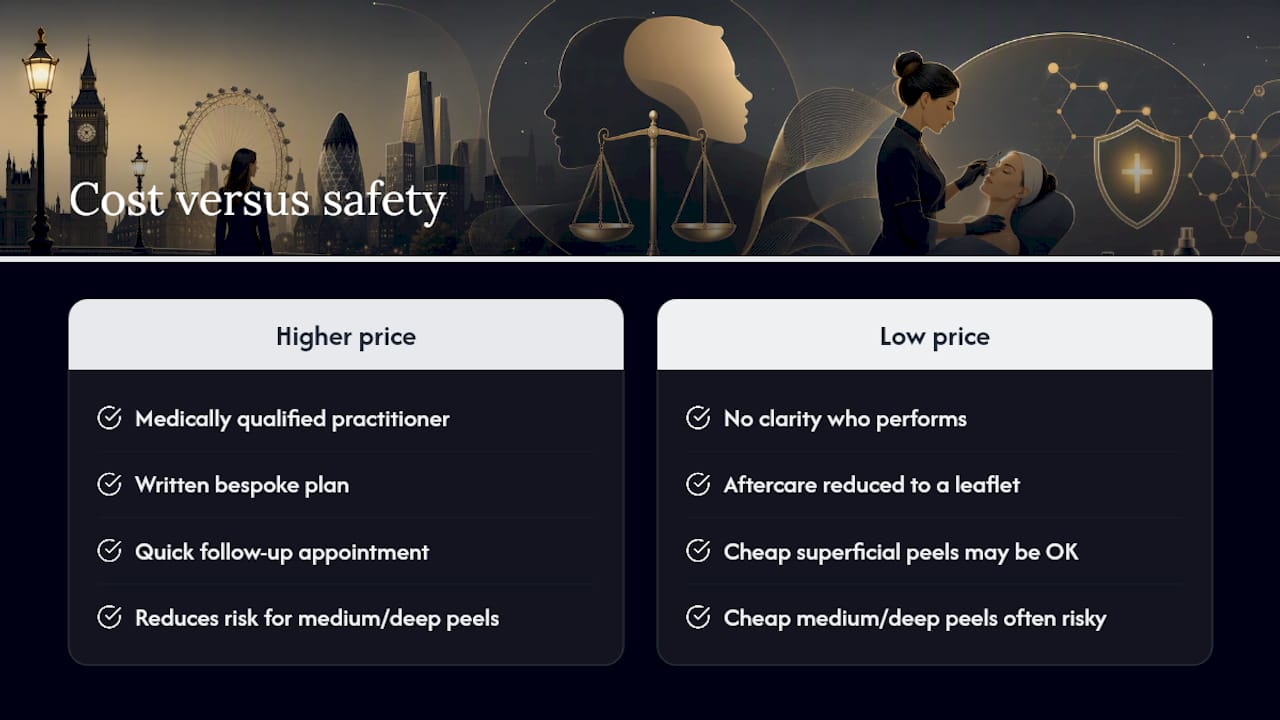
What should give you pause is the opposite pattern: a price well under market range, no clarity on who is performing the treatment, or aftercare reduced to a leaflet. Cheap superficial peels from a qualified provider can be perfectly sound. Cheap medium or deep peels with unclear oversight are where problems tend to surface.
If you are weighing up a quote and something feels vague rather than reassuring, ask more questions before you pay a deposit.
— Vishul
Book a bespoke chemical peel consultation in London
A reputable clinic is the alternative to guesswork pricing for chemical peels in London: treatment plans should be built after a proper skin consultation, not sold off a fixed menu, and delivered under medical oversight.
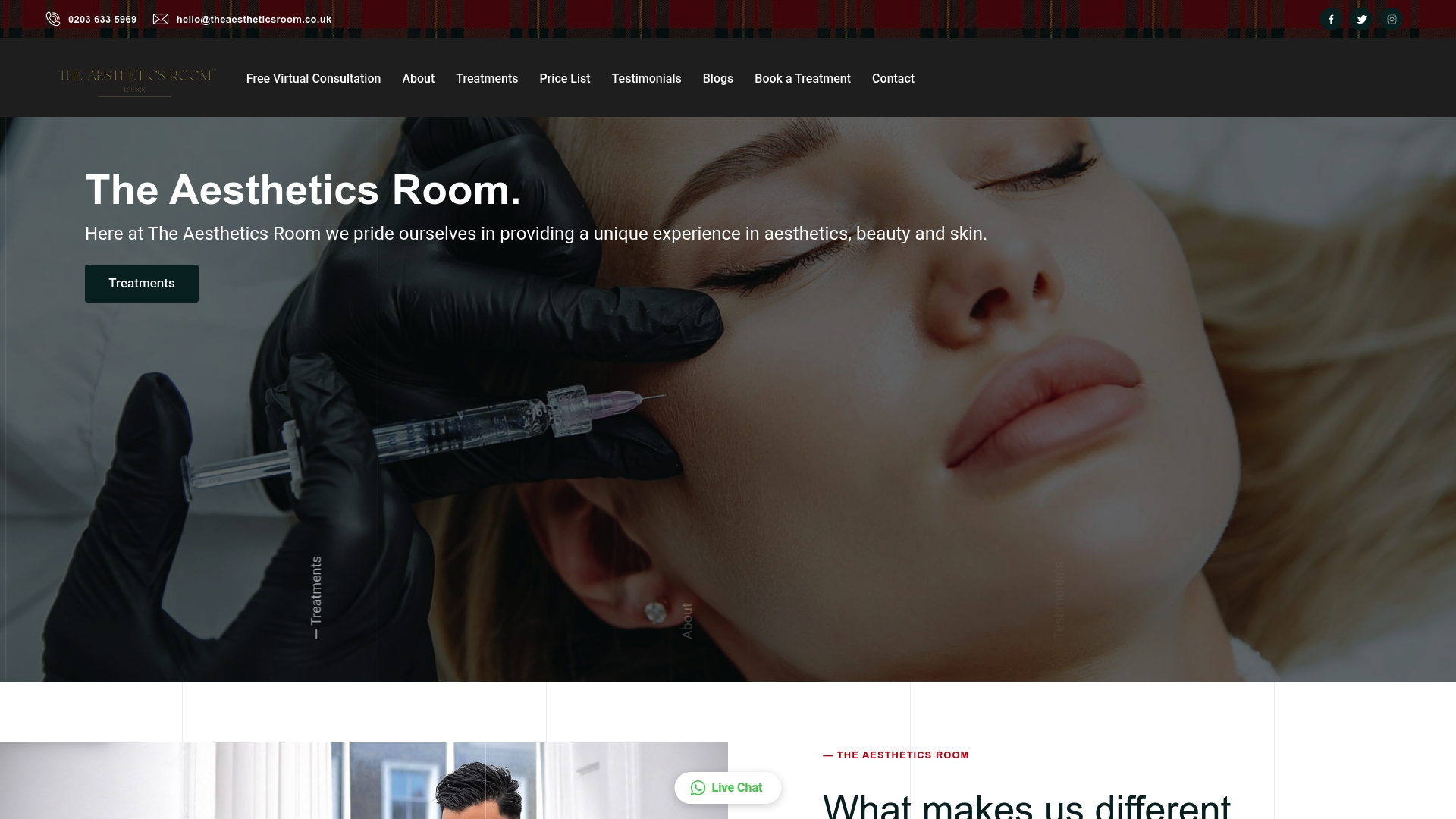
That means the concentration, acid blend, and number of sessions are matched to your skin rather than a standard package, with clear aftercare guidance built into the plan from the start. Where applicable, consultation fees can be redeemable against your treatment, so the assessment itself is not a wasted cost if you decide to go ahead. Given how much peel depth and practitioner grade affect both safety and price, starting with a proper consultation is the most reliable way to know what your treatment will actually cost. Visit the Theaestheticsroom homepage to book a consultation and get a personalised quote based on your skin, not a generic price list.
This article is general information, not a substitute for advice from a qualified doctor. Consult a qualified healthcare professional about your own circumstances before acting on anything here.
Sources
- Chemical Peel Cost UK 2026: From £60 Price Guide
- What aesthetic treatments actually cost in the UK in 2026
- Commissioning policy: cosmetic skin and subcutaneous procedures
- Skin – NHS Birmingham and Solihull ICB