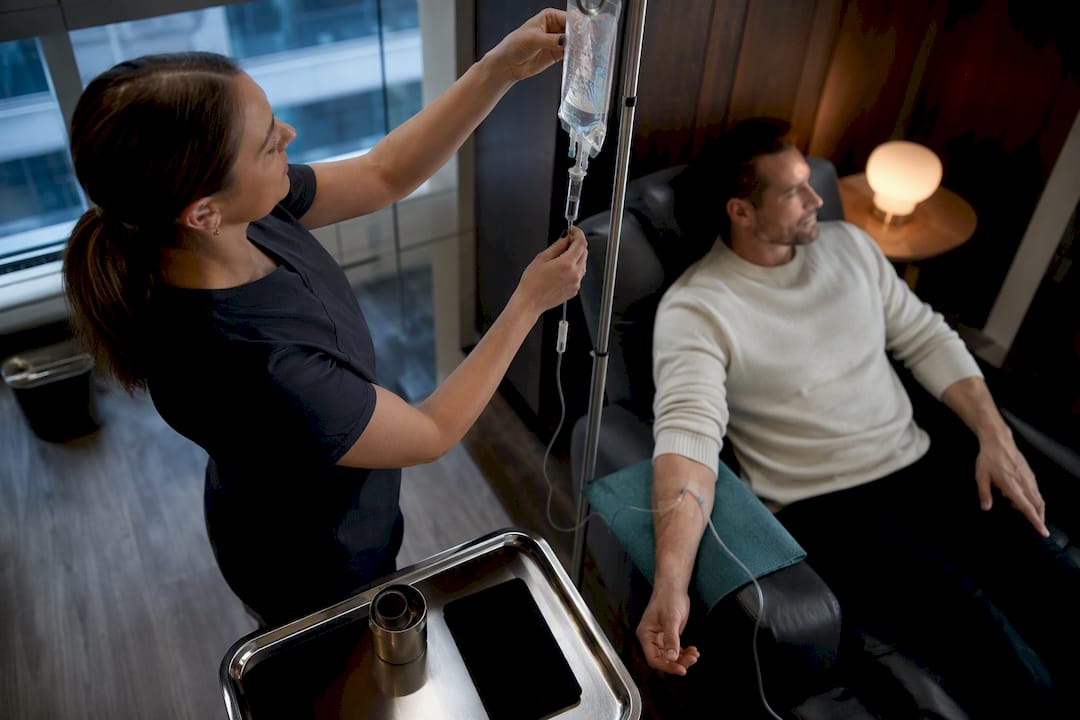


A long week, a packed diary, travel, poor sleep and one too many coffees can leave you feeling flat in a way that no green juice is going to fix by lunchtime. That is often why people start looking into IV vitamin therapy benefits – not as a miracle answer, but as a more direct way to support hydration, recovery and general wellbeing when they want a medically led approach.
What are IV vitamin therapy benefits, really?
IV vitamin therapy delivers fluids, vitamins and nutrients directly into the bloodstream through a drip. Because it bypasses the digestive system, it offers a faster route than oral supplements, which can be affected by absorption issues, diet, gut health and simple inconsistency.
That does not mean it is automatically better for everyone. The real value depends on the person, their health, their goals and the quality of the assessment before treatment. In a clinical setting, the conversation should never begin with a menu of fashionable drips. It should begin with your symptoms, medical history and whether this is actually appropriate for you.
For the right patient, the appeal is straightforward. You may want support after illness, dehydration, intense exercise, travel fatigue or periods of stress. You may simply be looking for a more structured wellbeing plan that sits alongside blood testing, lifestyle changes and medical guidance. The benefit is not just the drip itself. It is the combination of tailored treatment and proper oversight.
The main IV vitamin therapy benefits people seek
The first and most immediate benefit is usually hydration. Many people are mildly dehydrated without fully realising it, especially if they travel frequently, drink alcohol, work long hours or struggle to drink enough water through the day. Rehydration can help you feel more alert and comfortable, and for some patients it can ease that washed-out feeling that follows illness, a late night or intense exercise.
Energy support is another common reason people book treatment. This is where expectations need to stay realistic. IV therapy is not a substitute for sleep, nutrition or investigating the cause of ongoing fatigue. However, if tiredness is linked to dehydration, poor recovery or a period of physical strain, targeted support may help you feel better more quickly.
Recovery is also a major factor. Some patients are interested in support after exercise, travel or demanding work periods. Others want to feel more like themselves after a virus or a run of low energy. In those cases, replenishment can be useful, particularly when paired with sensible aftercare and medical advice.
Skin and general appearance can also enter the conversation, although this area is often oversimplified online. Good hydration supports the way skin looks and feels, but no drip can replace a proper skincare plan, a healthy lifestyle or evidence-based aesthetic treatment. If your aim is brighter, healthier-looking skin, IV therapy may be one part of a wider strategy rather than the whole answer.
Some patients also ask about immune support. That is understandable, especially during periods of stress, frequent travel or seasonal illness. The key point is that support is not the same as prevention or treatment of a medical condition. A responsible clinic should be clear about that distinction.
Why absorption matters
One reason IV therapy attracts attention is bioavailability. When you take supplements by mouth, they have to pass through the digestive system before they are absorbed. That process can vary from person to person. Appetite, gut issues, existing deficiencies, medication and overall health can all affect what your body actually takes in.
With intravenous delivery, nutrients reach the bloodstream directly. In practical terms, that can make treatment feel more efficient for selected patients. It can also be helpful for those who struggle with tablets, have poor appetite after illness, or want support at a point when they are feeling particularly depleted.
Still, faster delivery does not automatically mean more suitable treatment. If your issue is ongoing fatigue, recurrent headaches or low mood, the smarter route may be blood tests and a broader health review before any drip is considered. Premium care should never be rushed care.
When IV vitamin therapy may be worth considering
There are situations where IV therapy can make good sense. Travel is one of them. Frequent flyers, busy professionals and clients moving between meetings, events and long working days often notice the effects of disrupted sleep, dehydration and inconsistent meals. A carefully selected drip may offer useful support when the body feels under strain.
It can also be relevant after periods of intense physical demand. If you train hard, work long shifts or tend to push through exhaustion, recovery tends to become part of maintaining your performance and appearance. Looking well often starts with functioning well.
Another group includes patients who want a more proactive wellbeing plan. In a medically led clinic, IV therapy can sit alongside consultation, testing and lifestyle guidance. That matters because the best results usually come from treating the cause, not only the symptom.
Safety should shape the whole experience
When discussing IV vitamin therapy benefits, safety deserves as much attention as the potential upside. This is not a beauty bar treatment. It is a medical procedure, and the setting, practitioner training, patient screening and emergency protocols all matter.
A proper consultation should cover your medical history, current medications, allergies, symptoms and treatment goals. In some cases, you may be advised not to go ahead, or to have further investigations first. That is a positive sign, not an inconvenience. A clinic that takes time to assess suitability is protecting your wellbeing.
This is especially important if you have kidney issues, heart conditions, blood pressure concerns, certain chronic illnesses or you are pregnant. It is also relevant if you are already taking supplements, as more is not always better. Personalisation is not a luxury extra in this context. It is part of safe practice.
The limits matter too
There is a reason medically credible clinics speak carefully about results. IV therapy can support hydration, replenishment and recovery, but it is not a cure-all. It will not replace sleep, fix long-term burnout, balance hormones, treat an underlying deficiency without investigation, or compensate for consistently poor habits.
That may sound obvious, yet many people arrive expecting to feel transformed after one session. Sometimes they do feel noticeably better, particularly if dehydration is a major factor. Sometimes the change is subtler. And sometimes the right answer is that another route would be more suitable.
For that reason, consultation-led care matters. If a patient is struggling with persistent fatigue, hair thinning, low mood, brain fog or skin changes, those symptoms may warrant blood tests and a broader review. In a high-quality clinic, treatment should be built around what your body is actually asking for, not what happens to be trending.
A personalised approach gives better value
The strongest case for IV therapy is not that everybody needs it. It is that some people benefit from it when it is selected thoughtfully. A bespoke plan takes into account your symptoms, your pace of life and your wider goals, whether those relate to energy, recovery, wellbeing or maintaining a polished appearance under pressure.
For many patients, that tailored approach is what separates a premium clinical experience from a transactional one. You are not simply choosing a drip from a list. You are being assessed properly, advised honestly and guided towards what is most appropriate for you. Sometimes that may include IV therapy. Sometimes it may involve another treatment or a recommendation to investigate further first.
In a setting such as The Aesthetics Room, that level of personalisation is part of the point. Patients seeking wellbeing support in central London are often not looking for something generic. They want professional judgement, high standards of safety and treatment that fits their needs rather than a one-size-fits-all formula.
Is IV vitamin therapy right for you?
The best candidates are usually those with a clear reason for treatment and realistic expectations. If you are run down after travel, feeling depleted after a demanding period, recovering from dehydration, or looking for medically supervised support as part of a broader wellbeing plan, it may be worth discussing.
If your symptoms are persistent, unexplained or worsening, the conversation should start with assessment rather than assumption. That may still lead to IV therapy, but only after the right questions have been asked.
Good aesthetic and wellbeing care should leave you feeling looked after, not sold to. That is particularly true with treatments that sit at the intersection of health, confidence and lifestyle. The real benefit is not simply what goes into the drip. It is knowing the treatment has been chosen for the right reasons, by professionals who take your wellbeing seriously.
If you are considering IV therapy, look for a clinic that treats consultation as part of the treatment itself. The right plan should feel measured, bespoke and medically grounded – because feeling better is always more convincing when it is done properly.