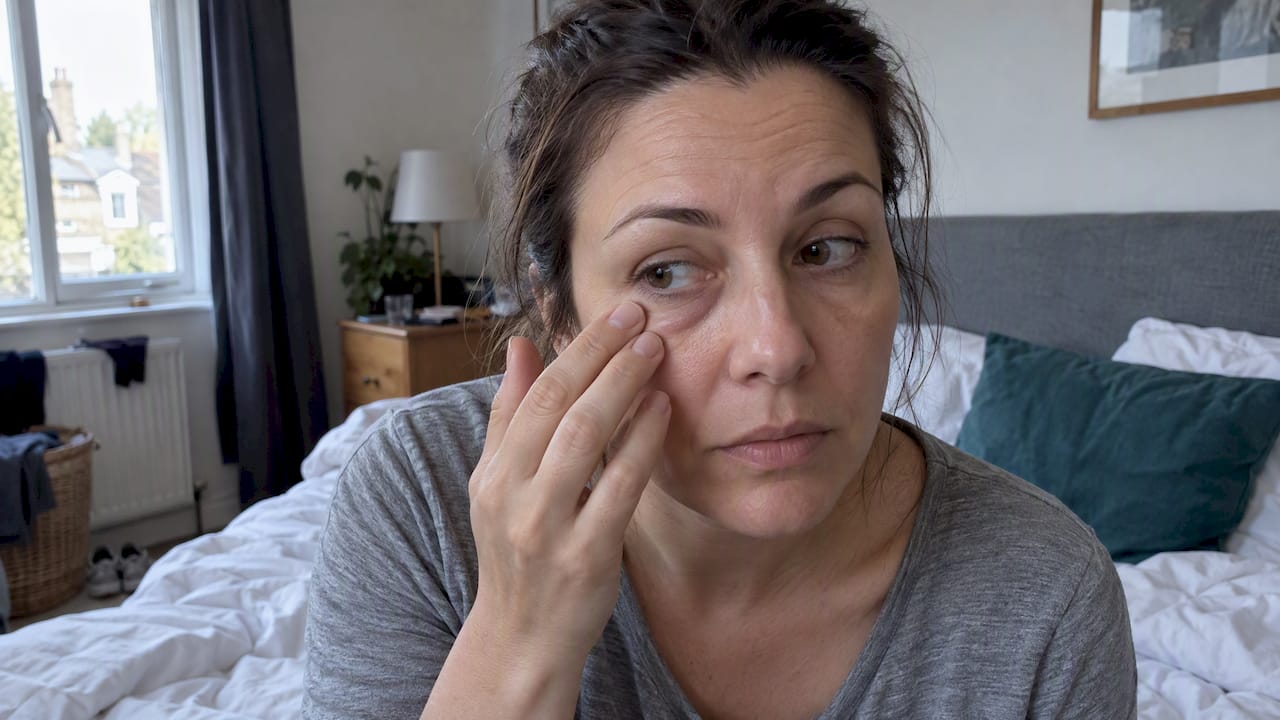
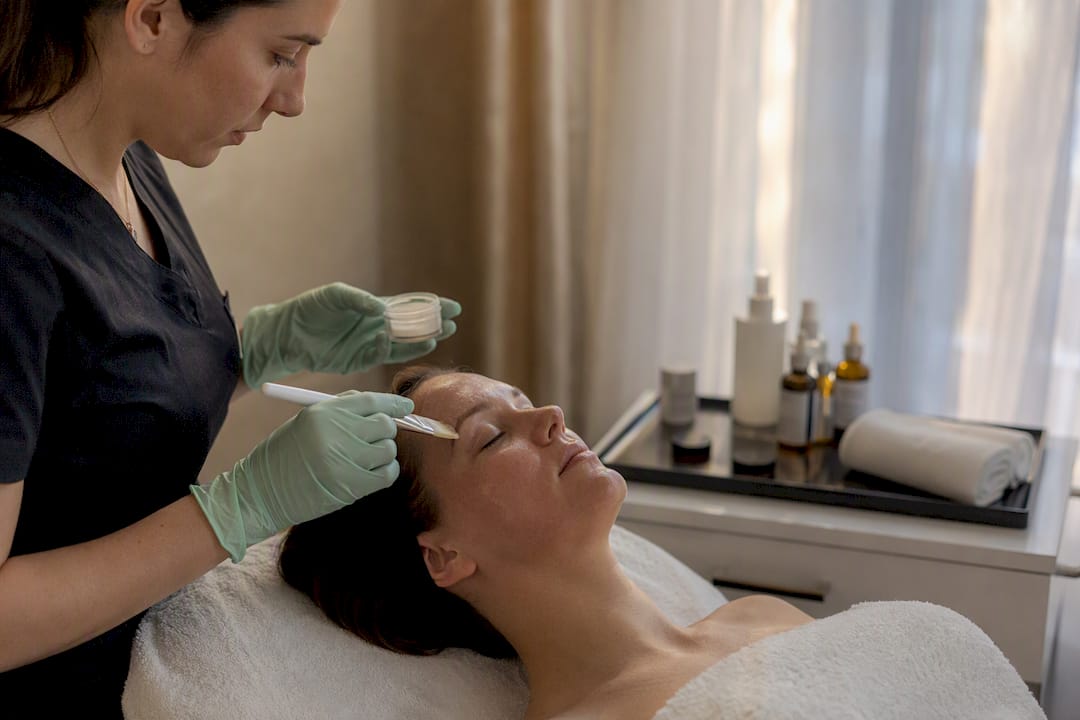

Chemical peels can help many cases of melasma, particularly when the pigment sits in the outer skin layer, but they are not a guaranteed cure and never work as a stand-alone fix. A consensus review of chemical peels for melasma confirms they act as a second-line, adjunct treatment rather than a first choice, while a systematic review of 478 patients found real, measurable improvement across several peel types. At Theaestheticsroom, a CQC-registered London clinic, peels are used only within a wider, personalised plan.
- Main benefit: targeted removal of excess pigment sitting in the epidermis, the skin’s outer layer.
- Main caveat: darker skin types carry a genuine risk of post-inflammatory hyperpigmentation (PIH) if the wrong peel or strength is chosen.
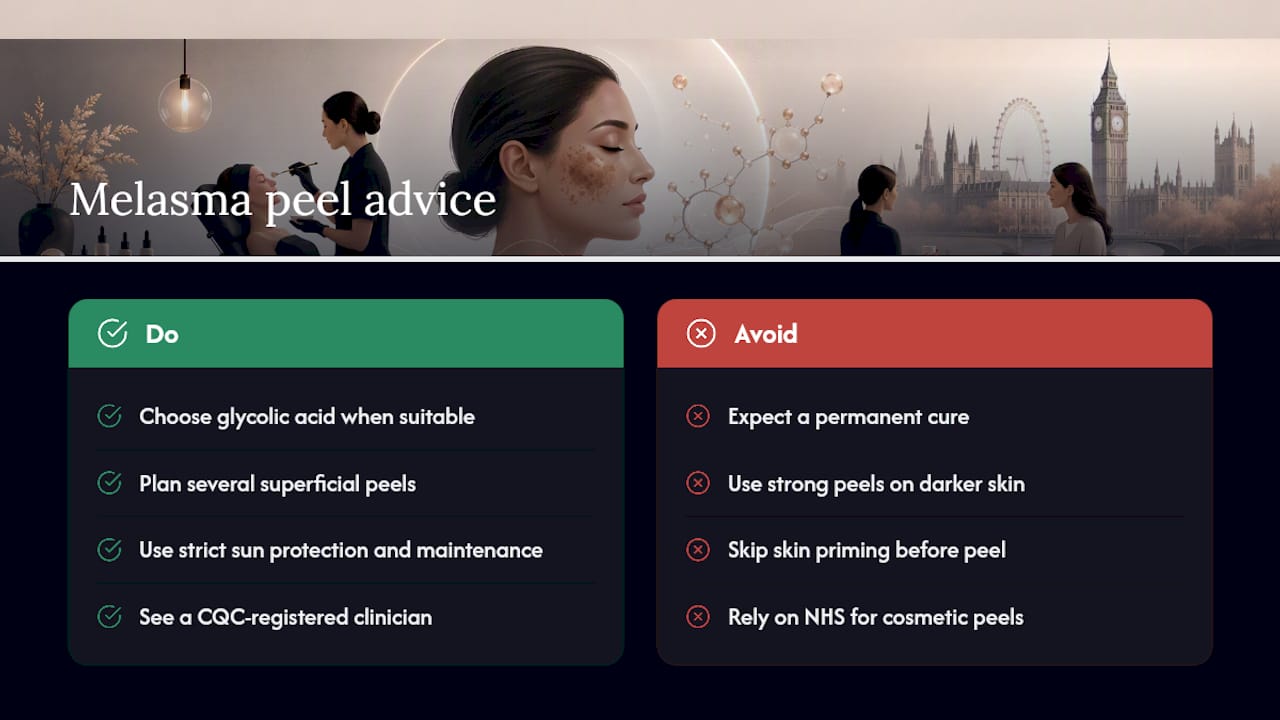
Pro Tip: Melasma has no permanent cure, so treat any peel as one part of a long-term plan involving priming, maintenance and daily sun protection, not a single fix-all session.
Key Takeaways
Melasma chemical peels work best as part of a personalised, multi-step plan involving priming, correct agent selection and lifelong photoprotection, not as a stand-alone fix.
| Point | Details |
|---|---|
| Peels are adjuncts | Chemical peels support topical treatment and sun protection rather than replacing them. |
| Glycolic acid leads the evidence | A review of 478 patients found glycolic acid outperformed TCA on melasma severity scores. |
| PIH is the main risk | Darker skin types face a genuine risk of post-inflammatory hyperpigmentation without careful agent choice. |
| NHS rarely covers this | Most UK patients budget privately, with superficial sessions commonly costing a moderate amount. |
| Choose a CQC-registered clinic | Theaestheticsroom offers doctor-led assessment, patch testing and written aftercare for melasma peel courses. |
Table of Contents
- What is a melasma chemical peel and how does it work?
- Which chemical peels are used for melasma?
- Who is a good candidate for a melasma peel?
- What happens during treatment and aftercare?
- How effective are chemical peels for melasma?
- What are the risks and how are they minimised?
- How much do melasma chemical peels cost in the UK?
- How do you choose a reputable UK clinic for melasma peels?
- How Theaestheticsroom approaches melasma peels safely
- Frequently asked questions about melasma chemical peels
- Sources
What is a melasma chemical peel and how does it work?
A chemical peel applies a controlled acid solution to the skin to remove damaged surface cells and encourage fresh, evenly pigmented skin underneath. Peels are graded by depth, very superficial, superficial, and medium, and depth determines how much they can influence pigment. Very superficial and superficial peels work mainly on epidermal melanin; medium-depth peels reach further but carry far greater risk for melasma-prone skin.
The mechanism is fairly straightforward once you break it down:
- They loosen the bonds between surface skin cells (keratinocytes), lifting away pigmented cells.
- They reduce the transfer of melanin from pigment-producing cells to the surrounding skin.
- They stimulate faster turnover, encouraging fresher skin to replace the discoloured layer.
Guidance from the Primary Care Dermatology Society positions peels as an adjunct to topical treatment and photoprotection, never a replacement for either.
Which chemical peels are used for melasma?
Clinics draw on a fairly small, well-established set of agents, each suited to different skin types and pigment depths.
- Glycolic acid (GA): an alpha-hydroxy acid peel, generally superficial with minimal downtime. The systematic review of 478 patients found GA produced a statistically significant advantage over TCA on melasma severity scores, making it a common first-choice agent.
- Salicylic acid (SA): a beta-hydroxy acid that suits oilier or acne-prone skin. It is preferred by Medscape’s ISD guideline alongside GA as a safer superficial option.
- Trichloroacetic acid (TCA): effective but riskier at higher strengths; medium-depth TCA is specifically flagged against for melasma in most UK-relevant guidance.
- Jessner’s solution: a combination peel (salicylic, lactic acid and resorcinol) often used to prime skin before stronger agents or in low concentrations for gentler exfoliation.
- Tretinoin peel: a retinoic acid formulation that speeds cell turnover; typically used cautiously and often in priming protocols rather than as a stand-alone peel.
- Cosmelan: a proprietary depigmentation peel combining several actives, applied in-clinic then continued at home; it can deliver visible results but demands strict aftercare and photoprotection.
Many practitioners rotate agents or use spot peeling on stubborn patches rather than treating the whole face, which limits exposure and risk. You can see how these agents compare across leading chemical peel solutions used in UK clinics.
Pro Tip: For skin of colour, ask your practitioner to patch test a small area first and start at the lowest effective strength, building up gradually rather than jumping straight to a stronger concentration.
Who is a good candidate for a melasma peel?
Peels work best on epidermal melasma, where pigment sits close to the surface, rather than dermal or mixed melasma, where discolouration runs deeper and responds far less predictably.
Certain situations rule peels out entirely or demand extra caution:
- Pregnancy or breastfeeding.
- Active skin infection, open wounds, or recent isotretinoin use.
- Unrealistic expectations of a single “cure-all” session
- Uncontrolled use of photosensitising medication.
- Very deep, long-standing dermal melasma.
Fitzpatrick skin types IV to VI need particularly careful assessment, since these skin types are more prone to PIH. This is precisely where an experienced, doctor-led clinic matters most, both in agent selection and in priming the skin properly beforehand.
What happens during treatment and aftercare?
Most reputable clinics prime skin for several weeks before the first peel, often using hydroquinone or a triple-combination cream alongside topical retinoids, to reduce inflammation and improve results. A typical course runs to four to six superficial peels, spaced two to four weeks apart, with mild redness and flaking expected for a few days after each session.
Aftercare is where results are made or lost:
- Daily broad-spectrum SPF, ideally a physical (mineral) block, is non-negotiable, since even visible light can worsen melasma according to SkinHealthInfo.
- Avoid direct sun exposure, especially in the days immediately after a peel.
- Watch for excessive redness, blistering or unusual discolouration and contact your clinic promptly if they appear.
Theaestheticsroom’s own aftercare guide sets out the full protocol clients follow between sessions.
Pro Tip: Check your entire skincare routine for fragrance and phototoxic ingredients (certain essential oils, some acids) before starting peels. These can quietly undo weeks of careful priming.
How effective are chemical peels for melasma?
The evidence base is genuinely encouraging but comes with real limits. The systematic review and meta-analysis pooled ten randomised trials and three prospective studies covering 478 patients, and found glycolic acid outperformed TCA on melasma severity scores, while several peel types beat topical hydroquinone alone in some trials.
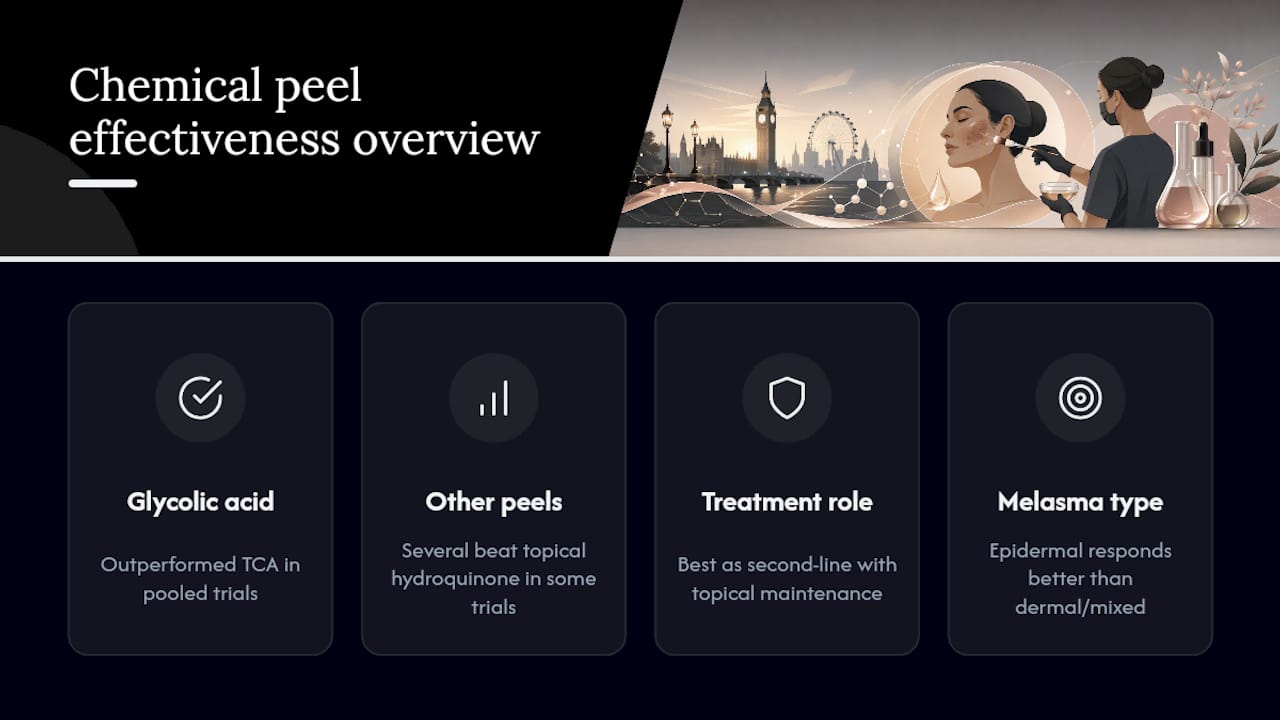
The consensus review is equally clear that peels work best as second-line therapy alongside topical maintenance, not instead of it. Trial follow-up periods tend to be short, study design varies considerably, and results skew far better for epidermal melasma than for dermal or mixed cases. Nobody should expect one course of peels to deliver a lasting result without an ongoing maintenance plan.
What are the risks and how are they minimised?
The biggest risk with any melasma peel is post-inflammatory hyperpigmentation, where the treated skin ends up darker than before, particularly in Fitzpatrick types IV to VI. Other risks include hypopigmentation (patches becoming too light), scarring, infection, and rebound melasma once treatment stops.
Experienced UK clinics reduce these risks through several deliberate steps:
- CQC registration and doctor-led assessment before any peel is agreed.
- Conservative acid strengths and extended priming for darker skin tones.
- Documented patch or test-spot results before a full treatment.
- Written consent, a clear maintenance plan and scheduled follow-up review.
The British Association of Dermatologists is blunt on this point: peels can genuinely worsen pigmentation or cause scarring when performed by inexperienced practitioners, which is exactly why provider choice matters as much as the peel itself.
Pro Tip: Before booking, ask to see a documented patch-test policy and a before-and-after library specific to skin tones similar to your own, not generic marketing photos.
How much do melasma chemical peels cost in the UK?
Prices vary considerably depending on the clinic, the agent used, and what is included. A single superficial peel session in a London clinic typically costs a moderate amount, while medium-depth or specialist peels such as Cosmelan tend to cost more once priming products and follow-up visits are factored in. The British Skin Foundation confirms these procedures are usually not available on the NHS, so most patients budget privately for a full course rather than a single visit.
- Practitioner qualification (doctor or dermatologist versus aesthetician) affects price and, more importantly, safety.
- Clinic location and included priming or aftercare products shift the total cost.
- A course of several sessions costs more upfront but tends to deliver more consistent results than one-off treatments.
Unusually cheap peels are worth treating as a warning sign rather than a bargain, since corners are often cut on assessment, priming or aftercare.
How do you choose a reputable UK clinic for melasma peels?
Look for CQC registration, a doctor or dermatologist-led consultation process, and genuine, documented experience treating skin of colour, since this is where the risk of complications is highest.
At consultation, it is worth asking directly:
- How many melasma patients has this practitioner treated, specifically?
- What priming protocol will I follow before the first peel?
- How many sessions are realistically needed for my pigment depth?
- What rate of PIH have you seen in patients with similar skin tones?
- What happens, and who do I contact, if I have a reaction?
Theaestheticsroom’s guidance on choosing a clinic for cosmetic treatments and its own chemical peel safety checklist both give a useful reference point for these conversations.
Why individualised planning matters more than the peel itself
We have never believed a single procedure fixes melasma. What matters is the plan around it, proper priming, a peel matched to your skin, and disciplined aftercare, sustained over months. Responsible clinics steer clear of medium-depth peels on darker skin and commit to structured follow-up, not a one-off appointment.
How Theaestheticsroom approaches melasma peels safely
Theaestheticsroom is CQC-registered and doctor-led, which means every melasma consultation starts with a proper assessment of your pigment depth and skin type before any peel is recommended. Rather than defaulting to a single “melasma peel” product, treatment is built around your specific skin, priming needs and realistic timeline.

A consultation typically includes:
- A full skin assessment to distinguish epidermal from deeper pigment.
- Patch testing where the skin type or history calls for it.
- Personalised priming advice before any peel session begins.
- Written aftercare instructions and a follow-up plan built into the course.
Pairing a peel course with complementary support, such as targeted topical peptides like Tetrapeptide 30, can also help maintain brightening results between sessions. If you would like a professional opinion on whether a chemical peel suits your melasma, book a consultation through Theaestheticsroom’s skin rejuvenation service and get an assessment tailored to your skin before committing to any course.
Frequently asked questions about melasma chemical peels
Can a chemical peel get rid of melasma completely?
No. Melasma has no permanent cure, and peels typically reduce pigmentation rather than eliminate it entirely, so ongoing maintenance and sun protection remain essential.
Which chemical peel is best for melasma?
Glycolic acid is currently the best-evidenced option, outperforming TCA in melasma severity scores, though salicylic acid, Jessner’s solution and Cosmelan all have specific roles depending on your skin type.
Are chemical peels safe for darker skin tones?
They can be, but only with careful agent selection, conservative strengths and proper priming; inexperienced treatment of Fitzpatrick types IV to VI raises the risk of post-inflammatory hyperpigmentation significantly.
How many peel sessions are needed for melasma?
Most courses involve several superficial peels spaced weeks apart, though your practitioner will adjust this based on how your pigment responds.
Does the NHS offer chemical peels for melasma?
Rarely. Most NHS services do not provide cosmetic chemical peels, so UK patients typically arrange treatment through private, CQC-registered clinics.
This article is general information, not a substitute for advice from a qualified doctor. Consult a qualified healthcare professional about your own circumstances before acting on anything here.
Sources
- Melasma
- Chemical peels in melasma: a review with consensus recommendations
- Efficacy and tolerability of chemical peeling as a single agent for melasma in dark-skinned patients: A systematic review and meta-analysis
- Melasma