

Skin concerns rarely arrive one at a time. Dullness may sit alongside dehydration, fine lines can be accompanied by uneven texture, and breakouts may leave marks long after active blemishes have settled. That is why choosing between London skin treatment options should be about more than finding the newest procedure or booking the first facial available. The right approach begins with understanding what your skin needs, what may be driving the concern and how each treatment fits into a considered plan.
For many patients, the most satisfying results come from combining carefully selected professional treatments with realistic home care and appropriate review appointments. A polished complexion is usually built gradually, not created in a single appointment.
London skin treatment options: start with a proper assessment
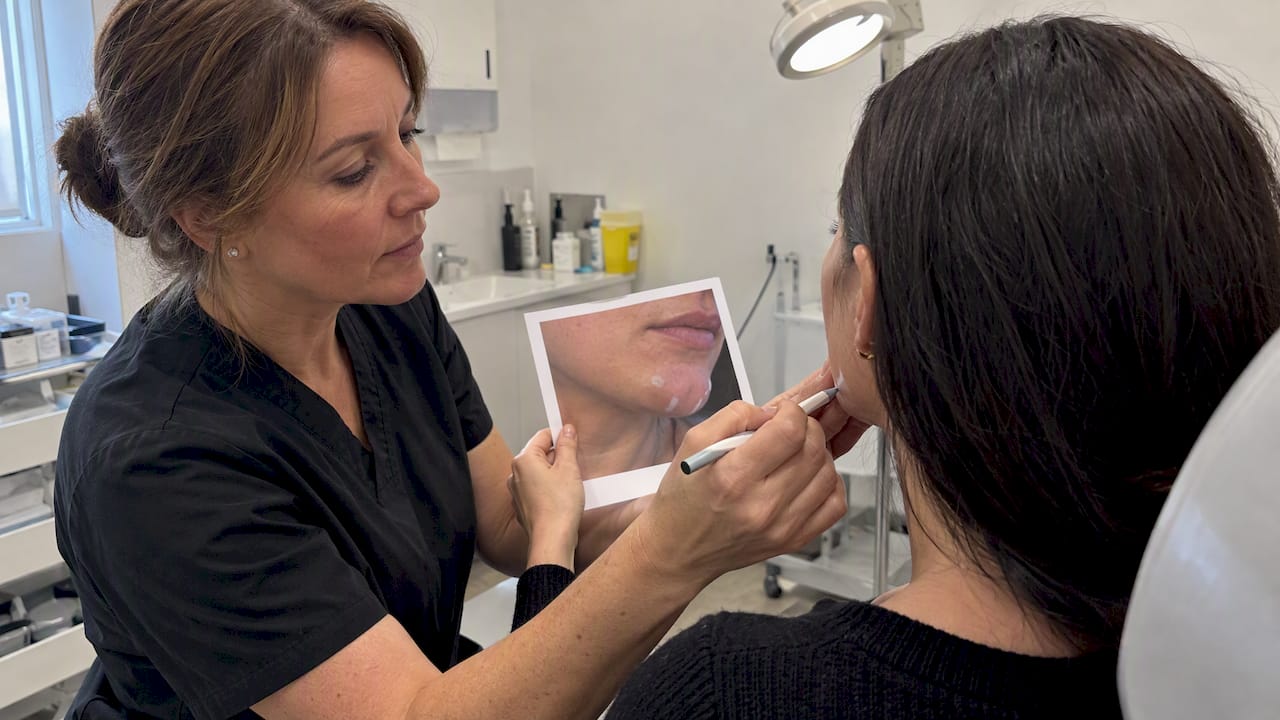
A consultation-led assessment is the foundation of good aesthetic care. Skin can appear dry while producing excess oil, look congested because of an impaired skin barrier, or show pigmentation that is made worse by unprotected sun exposure. Treating what is visible without considering the cause can lead to disappointing results or unnecessary irritation.
A trained practitioner should assess your skin quality, tone, texture, hydration, sensitivity and areas of concern, as well as your medical history, current skincare and previous aesthetic treatments. They should also ask what you want to change and, just as importantly, what you want to preserve. For some people, that means restoring radiance before a wedding or important event. For others, it means a longer-term plan for acne scarring, pigmentation, fine lines or loss of firmness.
This is where bespoke care matters. A treatment that works beautifully for a colleague, friend or influencer may not be appropriate for your skin, lifestyle or tolerance for downtime. A responsible recommendation balances visible improvement with skin health, safety and natural-looking results.
Treatments for hydration, glow and skin quality
When skin looks tired, tight or lacklustre, it is tempting to reach straight for a stronger resurfacing treatment. Sometimes, however, the priority is to improve hydration and support the skin barrier first.
Professional skin treatments can be tailored to cleanse, exfoliate, hydrate and calm the complexion. Depending on the formulation and technique, these may help improve surface dullness, congestion and the look of uneven texture. They can be a sensible starting point for patients new to clinical aesthetics, as well as a useful maintenance option between more targeted treatments.
Skin boosters are another consideration for patients whose main concern is dehydration, crepey texture or a loss of luminosity. These injectable treatments are designed to support hydration within the skin rather than add facial volume in the way a dermal filler would. The outcome should be subtle: skin that looks fresher, smoother and better rested, rather than noticeably altered.
The trade-off is that results are usually gradual and a course may be recommended. They are best suited to those seeking an improvement in overall skin quality, not a replacement for volume restoration or a solution for significant laxity.
When texture and congestion need more attention
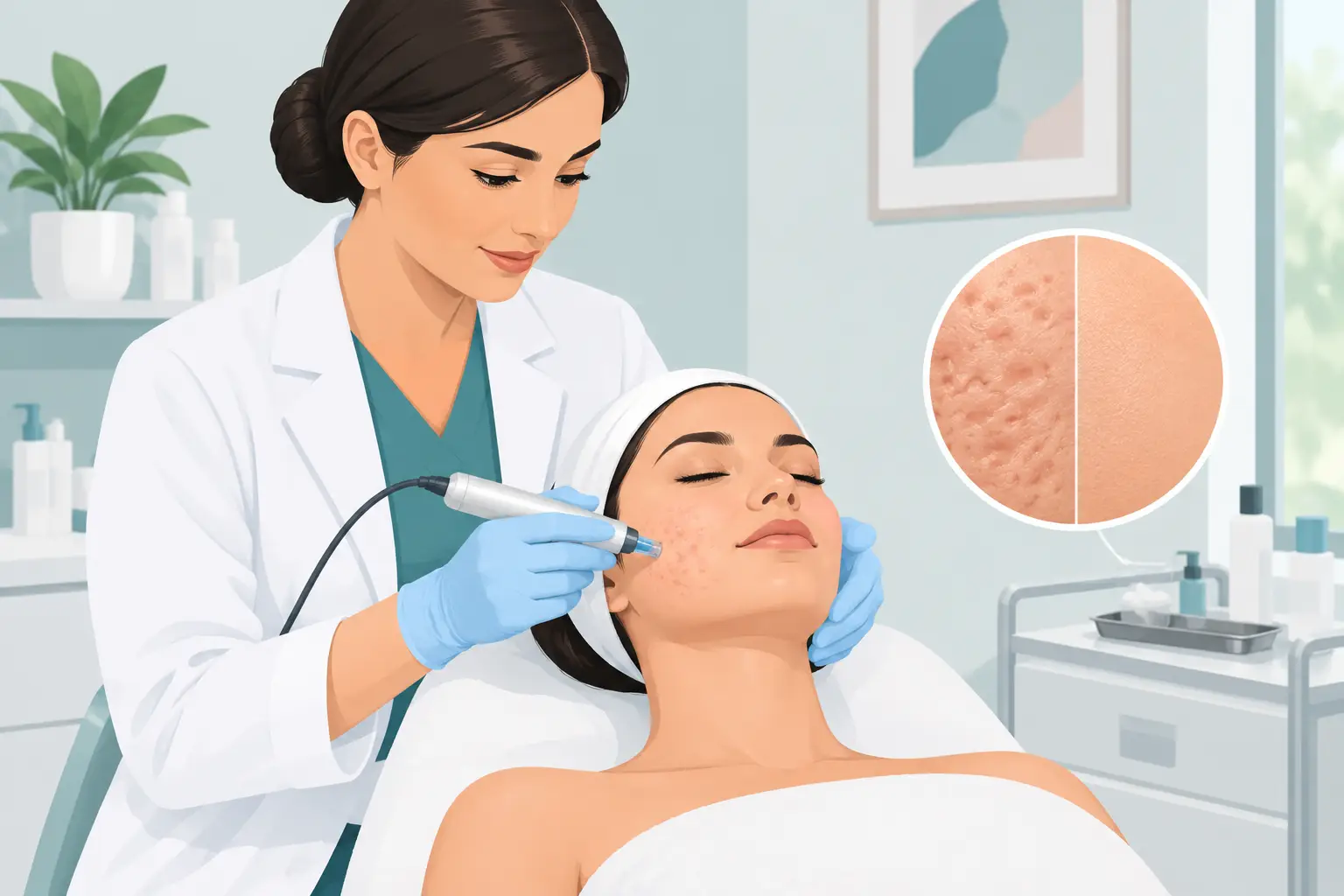
For rough texture, blocked pores, post-blemish marks or a dull surface layer, chemical peels and microneedling may be discussed. Chemical peels use selected acids to encourage exfoliation and renewal at different depths, while microneedling creates controlled microchannels to stimulate the skin’s repair response.
Neither is a one-size-fits-all treatment. Peel strength, active ingredients and treatment frequency should reflect your skin type, sensitivity, pigmentation risk and the issue being addressed. A poorly selected peel can cause prolonged irritation, particularly in reactive skin or in patients prone to post-inflammatory pigmentation.
Microneedling can help support improvements in texture and the appearance of certain scars over a course of treatment. It requires careful aftercare, including avoiding unnecessary heat, friction and active skincare ingredients while the skin recovers. For both treatments, sun protection is essential, not optional.
Options for pigmentation, redness and uneven tone
Pigmentation is one of the most common reasons patients seek professional advice, and one of the easiest concerns to oversimplify. Sun spots, melasma, post-inflammatory marks and uneven tone can look similar at first glance but may need very different management.
An aggressive approach is not always the most effective one. With melasma, for example, heat, light exposure and irritation can contribute to recurrence. A practitioner may recommend a slower programme that prioritises barrier support, pigment-suppressing skincare, carefully chosen in-clinic treatments and consistent high-factor SPF.
Redness also deserves a measured assessment. It may be related to sensitivity, irritation, rosacea or visible blood vessels. The correct route depends on the cause, which is why an assessment is more valuable than selecting a treatment based on a photograph or a social-media trend.
Patience is particularly valuable here. Pigmentation management often requires ongoing maintenance, and stopping protective skincare as soon as the skin looks clearer can undo much of the progress.
Fine lines, volume changes and facial balance
Some skin concerns are linked to the ageing process beneath the surface. Repeated facial movement can contribute to expression lines, while gradual changes in collagen, fat distribution and bone structure can affect facial volume and contour.
Anti-wrinkle injections may be suitable for softening the appearance of dynamic lines, such as those around the forehead, frown area or eyes. When skilfully planned, the goal is not to remove expression altogether. It is to achieve a rested, refined appearance that still looks like you.
Dermal filler can be considered where volume loss or facial imbalance is the primary issue. It may be used to restore support or refine selected areas, but more product is not necessarily better. Overfilling can compromise proportion and create a result that does not age well. A conservative approach, reviewed over time, is often the more elegant choice.
These are medical aesthetic treatments, not interchangeable beauty services. Suitability, anatomical knowledge, product selection and an appropriate emergency protocol all matter. Ask who will perform your treatment, what training and medical oversight are in place, what outcome is realistic and how complications would be managed.
Build a plan, rather than collecting treatments
The most effective London skin treatment options are often those that work together with a clear purpose. A patient concerned with dullness, fine lines and dehydration may benefit from a programme that begins by restoring skin quality, then considers subtle injectable treatment if expression lines remain a concern. Someone with acne scarring may need a different sequence, with active acne first brought under control before texture-focused procedures are introduced.
At The Aesthetics Room, the 7 Pillar Skin Optimisation Protocol reflects this broader way of thinking: skin is assessed as part of an individual picture, rather than treated as a single isolated concern. Treatment planning can take account of factors such as lifestyle, skin health, previous treatments, nutrition and wellbeing, alongside the aesthetic result you wish to achieve.
This does not mean every patient needs multiple procedures. Sometimes the right recommendation is a simple course, a refined home routine and time to assess the response. Equally, if a concern is outside the scope of an aesthetic treatment, an ethical practitioner should say so and advise the appropriate next step.
How to choose a clinic with confidence
Luxury should never mean pressure. A premium clinical experience is one where you feel listened to, informed and comfortable asking questions. Before booking, look for transparent consultation processes, qualified practitioners, clear consent and aftercare arrangements, and a setting where hygiene and patient safety are visibly prioritised.
Be wary of dramatic promises, heavily discounted packages that encourage unnecessary treatment, or recommendations made without seeing your skin properly. Before-and-after images can be helpful, but they should prompt questions about treatment plans, lighting, timelines and whether the result is realistic for your own starting point.
Your skin changes with the seasons, your health, stress levels and time. Choose a practitioner who treats your goals with the same care: thoughtfully, safely and with a plan that helps you feel confidently yourself.