
TL;DR:
- Sun damage accumulates invisibly and causes skin unevenness, brown spots, and wrinkles.
- Consistent at-home routines with actives and daily SPF are effective for reversing damage.
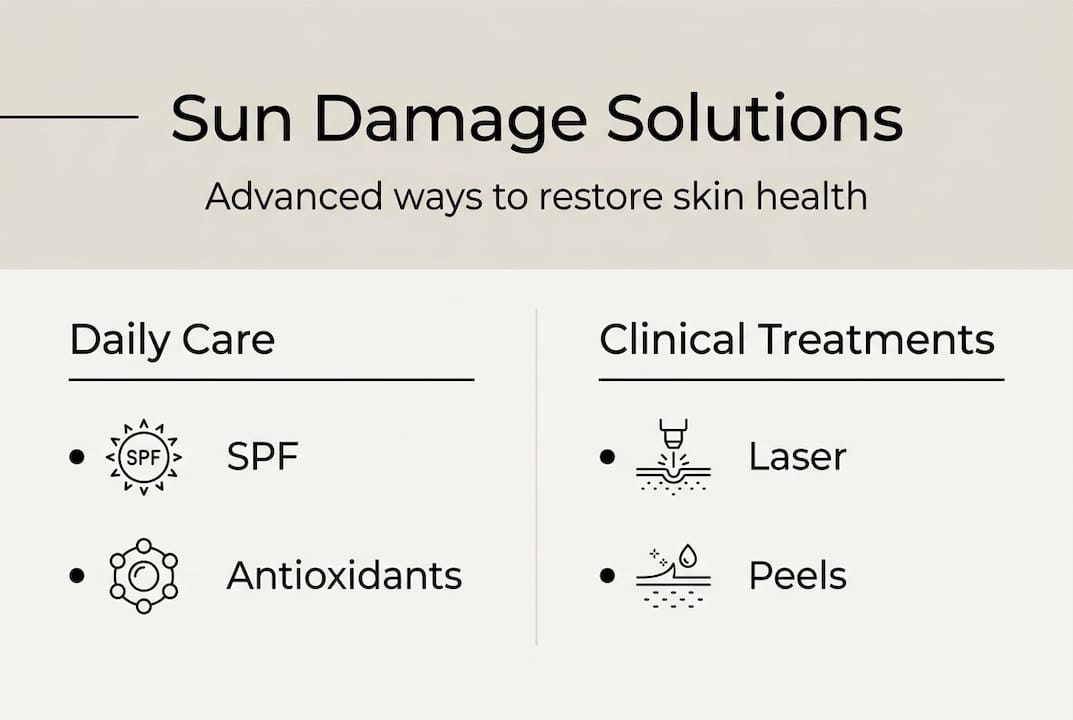
- Professional treatments like laser, peels, and field therapies are suitable for advanced or pre-cancerous sun damage.
Sun damage in London is more widespread than most people realise. The city’s variable skies create a false sense of security, encouraging many to skip SPF on overcast days, yet UV radiation penetrates cloud cover with ease. Over time, this cumulative exposure quietly reshapes your skin, producing uneven tone, persistent brown spots, fine lines, and a roughened texture that no amount of foundation can fully conceal. This guide moves beyond generic advice to deliver a structured, evidence-based roadmap, from daily home care to advanced clinical interventions, so you can make informed decisions and restore genuinely radiant skin.
Table of Contents
- Understanding sun damage and what you need to reverse it
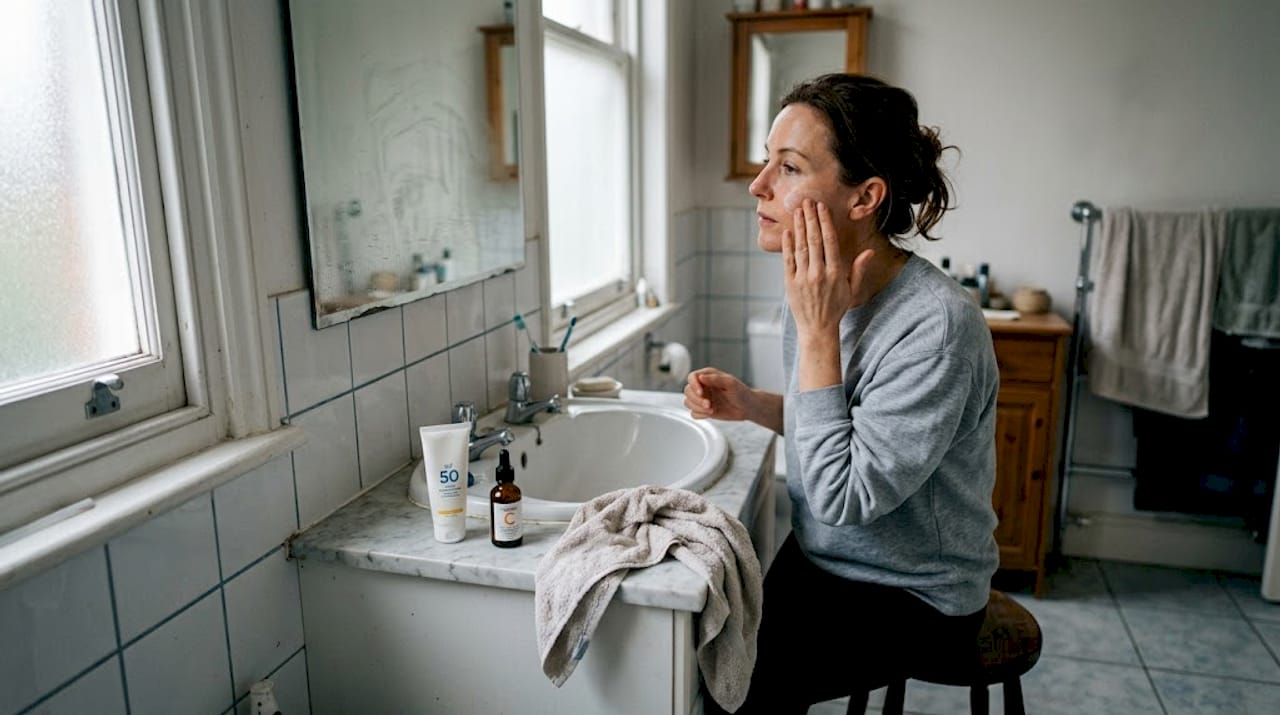
- Essential daily routine for reversing sun damage at home
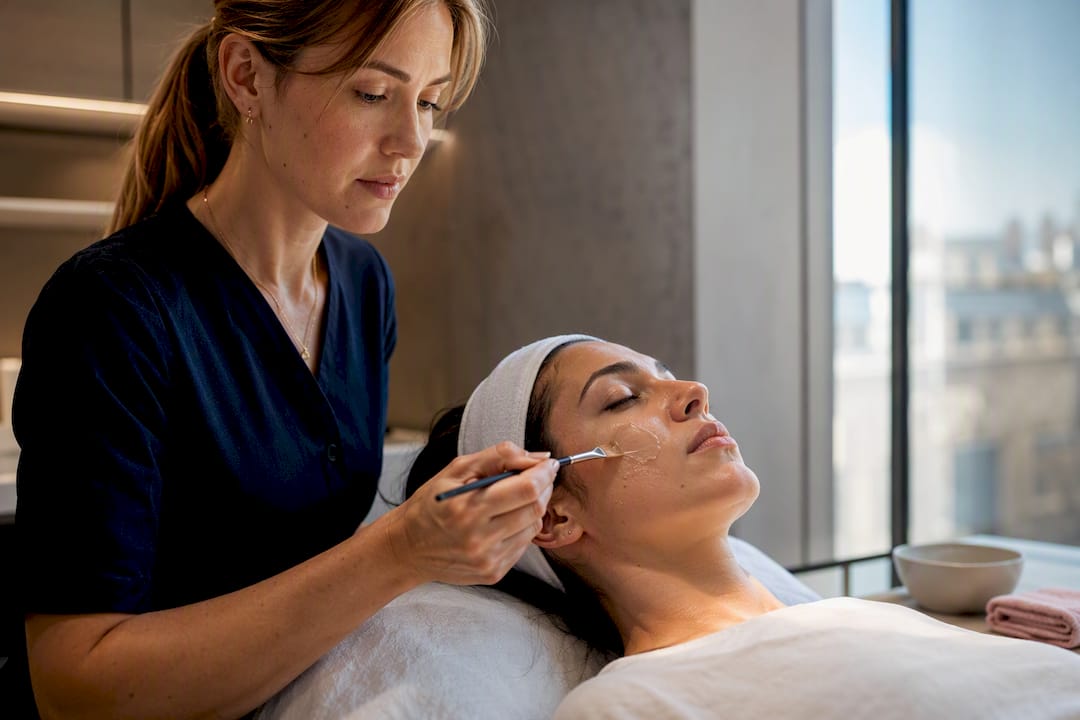
- Advanced clinical treatments: What works and what to expect
- Addressing severe and pre-cancerous sun damage safely
- Tailoring your approach: Skin type, prevention, and long-term maintenance
- Why the ‘one-size-fits-all’ approach to sun damage is outdated
- Take the next step: Personalised help for sun-damaged skin
- Frequently asked questions
Key Takeaways
| Point | Details |
|---|---|
| Prevention is crucial | Consistent use of broad-spectrum SPF50+ prevents new sun damage and supports results. |
| Evidence-based home routines work | Topicals like retinoids, antioxidants, and AHAs visibly reduce signs of sun damage within weeks. |
| Professional solutions outperform for severe cases | Lasers, peels, and photodynamic therapy deliver deeper, faster results for stubborn or advanced damage. |
| Personalisation ensures success | Tailoring treatment to your skin type maximises safety and effectiveness for lasting improvement. |
Understanding sun damage and what you need to reverse it
Sun damage is not a single event. It is a slow, cumulative process that builds invisibly beneath the surface long before it becomes visible. UV radiation breaks down collagen fibres, disrupts melanin production, and triggers low-grade inflammation that, over years, reshapes the skin’s architecture entirely. The result is a constellation of changes that many people attribute simply to ageing.
The most common signs include:
- Uneven skin tone and persistent redness
- Brown spots (solar lentigines) on the face, hands, and décolletage
- Fine lines and wrinkles, particularly around the eyes and mouth
- Rough or leathery texture in areas of repeated exposure
- Broken capillaries visible at the surface
| Sign | Primary cause | Typical onset |
|---|---|---|
| Brown spots | Melanin overproduction | After repeated exposure |
| Fine wrinkles | Collagen breakdown | Gradual, from early adulthood |
| Rough texture | Epidermal cell damage | Mid to later adulthood |
| Broken capillaries | Vascular fragility | Prolonged cumulative exposure |
The good news is that many of these changes respond well to targeted treatment. Topical prescription retinoids are highly effective for reducing fine wrinkles, hyperpigmentation, and roughness simultaneously, making them a cornerstone of any reversal plan.
“Treating sun damage successfully requires both active reversal and consistent prevention. One without the other will always fall short.”
Protection must run alongside treatment. The importance of daily sunscreen cannot be overstated, and wearing SPF year-round is a non-negotiable foundation for any effective programme.
Essential daily routine for reversing sun damage at home
Once you understand what your skin needs, you can build a powerful daily routine focused on effective, clinically validated ingredients. The science is clear: layering the right actives in the correct order accelerates visible improvement far more than any single product alone.
The core ingredients for a sun damage reversal routine are:
- Vitamin C serum (15 to 20% L-ascorbic acid): Applied in the morning after cleansing, it neutralises free radicals and brightens existing pigmentation.
- Niacinamide: A versatile anti-inflammatory that evens tone and strengthens the skin barrier.
- Glycolic acid (AHA): Accelerates cell turnover, smoothing rough texture and fading brown spots.
- Retinoid: Used at night, it boosts collagen production and targets fine lines at a cellular level.
- Broad-spectrum SPF50+: Applied every morning as the final step, protecting all the progress made overnight.
Antioxidants such as vitamin C, E, and niacinamide, alongside AHAs brighten, even tone, and support collagen synthesis, while daily SPF50+ prevents new damage from undoing your results.
Consistency transforms these ingredients from good to exceptional. Clinical data shows a 27% reduction in brown spots after 12 weeks of consistent topical use, which is a meaningful, visible change achievable at home.
Pro Tip: Introduce retinoids gradually, starting two nights per week and building up over four to six weeks. This minimises redness and peeling, particularly important if you are also using glycolic acid. Read more about retinoids and sun sensitivity before combining actives.
| Time of day | Step | Key ingredient |
|---|---|---|
| Morning | Cleanse, antioxidant serum, moisturiser, SPF | Vitamin C, SPF50+ |
| Evening | Cleanse, retinoid, moisturiser | Retinol or prescription retinoid |
| 2 to 3 x weekly | Exfoliate | Glycolic acid |
Advanced clinical treatments: What works and what to expect
For those seeking faster or more dramatic results, certain professional procedures offer a higher level of transformation with robust clinical support. A multimodal approach combining topicals, procedures, and strict sun protection consistently delivers the best outcomes for pigmentation, vessels, and collagen loss.
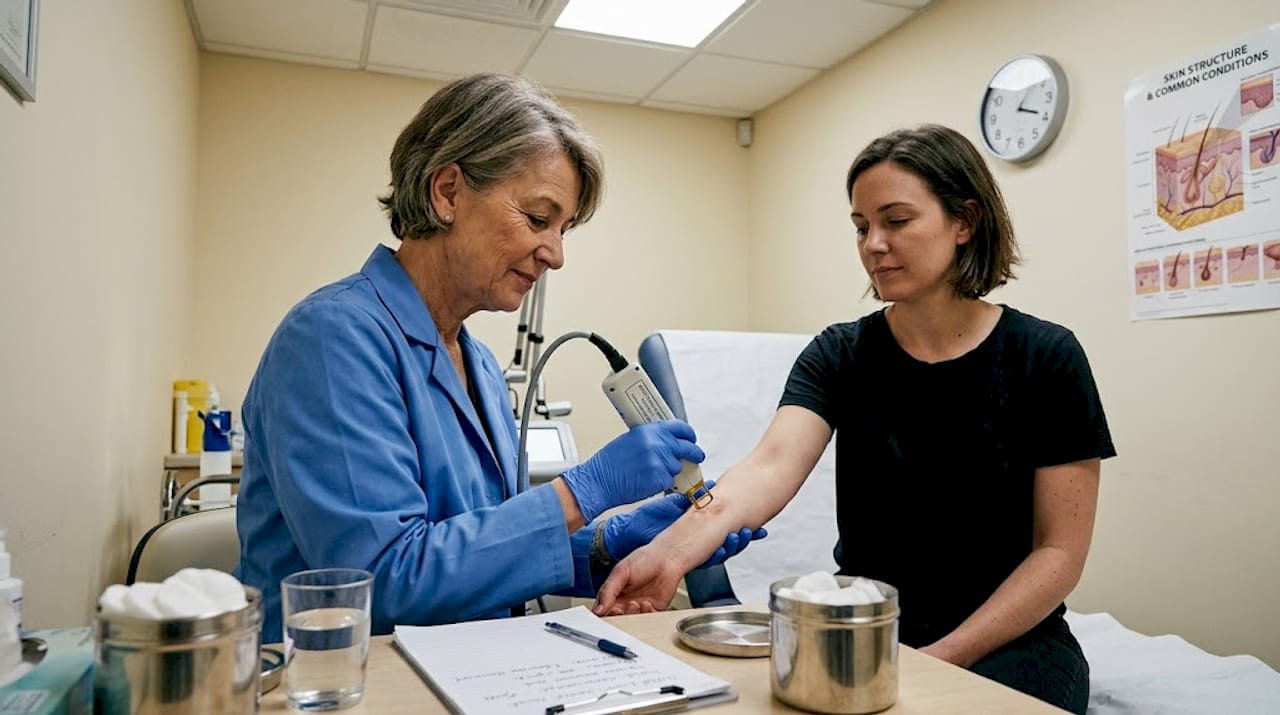
Laser treatments fall into two broad categories. Ablative lasers such as CO2 resurface the skin’s outer layers, producing significant improvement in texture and pigmentation but requiring a recovery period of one to two weeks. Non-ablative lasers and IPL (Intense Pulsed Light) work beneath the surface with minimal downtime, making them popular for busy Londoners who cannot afford extended recovery.
Chemical peels are another powerful option. The key benefits include:
- Superficial peels (glycolic, lactic acid): Ideal for mild pigmentation and dull texture, with no downtime
- Medium-depth peels (TCA): Target moderate sun damage and fine lines, with three to seven days of peeling
- Deep peels: Reserved for severe cases, offering dramatic results with longer recovery
Studies show that medium-depth peels can reduce MASI (Melasma Area and Severity Index) scores by up to 65%, which is a compelling result for those managing persistent pigmentation. Explore chemical peels explained and the types of peels available to find the right match for your skin.
Statistic: Photodynamic therapy (PDT) outperforms cryotherapy cosmetically for actinic keratoses, producing superior clearance with a better aesthetic finish.
Pro Tip: Always request a patch test before any laser or peel procedure. This is especially important for darker skin tones, where the risk of post-inflammatory hyperpigmentation is higher. The medical peel benefits page outlines what to expect at each stage of recovery.
Addressing severe and pre-cancerous sun damage safely
Beyond routine improvements, some cases demand specialised, medically supervised approaches to repair deeper or pre-cancerous damage. Actinic keratoses (AKs) are rough, scaly patches caused by years of UV exposure. They are considered pre-cancerous, meaning that without treatment, a proportion can progress to squamous cell carcinoma.
Recognising AKs early and seeking expert care is essential. Treatment falls into two broad categories:
- Targeted treatments: Cryotherapy (freezing individual lesions) is quick and effective for isolated spots, though it treats only visible lesions and misses subclinical damage.
- Field treatments: These address the entire affected area, including lesions not yet visible. Options include 5-fluorouracil (5-FU), imiquimod, diclofenac gel, and photodynamic therapy (PDT).
Effective field treatments for actinic keratoses include 5-FU, imiquimod, diclofenac, PDT, and cryotherapy, with PDT demonstrating superior cosmetic outcomes in clinical comparisons.
| Treatment | Type | Cosmetic outcome | Downtime |
|---|---|---|---|
| Cryotherapy | Targeted | Moderate | Minimal |
| 5-FU cream | Field | Good | 2 to 4 weeks |
| PDT | Field | Excellent | 1 to 2 weeks |
| Imiquimod | Field | Good | Variable |
“For individuals with darker skin tones, combining photolyase-based sunscreens with prescription retinoids and strict sun avoidance is the safest and most effective strategy for managing severe sun-related changes.”
For personalised guidance on where to begin, our expert treatment tips resource provides a clear starting framework. Complex cases benefit from a structured clinical workflow that sequences treatments for maximum safety and efficacy.
Tailoring your approach: Skin type, prevention, and long-term maintenance
With key treatments in place, lasting improvement depends on smart prevention and adapting your routine to your unique skin. Skin phototype, the Fitzpatrick scale classification of how skin responds to UV, plays a central role in determining which treatments are appropriate and which carry higher risk.
Lighter skin types (Fitzpatrick I to III) generally tolerate more aggressive treatments such as ablative lasers and stronger chemical peels. Darker skin types (Fitzpatrick IV to VI) require more cautious approaches to avoid triggering post-inflammatory hyperpigmentation, which can be more stubborn than the original sun damage.
Photolyase sunscreens reduce actinic keratosis lesions in darker skin types, making them a valuable addition to any maintenance plan where standard sunscreens alone are insufficient.
Do’s and don’ts for long-term maintenance:
- Do apply broad-spectrum SPF50+ every morning, regardless of the weather
- Do schedule a professional skin assessment every six to twelve months
- Do reapply SPF every two hours when outdoors
- Don’t use tanning beds or seek deliberate sun exposure
- Don’t skip SPF because it is cloudy or winter
- Don’t introduce multiple new actives simultaneously
Pro Tip: Pair your morning SPF with a vitamin C serum. Together, they provide complementary protection: SPF blocks UV physically and chemically, while vitamin C neutralises the free radicals that SPF alone cannot catch. The sunscreen’s critical role in sustaining your results is well-documented and worth revisiting regularly.
Why the ‘one-size-fits-all’ approach to sun damage is outdated
London’s population is one of the most diverse in the world, and yet sun damage advice often defaults to a single, pale-skin-centric protocol. We see this regularly in clinic, and it is one of the most persistent gaps between what the evidence supports and what people actually receive.
The truth is that a Fitzpatrick IV skin type from West London and a Fitzpatrick II skin type from Kensington need fundamentally different treatment sequences, different peel strengths, and different post-procedure care. Generic protocols not only underperform; they can actively cause harm in the form of hyperpigmentation or scarring.
Multi-modal, expert-guided regimens consistently outperform standard routines because they account for your actual skin biology, your lifestyle, and your realistic recovery window. The evidence base for personalised skin rejuvenation is compelling, and the results speak for themselves. What matters most is continuous evaluation, adjusting your plan as your skin responds and evolves, rather than locking into a fixed routine and hoping for the best.
Take the next step: Personalised help for sun-damaged skin
Ready to move beyond a generic plan and achieve real results? At The Aesthetics Room, our practitioners design bespoke treatment programmes that combine the most effective clinical tools with your specific skin type, lifestyle, and goals.

Whether you are exploring dermal filler solutions to restore lost volume alongside skin rejuvenation, or curious about popular Botox approaches that complement your sun damage treatment plan, we offer a full spectrum of care in a safe, accredited environment. Book your consultation with The Aesthetics Room today and take the first confident step towards genuinely radiant, healthier skin.
Frequently asked questions
How quickly can I see results from sun damage treatment?
Noticeable improvement often appears within 6 to 12 weeks, with a 27% reduction in brown spots reported after 12 weeks of consistent topical use. Clinical procedures such as peels and lasers can accelerate this timeline significantly.
Do home treatments really work for sun damage?
Yes, when used consistently. Topical retinoids are clinically proven to reduce fine wrinkles, hyperpigmentation, and roughness, and antioxidants with daily SPF compound these benefits over time.
Is professional help necessary for severe sun damage?
For pre-cancerous changes such as actinic keratoses, medical assessment is essential. PDT and prescription field treatments are safer and more effective than home care alone for these conditions.
What is the best way to prevent further sun damage?
Daily broad-spectrum SPF50+ applied every morning, even on overcast London days, is the single most effective step you can take to prevent new damage and preserve your treatment results.
Recommended
- Skin rejuvenation tips: Advanced London treatments for radiant results – The Aesthetics Room
- Anti-Aging Skincare Workflow for Radiant Complexion – The Aesthetics Room
- 6 Essential Anti-Ageing Treatments for a Youthful Glow – The Aesthetics Room
- 7 Expert Professional Skin Treatment Tips for Radiant Results – The Aesthetics Room
- Rejuvenecimiento Facial sin Cirugía: Tratamientos Efectivos – Dr. Oriol Vernetta
- Protecting Yourself from Sunburn While Swimming