

TL;DR:
- Proper post-treatment care supports healing, reduces complications, and preserves cosmetic results effectively.
- Following personalized protocols, pacing activity, maintaining good nutrition, and monitoring symptoms ensure optimal recovery outcomes.
Post-treatment recovery is defined as the structured process of healing, monitoring, and adapting your lifestyle after a cosmetic procedure to protect results and restore skin health. Knowing how to recover from treatments correctly makes the difference between a smooth outcome and avoidable complications. The first 72 hours are especially critical. Managing side effects and hydration in this window prevents the most common setbacks. At Theaestheticsroom, every patient receives a personalised aftercare protocol aligned with Care Quality Commission standards, because recovery is as important as the procedure itself.
How to recover from treatments: essential aftercare practices
The right aftercare routine protects your skin, reduces downtime, and preserves your results. Skipping even basic steps in the first few days can extend healing time significantly.
Immediate steps after your procedure
Start with the fundamentals. Keep the treated area clean using a gentle, fragrance-free cleanser. Avoid touching, rubbing, or applying pressure to the skin. Apply a cold compress wrapped in a clean cloth to reduce swelling and calm redness, but never place ice directly on the skin.
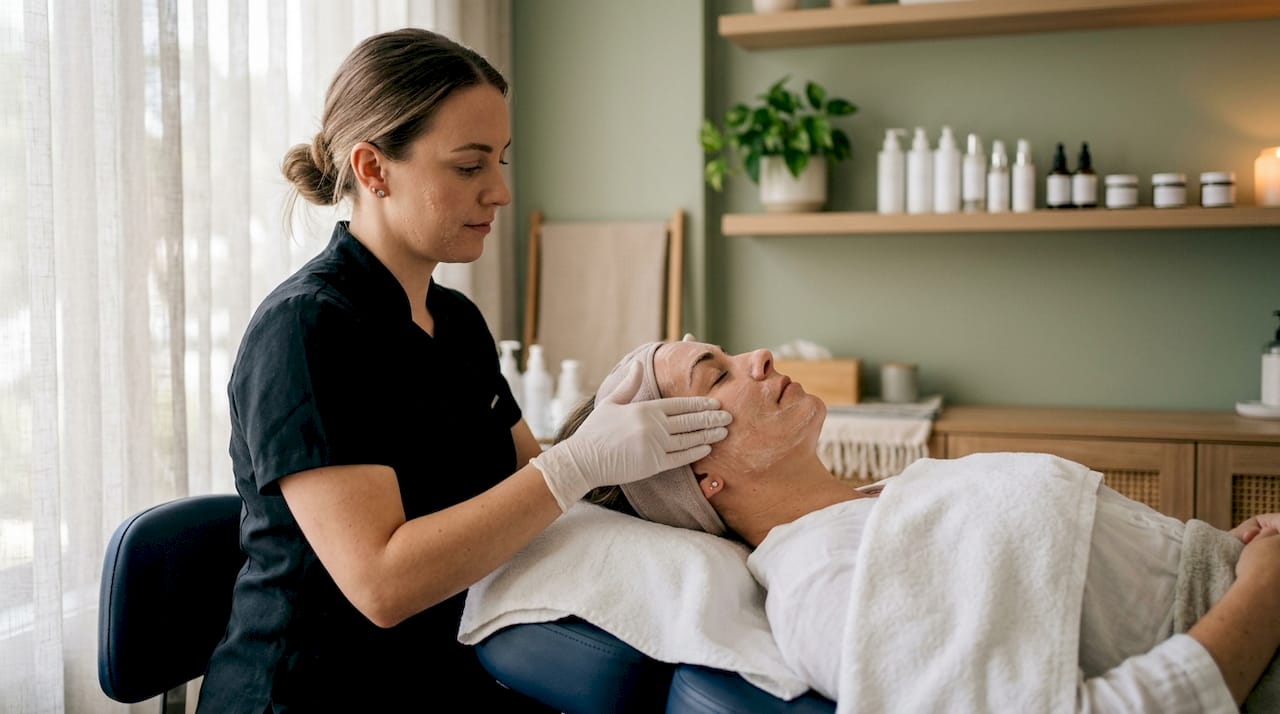
Hydration is non-negotiable. Drinking adequate water supports cellular repair and helps your skin recover its natural barrier function. Theaestheticsroom recommends pairing internal hydration with a practitioner-approved moisturiser suited to your skin type. For patients who have had dermal filler aftercare, avoiding alcohol and excessive heat for at least 48 hours is standard protocol.
What to expect in the first week
Common side effects after cosmetic procedures include swelling, bruising, redness, and mild tenderness. These are normal inflammatory responses. They typically resolve within 3–7 days, depending on the treatment and your individual healing rate.
Key aftercare practices to follow:
- Avoid direct sun exposure for at least two weeks and apply SPF 30 or higher daily.
- Skip strenuous exercise for the first 24–48 hours to prevent increased blood flow to the treated area.
- Do not apply make-up to injection sites for at least 12 hours post-treatment.
- Sleep on your back with your head slightly elevated to reduce facial swelling overnight.
- Avoid saunas, steam rooms, and hot baths for 48 hours after injectables.
Contact your clinician immediately if you notice severe pain, skin discolouration beyond normal bruising, or signs of infection such as warmth, pus, or fever.
Pro Tip: The most common early aftercare mistake is applying active skincare ingredients such as retinol or AHAs too soon. Wait at least one week before reintroducing these products, and always confirm the timeline with your practitioner.
How should you pace activity during recovery?
Rebuilding strength after a cosmetic procedure requires balancing rest with gradual increases in physical activity. Pacing with planned rest breaks is consistently more effective than pushing through fatigue, which risks prolonging recovery.
Gentle movement supports circulation, lifts mood, and reduces the risk of stiffness. The key is timing and intensity. Experts recommend 150 minutes of moderate exercise per week as a target for supporting physical recovery and combating fatigue. That translates to roughly 30 minutes of brisk walking on five days each week, which is achievable even during early recovery.
A phased return to activity
Follow this sequence to return to exercise safely:
- Days 1–2: Rest completely. Light walking around the home is acceptable, but avoid anything that raises your heart rate significantly.
- Days 3–5: Introduce short, gentle walks of 10–15 minutes. Focus on breathing and keeping movement low-impact.
- Days 6–10: Gradually extend walks to 20–30 minutes. Avoid bending forward or inverting the head if you have had facial injectables.
- Week 2 onwards: Reintroduce light resistance training or yoga, provided there is no pain or swelling at the treatment site.
- Week 3–4: Return to your normal exercise routine, subject to your clinician’s approval.
If your procedure involved a longer or more intensive treatment course, physiotherapy or guided rehabilitation may be appropriate. Rebuilding strength post-treatment requires a structured, incremental approach rather than a sudden return to full activity.
Pro Tip: Track your energy levels each morning on a simple 1–10 scale. If your score drops below 5 on two consecutive days, reduce activity intensity and add an extra rest period. This prevents the boom-and-bust cycle that delays recovery.
How can a personalised care plan improve your recovery outcomes?
A post-treatment care plan is a written record of your procedure, expected healing milestones, side effects to monitor, and scheduled follow-up appointments. A survivorship care plan acts as a personalised roadmap, helping patients navigate recovery confidently and alerting them to potential long-term side effects. Without one, it is easy to miss warning signs or lose track of progress.
Tracking fatigue scores and symptom logs provides a clearer picture of recovery than subjective feelings alone. This data allows your clinician to adjust your aftercare plan at follow-up appointments rather than relying on memory. A standard post-discharge follow-up is typically scheduled at 3 months, though cosmetic procedures often warrant an earlier check-in at 2–4 weeks.
Recovery timeline: what to expect
| Phase | Timeframe | What to monitor |
|---|---|---|
| Immediate recovery | Days 1–3 | Swelling, bruising, redness, and hydration levels |
| Early healing | Days 4–14 | Fading of side effects, skin texture, and energy levels |
| Consolidation | Weeks 2–6 | Treatment results becoming visible, return to activity |
| Follow-up review | 4–12 weeks | Full assessment of outcomes and any late side effects |
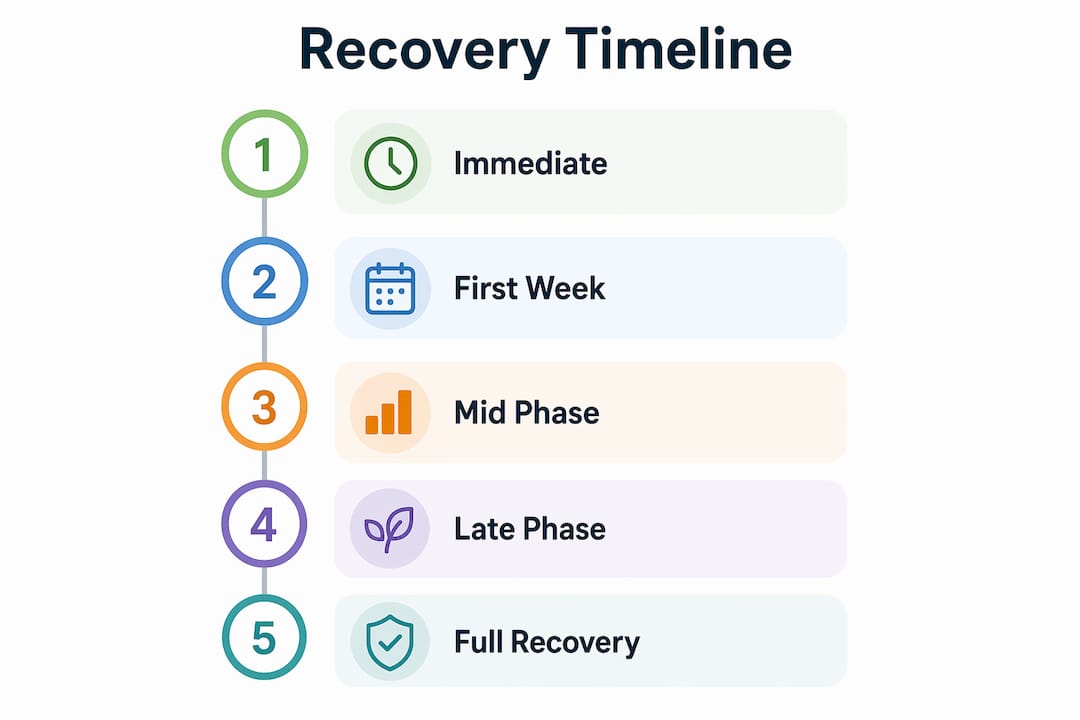
Engaging with follow-up care helps patients regain a sense of control after intensive treatment phases. Booking your follow-up appointment before you leave the clinic removes the barrier of scheduling it later when motivation may dip.
What nutritional approaches support healing after procedures?
Nutrition directly influences how quickly your body repairs tissue, manages inflammation, and restores energy after a cosmetic procedure. Smaller, frequent nutrient-dense meals help maintain energy and blood sugar stability during recovery. This approach also reduces digestive discomfort, which can occur when appetite is disrupted in the days following treatment.
Focus your diet on foods that actively support repair:
- Protein-rich foods such as eggs, chicken, fish, lentils, and Greek yoghurt provide the amino acids needed for collagen production and tissue regeneration.
- Vitamin C sources including oranges, kiwi, strawberries, and red peppers support collagen synthesis and act as antioxidants to reduce oxidative stress.
- Zinc-rich foods such as pumpkin seeds, beef, and chickpeas accelerate wound healing and support immune function.
- Omega-3 fatty acids from oily fish, walnuts, and flaxseed reduce post-procedure inflammation.
- Antioxidant-rich vegetables including spinach, broccoli, and sweet potato protect cells during the healing process.
Avoid processed foods, excess sugar, and alcohol during the first two weeks. These substances promote inflammation and slow the skin’s natural repair mechanisms. Theaestheticsroom advises patients to prioritise skin hydration therapy alongside dietary changes, as topical and internal hydration work together to restore the skin barrier.
Pro Tip: If your appetite is reduced after treatment, a registered dietitian can build a personalised meal plan that meets your nutritional needs without overwhelming your digestive system. Many patients find liquid-based meals such as smoothies and soups easier to manage in the first 48 hours.
How do you recognise and manage complications during recovery?
Most post-treatment side effects are mild and resolve without intervention. Recognising the difference between normal healing and a genuine complication is the most important skill you can develop as a patient.
Watch for these warning signs and act promptly:
- Increasing pain rather than decreasing pain after day 3 is a red flag.
- Skin that feels hot to the touch beyond the first 24 hours may indicate infection.
- Asymmetry or lumps at injection sites that do not soften within two weeks warrant a clinical review.
- Persistent swelling beyond 10 days, particularly if one-sided, requires prompt assessment.
- Emotional changes including low mood, anxiety, or sleep disruption are common but should be discussed with your care team if they persist beyond two weeks.
Managing your emotional health is as important as managing physical symptoms. Recovery can feel isolating, particularly if you are avoiding social situations while bruising resolves. Connecting with others who have undergone similar procedures, whether through online communities or support from friends, provides meaningful reassurance.
“Patients who maintain open communication with their clinical team throughout recovery consistently report better outcomes and greater satisfaction with their results. Do not wait until your scheduled follow-up to raise a concern. Contact your clinician as soon as something feels wrong.”
The role of aftercare in aesthetics extends well beyond the first week. Maintaining your aftercare routine, attending follow-up appointments, and reporting changes promptly are the three habits that separate excellent outcomes from average ones.
Key takeaways
Successful recovery from cosmetic treatments requires consistent aftercare, structured activity pacing, nutritional support, and proactive monitoring through a personalised care plan.
| Point | Details |
|---|---|
| First 72 hours are critical | Manage hydration, swelling, and side effects immediately to prevent complications. |
| Pace activity gradually | Follow a phased return to exercise, aiming for 150 minutes of moderate activity per week once cleared. |
| Use a personalised care plan | Track symptoms and fatigue scores; schedule your follow-up appointment before leaving the clinic. |
| Prioritise nutrient-dense meals | Eat smaller, frequent meals rich in protein, vitamin C, and zinc to support tissue repair. |
| Recognise warning signs early | Increasing pain, persistent swelling, or skin warmth after day 3 requires prompt clinical review. |
What I have learned from watching patients recover
Patients consistently underestimate how much the recovery phase shapes their final results. I have seen people follow a flawless procedure with poor aftercare and end up disappointed, while others with modest treatments achieve outstanding outcomes simply by taking recovery seriously.
The biggest misconception I encounter is the expectation of instant results. Patients often expect immediate energy and visible improvement post-treatment, but realistic expectations and pacing are what actually reduce the risk of prolonged recovery. The skin needs time to settle, and results from injectables such as Botox or dermal fillers continue to refine over two to four weeks.
My honest advice is this: treat your recovery with the same seriousness as the procedure itself. Rest when your body asks for it. Eat well. Keep your follow-up appointment even when you feel fine. The patients who communicate openly with their care team and follow their aftercare plan consistently report the best outcomes. Recovery is not passive. It is an active part of achieving the result you came in for.
For those managing hair and scalp health alongside their recovery, postpartum hair loss recovery follows similar principles of gentle care, nutrition, and patience that apply across all post-treatment scenarios.
— Vishul
How Theaestheticsroom supports your recovery
Recovery after a cosmetic procedure should never feel like guesswork. Theaestheticsroom provides every patient with a structured aftercare protocol designed by CQC-accredited practitioners, covering everything from immediate side effect management to long-term skin maintenance.
Whether you are recovering from Botox treatments or dermal fillers, our team at Knightsbridge, Harley Street, and Mayfair is available to guide you through every stage of healing. We offer follow-up consultations, personalised aftercare plans, and access to skin hydration therapies that restore and protect your results. Book a consultation today and let our specialists build a recovery plan that works for your skin, your schedule, and your goals.
FAQ
How long does recovery take after cosmetic treatments?
Recovery timelines vary by procedure, but most patients see the majority of side effects resolve within 7–14 days. A general guide is that more intensive treatments require proportionally longer recovery periods.
What should I avoid immediately after a cosmetic procedure?
Avoid alcohol, direct sun exposure, strenuous exercise, saunas, and active skincare ingredients such as retinol for at least 48 hours post-treatment. Always follow your clinician’s specific aftercare instructions.
When should I contact my clinician during recovery?
Contact your clinician immediately if you experience increasing pain after day 3, skin that feels hot to the touch, persistent or worsening swelling, or any signs of infection such as redness spreading beyond the treatment site.
How does nutrition help with post-treatment recovery?
Protein, vitamin C, and zinc support collagen production and tissue repair. Smaller, frequent nutrient-dense meals maintain energy and blood sugar stability, which supports faster and more comfortable healing.
How often should I schedule follow-up appointments?
A follow-up appointment is typically recommended 2–4 weeks after cosmetic procedures, with a more comprehensive review at around 3 months. Attending these appointments allows your clinician to assess results and adjust your care plan if needed.