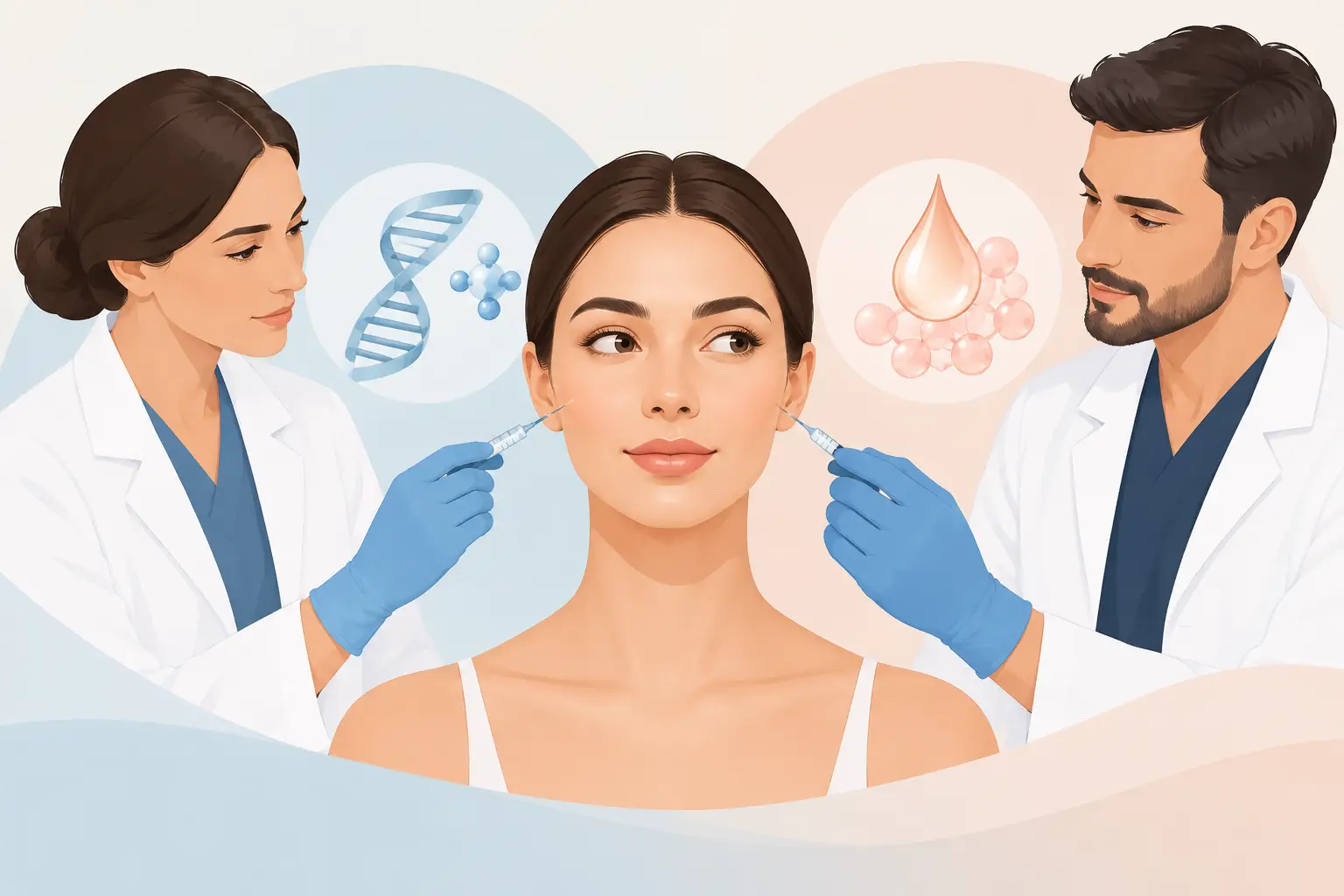


A bright complexion can be achieved for an evening. Skin longevity is the more considered goal: helping skin remain strong, even, well-hydrated and naturally expressive over years, not simply days. It is less about chasing every new treatment and more about understanding what your skin needs, what is causing change, and where professional care can make a meaningful difference.
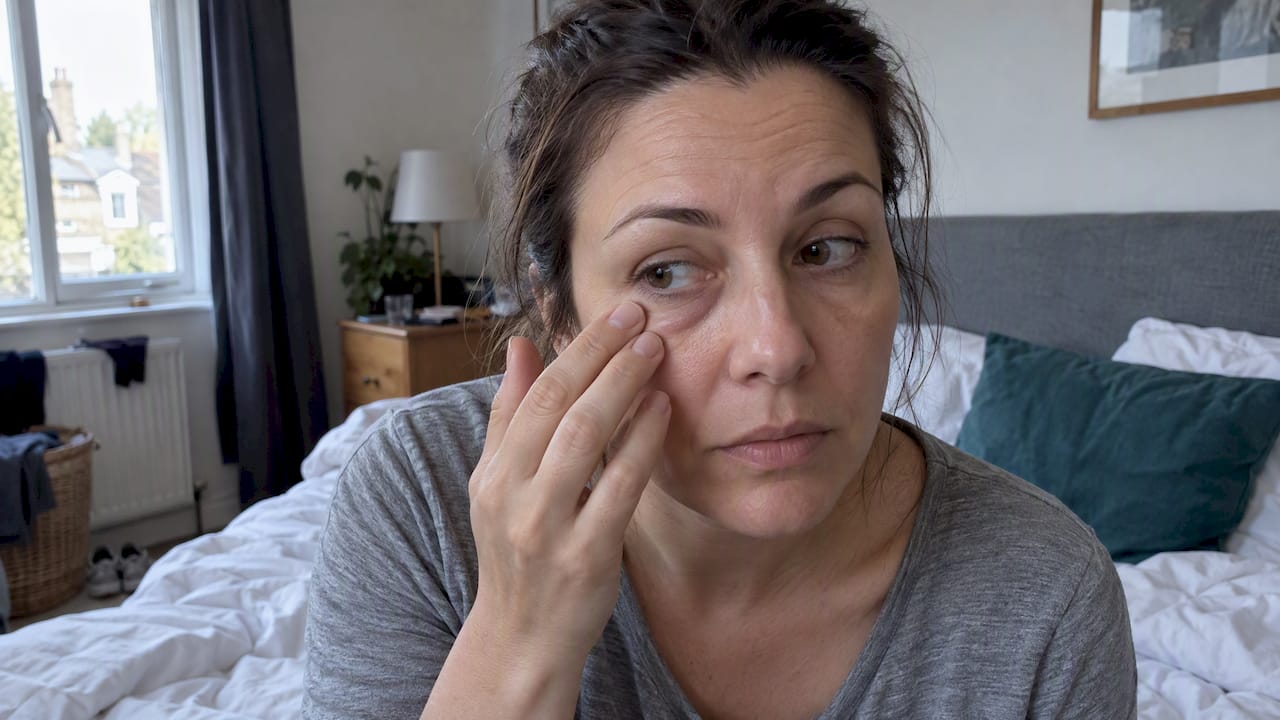
For many people, the first signs of change are subtle. Make-up no longer sits as smoothly, the under-eye area looks more tired, pigmentation lingers after a blemish, or the face appears less defined in photographs. These concerns are rarely caused by one factor alone. Sun exposure, stress, sleep, hormones, genetics, lifestyle and the gradual loss of collagen all play a part.
What skin longevity really means
Skin longevity is not a promise to stop ageing. Ageing is normal, and a naturally animated face should never be treated as a problem to erase. The aim is to preserve skin quality and support the structures that give the face a healthy, rested appearance.
This means looking beyond lines in isolation. A strong skin longevity plan considers hydration, barrier function, pigmentation, collagen support, inflammation, facial volume, muscle movement and daily environmental exposure. The best approach is preventative where possible, corrective where appropriate, and always tailored to the individual.
Someone in their late twenties with early sun damage and dehydration may benefit most from consistent skincare and skin-quality treatments. Someone in their forties or fifties may also be noticing volume changes, deeper expression lines or a loss of firmness. Neither requires a generic solution. The right recommendation depends on skin health, anatomy, medical history, lifestyle and the result the patient wishes to achieve.
Why prevention works best when it starts with assessment
There is a tendency to think of preventative aesthetics as starting very early or treating concerns before they exist. In reality, prevention is more intelligent than that. It means identifying the changes that are beginning to affect your skin and acting with restraint before they become harder to address.
Daily ultraviolet exposure is one of the most significant contributors to premature visible ageing, uneven tone and collagen breakdown. A broad-spectrum SPF worn consistently is therefore not an optional extra in a longevity-focused routine. It is the foundation that helps protect the investment made in professional treatments and active skincare.
The skin barrier deserves equal attention. Over-exfoliating, layering too many actives or switching products constantly can leave skin reactive, dry and inflamed. This may look like persistent redness, tightness, breakouts or dullness. More products are not always better. A carefully selected routine, followed consistently, is usually more effective than a crowded bathroom shelf.
The three layers of a skin longevity plan
A thoughtful plan tends to work across three connected layers: daily habits, skin quality and structural support. Addressing only one may deliver a short-term improvement, but it can limit how polished and lasting the overall result feels.
Daily habits protect the result
At home, the priority is protection and consistency. Cleanse gently, moisturise according to your skin’s needs, and wear SPF every day, including during a London winter or when working near windows. Targeted ingredients such as retinoids, vitamin C, azelaic acid or carefully chosen exfoliants can be valuable, but they should suit your skin and be introduced gradually.
Retinoids can support cell turnover and collagen production, for example, but may cause irritation if used too frequently or combined with other strong actives. They are not suitable in pregnancy and should be discussed with a qualified professional if you have sensitive skin, rosacea or an existing dermatological condition. Good skin care is strategic, not punishing.
Lifestyle also appears on the skin. Smoking, high alcohol intake, prolonged stress and poor sleep can affect healing, circulation, inflammation and facial appearance. No treatment replaces the value of hydration, adequate nutrition, movement and restorative sleep. Equally, a healthy lifestyle does not mean professional treatment has no place. The two can work well together.
Skin-quality treatments address what skincare cannot
Professional skin treatments can help where topical products reach their limits. Depending on the concern, this may include treatments designed to improve hydration, encourage collagen renewal, refine texture, reduce the appearance of pigmentation or support a clearer, brighter complexion.
The right choice depends on both the condition of the skin and your tolerance for downtime. Some people prefer a series of gentle treatments with little interruption to work and social plans. Others are comfortable with a more intensive approach and a short recovery period. Neither route is automatically superior. What matters is that expectations, preparation and aftercare are properly discussed.
Treatment timing matters too. Skin that is inflamed, compromised or actively breaking out may need its barrier restored before a practitioner recommends an intensive procedure. This can feel slower at first, but it is often the safer and more effective route to long-term improvement.
Structural support should remain subtle
As we age, the face does not only develop lines. It can also lose volume and support in areas such as the cheeks, temples and mid-face. This shift can contribute to shadows, folds and a tired appearance, even when the skin itself is in good condition.
In suitable patients, consultation-led injectable treatments may be considered as part of a wider plan. Anti-wrinkle injections can soften the pull of selected muscles, while dermal fillers can restore or refine facial balance where volume loss is a genuine concern. The goal should be considered enhancement, not a noticeably altered face.
This is where practitioner skill and judgement are essential. Over-treatment can make features look heavy or reduce natural movement. A medically led assessment should consider facial proportions, tissue quality, previous treatment and whether the concern would be better addressed with skin rejuvenation, skincare, injectables or no treatment at all.
A personalised protocol is more valuable than a trend
Social media often presents one treatment as the answer to every concern. In practice, the same procedure can be unsuitable, unnecessary or poorly timed for another person. Trend-led decisions can also encourage treatment stacking before the skin has had time to respond.
At The Aesthetics Room, the 7 Pillar Skin Optimisation Protocol is designed around a broader view of skin health and aesthetic ageing. Rather than treating a single feature in isolation, a consultation can assess the factors influencing skin quality, facial balance and long-term maintenance. This allows recommendations to be phased, proportionate and aligned with your comfort level.
A high-quality consultation should feel unhurried. You should have space to discuss what concerns you, what you have tried before, any medical conditions or medications, and how much downtime you can realistically accommodate. You should also leave with a clear understanding of potential benefits, limitations, aftercare and costs.
How to know when to seek professional advice
Professional assessment is particularly worthwhile when you are unsure what is causing a change in your skin, have tried multiple products without progress, or are considering injectables for the first time. It can also help if you have pigmentation, persistent redness, acne scarring or sensitivity, where treating the wrong issue may aggravate the condition.
Choose a clinic that places safety before speed. Qualified practitioners, appropriate medical oversight, clear consent processes and transparent aftercare are central to responsible aesthetic care. A reputable clinician should be comfortable advising against treatment where it is not in your best interests.
Skin longevity does not ask you to look like somebody else, or like a younger version of yourself frozen in time. It offers a more realistic ambition: skin and features that look cared for, balanced and well-supported at every stage. The most useful next step is not copying a trend, but having a thoughtful conversation about the skin you have now and the result you would like to maintain over time.