

TL;DR:
- Non-surgical treatments like neuromodulators, fillers, and microneedling are popular for women aged 25–50 to prevent and reverse aging signs. Surgical procedures such as breast augmentation and rhinoplasty offer lasting structural changes for those seeking more pronounced results. Combining personalized treatments with proper skincare enhances outcomes and promotes long-term confidence.
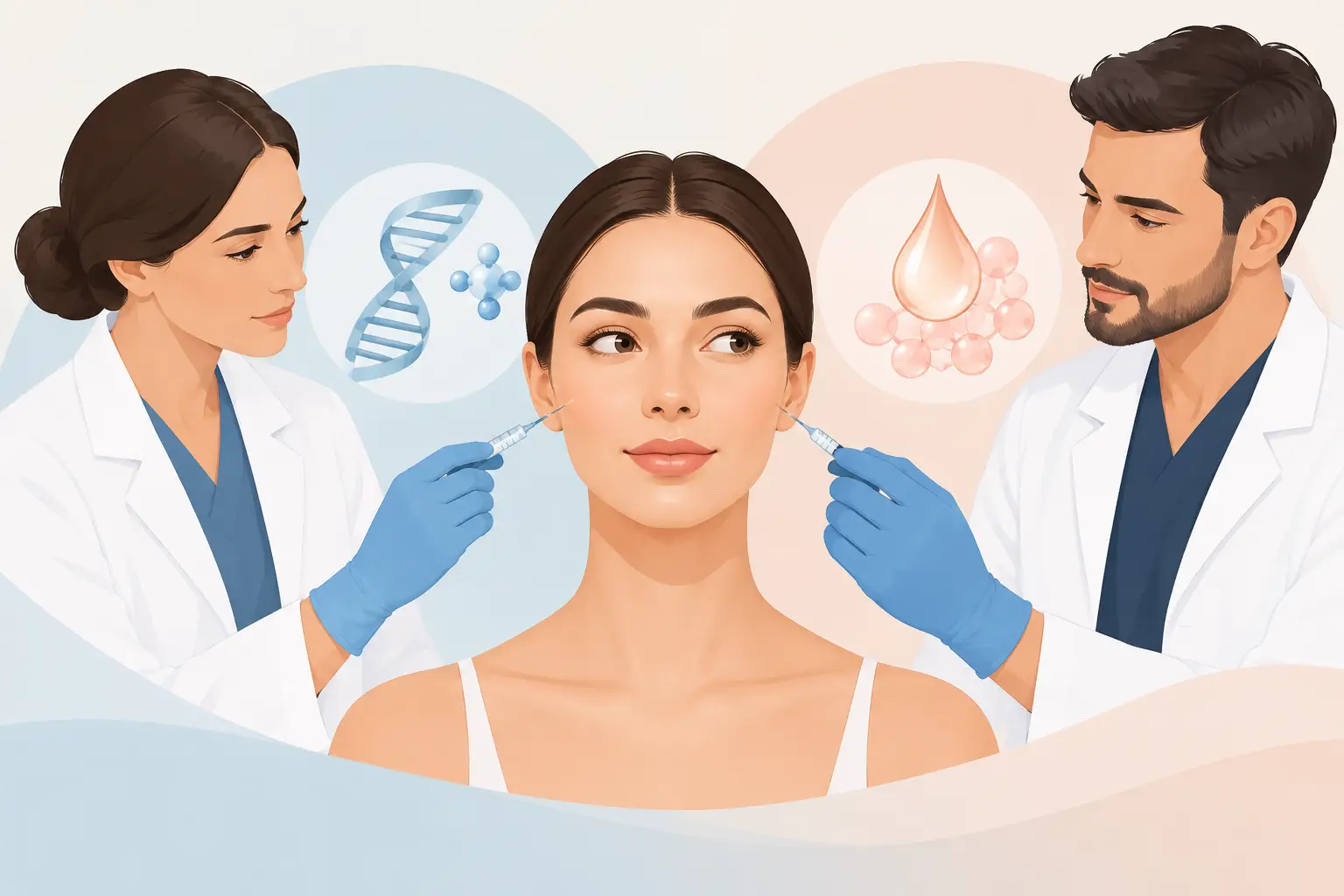
The most popular treatments for women in medical aesthetics are non-surgical procedures such as neuromodulators, dermal fillers, microneedling, and Intense Pulsed Light (IPL), alongside surgical options including rhinoplasty and breast augmentation. Women aged 25–50 are increasingly choosing these treatments not just to reverse signs of ageing, but to maintain and protect their appearance before visible changes take hold. The shift from remediation to prevention, often called “prejuvenation,” is reshaping how clinics like Theaestheticsroom approach personalised care. Understanding which treatments deliver real results, and how to combine them effectively, is the first step toward confident decision-making.
1. What are the top non-surgical aesthetic treatments popular among women?
The five most sought-after non-surgical treatments for women are neuromodulators, dermal fillers, microneedling, CoolSculpting, and IPL. Each targets a different concern, which is why combining them often produces the most natural and refreshed results.
- Neuromodulators (Botox, Dysport): These relax the muscles responsible for expression lines. They work for both prevention in younger women and treating etched lines in women in their 40s and 50s. Results last 3–6 months with almost no recovery time.
- Dermal fillers: Hyaluronic acid and calcium hydroxyapatite fillers restore volume to the cheeks, lips, and jawline. Results typically last 6–12+ months depending on the product and area treated.
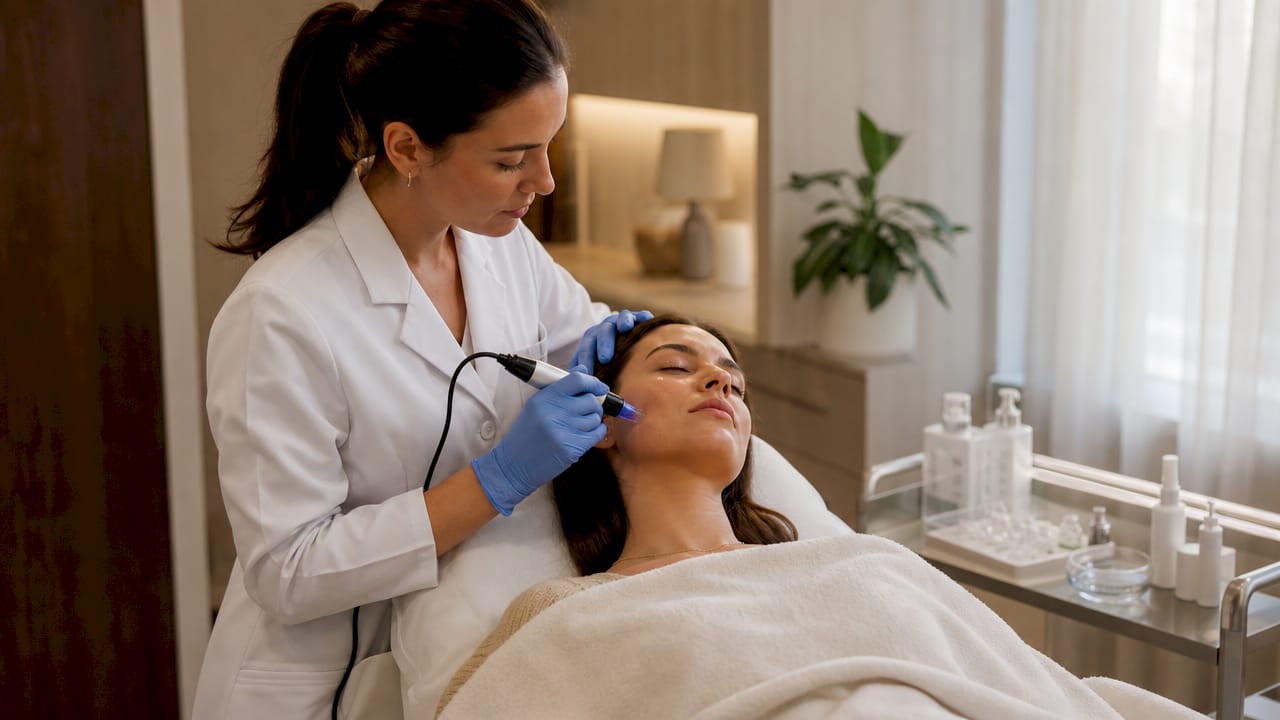
- Microneedling: Fine needles create controlled micro-injuries that stimulate collagen production. The result is improved skin texture, reduced pore size, and firmer skin over a series of sessions.
- Non-invasive fat reduction (CoolSculpting and similar): These treatments use controlled cooling or radiofrequency energy to reduce localised fat deposits without surgery. Theaestheticsroom offers truSculpt body contouring as a clinically proven option in this category.
- Intense Pulsed Light (IPL): IPL targets pigmentation, redness, and uneven skin tone using broad-spectrum light. It is particularly effective for women experiencing sun damage or rosacea.
Pro Tip: Combining IPL with microneedling in a planned sequence delivers synergistic benefits. IPL corrects tone first, then microneedling rebuilds texture and firmness. The result is more balanced than either treatment alone.
The appeal of these treatments lies in their minimal downtime. Neuromodulators require no recovery at all. Microneedling and IPL may cause redness for 24–48 hours, but most women return to normal activity the same day or the next.
2. Which surgical cosmetic procedures remain popular for women seeking more pronounced changes?
Surgical procedures remain the choice for women who want lasting, structural change. The most commonly requested operations include breast augmentation, rhinoplasty, blepharoplasty (eyelid surgery), abdominoplasty (tummy tuck), and breast reduction.
Younger patients now seek rhinoplasty from as early as 16, while skin tightening procedures are increasingly popular among women in their 30s and 40s who want to preserve collagen before significant laxity develops. This reflects the broader “prejuvenation” trend: acting earlier to slow the ageing process rather than correcting it later.
| Procedure | Invasiveness | Typical downtime | Duration of results |
|---|---|---|---|
| Rhinoplasty | High | 2–3 weeks | Permanent |
| Breast augmentation | High | 4–6 weeks | 10–20 years |
| Blepharoplasty | Moderate | 1–2 weeks | 5–10 years |
| Abdominoplasty | High | 4–6 weeks | Long-term with stable weight |
| Breast reduction | High | 3–4 weeks | Permanent |
Recovery time is the primary consideration for most women choosing surgery. Blepharoplasty carries the shortest downtime of the major procedures, making it a practical option for women who cannot take extended time away from work. Rhinoplasty and abdominoplasty require the most planning around social and professional commitments.
The surgical category also includes fat grafting, which transfers the patient’s own fat to restore facial volume. This technique is gaining traction as a natural alternative to synthetic fillers for women seeking longer-lasting volumisation.
3. How do integrated and personalised treatment plans improve results?
Combining injectables with energy-based devices produces more natural results than any single treatment alone. This approach, sometimes called “stacking,” addresses multiple concerns in one planned programme rather than treating each issue in isolation.
A well-designed plan for a woman in her 40s might include:
- Neuromodulators to soften forehead lines and crow’s feet
- Dermal fillers to restore cheek volume and define the jawline
- IPL or laser resurfacing to correct pigmentation and improve overall tone
- Microneedling to rebuild collagen and refine skin texture between sessions
Aesthetic specialists confirm that combining volume restoration, skin tightening, and tone correction tackles the combined signs of ageing far more effectively than addressing each in isolation. This is why Theaestheticsroom builds bespoke treatment plans rather than offering one-size-fits-all packages.
Post-procedure skincare is equally critical. Daily sunscreen use and retinoids are the two most important products for maintaining results and preventing premature ageing between clinic visits. Retinoids accelerate cell turnover, while broad-spectrum SPF 50 protects the skin barrier that treatments work to restore. Pairing in-clinic procedures with a quality topical routine, such as the NuRejuv Collagen Instant Lift Cream, supports collagen levels between sessions.
Pro Tip: Schedule energy-based treatments such as laser resurfacing and IPL in autumn or winter. Reduced sun exposure during these months lowers the risk of post-treatment hyperpigmentation and makes recovery more manageable.
4. What emerging trends and women’s health therapies support appearance and wellbeing?
The most effective approaches to women’s wellbeing now combine medical treatment, aesthetic care, and lifestyle adaptation. No single intervention addresses the full picture.
- Hormone therapy: Systemic hormone therapy is prioritised for women under 60 or within 10 years of menopause. It manages symptoms such as skin thinning, dryness, and mood changes that directly affect appearance and confidence.
- SSRIs and cognitive behavioural therapy (CBT): For women experiencing cycle-related mood disorders or PMDD, CBT programmes have shown meaningful results. These interventions reduce the psychological burden that often accompanies skin and body changes.
- PRP facials: Platelet-rich plasma therapy uses the patient’s own blood to stimulate collagen and accelerate skin repair. It is gaining popularity as a natural, low-risk option for skin rejuvenation.
- Fat grafting: Transferring the patient’s own fat to the face or body offers longer-lasting volume restoration than synthetic fillers and is increasingly requested by women seeking natural-looking results.
- Multimodal care: Medical experts confirm that integrating medical, lifestyle, and aesthetic interventions produces the best outcomes for women’s health and confidence. Treating skin concerns without addressing hormonal or nutritional factors limits long-term results.
Women who address both the internal and external factors affecting their appearance consistently report better, longer-lasting outcomes. Theaestheticsroom’s approach to non-surgical treatments reflects this broader understanding of what confidence actually requires.
Key takeaways
The most effective cosmetic results for women come from combining non-surgical treatments, personalised planning, and consistent post-procedure skincare rather than relying on any single procedure.
| Point | Details |
|---|---|
| Non-surgical treatments lead | Neuromodulators, fillers, microneedling, and IPL are the most popular starting points for women aged 25–50. |
| Prejuvenation is growing | Starting treatments in the 30s preserves collagen and delays the need for more invasive intervention later. |
| Combination plans outperform single treatments | Stacking fillers, energy-based devices, and neuromodulators addresses volume, tone, and texture simultaneously. |
| Post-treatment skincare is non-negotiable | Daily SPF 50 and retinoids are critical to maintaining results and protecting the skin barrier. |
| Wellbeing treatments amplify aesthetic results | Hormone therapy, PRP, and CBT address internal factors that directly affect skin quality and confidence. |
Why I think the “one treatment” approach is holding women back
Women often arrive at a consultation having researched one specific treatment, usually Botox or lip fillers, because that is what they have seen discussed online. The conversation then becomes about that single procedure rather than about what they actually want to achieve.
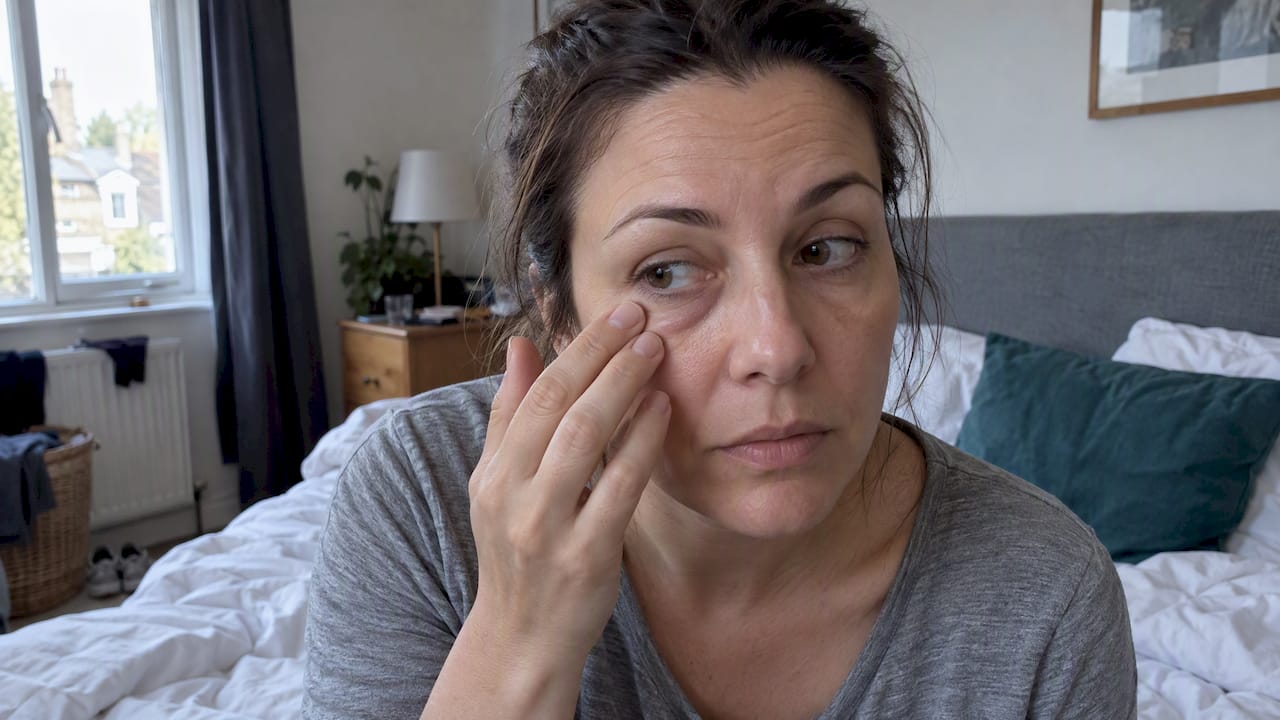
The real shift I have seen in clinical practice is that the women who get the most natural, lasting results are those who approach their appearance as a whole. The “I look tired” complaint, which is one of the most common reasons women seek aesthetic advice, almost never has a single cause. It involves volume loss, skin laxity, and pigmentation changes all happening at once. Treating just one of those factors produces a result that looks incomplete.
The prejuvenation trend is genuinely encouraging. Women in their late 20s and 30s who start with low-dose neuromodulators and a solid skincare routine are protecting their skin’s structural integrity before it becomes a problem. That is a far smarter use of aesthetic medicine than waiting until lines are deeply etched or volume loss is severe.
My honest advice: go into any consultation with a clear idea of the outcome you want, not the treatment you think you need. A good clinician will map the right combination of procedures to get you there. Education and clinical guidance are not optional extras. They are the difference between a result that looks natural and one that does not.
— Vishul
Treatments at Theaestheticsroom worth exploring
Theaestheticsroom is a CQC-accredited medical aesthetics clinic based in Knightsbridge, with practitioners on Harley Street and in Mayfair. The clinic offers a full range of the treatments covered in this article, from Botox for expression lines to dermal fillers for volume restoration, all delivered through personalised treatment plans.
Every plan at Theaestheticsroom begins with a consultation, either in person or virtually, to assess your skin, discuss your goals, and recommend the right combination of treatments. The clinic’s membership of the ACE Group reflects its commitment to patient safety and clinical standards. If you are ready to move from research to results, booking a consultation is the natural next step.
FAQ
What are the most popular non-surgical treatments for women?
The five most popular non-surgical treatments are neuromodulators (such as Botox), dermal fillers, microneedling, non-invasive fat reduction, and IPL. Each targets a different concern, from expression lines to pigmentation and body contouring.
How long do dermal fillers last?
Dermal fillers typically last between 6 and 12+ months, depending on the product used and the area treated. Lips tend to metabolise filler faster than cheeks or the jawline.
What is prejuvenation and is it worth starting early?
Prejuvenation refers to starting aesthetic treatments in your late 20s or 30s to preserve collagen and slow visible ageing before it becomes pronounced. Clinical evidence supports early intervention with neuromodulators and skincare as a cost-effective long-term strategy.
Can non-surgical treatments replace surgery?
Non-surgical treatments address early to moderate signs of ageing effectively, but they cannot replicate the structural changes that surgery achieves. For significant skin laxity, volume loss, or anatomical changes, surgical options remain the most reliable solution.
How do I maintain results between clinic visits?
Daily use of SPF 50 sunscreen and a retinoid product are the two most important steps for maintaining aesthetic results at home. These protect the skin barrier and support the collagen production that in-clinic treatments stimulate.