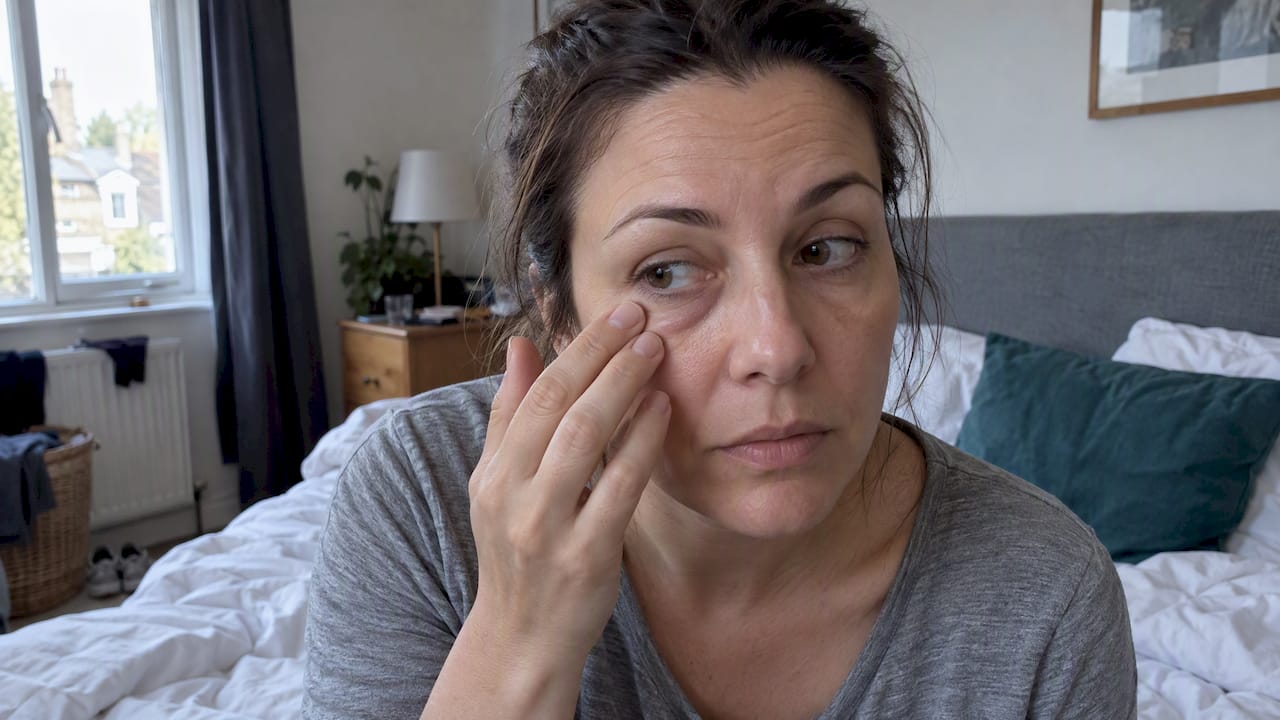


A well-placed filler treatment should not make you look like someone else. It should make you look fresher, better rested and more in balance – often in ways other people notice without knowing exactly why. That is why dermal fillers remain one of the most requested non-surgical aesthetic treatments. When they are approached with medical judgement, restraint and a personalised plan, they can restore structure, soften shadows and support natural-looking enhancement.
What are dermal fillers?
Dermal fillers are injectable gels used to restore lost volume, improve facial proportions and soften certain lines or hollows. Most modern fillers used in reputable medical aesthetic practice are made from hyaluronic acid, a substance that occurs naturally in the body and attracts water. This makes it particularly useful for adding hydration and gentle support as well as shape.
The appeal is easy to understand. Ageing rarely shows up as one isolated line. More often, it appears as a gradual loss of support through the cheeks, temples, jawline and around the mouth. Skin can begin to look less firm, facial contours can soften, and features that once felt balanced may start to feel drawn or tired. Filler treatment can address these changes without surgery, but the result depends far less on the syringe and far more on the assessment behind it.
Where dermal fillers are commonly used
Different areas call for different techniques, products and expectations. Lips are perhaps the best-known treatment area, but they are only one part of the picture. Fillers may also be used in the cheeks to restore support, in the chin to improve profile balance, along the jawline for definition, and in the tear trough area when under-eye hollowing is suitable for treatment.
They can also help soften nasolabial folds and marionette lines, though these areas often benefit most when the face is assessed as a whole rather than treated in isolation. A fold is not always the starting point. In many cases, lifting and supporting the mid-face creates a better, more natural outcome than placing product directly into a line.
This is where bespoke planning matters. Two patients may ask for the same thing – for example, more definition or a less tired appearance – yet need completely different treatment approaches. One may need subtle cheek support, another may benefit more from chin projection, and a third may be better suited to skin treatments rather than filler at all.
Why consultation matters more than trend
There is a clear difference between asking for a popular treatment and being advised on what actually suits your face. A proper consultation should consider facial anatomy, skin quality, movement, proportions, previous treatment history and overall goals. It should also include a frank discussion about what not to treat.
This is especially important in an industry where trends move quickly. A look that appears fashionable on social media may not age well, may not suit your features and may not reflect the polished, understated result most patients actually want in real life. More filler is not better filler. In experienced hands, the aim is usually strategic placement with enough restraint to preserve expression and individuality.
For many patients, reassurance comes from knowing their treatment is being planned in a clinical setting with medical oversight. Safety, product choice and anatomical understanding should never be treated as optional extras. They are central to the result.
How long do dermal fillers last?
This depends on the area treated, the product used, your metabolism and the movement in that part of the face. As a general guide, many hyaluronic acid fillers last between 6 and 18 months. Lips may break down more quickly because they are highly mobile, while deeper structural areas can last longer.
That said, longevity is not the only question worth asking. A better one is whether the treatment will settle well, look appropriate over time and support your features as they change. Chasing maximum duration can sometimes lead to heavier results. For many patients, a lighter treatment refreshed when needed gives a more elegant outcome than overfilling in the hope of making it last.
What results should you expect?
Good filler results are often subtle at first glance. You may notice improved contour, softer shadows, more hydration in the lips or better balance from profile to front view. Friends may say you look well. You should still look like yourself.
It is also worth being realistic. Fillers can restore volume and structure, but they do not replace every other treatment. If skin texture, pigmentation, laxity or muscle movement are the main concern, a different treatment or a combination approach may be more suitable. This is one reason medically led clinics often look beyond the single appointment and towards a wider treatment plan. The best aesthetic outcomes tend to come from understanding the full picture rather than trying to make one product do everything.
Are dermal fillers safe?
Dermal fillers can be safe when they are carried out by appropriately trained medical professionals using quality products, careful technique and proper emergency protocols. They are not risk free. Bruising, swelling and tenderness are common short-term effects. More serious complications, while uncommon, can occur and require prompt recognition and treatment.
This is why provider choice matters so much. Price alone should never be the deciding factor. A thorough consultation, clear consent process, strong hygiene standards and an environment that prioritises patient safety all tell you more than a special offer ever will. Patients increasingly want the reassurance of a clinic that treats aesthetics with the same seriousness as any other medical procedure, and rightly so.
Who is a good candidate for filler treatment?
The best candidates are usually those who want refinement rather than reinvention. They may be noticing volume loss, reduced definition or a feature that feels slightly out of balance. They may also have had treatment elsewhere and feel the result looked too obvious, too heavy or simply not right for them.
Suitability depends on several factors, including your anatomy, medical history, skin condition and expectations. Some patients are better starting with skin optimisation before considering filler. Others may benefit from dissolving previous filler before any new treatment is planned. In a premium consultation-led setting, saying not yet or not this treatment is sometimes the most appropriate advice.
The importance of a bespoke plan
The strongest results rarely come from treating a single area in isolation because a face is not experienced in fragments. Balance matters. Proportion matters. So does timing.
For example, lip filler on a face that has lost structural support elsewhere may not create the harmony the patient is looking for. Equally, jawline definition may be limited if the chin has not been properly assessed. A bespoke plan considers how each feature relates to the whole face and whether treatment should be staged over time rather than done all at once.
At The Aesthetics Room, this kind of personalised planning is central to how patients are assessed. For a discerning London patient, that often matters just as much as the treatment itself. They are not looking for a standardised beauty service. They want experienced guidance, natural results and the confidence that every recommendation has a reason behind it.
Before and aftercare for dermal fillers
Preparation and aftercare are straightforward, but they still matter. Before treatment, patients are usually advised to avoid anything that may increase bruising where appropriate and to attend with clean skin. After treatment, there may be swelling, minor asymmetry during the settling phase, and tenderness for a few days depending on the area.
Most people return quickly to normal activity, but there are sensible precautions around heat, pressure on the area and intense exercise for a short period. More importantly, you should know exactly what is normal, what is not, and who to contact if you have concerns. Good aftercare is part of good treatment, not an afterthought.
Dermal fillers should be tailored, not sold
The most sophisticated aesthetic work is rarely the most obvious. It is thoughtful, proportionate and built around the person rather than the trend. Dermal fillers can achieve beautiful results, but only when they are used with clinical judgement and a clear understanding of what the patient actually needs.
If you are considering treatment, look for a consultation that feels considered rather than rushed. Ask questions. Expect honesty. The right plan should leave you feeling informed, reassured and confident that enhancement is being approached with care – because the best results begin long before any product is placed.