
TL;DR:
- Managing rosacea involves tailored skincare, medical treatments, and lifestyle changes to control symptoms.
- It requires ongoing effort because rosacea is a chronic condition needing lifelong management.
Rosacea management is defined as the ongoing process of controlling symptoms, preventing flare-ups, and protecting skin health through personalised skincare, medical treatment, and lifestyle adjustments. Rosacea affects approximately 10% of UK adults, making it one of the most common chronic skin conditions in the country. That prevalence means millions of people are navigating redness, sensitivity, and visible vessels without a clear plan. The British Skin Foundation and NICE both emphasise that early, tailored intervention produces far better outcomes than waiting for symptoms to worsen. Understanding what rosacea management involves is the first step towards taking real control of your skin.
What is rosacea management and how do symptoms guide it?
Rosacea management is not a single treatment. It is a structured, adaptable approach built around your specific symptom pattern, known clinically as your phenotype. Recognising which phenotype you have determines which treatments work and which to avoid.
The four main rosacea phenotypes are:
- Vascular rosacea: Persistent facial redness, flushing, and visible blood vessels (telangiectasia). This type responds well to physical sunscreens and trigger avoidance, but topical antibiotics offer limited benefit.
- Inflammatory rosacea: Papules and pustules that resemble acne but are not caused by the same mechanism. Topical ivermectin, azelaic acid, and metronidazole are the primary treatments.
- Ocular rosacea: Affects the eyes, causing dryness, grittiness, and irritation. Eye symptoms including pain, blurred vision, and light sensitivity require urgent medical attention due to the risk of keratitis, a serious corneal complication.
- Rhinophyma: Thickening of the nasal skin, more common in men, typically requiring specialist intervention.
NICE-aligned guidelines recommend phenotype assessment at the first clinical appointment. This matters because treating vascular rosacea with acne-targeted products, for example, often worsens the condition rather than improving it. Knowing your type prevents wasted months on the wrong approach.
How does tailored skincare contribute to effective rosacea management?
Skincare is the foundation of rosacea care. The wrong products can trigger a flare within hours. The right ones protect the skin barrier, reduce baseline redness, and make medical treatments more effective.
Choosing the right cleanser
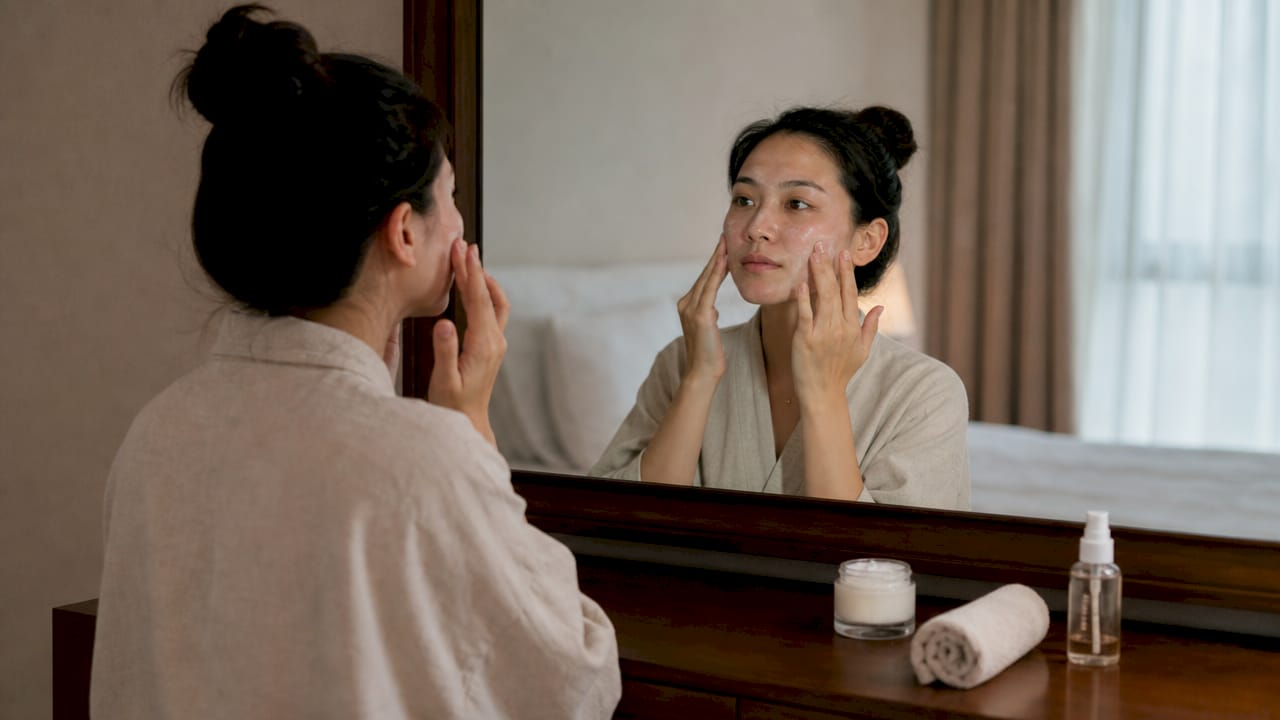
Cream-based or oil-based cleansers preserve the skin barrier far better than foaming or exfoliating alternatives. A cleanser that leaves skin feeling “squeaky clean” has stripped away protective lipids. For rosacea-prone skin, that stripping effect triggers inflammation directly. Choose a cleanser that leaves skin feeling soft and comfortable, not tight.
Pro Tip: Cleanse your face after your shower, not during it. Hot water and surfactants from shampoo and conditioner running down your face are common rosacea triggers. Washing your face at the sink with lukewarm water after you step out removes this risk entirely.
Moisturising and sun protection
Moisturising with a non-perfumed, barrier-repair formulation is non-negotiable for rosacea-prone skin. Look for ingredients such as ceramides, niacinamide, and hyaluronic acid, which repair and maintain the skin barrier without causing irritation. Apply daily, even on days when your skin feels calm.
Sun protection is equally critical. Use a physical sunscreen with SPF 30 or above every morning. Physical sunscreens containing zinc oxide or titanium dioxide sit on top of the skin rather than absorbing into it, making them far less likely to irritate sensitive skin than chemical alternatives.
What to avoid
- Foaming cleansers and exfoliating scrubs
- Fragranced moisturisers and toners
- Alcohol-based products
- Standard acne treatments, including benzoyl peroxide and salicylic acid, which worsen rosacea symptoms
- Over-the-counter corticosteroid creams, which can cause rebound redness and long-term skin thinning
Building a stepwise skincare routine that accounts for rosacea sensitivity takes patience, but it pays off consistently over time.
What medical treatment options are available for rosacea?
Medical treatments for rosacea target either inflammation or visible vessels, depending on your phenotype. No single treatment addresses all symptoms, which is why combination approaches are common.
-
Topical ivermectin (Soolantra): The most effective topical treatment for inflammatory rosacea. Applied once daily, it targets Demodex mites, which are found in higher numbers on rosacea-prone skin and contribute to inflammation. Topical therapies require at least 8 weeks to show meaningful improvement. Commit to the full course before assessing results.
-
Azelaic acid: Available in 15% gel or 20% cream formulations. It reduces papules, pustules, and redness with a good tolerability profile. Particularly useful for patients who cannot tolerate ivermectin or who have mild to moderate inflammatory rosacea.
-
Metronidazole (0.75% or 1%): A topical antibiotic with anti-inflammatory properties. Used for inflammatory rosacea and often prescribed as a maintenance therapy once initial control is achieved. Less effective than ivermectin for moderate to severe cases.
-
Oral antibiotics (tetracyclines and macrolides): Prescribed for moderate to severe inflammatory rosacea. Their benefit comes primarily from anti-inflammatory action rather than antibiotic effect. Oral antibiotic courses typically run for 6–16 weeks. Doxycycline at sub-antimicrobial doses (40mg modified-release) is the preferred option in UK practice, minimising antibiotic resistance risk.
-
Isotretinoin: Reserved for severe, treatment-resistant rosacea or rhinophyma under specialist supervision. It reduces sebaceous gland activity and inflammation significantly. Requires careful monitoring due to its side-effect profile.
-
Laser and light-based therapies: Pulsed dye laser (PDL) and intense pulsed light (IPL) target visible blood vessels and persistent redness. These are not first-line treatments but offer meaningful improvement for vascular rosacea that does not respond to topical or oral therapy.
One critical point: none of these treatments permanently eliminate rosacea. They control it. That distinction shapes how you approach long-term care.
Which lifestyle changes help reduce rosacea flare-ups?
Trigger avoidance is as important as any prescription treatment. Many people find that identifying and removing their personal triggers reduces flare frequency dramatically, sometimes more than medication alone.
Common rosacea triggers include:
- Heat: Hot baths, saunas, and hot drinks are among the most consistent triggers across all phenotypes.
- Sun exposure: UV radiation dilates blood vessels and worsens redness. Daily SPF use is non-negotiable.
- Spicy food and alcohol: Both cause vasodilation. Red wine is a particularly common trigger.
- Stress: Psychological stress activates the skin-brain axis, increasing inflammatory signalling in the skin.
- Certain skincare ingredients: Alcohol, fragrance, menthol, and witch hazel are frequent offenders.
Pro Tip: Keep a trigger diary for four weeks. Record what you ate, drank, and applied to your skin on days when your rosacea flared. Patterns emerge quickly. This approach personalises your avoidance strategy far more effectively than following a generic list.
Stress management deserves particular attention. Sleep deprivation and chronic stress both worsen rosacea through the skin-brain axis, a bidirectional communication pathway between the nervous system and skin cells. Prioritising seven to eight hours of sleep and incorporating stress-reduction practices such as mindfulness or regular exercise produces measurable skin benefits over time.
Nutrition also plays a supporting role. An anti-inflammatory diet rich in omega-3 fatty acids, leafy greens, and fermented foods supports gut health, which emerging research links to rosacea severity. Skin-supporting supplements such as omega-3s and zinc may complement your overall skin health plan, though they do not replace medical treatment.
How can long-term maintenance maximise rosacea control?
Rosacea is a chronic condition requiring continuous management rather than a fixed course of treatment. The goal shifts from clearing active symptoms to sustaining that clearance at the lowest effective treatment intensity.
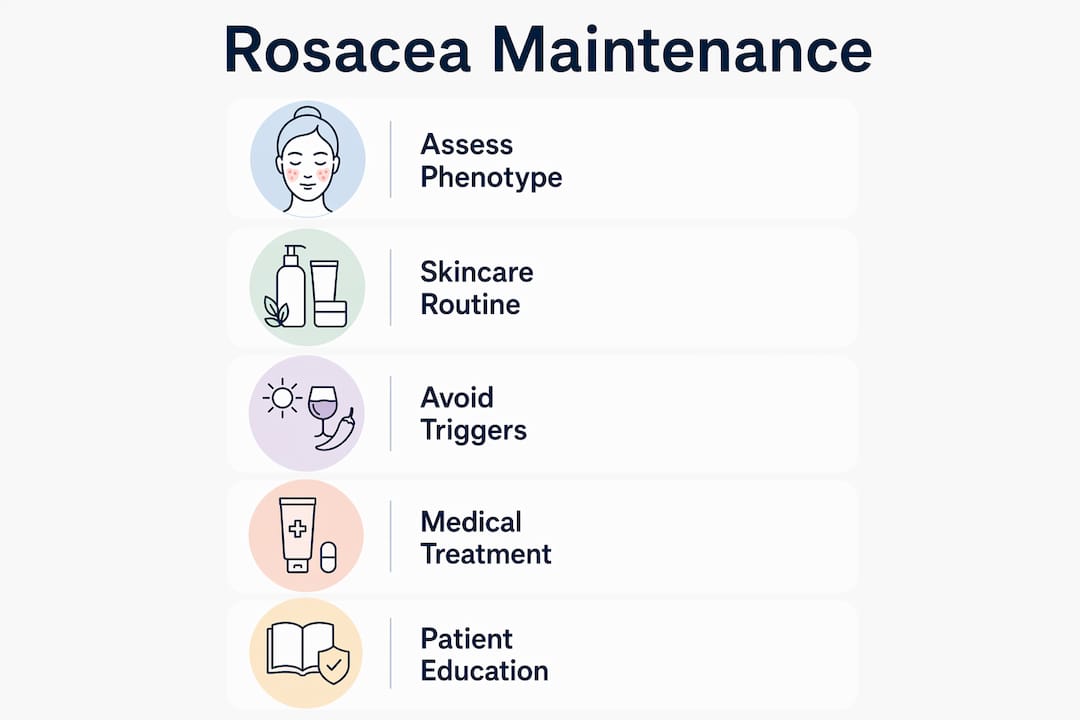
Simplified, patient-centred care pathways, as advocated by the REACH Global Scientific Committee, consistently outperform rigid protocols. This means your treatment plan should evolve with your skin, not stay fixed at the same dose and product indefinitely.
| Maintenance strategy | Why it matters |
|---|---|
| Use minimum effective treatment dose | Reduces side effects and antibiotic resistance risk over time |
| Track symptoms monthly | Allows early identification of flares before they escalate |
| Schedule annual skin reviews | Enables timely adjustment of topical or oral therapy |
| Monitor for ocular symptoms | Ocular rosacea can progress silently; early review prevents complications |
| Avoid corticosteroid misuse | Unsupervised steroid use causes rebound redness and skin thinning |
Patient education is the single most underrated element of long-term rosacea control. People who understand their condition, know their triggers, and feel confident managing their skincare routine maintain clearer skin for longer. Seeking expert skin treatment guidance from a qualified practitioner gives you a personalised framework rather than a generic plan.
Key takeaways
Effective rosacea management combines phenotype-specific medical treatment, barrier-protective skincare, and consistent trigger avoidance within a long-term, patient-led maintenance plan.
| Point | Details |
|---|---|
| Phenotype drives treatment | Identify your rosacea type first; it determines which treatments will and will not work. |
| Skincare is foundational | Use cream-based cleansers, barrier-repair moisturisers, and SPF 30+ physical sunscreen daily. |
| Medical treatments take time | Topical therapies need at least 8 weeks; oral antibiotics typically run for 6–16 weeks. |
| Trigger avoidance is personalised | Keep a diary to identify your specific triggers rather than following a generic list. |
| Maintenance is lifelong | Use the minimum effective treatment to sustain clear skin and review your plan annually. |
What I have learned from years of watching rosacea patients struggle
The most common mistake I see is people treating rosacea like acne. They reach for salicylic acid cleansers, benzoyl peroxide spot treatments, and exfoliating toners, then wonder why their skin is angrier than ever. Rosacea and acne share some visual similarities, but the underlying mechanisms are entirely different. Acne treatments are often deeply irritating to rosacea-prone skin. That confusion costs people months of unnecessary suffering.
The second pattern I notice is over-reliance on antibiotics. Oral doxycycline is genuinely useful for inflammatory rosacea, but it is not a permanent solution. People complete a 12-week course, see improvement, stop, and then flare again within weeks. The antibiotic addressed the inflammation but nothing changed in their skincare routine or trigger habits. The flare was inevitable.
What actually works long-term is the combination approach. Medical treatment clears the active inflammation. Barrier-protective skincare prevents daily micro-damage. Trigger avoidance reduces the frequency of flares. And patient education ties it all together. The gut health angle is also worth watching. Emerging research on the skin-brain axis and gut microbiome suggests that what you eat and how you manage stress influences rosacea severity more than most people realise. It is not a replacement for topical or oral therapy, but it is a meaningful addition.
My honest advice: get a proper phenotype assessment from a qualified practitioner before spending money on products. Knowing exactly what type of rosacea you have makes every subsequent decision clearer, cheaper, and more effective. Managing sensitive, reactive skin is genuinely achievable when you have the right framework.
— Vishul
How Theaestheticsroom supports your rosacea care
Rosacea responds best to professional assessment followed by a personalised care plan, and that is exactly what Theaestheticsroom provides. Based in Knightsbridge and accredited by the CQC, Theaestheticsroom offers expert skin consultations that identify your specific rosacea phenotype and recommend treatments matched to your skin’s needs.

Whether you are managing persistent redness, inflammatory papules, or post-treatment maintenance, the team at Theaestheticsroom builds a plan around your skin, not a generic protocol. From gentle skin rejuvenation treatments to tailored skincare guidance, every recommendation is grounded in clinical expertise and patient safety. Book a consultation at Theaestheticsroom and take the first step towards calmer, clearer skin with a team that understands the condition in depth.
FAQ
What is rosacea management in simple terms?
Rosacea management is the ongoing process of controlling symptoms through personalised skincare, medical treatments, and trigger avoidance. It is not a cure but a long-term strategy to keep the condition under control.
How long does rosacea treatment take to work?
Topical treatments such as ivermectin and azelaic acid require at least 8 weeks to show significant improvement. Oral antibiotics are typically prescribed for 6–16 weeks depending on severity.
Can rosacea be cured permanently?
Rosacea cannot be permanently cured. It is a chronic condition requiring ongoing maintenance therapy at the minimum effective dose to sustain clear skin over time.
Which skincare products should I avoid with rosacea?
Avoid foaming cleansers, fragranced products, alcohol-based toners, acne treatments containing benzoyl peroxide or salicylic acid, and over-the-counter corticosteroid creams, as all of these worsen rosacea symptoms.
When should I seek urgent medical advice for rosacea?
Seek urgent medical advice if you experience eye pain, blurred vision, light sensitivity, or a gritty sensation in the eyes. These symptoms may indicate ocular rosacea with risk of serious corneal complications.
Recommended
- Glowing skin guide: achieve radiance with expert treatments – The Aesthetics Room
- Acne scar treatment tips: your 2026 skin guide – The Aesthetics Room
- How to manage sensitive skin: expert strategies for calm skin – The Aesthetics Room
- Master your at-home skincare workflow for radiant skin – The Aesthetics Room