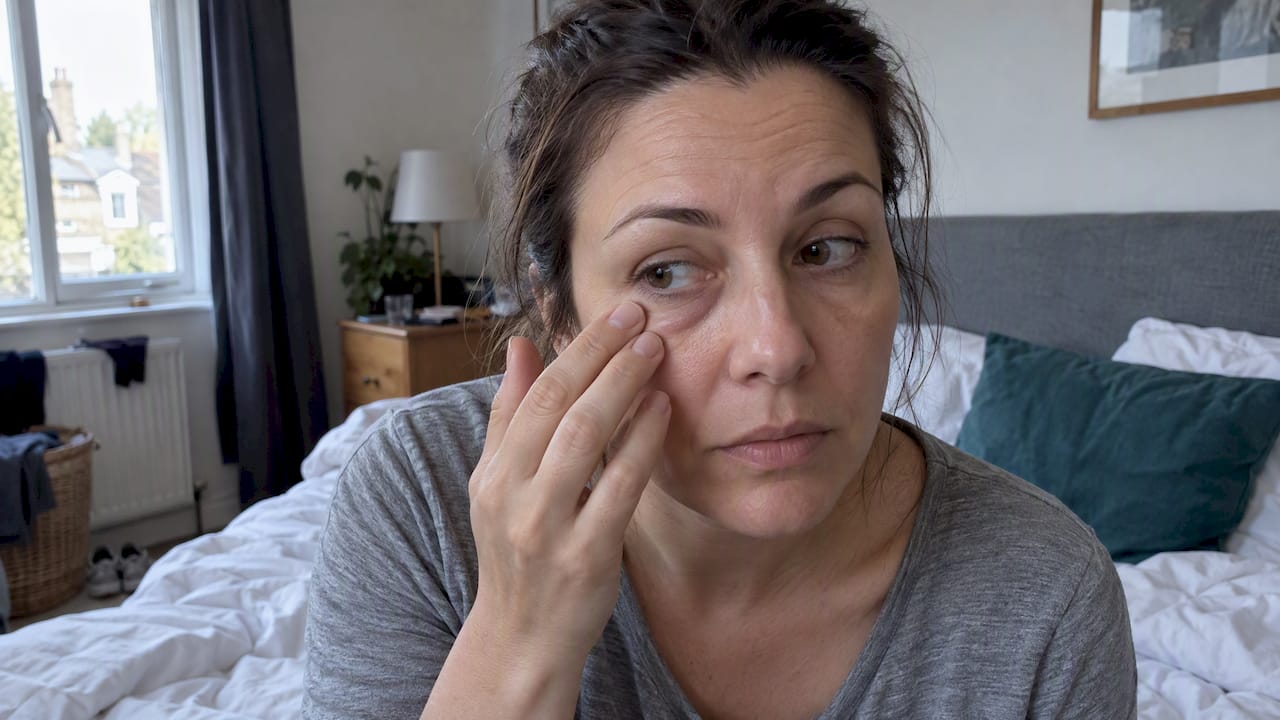


A treatment that looks excellent on one person can look overdone, ineffective or simply out of place on another. Facial structure, skin behaviour, lifestyle, medical history and personal preference all change what a good result should be. This guide to bespoke aesthetic treatment plans explains why a considered consultation is the starting point for natural-looking, confidence-building care.
The aim is not to create a different face, chase every concern at once or follow a passing trend. It is to understand what you would like to refine, protect or restore, then create a clinically appropriate route towards it. For some patients, that means a small amount of carefully placed dermal filler. For others, skin quality, muscle activity, hair health, body concerns or general wellbeing may need attention first.
What makes an aesthetic treatment plan bespoke?
A bespoke plan is designed around the person in front of the practitioner, rather than a menu of pre-set treatments. It begins with listening: what concerns you when you look in the mirror, what result would feel like you, and what has or has not worked for you before? This conversation matters as much as the treatment itself.
A thorough assessment also considers the features and tissues that influence a result. In facial aesthetics, that may include proportions, volume distribution, skin laxity, facial movement and the relationship between the forehead, eyes, cheeks, jawline and lips. Treating one area in isolation can occasionally be appropriate, but it is not always the most flattering or efficient approach.
The same principle applies beyond the face. Uneven skin tone may be affected by pigmentation, inflammation, barrier function, sun exposure and skincare habits. A body-contouring concern may respond differently depending on the amount and location of tissue, circulation, lifestyle and the treatment selected. Hair changes can have several potential causes, some of which should be explored before any aesthetic intervention is considered.
A medically led provider should also ask about your health, current medication, allergies, previous procedures and relevant contraindications. This protects your wellbeing and helps establish whether treatment is suitable now, should be adjusted, or should be postponed. A good plan is sometimes a decision not to treat.
The consultation: where thoughtful results begin
A premium consultation should feel unhurried, private and focused. You should never feel pressured to agree to a procedure on the day simply because you have asked about it. There is value in taking time to reflect, particularly if you are new to injectables, have had an unsatisfactory experience elsewhere or are considering a more involved programme.
Your practitioner may take clinical photographs, where appropriate and with your consent, to support assessment and track change over time. They should discuss realistic outcomes, the anticipated longevity of treatment, aftercare, potential side effects and material risks. Natural results are not the same as invisible results: the goal is a refined improvement that remains harmonious with your expressions and identity.
It is equally useful to be clear about your priorities. Are you preparing for a milestone, looking to preserve skin quality over the long term, or hoping to address a concern that has affected your confidence for years? There is no single right reason for treatment, but the timeline and desired outcome influence the recommendation.
Questions a responsible plan should answer
Before agreeing to treatment, you should understand what is being recommended and why. That includes which concern is being addressed first, what alternatives have been considered, how many sessions may be needed and when results can reasonably be reviewed.
It should also be clear what treatment cannot achieve. Anti-wrinkle injections can soften muscle movement but will not replace lost facial volume. Dermal fillers can restore or enhance contour in selected areas, but they are not a substitute for good skin health or a surgical result. Skin treatments can improve texture, clarity and radiance, yet changes in pigmentation or scarring may require consistency and time.
Clear expectations are a mark of quality care, not a lack of ambition.
Building a plan around your priorities
Many patients benefit from a phased approach. It is often wiser to begin with a foundation, assess the response, then make carefully judged refinements. This avoids overtreatment and allows your practitioner to see how your features, skin or body respond in real life rather than only on the day of consultation.
For facial concerns, a plan might focus first on skin quality and hydration, then consider subtle balancing of volume or muscle activity. Someone concerned about a tired appearance may not need more filler in every area. They may benefit from a combination of skin optimisation, targeted support where volume has changed and a review of the movement patterns contributing to lines.
For patients who want a more comprehensive skin strategy, a structured protocol can bring consistency to treatment selection and home care. The Aesthetics Room’s seven pillar skin optimisation protocol considers the wider factors that influence visible skin health, rather than treating a single symptom in isolation. Professional treatments and medical-grade skincare work best when they are selected for your skin’s current condition, tolerance and goals.
Body and wellbeing treatments also deserve individual planning. Fat dissolving, lymphatic drainage, muscle sculpting and fat-burning technologies each have different indications, recovery considerations and expected outcomes. They are not interchangeable, and they are not shortcuts around a healthy routine. A consultation should establish whether the treatment matches the area of concern and whether a course, maintenance schedule or alternative option is more appropriate.
Where IV vitamin therapy or blood testing is being considered, the discussion should be equally careful. Feeling run-down, noticing hair changes or struggling with energy can be linked to many factors. Testing and medical assessment can help ensure that any wellbeing plan is informed rather than based on assumption.
Why sequencing matters
The order of treatments can affect both safety and results. Active irritation, impaired skin barrier function or an upcoming holiday in strong sunshine may alter the timing of certain skin procedures. Facial treatments may need to be spaced to allow swelling to settle and results to be accurately reviewed. If you have a significant event approaching, planning should begin well in advance rather than in the final few days.
Sequencing is also about value. Starting with the treatment that offers the most meaningful improvement for your main concern can prevent unnecessary procedures. A skilled practitioner will explain where it makes sense to invest now, where waiting is sensible and where maintenance may offer more benefit than escalation.
This is particularly relevant for patients who have previously received repeated treatments without a clear plan. More is not automatically better. In aesthetics, restraint, proportion and review appointments are often what preserve a polished result over time.
Safety is part of the luxury experience
A refined clinic experience is not defined only by the surroundings. It is defined by standards: properly trained practitioners, sound clinical judgement, hygienic practice, appropriate products, informed consent and access to aftercare. Credentials and professional affiliations matter because they demonstrate a commitment to accountability, education and patient safety.
Choose a provider who is open about their medical oversight and who has clear processes for consultations, consent, record keeping and managing complications. CQC registration and affiliations such as the ACE Group can provide reassurance, but they should sit alongside the quality of the individual assessment and the way you are treated as a patient.
Be cautious of fixed-price packages offered without a consultation, dramatic promises or pressure to have several procedures at once. A responsible practitioner will welcome questions, explain the reasoning behind their recommendation and respect your decision if you are not ready to proceed.
Reviewing, refining and maintaining your result
A bespoke plan should not end when you leave the clinic. Review appointments allow your practitioner to assess healing, response and satisfaction, then refine the plan only if needed. This is especially valuable with treatments that develop gradually or require a course.
Maintenance is individual. Some patients prefer a light, preventative approach over several years; others seek occasional treatment around a specific concern. Your skin, facial anatomy, metabolism, lifestyle and treatment choice all influence how long a result may last. Honest review prevents the cycle of treating by habit rather than treating with purpose.
The most reassuring aesthetic plan is one that gives you clarity, not pressure. Choose a consultation where your concerns are heard, your safety is protected and every recommendation has a reason. The best result should leave you looking well, feeling confident and still unmistakably yourself.