
A fat dissolving treatment review should begin with a realistic question: are you hoping to refine a small, stubborn area, or are you expecting a dramatic weight-loss result? Injectable fat dissolving treatments can be a considered option for localised pockets of fat that persist despite a healthy lifestyle, but they are not a substitute for weight management, surgery or a carefully tailored body-contouring plan.
For the right patient, the appeal is clear. There is no general anaesthetic, no surgical incision and no need to step away from daily life for an extended recovery. Yet a good result relies on much more than the product itself. Your anatomy, skin quality, medical history, the area being treated and your willingness to allow time for a gradual change all matter.
What is a fat dissolving treatment?
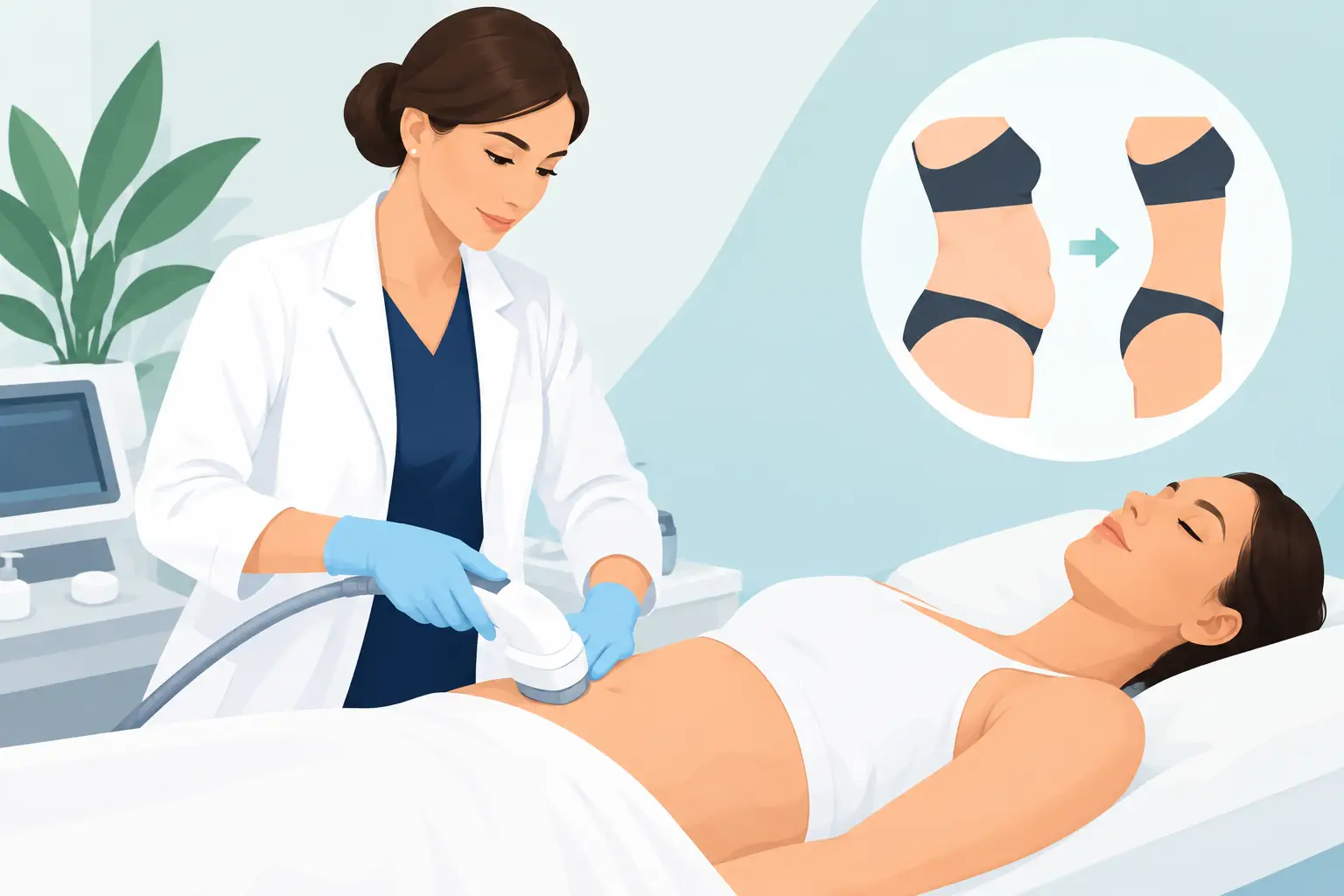
Fat dissolving treatment usually refers to carefully placed injections designed to break down fat cells in a targeted area. Once disrupted, the body processes the released contents naturally over time. The treatment is most commonly considered for smaller areas such as the chin and jawline, where even a modest amount of fullness can affect facial definition. Depending on suitability and the product selected, areas of the body may also be assessed.
It is not a treatment to choose from a menu without a consultation. A practitioner should establish whether the fullness is caused by subcutaneous fat, loose skin, muscle structure, fluid retention or a combination of factors. Treating the wrong concern can lead to disappointment, even where the injections have been performed correctly.
For example, a softer jawline may be caused by fat beneath the chin, but it may also relate to skin laxity or facial proportions. In that situation, a bespoke plan could involve a different treatment, or a combination approach, rather than fat dissolving injections alone.
Fat dissolving treatment review: what results can you expect?
The most satisfying results tend to look refined rather than obvious. Patients often want a cleaner transition between the chin and neck, a little more contour through the lower face, or a reduction in a small area that feels out of proportion with the rest of their body. Results develop gradually, typically over several weeks, as the body responds to the treatment.
One session may be enough for a very small concern, but many patients need a course of treatments. The precise number depends on the treatment area, the amount of localised fat, the product used and how the tissue responds. Promising a fixed number of sessions before assessing you properly is not a premium standard of care.
There is also an important distinction between reducing fat and tightening skin. When an area has good skin elasticity, gradual fat reduction may reveal a more defined shape. If skin is already lax, removing volume can sometimes make looseness more noticeable. This is why an honest consultation may include a discussion of skin-quality treatments, energy-based options, muscle sculpting or lymphatic drainage where appropriate.
Long-term results can be rewarding when the treatment is suitable and weight remains broadly stable. However, the body can still store fat in remaining fat cells if there is significant weight gain. Think of fat dissolving as contour refinement, not permanent immunity from future changes in body composition.
The treatment experience and downtime
Appointments begin with assessment, consent and treatment planning. The area is cleaned and marked, and injections are placed at planned points within the fatty tissue. A topical numbing cream may be offered where appropriate, though patients can still expect short-lived stinging or pressure during treatment.
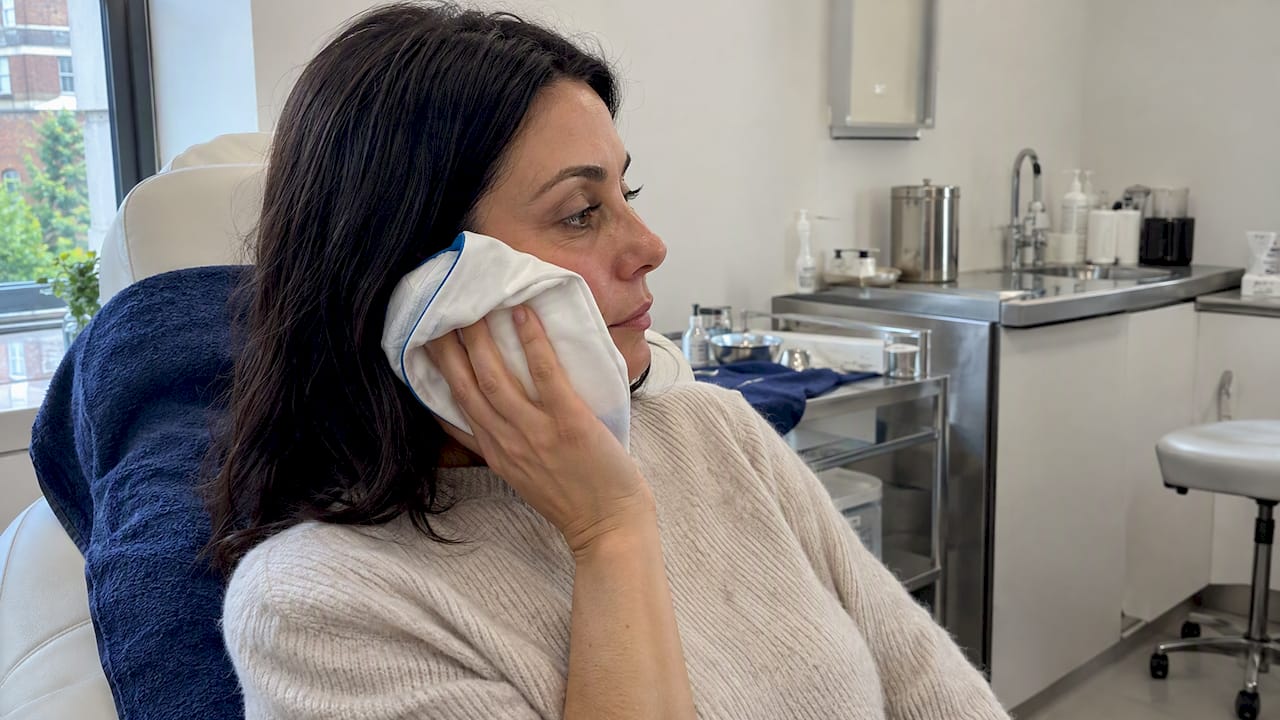
Swelling is a normal and anticipated part of the response. It can be particularly noticeable beneath the chin, and may be more pronounced during the first few days. Tenderness, redness, bruising, firmness and temporary numbness can also occur. Some patients feel comfortable returning to work quickly, particularly if they can work remotely, while others prefer to schedule treatment before a quieter few days.
This is not the ideal treatment to book immediately before a major event, professional headshot or holiday. The exact downtime is unpredictable from person to person, so allowing a generous window before an important date is sensible. Your practitioner should give you clear aftercare tailored to the product and area treated, including when to seek advice if you are concerned.
Safety matters more than a low headline price
Injectable body and facial treatments require clinical judgement. The treatment needs to be placed in the correct tissue plane, at appropriate points and in an amount that suits the individual. Inexperienced placement can increase the risk of unwanted outcomes, which is why choosing solely on price is rarely a sound decision.
A responsible practitioner will review your health history, medications, allergies and previous aesthetic treatments. They should also explain expected side effects, less common risks, the likely recovery period and the limits of what can be achieved. You should feel able to ask questions without being rushed towards a booking.
Fat dissolving injections may not be appropriate if you are pregnant or breastfeeding, have an active skin infection in the treatment area, certain medical conditions, or a history that warrants further assessment. A consultation is also the place to discuss whether the concern may be better addressed through nutrition support, exercise, medical weight-management advice or another aesthetic treatment.
At a medically led clinic, safety is not a line on a consent form. It is reflected in appropriate patient selection, sterile technique, accurate documentation, clear aftercare and access to professional support. For a treatment that deliberately creates an inflammatory response, those standards matter.
Who is most likely to be a good candidate?
The strongest candidates are generally close to a stable, healthy weight and concerned by a defined pocket of pinchable fat rather than widespread body fat. They have realistic expectations, reasonable skin elasticity and the patience to wait for a gradual outcome. They are also comfortable with temporary swelling and understand that more than one session may be recommended.
Fat dissolving may be less suitable where there is substantial skin laxity, a larger volume of fat, unstable weight or expectations of a surgical-style transformation. It may also be the wrong choice for patients who need a result by a fixed date. An experienced practitioner should be comfortable saying so and suggesting a more suitable route.
Questions worth asking at your consultation
Rather than asking only, “How much does it cost?”, ask whether you are a suitable candidate and what the practitioner sees when they assess the area. Find out which product they recommend and why, how many sessions are likely, how far apart they should be, and what result is realistic for your anatomy.
You should also ask about anticipated swelling, the clinic’s aftercare process, who will perform the injections and what qualifications and experience they hold. Before-and-after photographs can be useful when they show patients with a similar concern and starting point, rather than simply the most dramatic outcomes.
At The Aesthetics Room, the consultation is designed to give you a clear recommendation, not to force every concern into the same treatment. For some people, fat dissolving injections are an elegant way to refine an area that has always bothered them. For others, the most confidence-building outcome starts with a different plan.
The right next step is a considered clinical assessment: one that respects your time, your safety and the fact that natural-looking contour is always more valuable than an overpromised transformation.