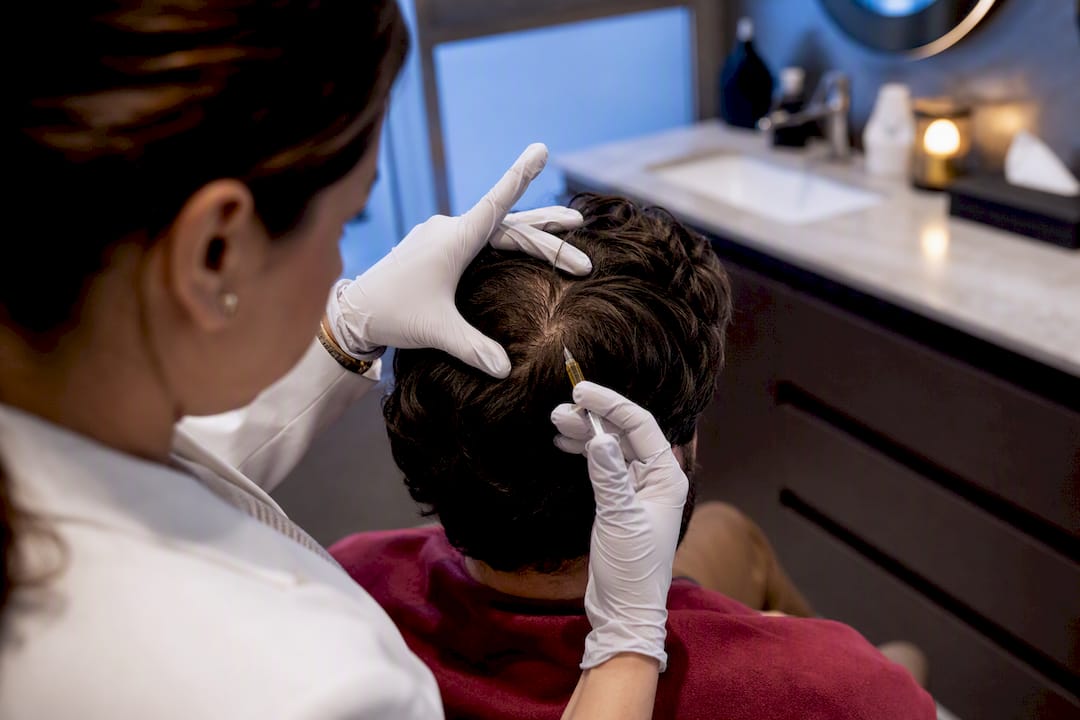

Most people return to their normal routine within a day or two, but visible downtime from fat dissolving injections typically runs from 1 to 14 days, depending on the product and treated area. Firm lumps or nodules can linger for up to four weeks, and the final, settled result usually takes 6 to 12 weeks to show. Serious complications are rare, but they need prompt clinical review when they happen.
TL;DR:
- Swelling from fat dissolving injections can last from a few days to several weeks, with more pronounced swelling caused by deoxycholic acid formulations.
- Nodules and firmness may become more noticeable between days 4 and 14 but are a normal part of the healing process, usually resolving within 6 to 12 weeks.
- The treated area typically takes 6 to 12 weeks to show final results, with most patients needing 2 to 4 sessions spaced 6 to 8 weeks apart for optimal effects.
- Different factors like product choice, treatment area, injection volume, practitioner skill, and personal health significantly influence recovery duration.
- Proper aftercare, including cold packs and avoiding heat or strenuous activity, can reduce swelling and bruising, while serious complications require immediate medical review.
Table of Contents
- Fat dissolving downtime: the week-by-week recovery timeline
- How long do the individual side effects actually last?
- What changes how long your downtime lasts
- Aftercare: what to do (and avoid) after treatment
- Warning signs that need prompt medical review
- How many sessions will you actually need?
- What good clinic practice looks like before you book
- Why honest counselling beats optimistic promises
- Book a consultation that plans your downtime, not just your treatment
- Sources
- FAQ
Fat dissolving downtime: the week-by-week recovery timeline
Recovery is not a single event. It moves through predictable stages, and knowing what belongs in each one helps you separate normal healing from something worth calling the clinic about.
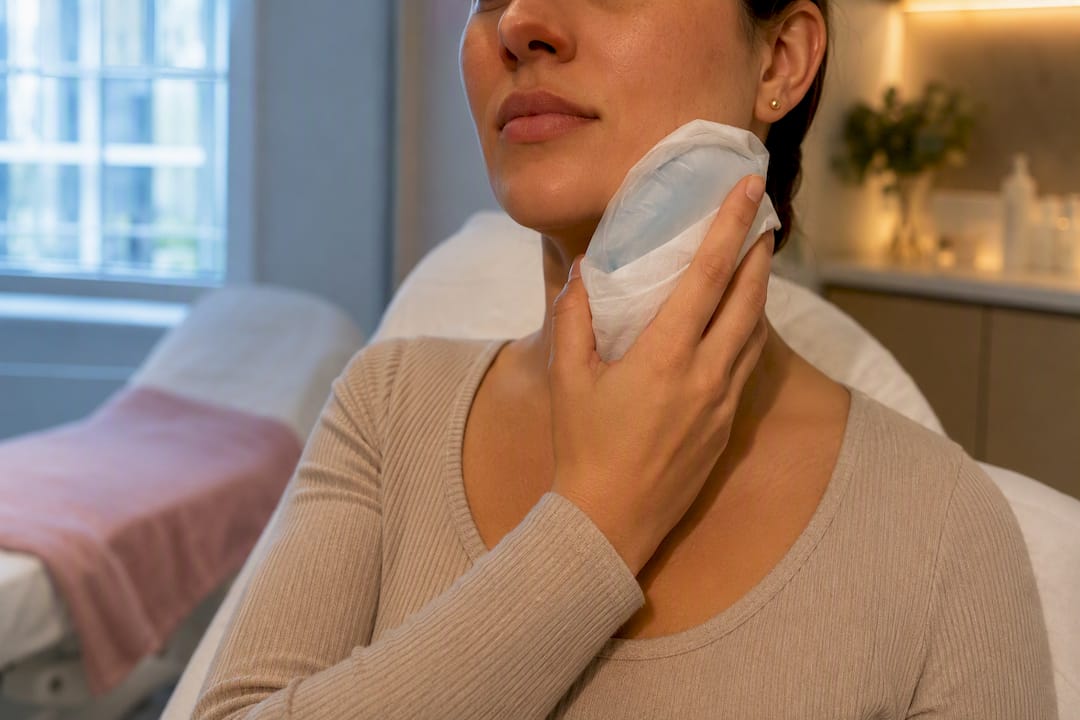
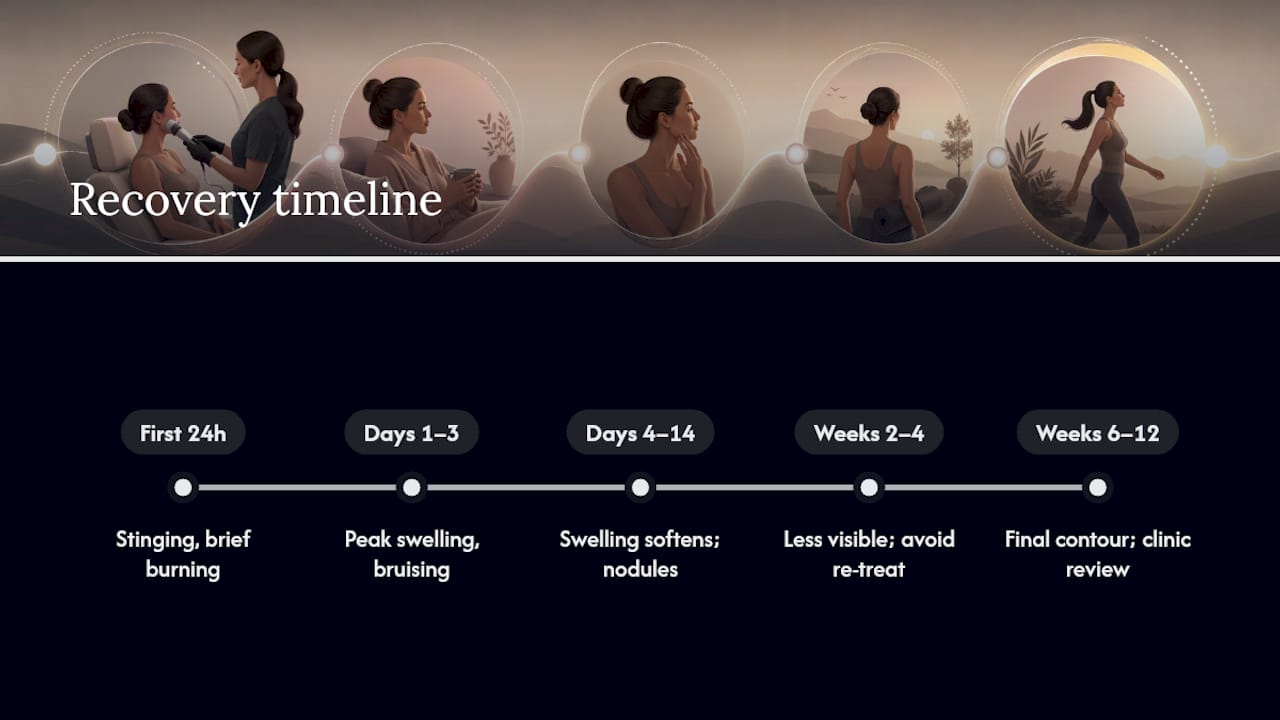
The first 24 hours. Expect stinging at the injection sites and a burning sensation that fades within a few hours. Localised redness is normal, and cooling the area gently with a wrapped ice pack for short intervals helps calm the discomfort without irritating the skin further.
Days 1 to 3. This is when swelling peaks for many deoxycholic acid-based products, with clinical series data confirming oedema typically climbs to its maximum in the 24 to 72 hour window. Bruising often appears during this stretch too, and it is usually the most socially visible phase of the whole process. If you have an event planned, this is the window to build around.
Days 4 to 14. Swelling generally starts to soften, though firmness and small nodules can become more noticeable as the tissue works through its inflammatory response. This is a normal part of how the treatment works, not a sign that something has gone wrong.
Weeks 2 to 4. Nodularity may still be present under the skin, though it is far less obvious to others by now. Most people are back to full visibility and comfort in daily life. Clinics will usually advise against re-treating the same area during this window, since the tissue is still resolving.
Weeks 6 to 12. This is where the treatment’s actual effect becomes clear. Swelling has fully settled, and what remains is the genuine change in contour. Clinical summaries consistently place final results in this 6 to 12 week bracket, which is also the point at which most clinics schedule a formal review to decide whether a further session is worthwhile. If you’re weighing this timeline against a surgical alternative, it’s worth reading how fat dissolving compares with body sculpting before committing to a course.
How long do the individual side effects actually last?
Swelling, bruising, and tenderness are not complications. They are the visible signature of the treatment doing its job, and each one follows its own rough timeline.
- Swelling: ranges from minimal to several weeks depending on the product’s inflammatory profile. Deoxycholic acid-based formulations tend to produce more pronounced oedema than gentler alternatives.
- Bruising: usually appears within the first few days and clears within roughly 14 days for most patients.
- Tenderness and altered sensation: localised soreness settles within a week or two for most people, though transient numbness is common and can persist a little longer before normal sensation returns.
- Inflammatory nodules: firm areas under the skin that develop as part of the fat-breakdown process, usually managed conservatively while the body clears them.
- Rare complications: more serious tissue reactions are uncommon when treatment is delivered by a trained medical practitioner, and become far more likely when it isn’t.
Pro Tip: Numbness catches people off guard more than swelling does. Clinical guidance notes it can affect a large share of patients transiently, so don’t mistake a numb patch for nerve damage. It almost always resolves on its own.
Nodules deserve a specific mention because they cause the most anxiety. They are common, particularly in the weeks following treatment, and conservative monitoring is usually the correct first response rather than any invasive step. If a nodule persists well beyond the typical window, that is a conversation for your follow-up appointment, not a reason to panic in week two.
What changes how long your downtime lasts
Two people can have the same treatment area and walk away with completely different recovery experiences. The variables below explain why, and they’re worth raising directly at your consultation.
- Product choice: deoxycholic acid formulations like Aqualyx tend to trigger a stronger inflammatory response than some lower-inflammatory alternatives, which directly affects how much swelling you’ll see and for how long.
- Treatment area: the submental area (under the chin) often shows the most noticeable swelling, partly because there’s less tissue to absorb the reaction and it sits somewhere you see every time you look in a mirror.
- Injection volume and pattern: higher volumes reduce the number of sessions needed but tend to increase downtime, since practice data shows larger doses raise short-term discomfort and prolong nodules even as they cut the treatment course shorter.
- Practitioner skill: precise injection technique and correct depth placement reduce unnecessary tissue trauma, which shortens recovery in ways patients rarely notice until they compare a well-executed treatment with a poorly placed one.
- Personal health factors: bleeding tendency, certain medications, and individual immune response all shift how much swelling and bruising you can expect.
Pro Tip: If downtime tolerance is your main concern, say so at consultation. Product selection is often driven by exactly that factor, and a practitioner who knows you have a wedding in ten days will plan differently than one who doesn’t.
Aftercare: what to do (and avoid) after treatment
Good aftercare in the first two weeks makes a measurable difference to how quickly swelling and bruising settle.
- First 24 to 48 hours: apply a wrapped ice pack for short, repeated intervals rather than continuous contact, and use over-the-counter pain relief consistent with standard clinical guidance if discomfort persists.
- Avoid heat exposure (saunas, hot baths, sunbathing) for at least a few days, since heat can worsen swelling and prolong the inflammatory phase.
- Hold off on alcohol for 24 to 48 hours, as it thins blood and can increase bruising.
- Delay strenuous exercise for several days to a week, since raised heart rate and sweating can aggravate swelling in the treated area.
- Ask before massaging the area. Some products benefit from gentle massage once initial swelling settles; others don’t. This advice is product-specific, so follow your clinic’s exact instructions rather than generic guidance found online.
- Attend your follow-up review and keep the clinic’s contact details to hand in case anything looks or feels unusual before that appointment.
Warning signs that need prompt medical review
Most of what you’ll feel after fat dissolving injections is expected and self-limiting. A small number of symptoms are not, and they warrant contacting your clinic straight away rather than waiting it out.
- Pain that worsens rather than improves after the first few days.
- Redness that spreads outward from the injection site rather than fading.
- Fever, chills, or a general feeling of being unwell.
- Any discharge with an unusual colour or smell from the treated area.
- Skin that looks unusually dark, mottled, or breaks down at the surface.
If you notice any of these, contact the treating clinic immediately, note how long it’s been since your treatment, and photograph the area so the practitioner has something concrete to assess. Documented case reports of dermal necrosis and chronic abscess almost exclusively involve administration by unqualified, non-medical practitioners, which is precisely why treatment by a trained medical professional matters so much here. While you wait for review, avoid applying unknown creams or home remedies, and keep any packaging or paperwork from your treatment in case the product needs identifying.
How many sessions will you actually need?
Most treatment courses run to 2 to 4 sessions per area, though the exact number depends on your goals, the area treated, and how your tissue responds to the first round.
- Clinics typically space sessions 6 to 8 weeks apart, which gives the inflammatory response time to fully settle and lets the practitioner assess genuine change rather than residual swelling.
- Practice data supports this interval as the point where most of the visible effect from a session has resolved enough to judge accurately.
- If you have events on the calendar, ask your practitioner about staggering different areas rather than treating everything at once, or discuss whether a lower-downtime product suits your timeline better.
What good clinic practice looks like before you book
The quality of your consultation shapes your entire recovery experience, often more than the product itself. A thorough consultation should cover your clinical history, document exactly which product and batch is being used, and walk you through the expected inflammatory response before a single injection goes in.
- Ask what specific product will be used and why it suits your treatment area.
- Ask what “normal” swelling looks like for that product, and at what point it stops being normal.
- Confirm there’s a clear escalation contact if something concerns you after hours.
- Check when your follow-up review is scheduled and what it will assess.
Medical oversight and documented consent aren’t formalities. Sector commentary has repeatedly flagged inconsistent regulation around some fat-dissolving products, which is exactly why choosing a CQC-registered clinic matters more here than it might for a lower-risk treatment.
Pro Tip: Ask your practitioner to talk you through the expected downtime for the specific product they’re proposing, not a generic version of “some swelling is normal.” Product-specific counselling is one of the clearest markers of a clinic that takes aftercare seriously.
Why honest counselling beats optimistic promises
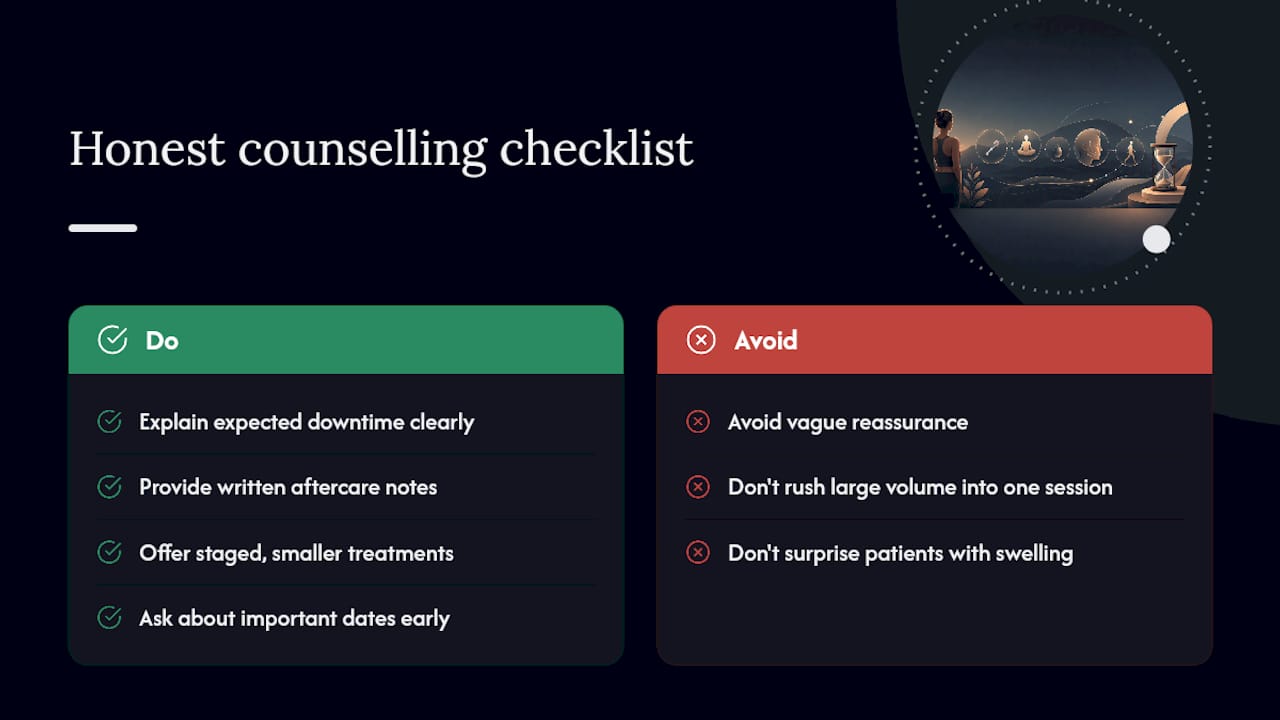
The biggest driver of patient dissatisfaction isn’t the swelling itself. It’s being surprised by it. Clear pre-treatment counselling on what downtime actually looks like, backed by written aftercare notes, consistently produces fewer complaints and better satisfaction than vague reassurance.
I’d rather see someone book a smaller, staged treatment plan around their real schedule than rush a larger volume into one session because a wedding or holiday is looming. Staged treatment is safer, easier to assess, and far less disruptive to normal life. If you’re planning around a specific date, say so early and let the plan work backwards from it.
— Vishul
Book a consultation that plans your downtime, not just your treatment
Theaestheticsroom takes a different approach to fat dissolving than a rushed, one-size-fits-all session: every plan starts with a proper consultation that maps your downtime against your actual calendar, not a generic aftercare leaflet handed over on the day.

An initial consultation typically includes a safety check, discussion about suitable products for the treatment area and downtime tolerance, and a documented aftercare plan with a clear escalation contact if needed. It’s the kind of groundwork that turns an uncertain recovery into a predictable one. If you’re ready to plan a course around your own schedule rather than guesswork, book a fat dissolving consultation with Theaestheticsroom’s team in London.
Sources
- Injection lipolysis clinical series (peer-reviewed article)
- Case report: dermal necrosis and chronic abscess following non-medical administration
- Fat reduction (non-surgical) treatment summary (SafeSkin)
- Managing complications and side effects (Hamilton Fraser clinical summary)
FAQ
How long does it take to see fat dissolving results?
Visible improvement usually builds over 6 to 12 weeks as swelling fully resolves and the body clears broken-down fat cells, though some early change is often noticeable sooner.
How long does the treated area stay swollen or firm before results settle?
Swelling and bruising commonly ease within 1 to 2 weeks, but firmness or small nodules can persist for up to four weeks before the area feels fully normal.
How many fat dissolving injections do I need for my stomach?
Most patients need 2 to 4 sessions for a given area, spaced 6 to 8 weeks apart, though the exact number depends on your goals and how your tissue responds after the first round.
Do fat dissolving injections last forever?
The fat cells broken down by the treatment don’t return, but results depend on maintaining stable weight afterwards, since remaining fat cells can still expand with future weight gain.