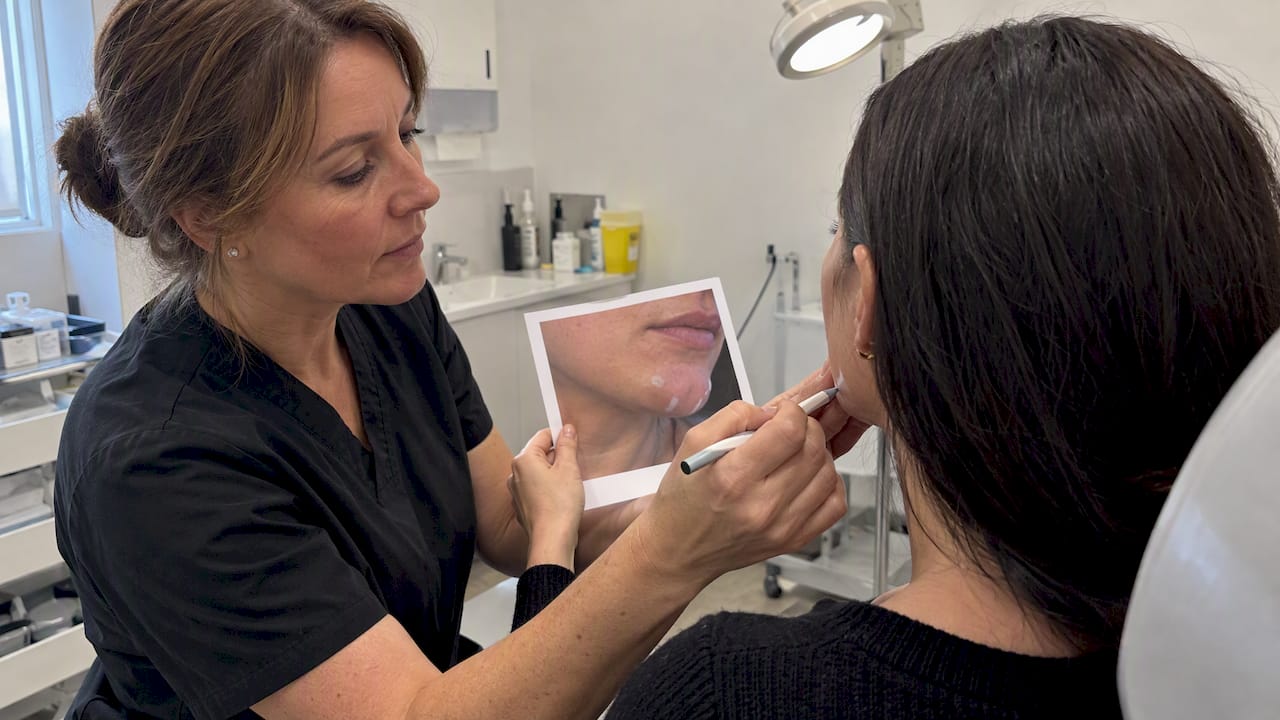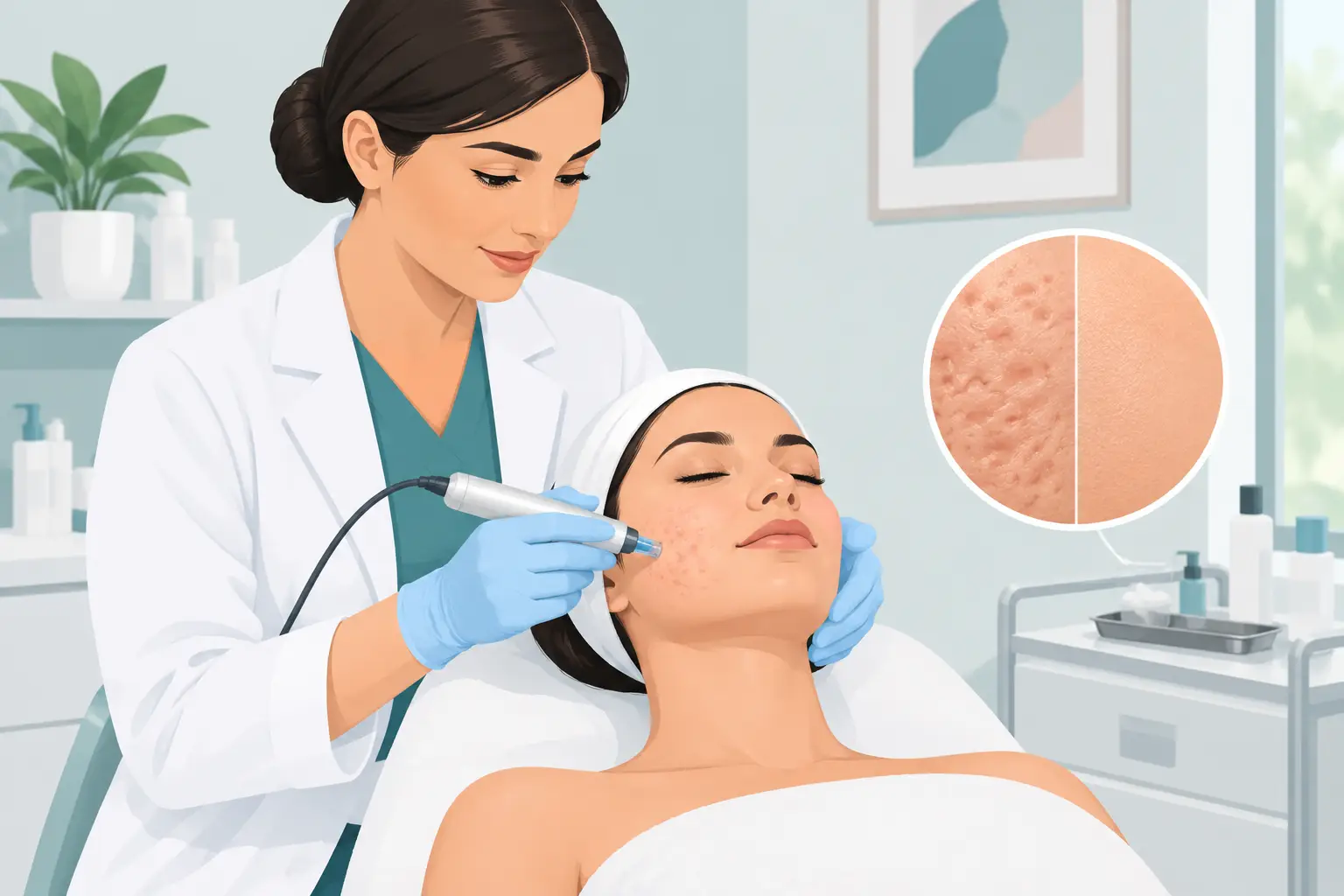


A sharper jawline, restored cheek volume or a more rested-looking lower face can all be possible goals. Yet the decision between filler versus surgery should never begin with the treatment itself. It should begin with what has changed, what you would like to improve and what will produce a result that still looks like you.
Dermal filler and facial surgery can both have a place in a considered aesthetic plan, but they solve different problems. One is not inherently better than the other. The right choice depends on your anatomy, the degree of skin laxity, your desired longevity, appetite for downtime and, crucially, whether volume loss or tissue descent is driving the concern.
Filler versus surgery: the central difference
Dermal fillers are injectable gels, most commonly made from hyaluronic acid, used to restore or refine facial volume. In experienced hands, they can enhance the cheeks, chin, jawline, temples, lips and selected lines. They are often chosen for their precision, minimal downtime and ability to create a subtle, progressive change without an operation.
Surgery physically repositions, removes or tightens tissue. A facelift, neck lift, eyelid surgery or rhinoplasty may be appropriate where there is pronounced excess skin, significant laxity or a structural concern that injectable treatment cannot meaningfully correct. Surgical results can be more transformative and longer lasting, but they also involve anaesthesia or sedation in many cases, scars, a longer recovery and the inherent risks of an operation.
The distinction is particularly relevant in the lower face. If the jawline has lost definition because of mild volume depletion or a recessed chin, strategic filler may improve balance beautifully. If jowls and neck laxity are caused by descended soft tissue and excess skin, adding significant filler may create weight rather than lift. This is where a careful assessment protects both your result and your facial proportions.
When dermal filler may be the right approach
Filler is often well suited to early or moderate signs of volume loss, asymmetry, profile balancing and areas that benefit from definition rather than tightening. It can be a considered option for clients who want a polished change without putting life on hold for surgical recovery.
A well-planned treatment can restore cheek support, soften hollowing around the temples or under-eyes where clinically suitable, and bring greater balance to the chin and jawline. The best results are not about making every feature more prominent. They are about supporting facial harmony, maintaining movement and avoiding the overfilled appearance that can occur when too much product is used or treatment is repeated without reassessment.
Most hyaluronic acid fillers offer an immediate visible change, although swelling can temporarily disguise the settled result. Depending on the product, treatment area, metabolism and amount used, results may last from around six to 18 months. Hyaluronic acid filler can also usually be dissolved if medically indicated, which offers an important degree of flexibility. Dissolving is not a casual reset button, however, and should be approached by an experienced medical practitioner following a thorough consultation.
Filler may be preferable if you are seeking a measured enhancement before a major event, want to test a change in profile or are not ready for surgery. It can also complement a wider skin-focused plan. Better skin quality will not replace lost facial structure, but carefully selected skin treatments can improve luminosity, texture and resilience, making the overall result look fresher rather than simply more volumised.
When surgery may offer the better result
There is a point at which non-surgical treatment stops being the most elegant answer. If loose skin, substantial jowling, deep neck laxity or marked eyelid hooding is your main concern, surgery may provide a more appropriate and enduring correction.
For example, a facelift is designed to address facial descent by repositioning deeper tissues and removing excess skin where necessary. It is not a substitute for thoughtful volume restoration in every patient, but it can achieve a degree of lift that filler cannot replicate. Likewise, upper eyelid surgery may be more effective than trying to camouflage significant hooding with brow or temple filler.
Surgery also requires a different level of commitment. Recovery can involve bruising, swelling, temporary changes in sensation and time away from work or social commitments. Results evolve over months rather than days. You should expect a consultation process that includes a detailed medical history, an honest discussion of scarring and risks, and clear aftercare arrangements with an appropriately qualified surgeon.
A surgical recommendation is not a failure of non-surgical aesthetics. It is often the most conservative recommendation when repeated injectable treatment would ask too much of the face. A responsible practitioner should be comfortable advising against filler when it is unlikely to meet your aims.
Why age alone is not the deciding factor
Two people of the same age can need very different treatment plans. Genetics, bone structure, weight fluctuation, sun exposure, skin quality and previous treatments all influence how the face ages. Someone in their thirties may have significant genetic under-eye hollows, while someone in their fifties may retain excellent skin firmness but have lost mid-face volume.
This is why a photograph, a trend or a friend’s treatment is not enough to determine your plan. The face should be assessed at rest and in motion, from multiple angles and in the context of your proportions. Your practitioner should ask what you notice first in the mirror, what has changed over time and what result would feel natural to you.
At The Aesthetics Room, a consultation-led approach considers facial structure, skin quality and patient wellbeing before treatment is recommended. For some clients, the most suitable plan may be conservative filler supported by skin optimisation. For others, the most valuable advice may be to avoid further volume and seek a surgical opinion.
The safety questions worth asking
Whether you choose filler or surgery, safety should be part of the decision rather than an afterthought. Injectable treatments are medical procedures, even when they are quick. The face contains complex blood vessels, and an uncommon but serious complication known as vascular occlusion requires immediate recognition and management.
Choose a medically led clinic that undertakes a full consultation, discusses risks and contraindications, uses appropriately sourced products and provides clear aftercare. You should know who is treating you, their training and experience, what product is being used, and how complications would be managed. Never feel pressured to proceed on the day if you are uncertain.
For surgery, confirm the surgeon’s relevant qualifications, registration and experience in the exact procedure you are considering. Ask to understand the expected recovery, likely scars, revision policy and the support available after the operation. Premium care is not simply about the setting. It is about clinical judgement, transparent information and being treated as an individual rather than a treatment slot.
Can filler and surgery work together?
They can, but timing and restraint matter. Some surgical patients benefit from conservative filler after healing to address residual volume loss or refine balance. Conversely, carefully placed filler may help you defer surgery while your concerns remain mild and your expectations are realistic.
The aim should not be to avoid surgery at all costs, nor to move towards it prematurely. It is to use the least invasive option that can credibly deliver the outcome you want. If filler can achieve a refined, natural-looking result without distorting your features, it may be the right choice. If it cannot, an honest surgical conversation may save you time, expense and disappointment.
Making a decision you will feel comfortable with
Bring reference images only as a starting point, not a blueprint. A good consultation translates the qualities you like – perhaps a cleaner profile, softer hollows or a rested expression – into a plan that respects your own face. You should leave with clarity about what treatment can achieve, what it cannot, the likely maintenance required and the risks involved.
The most successful aesthetic decisions rarely look dramatic from one appointment to the next. They look considered. Whether your path is filler, surgery, skin optimisation or no treatment for now, confidence comes from choosing a plan that is medically appropriate, proportionate and genuinely yours.