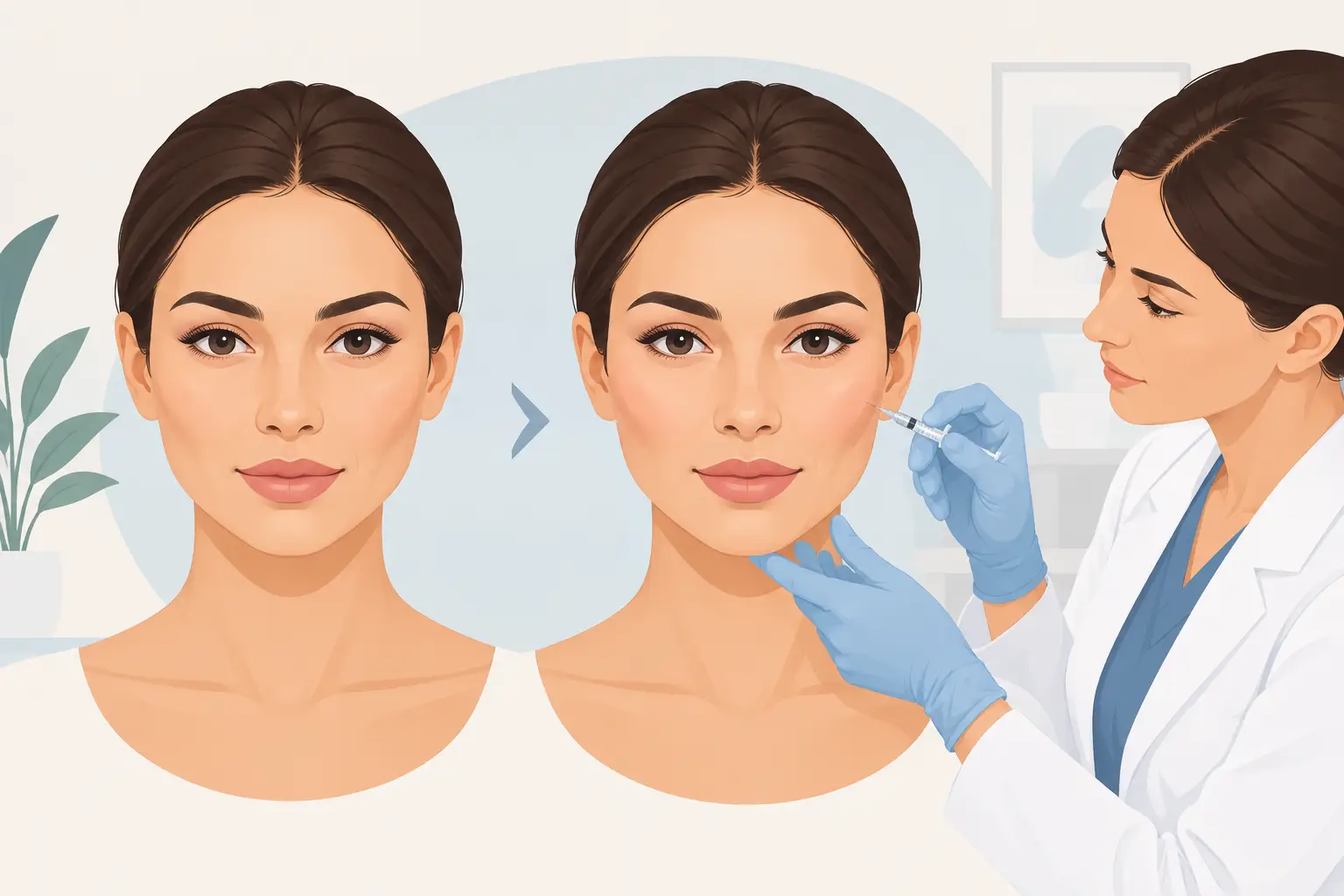


A treatment room should never be the place where you first decide what you want. The best aesthetic consultations create space to discuss your concerns properly, understand what is medically appropriate and agree on a plan that feels considered rather than rushed. Whether you are curious about subtle facial refinement, healthier skin, hair support or body confidence, the consultation is where safe, natural-looking results begin.
Why aesthetic consultations matter
Non-surgical aesthetic treatment is often presented as quick and straightforward. Some treatments can be completed efficiently, but the clinical thinking behind them should not be rushed. A small change in product placement, treatment timing or dose can affect the final result significantly.
A thorough consultation protects your wellbeing as much as it shapes your outcome. It allows a trained practitioner to assess your facial structure, skin quality, medical history, lifestyle and expectations before making any recommendation. This matters particularly if you have had previous treatment elsewhere, have a complex health history or are looking to correct a result that no longer feels like you.
It is also the point at which you can decide whether treatment is right for you at all. Sometimes the most professional advice is to wait, begin with a different approach or avoid a procedure altogether. A provider focused on long-term patient care will be comfortable having that conversation.
What a high-quality consultation should include
A premium consultation should feel personal, informed and unhurried. You should leave with clarity about your options, not pressure to book a procedure you have not had time to consider.
A conversation about your real goals
Most people arrive with a visible concern: lines around the eyes, loss of definition, pigmentation, acne scarring, thinning hair or stubborn areas of body fat. These observations are useful, but a good practitioner will look beyond a single feature.
You may say you want filler, for example, while the underlying issue is reduced skin hydration, changes in mid-face support or muscle movement. Treating the symptom without understanding the cause can lead to an overdone or short-lived result. The aim should be to establish what you would like to improve, how you want to feel afterwards and what a believable result looks like for your face and lifestyle.
Bring reference images if they help you explain your preferences, but use them as a starting point rather than a blueprint. Your anatomy, skin and ageing pattern are individual. The most refined results are designed around them.
Medical history and safety screening
Consultations should include questions about your medical history, allergies, current medication, previous procedures, pregnancy or breastfeeding, relevant skin conditions and history of cold sores where appropriate. This information helps identify when a treatment may need to be postponed, adapted or avoided.
Be open about prior aesthetic treatments, including those performed abroad or by another provider. Details such as the product used, area treated and approximate date can materially affect treatment planning. There is no judgement in sharing this information – it helps your practitioner make safer decisions.
A responsible clinic will also explain the potential risks, recovery considerations and signs that require follow-up. Bruising, swelling and temporary asymmetry can be normal with certain procedures, but you should understand what is expected and how to access aftercare advice.
A clinical assessment, not a quick glance
Your practitioner may assess facial proportions at rest and in movement, skin texture, elasticity, hydration, pigmentation and areas of volume change. For body or hair concerns, assessment may include the quality of the tissue, treatment history and factors such as stress, nutrition, hormones or general health.
This is why a one-size-fits-all menu rarely produces the most elegant outcome. Two people can request the same treatment and need entirely different plans. One may benefit from a small, precisely placed treatment; another may be better served by a course of skin treatments, a wellbeing assessment or a staged approach over several months.
At The Aesthetics Room, bespoke planning can also consider the 7 pillar skin optimisation protocol, helping to address skin quality through a wider lens rather than relying on one isolated treatment.
Questions worth asking at your consultation
The consultation should be a two-way discussion. You are entitled to understand who will treat you, why a recommendation has been made and what alternatives exist. Ask about the practitioner’s qualifications and experience with your concern, the product or technology proposed, expected longevity and the likely downtime.
It is equally helpful to ask what happens if you decide not to proceed. A clinician-led provider should respect that decision without making you feel you are missing a limited opportunity. Consider asking how results will be reviewed and what aftercare support is available, especially for injectable or advanced treatments.
If you have a particular event, holiday or professional commitment approaching, mention it early. Timing is part of treatment planning. Even treatments with minimal downtime can cause temporary redness, swelling or bruising, and skin programmes often need several weeks or months to show their best effect.
When less treatment is the better decision
The desire for immediate improvement is understandable, especially before a wedding, milestone birthday or a demanding period at work. Yet aesthetics is not always about doing more. Over-treatment can compromise facial movement, proportion and skin quality, while stacking treatments too close together can make it difficult to judge what is working.
A measured plan may involve treating one area first, allowing it to settle and reviewing the result before progressing. For patients seeking skin rejuvenation, this could mean prioritising barrier health and targeted treatments before considering volume restoration. For body concerns, a combination of lymphatic support, muscle sculpting and lifestyle-aware planning may be more appropriate than a single intervention.
The trade-off is patience. The benefit is a result that evolves naturally and remains aligned with your features rather than chasing a trend.
Virtual and in-clinic consultations
A virtual consultation can be an excellent first step if you have a busy diary, live outside central London or want to discuss broad treatment options before travelling. It can help you understand likely suitability, approximate treatment pathways and the questions you would like answered.
However, some recommendations require an in-person examination before treatment is confirmed. Lighting, camera angles and image quality can distort skin texture, asymmetry and facial volume. Where a hands-on assessment is needed, a virtual discussion should complement rather than replace a proper clinical consultation.
Be cautious of providers who promise an exact outcome from a photograph alone. Thoughtful treatment planning needs the detail that only an appropriate assessment can provide.
How to prepare for your appointment
You do not need to arrive with perfect skin or a fully formed treatment plan. Clean, make-up-free skin can be useful for certain assessments, although it is not always essential. Bring a list of medication and supplements, and make a note of any previous procedures if you cannot remember the details on the day.
Try to describe your concern in your own words rather than leading with a treatment request. Saying that your face looks tired by late afternoon, that your concealer sits poorly around the eyes or that your jawline has lost definition gives more clinical insight than naming a procedure alone.
Finally, give yourself permission to take time after the consultation. The right plan should still make sense once you are away from the clinic, reviewing the information calmly and considering your priorities.
The value of a plan you can trust
Aesthetic medicine is at its best when it is discreet, evidence-led and responsive to the individual in front of the practitioner. You should feel heard, fully informed and confident that your safety has not been treated as an afterthought.
Choose aesthetic consultations that leave you with options, realistic expectations and a clear next step. A carefully made decision is often the most valuable part of any treatment journey.