
TL;DR:
- Preparing the skin properly before aesthetic treatments is essential for optimal results, safety, and faster recovery. A disciplined routine of avoiding active ingredients, using high SPF, and maintaining hydration reduces risks like hyperpigmentation while enhancing treatment efficacy. Restraint and simplicity in pre-treatment skincare are more effective than elaborate regimens, ensuring predictable, beautiful outcomes.
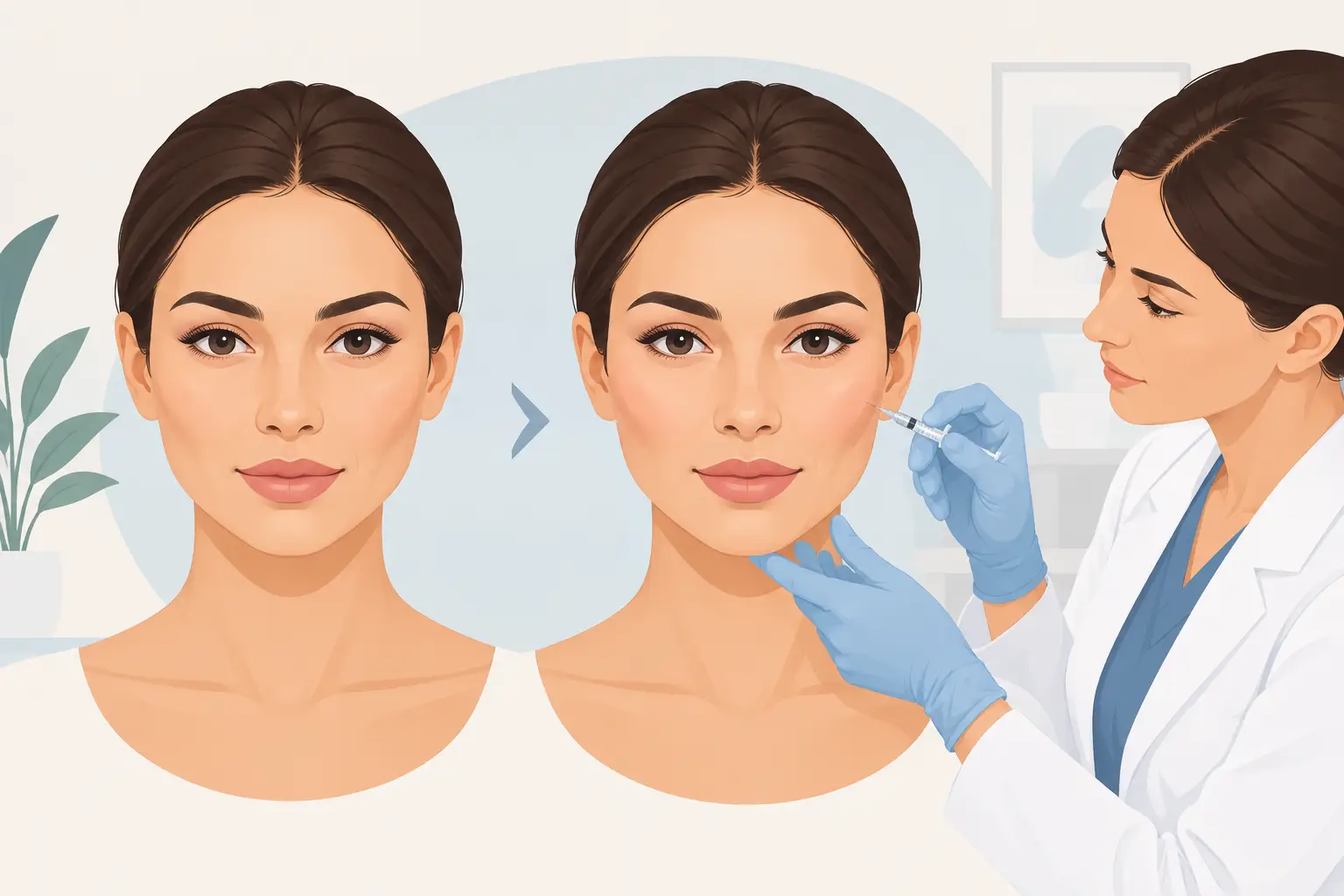
The difference between a treatment that transforms and one that merely changes often comes down to what you did in the days before you walked through the clinic door. Preparation is not an afterthought in premium aesthetics; it is the foundation upon which great results are built. Whether you are booking Botox, dermal fillers, or a skin rejuvenation session, arriving with well-prepared skin reduces your risk of adverse reactions, shortens recovery time, and maximises the visible impact of your treatment. This checklist covers everything you need to know.
Table of Contents
- Why a pre-treatment skin checklist matters
- The essential pre-treatment skin checklist
- Comparing pre-treatment routines: What really works?
- SPF, actives, and hydration: The three non-negotiables
- Our perspective: Overcomplicated routines don’t outperform evidence-based basics
- Your next step: Prepare and schedule with London’s experts
- Frequently asked questions
Key Takeaways
| Point | Details |
|---|---|
| Preparation is key | Starting a gentle routine and hydration 72 hours ahead improves safety and results. |
| SPF matters daily | Daily use of SPF 30+ before treatments dramatically reduces risk and enhances outcomes. |
| Actives to avoid | Cease retinoids, acids, and vitamin C at least three days prior to any cosmetic procedure. |
| Simple steps outperform | A basic medical prep routine is more effective than complicated influencer regimens. |
Why a pre-treatment skin checklist matters
Most clients focus on choosing the right treatment and the right clinic. Fewer think carefully about what happens in the 72 hours before they arrive. That gap is where results are won or lost.
Clinical consensus is clear on this point. Prep reduces PIH risk and improves treatment efficacy, with SPF 30+ applied daily standing as a non-negotiable benchmark before most cosmetic procedures. Post-inflammatory hyperpigmentation (PIH) refers to the darkening of skin that can occur in response to inflammation or injury, including the controlled trauma of many aesthetic treatments. Clients who prepare their skin properly are statistically less likely to experience this unwanted outcome.
“A well-prepared skin barrier is more resilient, responds more predictably to treatment, and heals faster. The science is straightforward: preparation is part of the procedure, not separate from it.”
The primary benefits of a structured pre-treatment checklist include:
- Reduced risk of PIH and other post-procedure pigmentation concerns
- Improved treatment efficacy, because ingredients and devices work better on a calm, undisturbed barrier
- Minimised side effects such as prolonged redness, swelling, or sensitivity
- Shorter recovery windows, allowing you to return to daily life more quickly
- Greater predictability of results, which matters enormously for premium treatments
Our expert pre-treatment tips go into further detail on how specific treatments call for tailored preparation steps. The core principles, however, apply universally across all cosmetic procedures.
The rationale is not complicated. When skin is sensitised by active ingredients or UV damage, it is already in a reactive state. Introducing the additional stimulation of a cosmetic treatment on top of that can produce unpredictable responses. A calm, hydrated, protected skin barrier behaves more predictably. That predictability is what your practitioner relies on to deliver precise, beautiful outcomes.
The essential pre-treatment skin checklist
Now that the clinical case for preparation is clear, here is the actionable checklist to follow before your next appointment at our Knightsbridge clinic.
-
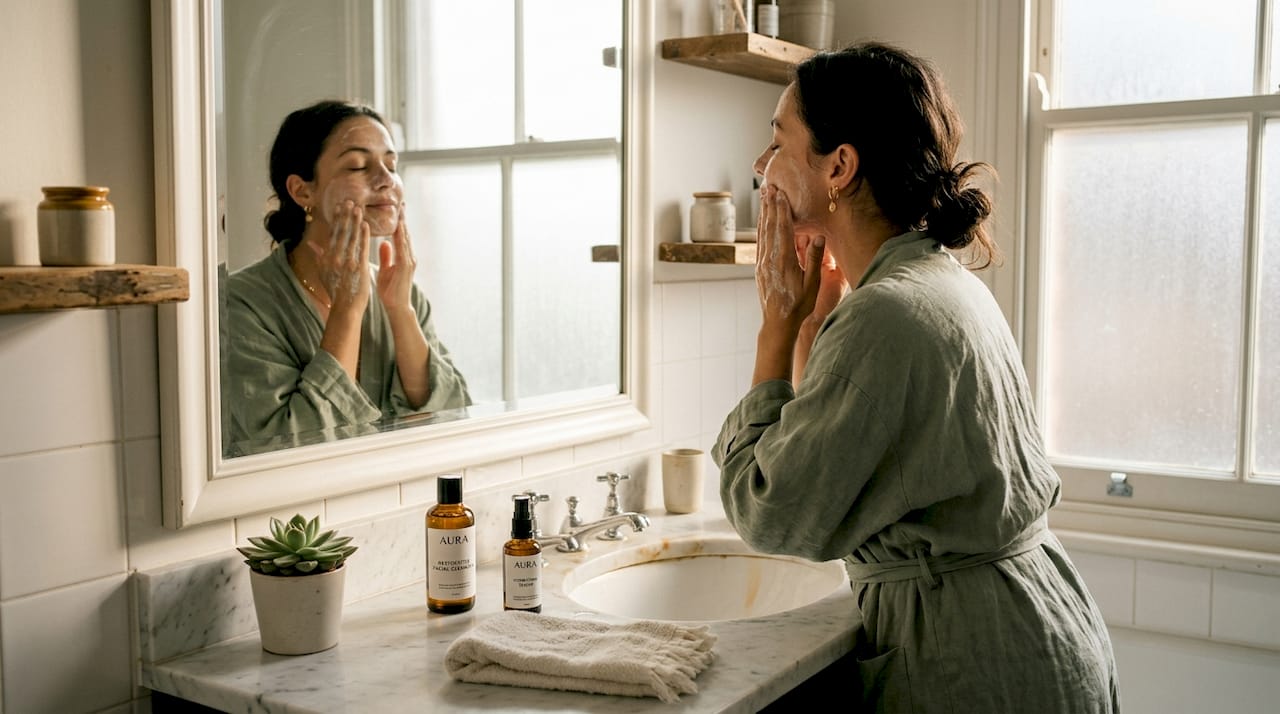
Begin your gentle routine at least 72 hours before your appointment. 72 hours before treatment, switch to a minimal routine: a mild, fragrance-free cleanser, a hydrating moisturiser, and SPF. Nothing more.
-
Stop all active ingredients immediately. Retinoids (retinol and tretinoin), alpha hydroxy acids (AHAs such as glycolic and lactic acid), beta hydroxy acids (BHAs such as salicylic acid), and vitamin C serums must all be paused. These ingredients increase cell turnover and skin sensitivity, making your barrier more vulnerable to irritation during treatment.
-
Apply SPF 30 or higher every morning without exception. Sun protection in the pre-treatment period reduces existing UV-related inflammation and ensures your skin is at its baseline level of resilience when you arrive.
-
Hydrate from the inside. Drink at least 1.5 to 2 litres of water daily in the days leading up to your appointment. Plump, well-hydrated skin responds better to injectable treatments and recovers more efficiently after energy-based procedures.
-
Avoid alcohol for at least 24 to 48 hours before treatment. Alcohol is a vasodilator, meaning it widens blood vessels and can increase bruising risk. It also dehydrates the skin, undoing the internal hydration work you have done.
-
Do not schedule other skin treatments close to your appointment. Waxing, threading, laser hair removal, or any form of chemical exfoliation in the week before your procedure can leave skin sensitised and unprepared.
-
Disclose all medications and supplements to your practitioner. Blood thinners, aspirin, ibuprofen, fish oil, and vitamin E can all increase bruising. Your practitioner needs this information to plan your treatment safely.
-
Arrive makeup-free. Remove all make-up, skincare, and SPF before you come in. Your practitioner needs to assess your skin in its natural state and apply products directly to clean skin.
Pro Tip: If you are preparing for a special occasion, consider our guidance on pre-procedure bridal skincare to build a longer-term preparation timeline that accounts for multiple treatments safely. For seasonal-specific adjustments, our seasonal skincare tips can help you adapt your routine to London’s changeable climate. Our expert radiance guide also provides broader context for building glowing skin before and after your appointment.
Comparing pre-treatment routines: What really works?
Not every approach to pre-treatment preparation is equally effective. Some clients follow minimal routines and achieve excellent results. Others try elaborate multi-step regimens and inadvertently cause more harm than good. The table below compares three common approaches.
| Routine type | Key steps | Effectiveness | Risk level |
|---|---|---|---|
| Minimal | Cleanser, moisturiser, SPF 30+ | High | Low |
| Advanced | Minimal steps plus barrier-supporting ingredients (ceramides, niacinamide) | Very high | Low |
| Over-complicated | Actives, exfoliants, multiple serums continued up to treatment day | Low | High |
The data tells a consistent story. Prep with SPF 30+ consistently reduces PIH risk and improves efficacy across procedure types. Adding barrier-supportive ingredients like ceramides and niacinamide (a form of vitamin B3) can offer additional benefits, particularly for clients with sensitive or reactive skin. What does not improve outcomes is continuing complex routines with multiple active ingredients.
The most commonly missed step is also the most impactful: discontinuing actives. Many clients assume that because retinol or vitamin C “helps their skin,” they should keep using them right up to their appointment. In reality, these ingredients leave skin sensitised and more prone to reaction. Stopping them is not optional.
Pro Tip: Understanding sunscreen’s role in preparation goes beyond just applying it in the morning. For clients managing existing UV damage, reviewing our guidance on treating sun damage before your appointment helps your practitioner plan the most effective approach.
The over-complicated routine is a particular risk for clients who are highly engaged with their skincare. Enthusiasm is admirable. But in the days before a professional procedure, restraint outperforms effort. Your practitioner is the one doing the active work. Your job is to arrive with skin that is calm, clean, and ready.
SPF, actives, and hydration: The three non-negotiables
Every element of the checklist matters, but three factors stand out as the most impactful. Get these right and your results will reflect it.
Sun protection factor (SPF)
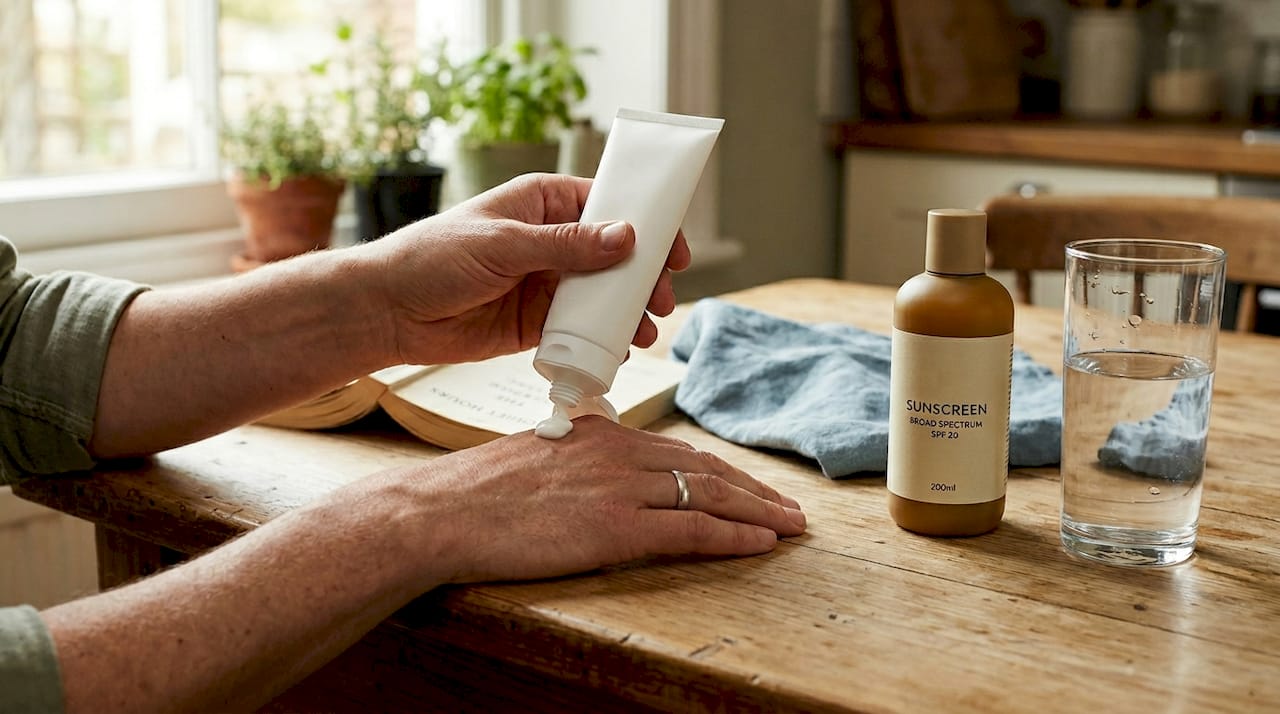
SPF 30+ daily is the clinical standard before cosmetic procedures. The reasoning is twofold. First, UV radiation causes chronic low-level inflammation in skin even when you cannot see obvious signs of sun damage. That inflammation compromises your skin’s capacity to respond well to treatment. Second, UV-exposed skin has a significantly higher risk of PIH following procedures. Applying a broad-spectrum SPF of at least 30 every morning, ideally SPF 50, for a minimum of two weeks before your appointment is the single most impactful step you can take. This is particularly important in London, where UV exposure is underestimated during overcast conditions. For clients managing long-term UV concerns, understanding the importance of preventing sun damage informs not just pre-treatment prep but ongoing skin health.
Active ingredients: What to pause and why
Switching to a gentle routine with no active ingredients at least 72 hours before treatment is essential. Here is why each category of active poses a risk:
- Retinoids accelerate cell turnover and thin the epidermis (the outermost skin layer), making it far more susceptible to irritation and barrier disruption during treatment
- AHAs and BHAs chemically exfoliate the skin surface, removing the protective layer and increasing sensitivity to products, heat, and mechanical stimulation
- Vitamin C at high concentrations can lower skin pH and cause stinging or unexpected interactions with treatment solutions
- Benzoyl peroxide and other acne actives cause localised dryness and irritation that complicates assessment and treatment
The good news is that pausing these ingredients for three to five days causes no meaningful setback to your long-term skincare progress. Your skin will recover and benefit more from treatment as a result. Clients following anti-ageing routines can find additional guidance in our anti-ageing skincare approaches article on balancing active use with treatment planning.
Hydration: Internal and topical
Hydration supports every aspect of skin performance. At a cellular level, well-hydrated skin maintains its barrier function more effectively, responds to injectable treatments with greater precision, and regenerates more rapidly post-procedure. Topically, a simple hydrating moisturiser containing hyaluronic acid or glycerin applied morning and evening reinforces the skin barrier without introducing any sensitising ingredients.
| Hydration method | Recommended approach | Timing |
|---|---|---|
| Internal (water intake) | 1.5 to 2 litres per day | 3 to 5 days before |
| Topical moisturiser | Fragrance-free, hyaluronic acid or glycerin | Twice daily |
| Avoid | Alcohol and caffeine in excess | 24 to 48 hours before |
Pro Tip: If your skin tends to run dry, apply your moisturiser to slightly damp skin immediately after cleansing. This traps water in the skin and significantly boosts hydration without requiring any additional products.
Our perspective: Overcomplicated routines don’t outperform evidence-based basics
Here is something we see regularly at our London clinic. A client arrives with a skincare collection that rivals a pharmacy counter. They have been diligently applying three serums, a retinoid, two SPFs, and a nightly acid treatment right up to the morning of their appointment. They are devoted to their skin. And yet, their barrier is reactive, slightly inflamed, and less predictable than the client who arrived with clean skin and a simple routine.
The beauty industry, social media, and well-intentioned influencers have collectively created the impression that more products equal better skin. In clinical aesthetics, this is demonstrably false. Our practitioners consistently achieve their best results with clients whose skin is calm, well-rested, and free from the residual effects of active ingredients. The skin that performs best on treatment day is not the most aggressively treated skin in the week prior. It is the most sensibly prepared.
We are not suggesting you abandon your skincare routine permanently. These products have their place and often play a valuable role in long-term skin health. But in the specific window before a cosmetic procedure, the evidence points to restraint as the most intelligent strategy. Our evidence-based expert advice reflects this clinical reality. Trusting the process means trusting simplicity, and simplicity, in this context, consistently wins.
Your next step: Prepare and schedule with London’s experts
At The Aesthetics Room, we believe that outstanding results begin well before your appointment. Our Knightsbridge team works closely with each client to personalise their pre-treatment preparation, ensuring your skin is in the optimal condition to respond to every procedure.

Whether you are exploring Botox options, considering dermal fillers, or ready to restore radiance through our skin rejuvenation experts, the preparation principles in this article apply directly to your journey. Book a virtual or in-person consultation with our team today. We will guide you through a bespoke treatment plan that includes exactly what you need to do before, during, and after your procedure to achieve the flawless, confident results you deserve.
Frequently asked questions
How many days before a treatment should I start my pre-treatment skin routine?
Begin your gentle skincare routine and avoid all active ingredients at least 72 hours before your treatment, though starting five to seven days prior provides an even more resilient baseline.
Can I use retinol or vitamin C before my appointment?
You should stop using all active ingredients, including retinol and vitamin C, as the advice on pausing actives is consistent across treatment types. Pause these for a minimum of 72 hours before you arrive.
Is daily sun protection necessary pre-procedure?
Absolutely. Applying SPF 30+ daily is the clinical benchmark for optimal treatment results and safety, significantly reducing your risk of post-inflammatory hyperpigmentation.
Why do clinics recommend arriving makeup-free for appointments?
Arriving makeup-free ensures your practitioner can accurately assess your skin’s condition, identify any concerns, and apply treatment directly to a clean surface without product interference.
Recommended
- Your 2026 skin health checklist for radiant skin – The Aesthetics Room
- Glowing skin guide: achieve radiance with expert treatments – The Aesthetics Room
- Build your ultimate skincare routine checklist: 5 steps – The Aesthetics Room
- The ultimate anti-aging checklist for radiant, youthful skin – The Aesthetics Room