
Booking treatment without a proper consultation is a little like commissioning tailoring without being measured first. If you are investing in your face, skin, hair or body, the starting point should never be a quick sales chat. So, what is a medical aesthetics consultation? It is a structured, medically informed appointment designed to understand your concerns, assess suitability, discuss options and build a treatment plan that is safe, realistic and tailored to you.
That distinction matters. In a premium clinical setting, the consultation is not there to push a procedure. It is there to protect your wellbeing, set clear expectations and ensure any treatment recommended is appropriate for your features, your health and the result you actually want.
What is a medical aesthetics consultation really for?
At its best, a medical aesthetics consultation is both diagnostic and strategic. You may arrive thinking you need one specific treatment, perhaps anti-wrinkle injections, dermal filler or a skin course, but an experienced practitioner will look at the wider picture before agreeing. Sometimes your original idea is exactly right. Sometimes a different approach will give a more elegant, natural or longer-lasting result.
This is one of the biggest differences between a medically led clinic and a more transactional beauty model. The goal is not simply to deliver what was requested. The goal is to understand why you want treatment, whether it is clinically suitable, and how to approach it in a way that supports both safety and outcome.
A good consultation also creates space for honesty. Many patients are not only asking for smoother skin or more definition. They are often asking for confidence, subtle refreshment, correction after a previous treatment, or support with concerns that have gradually started to affect how they feel day to day. Those motivations deserve thoughtful handling, not assumptions.
What happens during a medical aesthetics consultation?
The exact format varies depending on the clinic and the treatment area, but the appointment usually begins with a detailed conversation. You will be asked what is bothering you, what changes you have noticed, what results you hope to achieve and whether you have had treatment before. If you have had disappointing results elsewhere, this is usually discussed as well, because it can shape what is possible now.
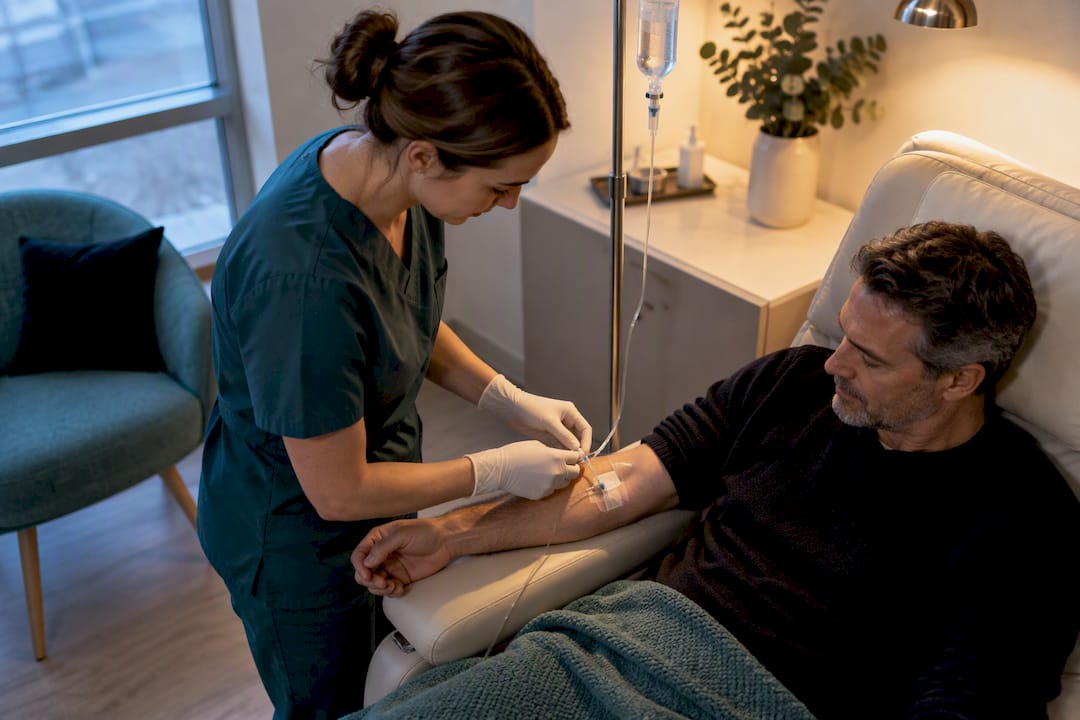
From there, a practitioner will take a medical history. This is a key part of the consultation, not an administrative extra. Your general health, allergies, medication, pregnancy status, previous procedures and any underlying conditions can all affect whether treatment is suitable or whether timing needs to change. A responsible clinic will take this seriously because even non-surgical aesthetics are still medical treatments when carried out properly.
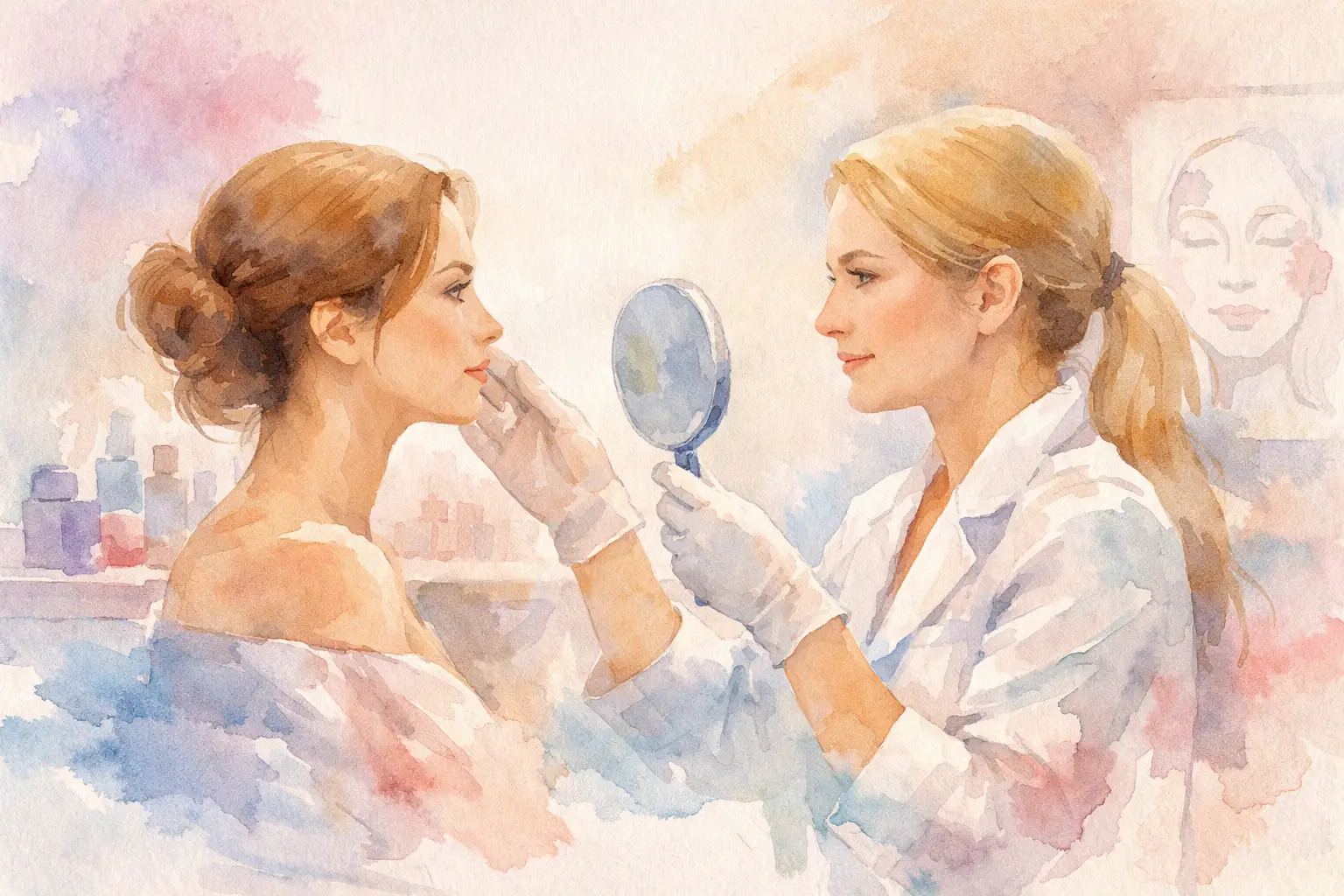
The next stage is assessment. Depending on your concerns, that may include examining facial movement, skin quality, volume loss, hydration, pigmentation, laxity, hair density, body composition or signs of inflammation and fluid retention. The practitioner is not only looking at the isolated area you mention. They are considering balance, proportion and the way one concern may connect to another.
This is also the point at which photographs may be taken for records, planning and before-and-after comparison. In a clinical environment, this supports accuracy and continuity rather than vanity.
What should be discussed in a consultation?
A strong consultation should leave you better informed, not more pressured. You should come away understanding what your options are, how each treatment works, what level of result is realistic, how long it may last, what recovery or aftercare may be involved and what the risks are.
That means the conversation should include benefits and limitations. For example, anti-wrinkle injections can soften dynamic lines, but they will not replace lost facial volume. Dermal filler can restore structure and contour, but it is not the answer for every concern and should be used with restraint. Skin treatments can improve tone, texture and radiance, but they often work best as a course and need patience. Hair or wellbeing-focused treatments may support broader confidence and health goals, but outcomes vary depending on the underlying cause.
If the consultation is being done properly, you may also hear the word no. Not because the clinic is unhelpful, but because good medical aesthetics involves judgement. If a requested treatment is unsafe, unlikely to help or at risk of looking overdone, the right practitioner will say so and explain why.
Why consultation-led care matters in aesthetics
The phrase consultation-led is used often in aesthetics, but it should mean something concrete. It means the plan follows the patient, not the other way round. Your age, facial anatomy, skin condition, lifestyle, event timeline, tolerance for downtime and appetite for subtle versus more noticeable change all matter.
This is particularly important in London, where patients are often knowledgeable, busy and discerning. Many want polished results that colleagues or friends notice only as freshness, not obvious intervention. That type of outcome usually comes from restraint, technical skill and a bespoke plan rather than a one-size-fits-all menu.
Consultation-led care also improves safety. Not every patient is a candidate for immediate treatment, and not every concern should be treated in a single session. Sometimes the safest and most effective route is staged treatment, further assessment or a period of skin preparation before anything injectable is considered.
In a clinic such as The Aesthetics Room, this medically led approach is part of the value. Patients are not simply buying a product. They are benefiting from trained assessment, professional standards and a treatment pathway designed around long-term results and wellbeing.
What is a medical aesthetics consultation likely to cover for different concerns?
For facial rejuvenation, the consultation often focuses on movement, volume, skin support and overall harmony. A patient may ask about one line or one feature, but treatment planning usually considers the face as a whole.
For skin concerns, the conversation may centre on texture, acne, redness, pigmentation, dullness or early signs of ageing. Here, the consultation is especially useful because skin rarely responds well to guesswork. The wrong treatment, or the right treatment at the wrong time, can aggravate rather than improve.
For hair concerns, a practitioner may look at shedding patterns, thinning areas, medical history and whether further investigation is needed. For body treatments, candidacy depends heavily on assessment, because concerns such as fluid retention, localised fat and muscle tone need different strategies.
For wellbeing services, including support therapies and testing, a consultation helps connect aesthetic goals with the broader picture. Looking well and feeling well are often closely linked, and many patients increasingly want both addressed with the same level of care.
How to prepare for your appointment
You do not need to arrive knowing the name of the treatment you want. In fact, it is often better to focus on your concerns and your goals. Be ready to talk about what has changed, what bothers you most and whether you want prevention, correction or refinement.
It helps to bring a clear medical history, including current medication and details of previous treatments. If you have had filler elsewhere and do not know what product was used, say so. If you have a major event approaching, mention it early. Timing can affect what is advisable.
It is also worth thinking about your comfort level. Some patients want the smallest possible change. Others are happy to commit to a longer treatment plan. Neither is wrong, but your practitioner can only advise properly if they understand your priorities.
Signs of a good consultation
A good consultation should feel thorough, calm and personalised. You should feel listened to rather than steered. The practitioner should explain their reasoning clearly, answer questions without rushing and discuss risks as openly as benefits.
There should also be a sense of proportion. If every concern appears to be answered with more treatment, be cautious. Quality care is rarely about doing the maximum. It is about doing what is appropriate, at the right time, for the right reason.
Credentials, hygiene standards and clinical governance also matter. Patients increasingly understand that beautiful results and patient safety are not separate issues. They are part of the same standard of care.
What happens after the consultation?
In some cases, treatment may take place on the same day. In others, you may be advised to take time, complete further assessment or return for a separate appointment. Neither approach is automatically better. It depends on the treatment, the clinic protocol and what is safest.
You should leave with a clear plan, whether that is one treatment, a staged programme or a decision not to proceed for now. The value of the consultation is that it gives you clarity. You know what is possible, what is sensible and what kind of result you can reasonably expect.
That is why the right consultation should feel reassuring rather than intimidating. It is not a test, and it is not a sales ritual. It is the point where expertise, safety and personalisation come together – and where good aesthetic treatment really begins.
If you are considering non-surgical treatment, the most useful question is not simply what can be done, but what should be done for you. A thoughtful consultation is where that answer starts to take shape.