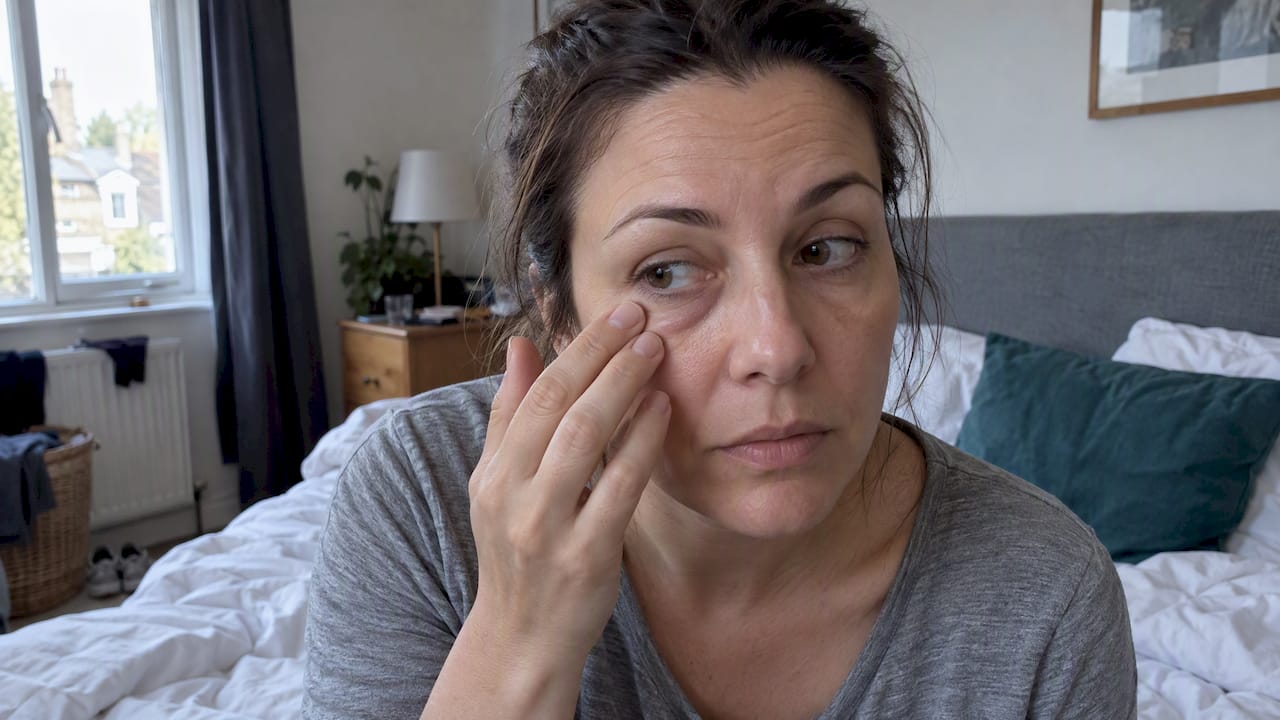


You do not need to step into a clinic to tell whether an aesthetics provider feels right. A free virtual aesthetics consultation can give you an early sense of the practitioner’s approach, how carefully they listen, and whether their advice feels tailored or routine. For many patients, that first conversation is less about booking quickly and more about deciding if they trust the clinic with their face, skin, body or hair.
That distinction matters. In aesthetics, the consultation is not a formality. It is where expectations are shaped, safety is considered and a treatment plan starts to take proper form. When done well, a virtual consultation can be a practical and reassuring first step. When done badly, it can feel vague, sales-led and far too general to be useful.
What a free virtual aesthetics consultation can do well
A virtual appointment is particularly helpful at the beginning of the decision-making process. If you are considering anti-wrinkle treatment, dermal filler, skin rejuvenation, hair restoration or body contouring, an online consultation can help clarify whether the treatment category itself is likely to suit your concern. It can also help you understand whether your goals are realistic before you commit time to attending in person.
For busy London professionals, that convenience has obvious appeal. You can speak to a qualified clinic team from home or between meetings, ask direct questions and begin narrowing down your options without the pressure of travelling across the city for an initial chat.
There is also a privacy benefit. Some patients feel more comfortable discussing under-eye hollowness, jawline changes, acne scarring, skin laxity or hair loss from their own surroundings first. That extra ease often leads to a more honest conversation, which ultimately supports a better treatment plan.
Where a free virtual aesthetics consultation has limits
A virtual consultation is useful, but it is not the same as a full medical assessment. That is the key point many patients miss.
Aesthetic medicine depends on detail. Skin quality, facial movement, tissue thickness, asymmetry, vascular considerations and overall suitability can only be assessed to a certain extent through a screen. Lighting can distort tone and texture. Camera angles can flatten contours. Some concerns look more pronounced on video, while others are understated.
This is why a reputable clinic will treat a free virtual aesthetics consultation as a starting point rather than a final clinical decision. You may receive provisional advice, broad treatment recommendations and an outline of what might work. But any provider promising a precise, guaranteed plan without seeing you properly in person should raise questions.
The safest clinics do not overstate what can be judged remotely. They explain what is possible online, what needs face-to-face review and why that distinction protects the patient.
What should happen during the consultation
A good virtual consultation should still feel structured, considered and personal. It should not be a rushed video call where someone names a treatment after twenty seconds and moves straight to price.
You should expect questions about your concerns, your goals and what prompted you to look into treatment now. A thorough practitioner will also ask about previous aesthetic work, relevant medical history, allergies, medication, pregnancy status where appropriate, and whether you have had complications before. Even in a short remote appointment, safety should remain part of the conversation.
You should also expect some honest challenge. If you ask for a treatment that does not sound suitable, a credible practitioner should say so. If your concern may need a different approach, or if the likely result will be more subtle than you imagine, that should be explained clearly. Premium care is not about saying yes to everything. It is about giving guidance that protects outcomes as well as confidence.
Questions worth asking in a free virtual aesthetics consultation
The consultation should help you assess the clinic as much as the clinic assesses you. Ask who will carry out the treatment, what their medical background is and whether the clinic is properly regulated. Ask how treatment plans are personalised and whether an in-person assessment is required before proceeding.
It is also sensible to ask about downtime, likely maintenance, realistic results and whether there are alternative options that may suit your concern better. If you are discussing injectables, ask how the clinic approaches natural-looking outcomes. If the conversation is about skin or hair, ask how they decide between device-led treatment, regenerative options and prescription-strength support where relevant.
The quality of the answers matters. You are listening for judgement, not a script. Strong clinics explain the reasoning behind their recommendations. They do not rely on buzzwords or oversell dramatic transformation.
Who benefits most from a virtual first step
Not every patient needs the same consultation pathway. A virtual appointment is often most useful for people who are in the research stage, comparing providers or exploring a treatment for the first time. It also works well for returning patients considering a new area of concern and wanting initial guidance before booking clinic time.
It can be especially valuable if your main question is strategic rather than technical. You may know you want to look fresher but be unsure whether the answer lies in anti-wrinkle injections, skin treatment, filler, collagen stimulation or a broader plan. In that scenario, an initial remote discussion can bring clarity.
Where it may be less suitable is when the concern is complex, when there is a history of complications, or when you are seeking correction of previous work done elsewhere. Those cases often need direct examination, careful review and a more detailed in-person consultation from the outset.
The difference between free advice and valuable advice
Free does not always mean low quality, and paid does not automatically mean better. The real question is whether the consultation has substance.
Some clinics offer a free virtual call as a genuine service – a way to educate, assess broad suitability and help patients take the next step with confidence. Others use it mainly as a booking funnel, with limited clinical depth. You can usually tell the difference quite quickly.
Valuable advice feels specific to you. It reflects your features, your concerns, your age, your treatment history and the kind of result you want. It also leaves room for professional caution. In aesthetics, careful advice is often more trustworthy than instant certainty.
That is particularly true for patients who want elegant, natural results rather than obvious intervention. Bespoke treatment planning rarely comes from a one-size-fits-all recommendation. It comes from measured assessment, clinical judgement and a practitioner who understands restraint.
Why safety should still lead the conversation
Convenience is welcome, but safety should never be diluted for the sake of speed. A virtual consultation should reassure you that the clinic takes medical standards seriously, not make treatment feel casual.
This is where credentials, regulation and practitioner training matter. A medically led provider will frame recommendations around suitability, not just preference. They will usually explain when an in-person review is essential and why certain details cannot be confirmed remotely. That approach may feel more measured, but it is exactly what protects patients from poor decisions.
For anyone considering facial treatments in particular, this matters enormously. Small differences in anatomy can change the right product, placement or even whether treatment should go ahead at all. The most experienced practitioners know that good outcomes begin with good assessment.
Should you book one?
If you are choosing between clinics, want initial guidance or need a discreet way to start the conversation, a free virtual aesthetics consultation is often worth your time. It can help you gauge professionalism, understand your options and decide whether the clinic’s approach aligns with the standard you expect.
Just keep your expectations realistic. It is a first step, not a substitute for full assessment. The best clinics use it to inform, reassure and guide you towards the right plan, whether that means treatment, further review or simply waiting until the timing is right.
At a clinic such as The Aesthetics Room, where bespoke treatment planning and patient safety sit at the centre of care, that first conversation should leave you feeling clearer, not pressured. And that is usually the strongest sign that you are in the right hands.
A worthwhile consultation does more than answer what you can have done – it helps you understand what is genuinely right for you.