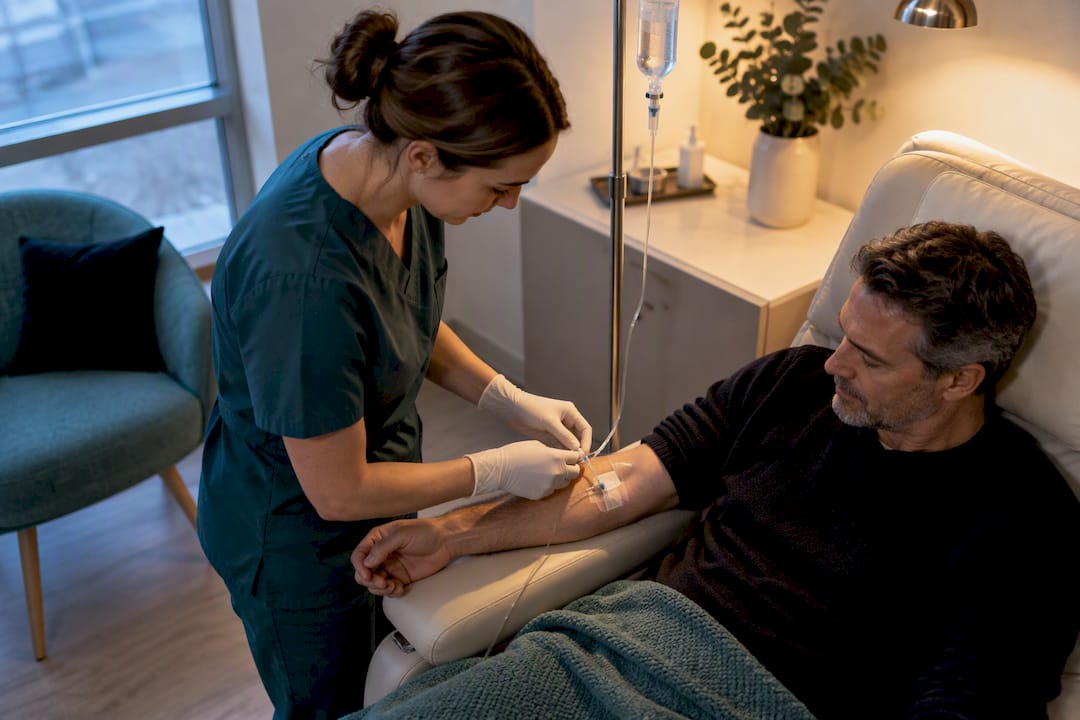
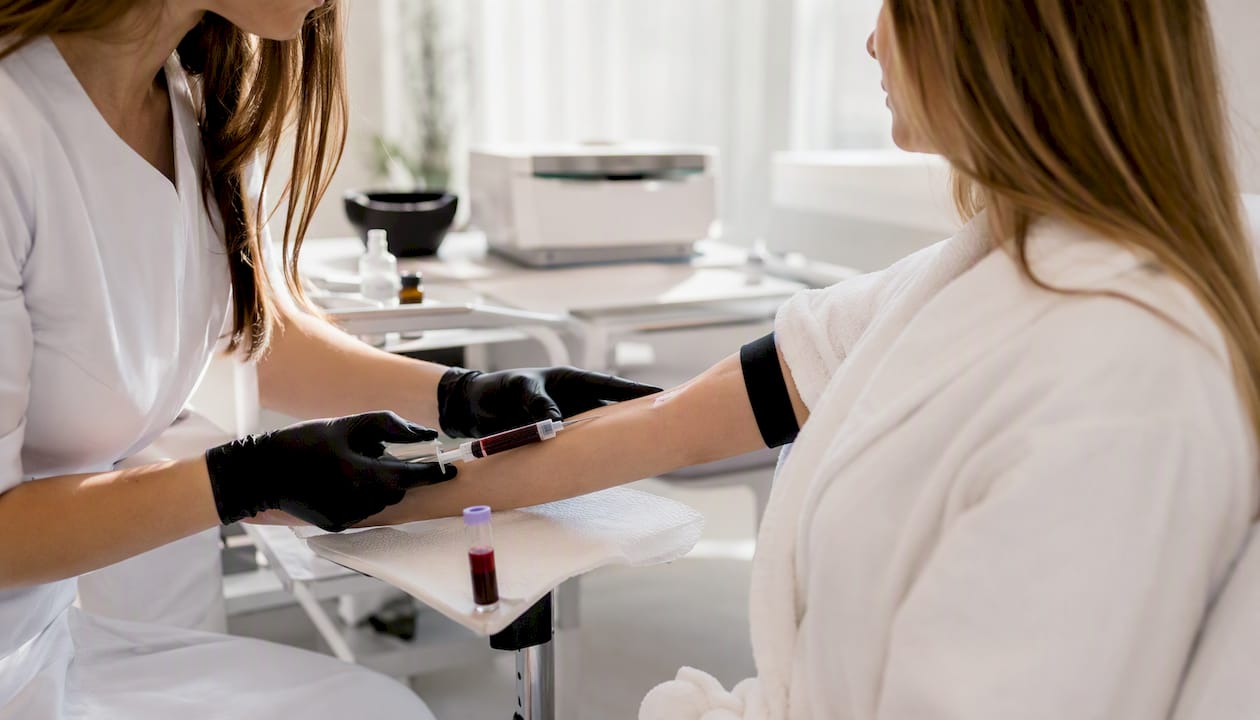

Platelet-rich plasma (PRP) is an autologous concentration of your own platelets suspended in a small volume of plasma, prepared from a simple blood draw and re-injected to deliver growth factors that support tissue repair and regeneration. Because it uses your own blood, serious allergic reactions are extremely rare and most side effects are local and short-lived. If you are considering PRP, the single most important first step is to verify that your chosen clinic holds CQC registration and that the practitioner is medically qualified before you book.
Key takeaways
Platelet-rich plasma is a biologically sound treatment with a strong safety profile, but its effectiveness depends on preparation quality, patient selection, and realistic expectations about timelines.
| Point | Details |
|---|---|
| What PRP is | An autologous concentration of platelets in plasma, prepared from your own blood to deliver growth factors that support tissue repair. |
| Evidence strength | Strongest for selected tendinopathies; mixed for osteoarthritis and cosmetic uses; hair loss evidence is emerging but variable. |
| Safety profile | Common side effects are local and short-lived; allergic reactions are extremely rare because the treatment uses your own blood. |
| Candidate checklist | Good candidates have a localised, defined problem, realistic expectations, and no absolute contraindications such as platelet disorders or active infection. |
| Theaestheticsroom | A CQC-registered London clinic offering PRP within a medically supervised, documented patient pathway, with transparent pricing and qualified practitioners. |
Table of Contents
- What is platelet-rich plasma and how does it work biologically?
- How is PRP prepared in a clinical setting?
- What conditions is PRP used for?
- What does the research actually show about PRP effectiveness?
- Who is a good candidate for PRP, and who should avoid it?
- What happens during a PRP appointment?
- What should you expect after PRP treatment?
- What are the risks and side effects of PRP?
- How much does PRP cost in the UK, and does the NHS cover it?
- How do you choose a safe PRP provider in the UK?
- What does a reputable CQC-registered clinic do differently?
- A realistic perspective on what PRP can and cannot do
- PRP consultations at a CQC-registered London clinic
- Sources
What is platelet-rich plasma and how does it work biologically?
Platelet-rich plasma is defined as an increased concentration of autologous platelets suspended in a small amount of plasma after centrifugation. Platelets are best known for clotting blood, but they also carry dense granules packed with signalling proteins. When activated at an injury site, they release these proteins to recruit repair cells, stimulate new blood vessel formation, and trigger collagen synthesis.
The principal growth factors released include:
- PDGF (Platelet-Derived Growth Factor): stimulates cell proliferation and recruits fibroblasts to the repair site
- VEGF (Vascular Endothelial Growth Factor): promotes new blood vessel formation, improving nutrient delivery to healing tissue
- EGF (Epidermal Growth Factor): supports epithelial cell regeneration and wound closure
- TGF-β (Transforming Growth Factor-beta): regulates collagen synthesis and tissue remodelling
- IGF-1 (Insulin-like Growth Factor 1): promotes cell survival and supports cartilage and bone repair
Because PRP is autologous, meaning it comes entirely from your own body, the risk of an immune reaction is negligible. That said, platelet counts vary considerably between individuals, which means the concentration and potency of growth factors in the final preparation differs from person to person. This biological variability is one reason why two patients receiving the same protocol can experience different outcomes.
How is PRP prepared in a clinical setting?
Preparation follows a consistent sequence, though the technical choices at each stage meaningfully affect the final product.
- Blood draw: A clinician draws between 15 ml and 60 ml of venous blood, typically from the antecubital vein in the arm. The volume depends on the indication and the kit used.
- Collection tubes: Blood is collected into tubes containing an anticoagulant (commonly sodium citrate or acid citrate dextrose) to prevent clotting during processing.
- First centrifugation (single-spin): The tube is spun at a set speed and duration to separate red blood cells from the plasma layer above. The platelet-rich layer sits at the interface.
- Layer extraction: The platelet-rich plasma is drawn off using a syringe or transfer device, leaving the red cell fraction behind.
- Second centrifugation (double-spin, optional): Some protocols spin the extracted plasma a second time to concentrate platelets further. Double-spin preparations tend to yield a higher platelet fold increase but also concentrate white blood cells, which may influence the inflammatory response.
- Activation (optional): Some clinicians activate the PRP with calcium chloride or thrombin immediately before injection to trigger growth factor release; others rely on the injection itself to activate platelets at the target site.
- Injection or topical application: The prepared PRP is drawn into a syringe and administered, either by direct injection into the target tissue or applied topically during a microneedling procedure for skin indications.
Preparation method variability — single versus double spin, white-cell content, platelet concentration — is a key reason why research findings on PRP are inconsistent. A clinic using a validated, closed-system kit with documented platelet fold increase is operating to a meaningfully higher standard than one using an improvised protocol.
Pro Tip: Ask your clinic whether they measure and document the platelet fold increase achieved by their system. A reputable provider using a standardised kit should be able to tell you the approximate concentration relative to baseline blood. If they cannot, that is worth noting.
What conditions is PRP used for?
PRP therapy spans two broad categories: musculoskeletal and medical indications on one side, and aesthetic and cosmetic indications on the other. The evidence base differs substantially between them.
Musculoskeletal and medical uses
- Lateral epicondylitis (tennis elbow) and patellar tendinopathy, where some randomised controlled trials report benefit
- Achilles tendinopathy and rotator cuff pathology
- Mild to moderate knee osteoarthritis, where results are mixed
- Plantar fasciitis and other enthesopathies
- Post-surgical tissue augmentation in orthopaedic procedures
Aesthetic and cosmetic uses
- Skin rejuvenation and texture improvement (often combined with microneedling)
- Hair loss treatment, particularly androgenetic alopecia
- Scar revision and improvement of acne scarring
- Under-eye rejuvenation and fine line reduction.
DermNetNZ notes that while PRP is used for skin rejuvenation and hair loss, the evidence for cosmetic indications is variable and standardised protocols are still being established.
The evidence is relatively stronger for selected tendinopathies, particularly lateral epicondylitis, than for most cosmetic applications. For hair loss, early data is encouraging, but trial quality varies. For skin rejuvenation, PRP tends to be used as part of a combination approach rather than as a standalone treatment.
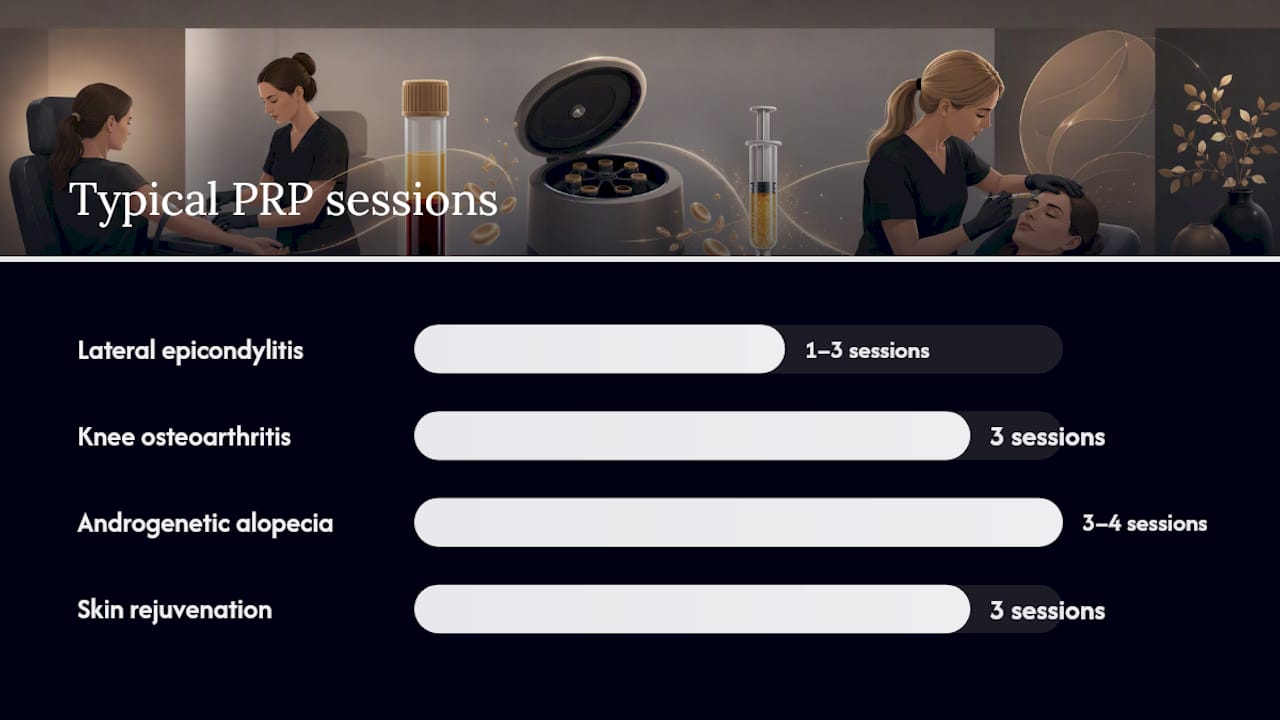
| Indication | Typical sessions | Evidence strength | Common alternatives |
|---|---|---|---|
| Lateral epicondylitis | 1–3 | Moderate (some RCTs) | Physiotherapy, corticosteroid injection |
| Knee osteoarthritis | 3 | Mixed | Hyaluronic acid, physiotherapy |
| Androgenetic alopecia | 3–4 | Emerging | Minoxidil, finasteride |
| Skin rejuvenation | 3 | Limited, mixed | Dermal fillers, microneedling alone |
Finasteride is FDA-indicated for men only. Women who are or may become pregnant must not handle crushed or broken finasteride tablets, due to the risk of harm to a male fetus. It can also cause sexual side effects (reduced libido, erectile dysfunction) in a minority of men, which usually resolve after stopping treatment. Discuss these risks with a physician before starting.
What does the research actually show about PRP effectiveness?
The honest answer is that PRP shows genuine promise in specific indications, but the overall evidence base remains inconsistent. A systematic review published in PMC reports mixed results across indications and identifies heterogeneity in preparation methods as a major limitation to drawing firm conclusions.
The core problem is that “PRP” is not one product. A single-spin, leucocyte-poor preparation used for a tendon injection is biologically different from a double-spin, leucocyte-rich preparation used for a knee joint. When trials use different kits, different platelet concentrations, and different comparators, their results cannot be meaningfully pooled.
What the better-quality evidence does suggest:
- Selected tendinopathies, particularly lateral epicondylitis, show consistent benefit in several RCTs
- Knee osteoarthritis results are mixed, with some trials showing short-term pain reduction
- Cosmetic and hair loss applications have a growing but still limited evidence base
- Ongoing research is refining which patient populations and preparation protocols produce the most reliable outcomes
This does not mean PRP is ineffective. It means the field is still establishing which protocols work best for which patients.
Who is a good candidate for PRP, and who should avoid it?
Features of a suitable candidate
- Localised tendon or joint injury that has not responded adequately to physiotherapy
- Pattern hair loss (androgenetic alopecia) at an early to moderate stage
- Skin concerns such as texture, fine lines, or mild scarring where regenerative support is sought
- Good general health and realistic expectations about timelines and outcomes
- No contraindications to the procedure
Contraindications to be aware of
Absolute contraindications:
- Active infection at or near the proposed injection site
- Platelet dysfunction disorders or thrombocytopaenia
- Haematological malignancy
- Systemic anticoagulation therapy where it cannot be safely paused
Relative contraindications (requiring clinical judgement):
- Pregnancy and breastfeeding
- Severe systemic disease (e.g. uncontrolled diabetes, autoimmune conditions)
- Recent use of NSAIDs or corticosteroids, which may impair platelet function
- Anaemia or low haematocrit
Pro Tip: Always give your clinician a full medication and supplement list before treatment. NSAIDs such as ibuprofen, anticoagulants, high-dose omega-3 supplements, and vitamin E can all affect platelet function and should typically be paused for a period before your appointment. Your clinician will advise the specific timeframe.
What happens during a PRP appointment?
A typical PRP session at a well-run clinic follows a clear sequence. The whole appointment usually takes a moderate amount of time, though this depends on the indication and whether imaging guidance is used.
- Consent and medical history: The clinician reviews your medical history, current medications, and any contraindications. You sign an informed consent form that outlines the procedure, expected outcomes, and risks. Photos of the treatment area are taken for baseline documentation.
- Site preparation: The target area is cleaned and, for injections, marked. A topical or local anaesthetic may be applied to minimise discomfort, particularly for scalp or joint injections.
- Blood draw: Between 15 ml and 60 ml of blood is drawn from your arm, typically taking a few minutes.
- Centrifugation: The blood is processed in the centrifuge, which takes approximately 8–15 minutes depending on the protocol.
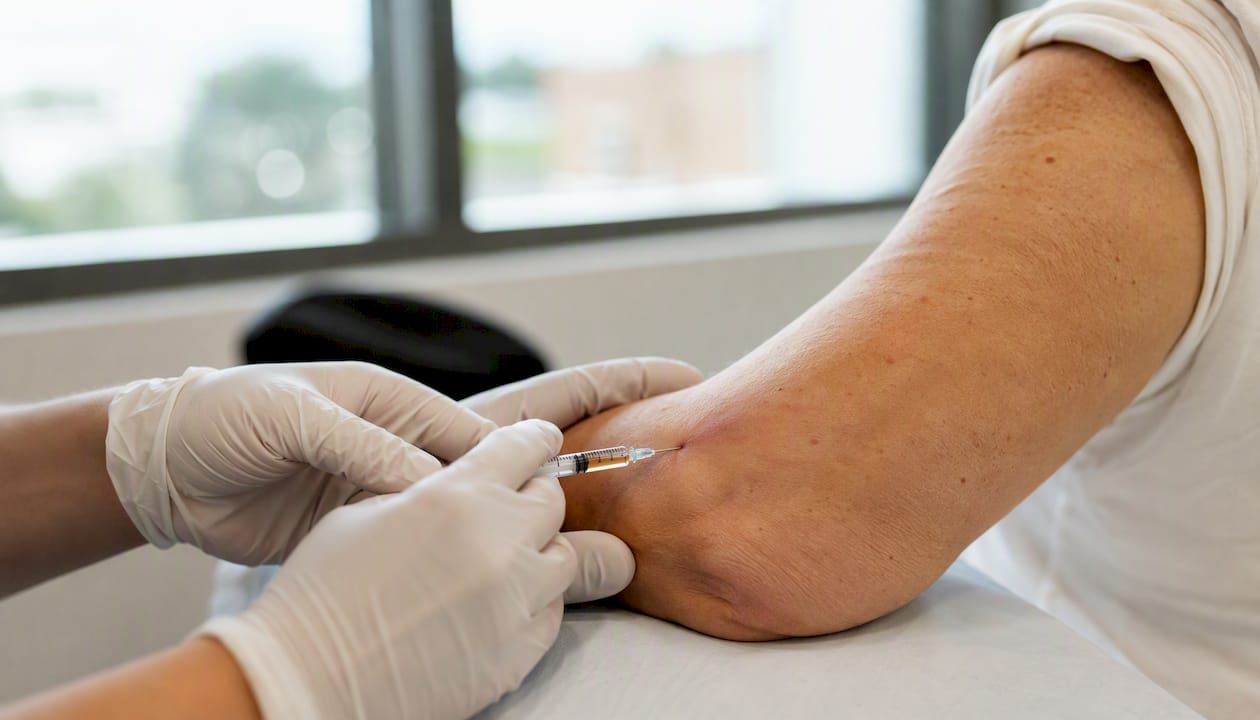
- Injection: The prepared PRP is drawn into a syringe. For musculoskeletal indications, ultrasound guidance is often used to place the injection precisely within the target tendon or joint. For aesthetic indications such as scalp or skin, a series of small injections or a microneedling device is used.
- Post-injection observation: You remain at the clinic for a short period to confirm there are no immediate adverse reactions. The clinician reviews aftercare instructions with you and schedules follow-up appointments.
The RNOH patient guide confirms that PRP is obtained from blood, concentrated, and re-injected into the affected area to supply growth factors that begin the repair process, reflecting this standard clinical sequence.
What should you expect after PRP treatment?
Recovery from a platelet-rich plasma injection is generally straightforward, though the biological timeline for results is longer than many patients expect.
Immediately after treatment (days 1–3): Localised soreness, swelling, and bruising at the injection site are normal and expected. For musculoskeletal injections, a temporary symptom flare is common in the first 24–72 hours as the growth factors trigger an inflammatory response. Rest the treated area and avoid strenuous activity during this period. Paracetamol is generally preferred over NSAIDs for pain management, as NSAIDs may blunt the platelet-mediated response.
Early tissue response (weeks 1–4): Swelling resolves and the area begins to settle. For skin and scalp treatments, some patients notice early changes in texture or reduced shedding during this window.
Collagen remodelling and observable benefit (months 1–3): The meaningful biological changes, collagen synthesis, tendon matrix remodelling, and hair follicle stimulation, occur over weeks to months. Most patients notice the clearest improvement 6–12 weeks after their final session in a course.
A course typically involves multiple sessions spaced several weeks apart, though this varies by indication and clinician protocol. Contact the clinic promptly if you experience signs of infection (increasing redness, warmth, discharge, or fever), severe or worsening pain beyond the expected flare, or any neurological symptoms near the injection site.
What are the risks and side effects of PRP?
PRP has a favourable safety profile for most patients, primarily because it uses autologous blood. The most common effects are local and temporary.
Common expected effects:
- Bruising and localised swelling at the injection site
- Temporary soreness or a short-term symptom flare (particularly for musculoskeletal injections)
- Mild redness or warmth
Less common but important risks:
- Infection at the injection site (rare when sterile technique is used)
- Nerve or vessel injury if injection is performed without imaging guidance in high-risk anatomical areas
- No clinical benefit, or a prolonged symptom flare without subsequent improvement
- Theoretical concerns around non-standardised protocols, including inconsistent platelet concentration or contamination
Allergic reactions are extremely rare because the treatment uses your own blood. There is no foreign protein introduced.
To minimise risk, check that your clinic is CQC-registered and that the practitioner holds a current registration with the GMC, NMC, or GDC as appropriate. If you experience an adverse event, you can report it to the MHRA via the Yellow Card scheme.
How much does PRP cost in the UK, and does the NHS cover it?
Private PRP treatment in the UK varies in price depending on the indication, the number of sessions, and the clinic’s location and equipment. UK aesthetic pricing guides indicate that PRP facial treatments have become mainstream in UK aesthetics, with price and session count varying considerably between providers.
Typical private price ranges:
- PRP facial or skin rejuvenation: approximately £250–£600 per session
- PRP for hair loss: approximately £300–£700 per session
- Musculoskeletal PRP injection: approximately £400–£900 per session, depending on imaging guidance and complexity
Because most indications require a course of multiple sessions, the total investment for a full course commonly ranges from several hundred to a few thousand pounds.
NHS availability:
NHS provision of PRP is limited and generally restricted to selected orthopaedic or specialist musculoskeletal programmes, typically where other treatments have failed and there is a clinical pathway supporting its use. Aesthetic indications are not available on the NHS. Most patients accessing PRP for cosmetic or hair loss purposes will do so privately.
Insurance:
Private health insurance rarely covers PRP for cosmetic indications. For musculoskeletal uses, coverage depends on your policy and the specific clinical commissioning pathway. Check directly with your insurer before assuming coverage.
Pro Tip: When requesting a quote, ask specifically what the fee includes: consultation, imaging guidance, follow-up appointments, and any aftercare products. Some clinics quote a headline session price that excludes these, which can significantly affect the total cost.
How do you choose a safe PRP provider in the UK?
Choosing the right clinic is as important as choosing the treatment. The UK has no single statutory licensing regime for aesthetic clinics, which means the burden of checking credentials falls on you.
Essential checks before booking
- CQC registration: Confirm the clinic is registered with the Care Quality Commission. You can search the CQC register at cqc.org.uk. Registration means the clinic is subject to inspection and must meet defined standards of safety and care.
- Practitioner registration: The clinician performing your PRP should be registered with the GMC (doctors), NMC (nurses), or GDC (dentists). Check their registration status directly on the relevant register.
- Visible consent process: A reputable clinic will provide written information before your appointment and obtain signed informed consent before any procedure.
- Clear aftercare policy: Ask whether follow-up is included and what the process is if you experience complications.
Questions to ask at your consultation
- What platelet concentration does your system achieve, and do you document this?
- Which centrifuge system or kit do you use?
- Will imaging guidance (ultrasound) be used for my injection?
- How many sessions do you recommend for my indication, and what outcome metrics will you use to assess progress?
- What is your protocol if I do not respond as expected?
Red flags to watch for
- No clear pricing or reluctance to provide a written quote
- Pressure to book immediately or purchase a package before consultation
- Practitioners who minimise risks or promise guaranteed results
- No visible CQC registration or professional credentials on display
Clinics that support standardised patient education and transparent protocols, such as those using platforms like LumariPRO for patient information and clinic workflow, tend to reflect a higher commitment to consistent, documented care.
What does a reputable CQC-registered clinic do differently?
The gap between a well-run clinic and a poorly regulated one is most visible in the details of patient pathway, not just the treatment itself. Theaestheticsroom, a CQC-registered medical aesthetics clinic in London, illustrates several practices that reflect best-practice standards.
- CQC accreditation and ACE Group membership: Theaestheticsroom holds CQC registration and is a member of the ACE Group, a network dedicated to patient safety in aesthetics. This means the clinic is subject to external inspection and must demonstrate compliance with defined safety standards.
- Documented informed consent: Patients receive written treatment information and sign consent forms before any procedure, with the opportunity to ask questions at a virtual or in-person consultation.
- Medically qualified practitioners: Treatments are delivered by clinicians with verifiable professional registrations, not unregulated practitioners.
- Sterile protocols and closed-system kits: PRP preparation uses closed, validated systems to minimise contamination risk.
- Before-and-after documentation: Photographic records are taken at baseline and follow-up to provide objective evidence of outcomes and support clinical decision-making.
- Transparent pricing and follow-up: Patients receive clear information about session counts, what is included in the fee, and how follow-up is managed.
These are the signals to look for at any clinic you consider, not just at Theaestheticsroom. A clinic that cannot demonstrate most of these practices warrants caution.
A realistic perspective on what PRP can and cannot do
PRP is a credible, biologically grounded treatment. It is not a miracle. The growth factors it delivers support the body’s own repair mechanisms rather than replacing or overriding them, which means outcomes depend heavily on patient biology, the quality of preparation, and the suitability of the indication.
The patients who tend to benefit most are those with a clear, localised problem, realistic expectations about timelines, and a willingness to commit to a full course of sessions. Expecting visible improvement after a single injection, or expecting PRP to reverse advanced tissue damage, sets up disappointment.
What clinicians often find in practice is that honest consent is the most important part of the process. A patient who understands that results emerge over months, that a second or third session may be needed, and that adjunctive treatments such as physiotherapy or topical agents may improve outcomes, is far better placed to evaluate whether PRP has worked for them. The evidence supports PRP as a useful tool in the right hands, for the right patient, with the right preparation protocol.
PRP consultations at a CQC-registered London clinic
Theaestheticsroom offers PRP as part of a broader skin rejuvenation and hair restoration service at its CQC-registered clinic in Knightsbridge, London. Treatments are delivered by medically qualified practitioners, with documented consent, sterile preparation protocols, and clear pricing from the outset.

For readers who want to explore whether PRP is appropriate for their skin, hair, or aesthetic goals, a virtual or in-person consultation is the right starting point. Bring your full medication list, any questions about platelet concentration and session count, and any previous treatment history. The clinic also offers dermal fillers and other non-surgical treatments that may complement or serve as alternatives to PRP depending on your goals. Book a consultation at Theaestheticsroom to discuss your options with a qualified clinician.
Sources
For those who want to read further before a consultation, the following sources are reliable and UK-relevant:
- Platelet Rich Plasma: Myth or Reality? – PMC – NIH
- A Patient’s Guide to Platelet Rich Plasma (PRP) Blood Injection
- Platelet-rich plasma – dermatological applications
- PRP Facial Cost UK 2026: Prices, Sessions and What to Budget For
This article is general information, not a substitute for advice from a qualified doctor. Consult a qualified healthcare professional about your own circumstances before acting on anything here.