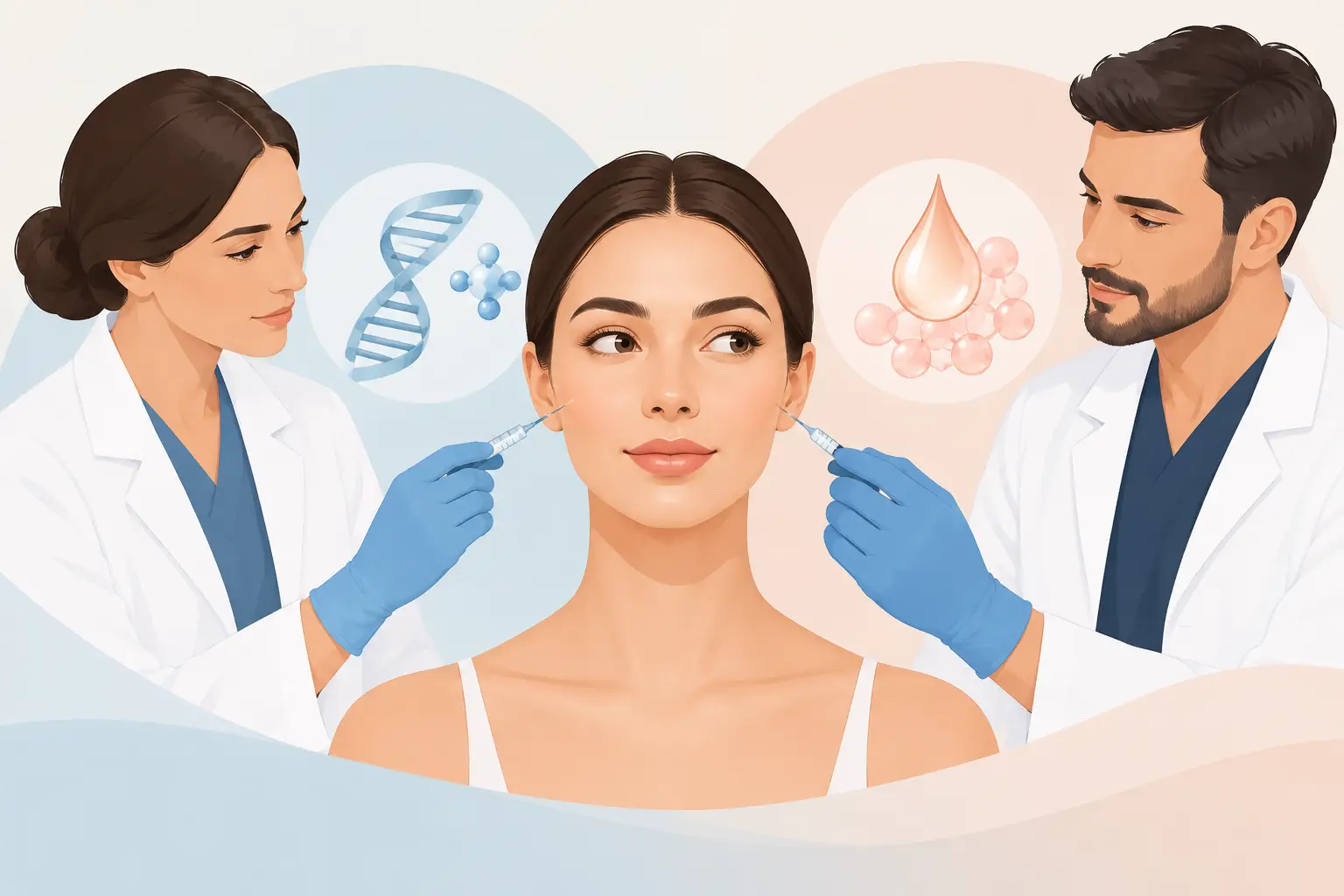

Many people believe platelet-rich plasma treatments are just another passing trend in aesthetic medicine, yet this natural approach to skin rejuvenation has gained serious scientific backing. If you’re curious about whether PRP can truly enhance your appearance without invasive procedures, you’re not alone. This article explains what PRP actually is, how it stimulates your skin’s natural healing processes, its proven benefits for achieving a more youthful complexion, and why it’s become a cornerstone treatment in luxury aesthetic clinics across London. You’ll discover how PRP compares to other popular treatments, what safety measures matter most, and whether combining therapies might deliver the results you’re seeking.
Table of Contents
- What Is PRP And How Does It Work In Aesthetics?
- Benefits And Applications Of PRP In Luxury Aesthetic Treatments
- How Does PRP Compare To Other Aesthetic Treatments?
- Safety, Precautions And What To Expect During PRP Treatments
- Discover PRP And Other Luxury Aesthetic Treatments At The Aesthetics Room
- Frequently Asked Questions
Key takeaways
| Point | Details |
|---|---|
| Natural rejuvenation | PRP uses your own blood components to stimulate skin repair and collagen production without foreign substances. |
| Gradual improvements | Visible results typically emerge over four to six weeks as your skin naturally regenerates and firms. |
| Minimal downtime | This minimally invasive treatment involves minor discomfort with few side effects, allowing quick return to daily activities. |
| Complementary treatment | PRP enhances the effects of other aesthetic procedures like Botox and dermal fillers for comprehensive facial rejuvenation. |
| Professional administration | Safety and effectiveness depend on choosing qualified medical practitioners who follow strict clinical protocols. |
What is PRP and how does it work in aesthetics?
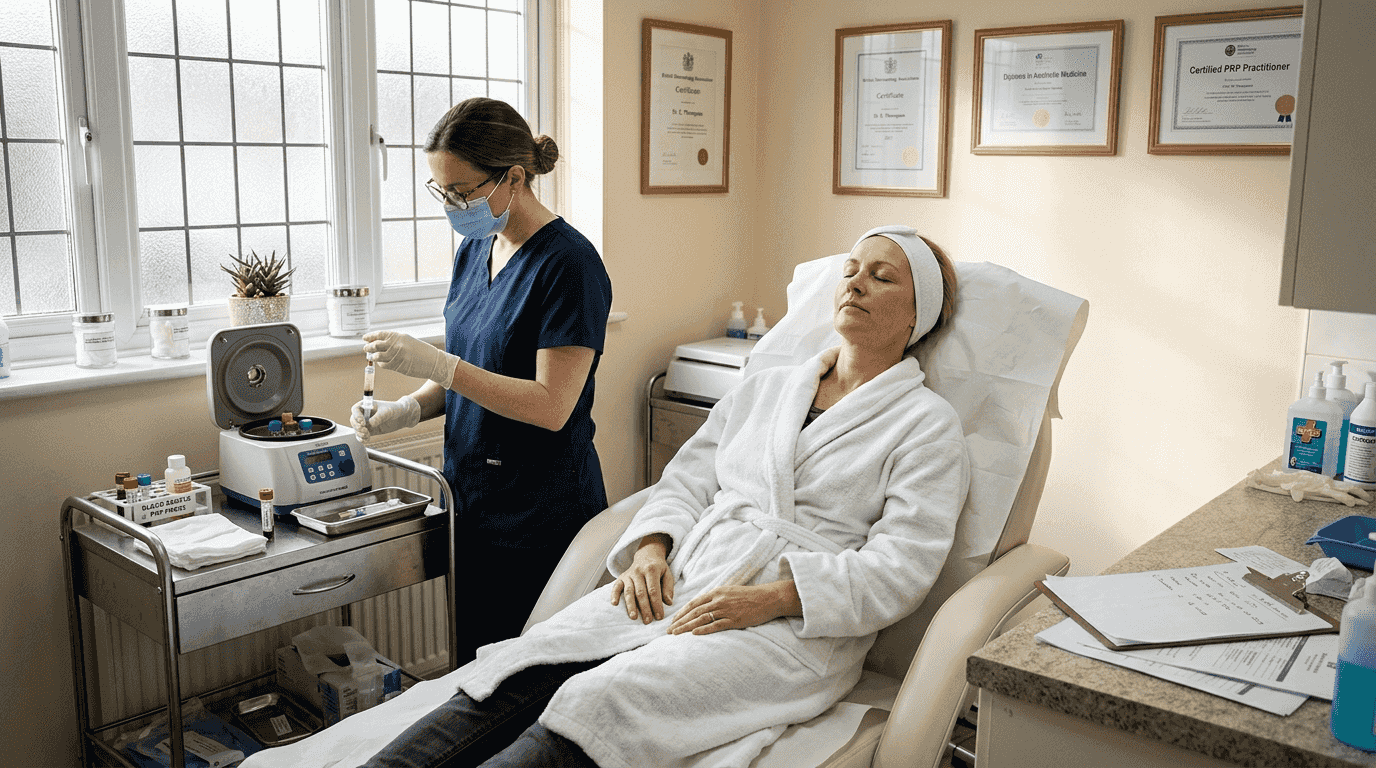
Platelet-rich plasma represents a sophisticated biological approach to skin rejuvenation that harnesses your body’s natural healing mechanisms. The treatment begins with a small blood sample drawn from your arm, similar to a routine health check. This blood undergoes centrifugation, a spinning process that separates its components by density, concentrating platelets into a golden plasma rich in growth factors. These platelets contain powerful proteins that signal your skin cells to initiate repair and regeneration processes.
The concentrated plasma is then carefully injected into targeted facial areas where rejuvenation is desired. PRP involves concentrating platelets from your blood to harness growth factors that boost skin repair and collagen synthesis, creating a foundation for visible improvements. Growth factors released from platelets include platelet-derived growth factor, transforming growth factor beta, and vascular endothelial growth factor, each playing distinct roles in tissue regeneration. These biological signals stimulate fibroblasts, the cells responsible for producing collagen and elastin, the structural proteins that maintain skin firmness and elasticity.
When growth factors activate fibroblasts, your skin begins producing fresh collagen matrices that gradually replace damaged or aged tissue. This process differs fundamentally from treatments that simply fill lines or relax muscles because PRP actually rebuilds skin architecture from within. The newly synthesised collagen improves skin thickness, texture, and resilience over several weeks following treatment. Elastin production also increases, restoring the skin’s ability to bounce back after stretching or movement.
A typical PRP facial collagen boost session follows these steps:
- Blood collection taking approximately five minutes
- Centrifugation processing lasting ten to fifteen minutes
- Preparation of injection sites with topical anaesthetic
- Strategic injection of PRP into treatment areas
- Post-treatment care instructions and scheduling follow-up sessions
The entire appointment usually requires 45 to 60 minutes, making it convenient for busy schedules. Most practitioners recommend a series of three to four treatments spaced four to six weeks apart for optimal results, followed by maintenance sessions every six to twelve months. The biological response continues developing between sessions as your skin progressively builds new collagen networks.
Pro Tip: Staying well hydrated in the days before your PRP treatment helps ensure optimal blood quality and platelet concentration, potentially enhancing your results.
Benefits and applications of PRP in luxury aesthetic treatments
Platelet-rich plasma delivers multiple aesthetic benefits that appeal particularly to those seeking natural-looking improvements without synthetic materials. The treatment excels at improving overall skin quality, creating a radiant complexion that photographs beautifully and appears refreshed in person. PRP treatments can improve skin texture, reduce fine lines, and enhance overall radiance with minimal downtime, making them ideal for maintaining a polished appearance.
Skin firmness represents one of PRP’s most valued benefits, as the collagen stimulation gradually tightens lax areas around the jawline, cheeks, and neck. You’ll notice improved texture as the treatment smooths rough patches and minimises enlarged pores through cellular regeneration. Fine lines around the eyes, mouth, and forehead become less prominent as fresh collagen plumps the skin from beneath, creating a more youthful surface.
PRP demonstrates particular effectiveness for addressing specific skin concerns:
- Acne scarring that creates uneven texture and depressed areas
- Post-inflammatory hyperpigmentation from previous breakouts
- Sun damage manifesting as age spots and uneven tone
- Mild to moderate skin laxity affecting facial contours
- Under-eye hollows and dark circles from thin skin
The safety profile of PRP stands out because the treatment uses your own biological material, virtually eliminating allergic reactions or rejection risks. This autologous approach means your body recognises the injected plasma as its own tissue, integrating it seamlessly into existing structures. Luxury aesthetic clients particularly appreciate this natural methodology, which aligns with wellness-focused lifestyles and preferences for biocompatible treatments.
Achieving optimal results typically follows this timeline:
- Initial subtle improvements appearing within two to three weeks
- Progressive enhancement becoming noticeable at four to six weeks
- Continued collagen development extending to three months post-treatment
- Peak results visible after completing the full treatment series
- Maintenance sessions preserving improvements long term
The gradual nature of PRP results offers distinct advantages for those preferring discreet enhancements that don’t announce themselves dramatically. Colleagues and friends notice you look refreshed and well-rested rather than obviously treated. This subtlety makes PRP particularly suitable for professional environments where natural appearance matters.
Combining PRP with comprehensive skin rejuvenation benefits programmes amplifies overall facial harmony. Many luxury clinics incorporate PRP into bespoke treatment plans that address multiple aesthetic concerns simultaneously. The treatment integrates beautifully with professional skincare regimens, enhancing the effectiveness of topical products by improving skin receptivity and cellular function.
Pro Tip: Schedule your PRP series during autumn or winter months when sun exposure is naturally reduced, as avoiding intense UV radiation helps optimise healing and prevents pigmentation complications.
Exploring various facial aesthetic treatments alongside PRP allows you to create a comprehensive rejuvenation strategy tailored to your specific goals and skin characteristics.
How does PRP compare to other aesthetic treatments?
Understanding how platelet-rich plasma differs from other popular aesthetic procedures helps you make informed decisions about which treatments best suit your goals. Each modality works through distinct mechanisms, offering unique benefits that sometimes complement each other beautifully when strategically combined.
| Treatment | Primary mechanism | Main effects | Duration | Downtime | Best for |
|---|---|---|---|---|---|
| PRP | Growth factor stimulation | Collagen production, texture improvement | 12-18 months | Minimal, 1-2 days | Overall skin quality, natural rejuvenation |
| Dermal fillers | Hyaluronic acid volume | Immediate plumping, contour restoration | 6-18 months | Minimal, potential bruising | Volume loss, deep lines, facial shaping |
| Botox | Muscle relaxation | Wrinkle smoothing, prevention | 3-4 months | None to minimal | Dynamic wrinkles, forehead lines, crow’s feet |
PRP offers natural rejuvenation by stimulating tissue repair, while fillers add volume and Botox relaxes muscles to smooth lines, creating three distinct pathways to aesthetic enhancement. The fundamental difference lies in PRP’s regenerative approach versus the corrective or preventive actions of fillers and neurotoxins.
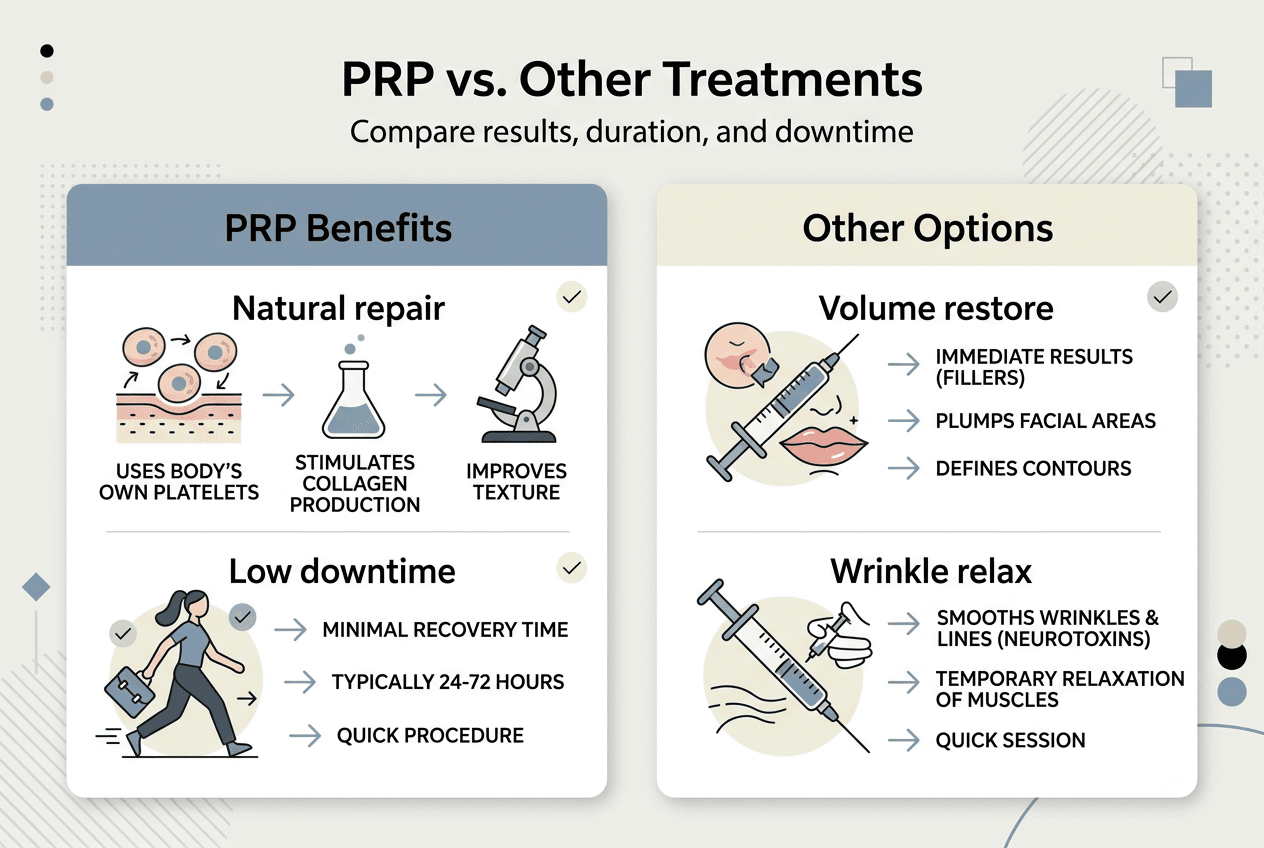
Platelet-rich plasma excels when your primary concern involves overall skin quality rather than specific structural deficits. If you notice dullness, rough texture, or early signs of ageing without significant volume loss, PRP addresses these issues at a cellular level. The treatment rebuilds your skin’s foundation, improving its ability to maintain moisture, produce natural oils, and resist environmental damage. This makes PRP particularly valuable for younger patients beginning preventive care or those seeking to enhance skin health alongside other treatments.
Dermal fillers serve different purposes, primarily restoring lost volume in areas like cheeks, temples, and lips while smoothing deep folds around the nose and mouth. The advantages of dermal fillers include immediate visible results and precise sculpting capabilities that reshape facial contours. Fillers work best when you need structural support or volumisation that PRP alone cannot provide, though combining both treatments often yields superior outcomes.
Botox targets dynamic wrinkles formed by repetitive muscle movements, temporarily relaxing these muscles to prevent creasing. This neurotoxin approach works brilliantly for forehead lines, frown lines between brows, and crow’s feet around eyes. Botox treatments deliver predictable results within days and require no recovery time, making them convenient for ongoing maintenance. However, Botox doesn’t improve skin quality or texture, which is where PRP provides complementary benefits.
Combination treatment strategies leverage each modality’s strengths:
- PRP improves overall skin quality while Botox prevents new wrinkle formation
- Dermal fillers restore volume while PRP enhances skin texture around filled areas
- Botox relaxes muscles and PRP stimulates collagen in the same treatment zones
- Sequential treatments timed to maximise each therapy’s peak effectiveness
Many experienced aesthetic practitioners recommend starting with PRP to establish a healthy skin foundation, then adding fillers or Botox to address specific concerns. This layered approach creates natural-looking results that age gracefully because the underlying skin quality supports the corrective treatments. Your practitioner can design a personalised protocol based on your facial anatomy, aesthetic goals, and budget considerations.
The longevity of PRP results often surprises patients accustomed to shorter-lasting treatments. While Botox requires retreatment every three to four months, PRP’s collagen-building effects persist for twelve to eighteen months or longer with proper maintenance. This extended duration makes PRP cost-effective over time, despite higher initial treatment costs compared to single Botox sessions.
Safety, precautions and what to expect during PRP treatments
Choosing qualified medical professionals for your platelet-rich plasma treatments represents the most critical safety decision you’ll make. Only doctors, nurses, or practitioners with appropriate medical training and aesthetic experience should perform PRP injections. These professionals understand facial anatomy, can manage potential complications, and follow protocols that minimise infection risks. Clinics accredited by regulatory bodies demonstrate commitment to patient safety through regular inspections and adherence to clinical standards.
PRP treatments have a low risk profile but require professional administration to avoid infection and ensure correct technique, particularly regarding sterile blood handling and precise injection placement. Reputable clinics use single-use, sterile equipment for every patient and maintain rigorous hygiene standards throughout the treatment process. The blood processing occurs in controlled conditions using approved centrifuge systems that consistently produce high-quality platelet concentrations.
Common side effects following PRP treatments remain mild and temporary:
- Redness at injection sites lasting several hours to two days
- Slight swelling that peaks within 24 hours then subsides
- Minor bruising possible depending on individual vascular fragility
- Tenderness when touching treated areas for one to three days
- Temporary skin sensitivity requiring gentle skincare products
These reactions indicate normal inflammatory responses as your body processes the growth factors and initiates healing. Most patients resume regular activities immediately after treatment, though you should avoid strenuous exercise, excessive heat, and alcohol consumption for 24 to 48 hours. Staying hydrated and getting adequate sleep supports optimal healing and collagen production.
Pre-treatment preparation enhances your results and comfort. Avoid blood-thinning medications and supplements like aspirin, ibuprofen, vitamin E, and fish oil for one week before your appointment unless medically necessary. Discontinue retinoids and exfoliating products three days prior to reduce skin sensitivity. Arrive well-hydrated and having eaten a light meal to prevent lightheadedness during blood collection. Inform your practitioner about any medications, health conditions, or previous aesthetic treatments that might affect your PRP session.
Post-treatment care guidelines typically include:
- Keeping treated areas clean with gentle, fragrance-free cleansers
- Applying recommended healing serums or moisturisers
- Using broad-spectrum SPF 50 sunscreen daily to protect regenerating skin
- Avoiding makeup for 12 to 24 hours after treatment
- Sleeping with head elevated the first night to minimise swelling
Most treatment protocols involve three to four sessions spaced four to six weeks apart, allowing each round of collagen production to establish before stimulating further growth. This interval optimises cumulative benefits while preventing overstimulation of tissue. After completing the initial series, maintenance treatments every six to twelve months preserve your results and continue supporting healthy skin function.
Expert clinics report patient satisfaction rates exceeding 85% for PRP facial treatments when performed as part of comprehensive aesthetic programmes with proper patient selection and realistic expectation setting.
Realistic expectations matter significantly for treatment satisfaction. PRP produces gradual, natural improvements rather than dramatic overnight transformations. You’re investing in long-term skin health and quality that develops progressively. Patients who understand this timeline and commit to the full treatment series achieve the most rewarding outcomes. Your practitioner should discuss anticipated results honestly during consultation, showing before-and-after examples of similar patients.
Contraindications exist for PRP treatments despite their general safety. Individuals with blood disorders, active infections, certain autoimmune conditions, or cancer should avoid PRP or seek specialist medical clearance first. Pregnancy and breastfeeding represent relative contraindications due to limited safety data. Comprehensive safe cosmetic procedures guidance helps identify whether you’re an appropriate candidate.
Thorough understanding of cosmetic procedure safety protocols empowers you to ask informed questions and verify your chosen clinic maintains appropriate standards for your protection and optimal results.
Discover PRP and other luxury aesthetic treatments at The Aesthetics Room
If you’re ready to experience the regenerative benefits of platelet-rich plasma in a setting that prioritises both luxury and clinical excellence, The Aesthetics Room offers expert guidance throughout your aesthetic journey. Our experienced medical practitioners specialise in PRP facial treatments tailored to your unique skin concerns and aesthetic goals, ensuring personalised care that respects your individual needs.

We understand that achieving your ideal appearance often involves combining complementary treatments for comprehensive facial rejuvenation. Our clinic offers a full spectrum of aesthetic services, including Botox treatments for dynamic wrinkle prevention and dermal filler options for volume restoration and facial contouring. This integrated approach allows us to design bespoke treatment plans that address multiple concerns simultaneously, delivering harmonious results that enhance your natural beauty. Located in prestigious Knightsbridge with additional locations on Harley Street and Mayfair, we provide a welcoming environment where safety, professionalism, and outstanding client care remain our unwavering priorities. Book a consultation to explore how PRP and complementary treatments can help you achieve the youthful, radiant complexion you desire.
Frequently asked questions
How long does it take to see results from PRP treatments?
Results typically appear gradually over four to six weeks as collagen production increases and your skin regenerates naturally. Initial subtle improvements may become noticeable within two to three weeks, with continued enhancement developing over three months. Multiple sessions spaced four to six weeks apart deliver optimal cumulative outcomes, with peak results visible after completing your full treatment series.
Are PRP treatments painful and is there downtime?
Treatment involves minor discomfort similar to standard injections, with most clinics applying topical anaesthetic beforehand to minimise sensation. Downtime remains minimal, typically limited to slight redness or swelling that resolves within one to two days. Most patients resume normal activities immediately after their appointment, making PRP convenient for busy schedules.
Can PRP be combined with other aesthetic treatments?
PRP complements Botox and dermal fillers beautifully to enhance and prolong aesthetic results through synergistic mechanisms. While PRP improves overall skin quality and texture, Botox prevents dynamic wrinkles and fillers restore volume, creating comprehensive facial rejuvenation. Combination treatment plans are carefully tailored by experienced practitioners to maximise benefits while ensuring safety and natural-looking outcomes that suit your specific aesthetic goals.
What safety measures ensure effective PRP treatments?
Only licensed medical professionals with appropriate aesthetic training should perform PRP procedures to ensure proper technique and complication management. Reputable clinics follow strict hygiene and procedural protocols, using sterile single-use equipment and approved centrifuge systems for blood processing. Choosing safe cosmetic procedures providers accredited by regulatory bodies like the CQC minimises risks and ensures you receive treatments meeting established clinical standards for your protection and optimal results.