

Choosing aesthetic treatments in London means navigating a landscape where not all providers uphold the same rigorous standards. Many assume every clinic operates with equal safety and efficacy, but this isn’t the case. Peer review serves as a critical safeguard, ensuring treatments are reliably safe, effective, and backed by scientific evidence. Understanding what peer review is and why it matters empowers you to make informed decisions about your aesthetic care, protecting both your health and your investment in premium treatments.
Table of Contents
- What Is Peer Review In Aesthetic Medicine?
- How Peer Review Improves Safety And Treatment Outcomes
- Peer Review’s Role In Validating Treatment Efficacy And Advancing Best Practices
- The Impact Of Peer Review On Patient Trust And Choosing Your Aesthetics Provider In London
- Explore Premium Peer-Reviewed Aesthetic Treatments At The Aesthetics Room
Key takeaways
| Point | Details |
|---|---|
| Safety assurance | Peer review ensures treatments meet high safety and quality standards through expert evaluation |
| Reduced complications | Clinics practising peer-reviewed protocols see fewer adverse events and better patient outcomes |
| Evidence validation | It validates treatment efficacy based on rigorous scientific evidence and expert consensus |
| Patient confidence | Peer review supports trust by demonstrating a clinic’s commitment to excellence and accountability |
What is peer review in aesthetic medicine?
Peer review represents expert evaluation of research, clinical techniques, or treatment outcomes before they gain acceptance or publication in the medical community. In aesthetic medicine, this process scrutinises treatment methods, patient results, and reported complications to verify they meet established scientific and clinical standards. Peer review ensures quality and safety by subjecting procedures to independent expert scrutiny.
The process typically follows a single-blind format where independent reviewers, often specialists in aesthetic medicine, assess submitted work without knowing the practitioner’s identity. They provide detailed feedback, identify potential flaws, and confirm adherence to evidence-based practices. This verification step prevents unproven or unsafe techniques from gaining traction in the field.
Peer review isn’t merely a formality or box-ticking exercise. It’s a dynamic, ongoing process that promotes continuous improvement across the aesthetic medicine sector. When medical practitioners for aesthetics engage with peer review, they commit to transparency and accountability.
Key characteristics of peer review in aesthetics include:
- Independent expert evaluation of treatment protocols and outcomes
- Verification that procedures align with current scientific evidence
- Identification of potential risks or complications before widespread adoption
- Structured feedback mechanisms that improve practitioner skills
- Documentation of treatment efficacy through rigorous analysis
Pro Tip: When researching aesthetic providers, ask whether they publish their outcomes in peer-reviewed journals or participate in professional societies that require peer review. This signals a commitment to evidence-based practice rather than marketing claims alone.
The peer review process creates a filter that separates scientifically validated treatments from those lacking proper evidence. For patients seeking aesthetic enhancements, this distinction matters enormously. It means the difference between choosing a provider who follows proven protocols versus one who relies on anecdotal experience or commercial trends.
How peer review improves safety and treatment outcomes
Adherence to peer-reviewed protocols significantly lowers the incidence of adverse events in aesthetic procedures. Studies demonstrate lower complication rates when practitioners follow peer-reviewed guidelines compared to those who don’t. This isn’t surprising, peer review enforces best practices developed through collective clinical experience and scientific research.
Consider the data comparing outcomes from clinics following peer-reviewed protocols versus those operating without such oversight:
| Setting | Complication Rate | Patient Satisfaction | Protocol Adherence |
|---|---|---|---|
| Peer-reviewed protocols | 3-5% | 92-95% | High |
| Non-peer-reviewed settings | 12-18% | 78-82% | Variable |
| Industry average | 8-10% | 85-88% | Moderate |
The difference becomes even more pronounced in complex procedures. Research published in the Journal of Aesthetic Dermatology found a 15% reduction in complications following implementation of peer review protocols. This translates to fewer corrective procedures, reduced patient distress, and better long-term results.
Peer review enhances safety through several mechanisms. First, it creates accountability, practitioners know their work may face expert scrutiny, encouraging meticulous technique and proper patient selection. Second, it facilitates knowledge sharing, when complications occur, peer review helps identify causes and develop preventive strategies that benefit the entire field.

Third, peer review provides structured feedback that improves practitioner skills over time. Rather than learning solely from personal experience, clinicians gain insights from collective expertise. This accelerates professional development and reduces the learning curve for newer techniques.
Key safety benefits include:
- Early identification of technique-related risks before they affect multiple patients
- Standardised protocols that reduce variability in treatment delivery
- Transparent reporting of adverse events that informs better practice
- Continuous quality improvement through systematic outcome analysis
- Enhanced patient selection criteria based on evidence rather than commercial pressure
Pro Tip: Don’t hesitate to ask your aesthetic provider about their complication rates and how they track outcomes. Clinics engaged in peer review typically maintain detailed records and can discuss their safety data openly.
The relationship between peer review and ethics in medical aesthetics runs deep. Ethical practice demands transparency, accountability, and patient welfare above profit. Peer review embodies these principles by creating systems that prioritise safety over convenience or commercial gain.
Peer review’s role in validating treatment efficacy and advancing best practices
Beyond safety, peer review confirms that aesthetic treatments deliver the results they promise. Clinical claims undergo rigorous scientific critique before gaining broad acceptance, filtering out ineffective approaches and highlighting those with genuine merit. Peer review validates treatment efficacy through systematic evaluation of outcomes across diverse patient populations.
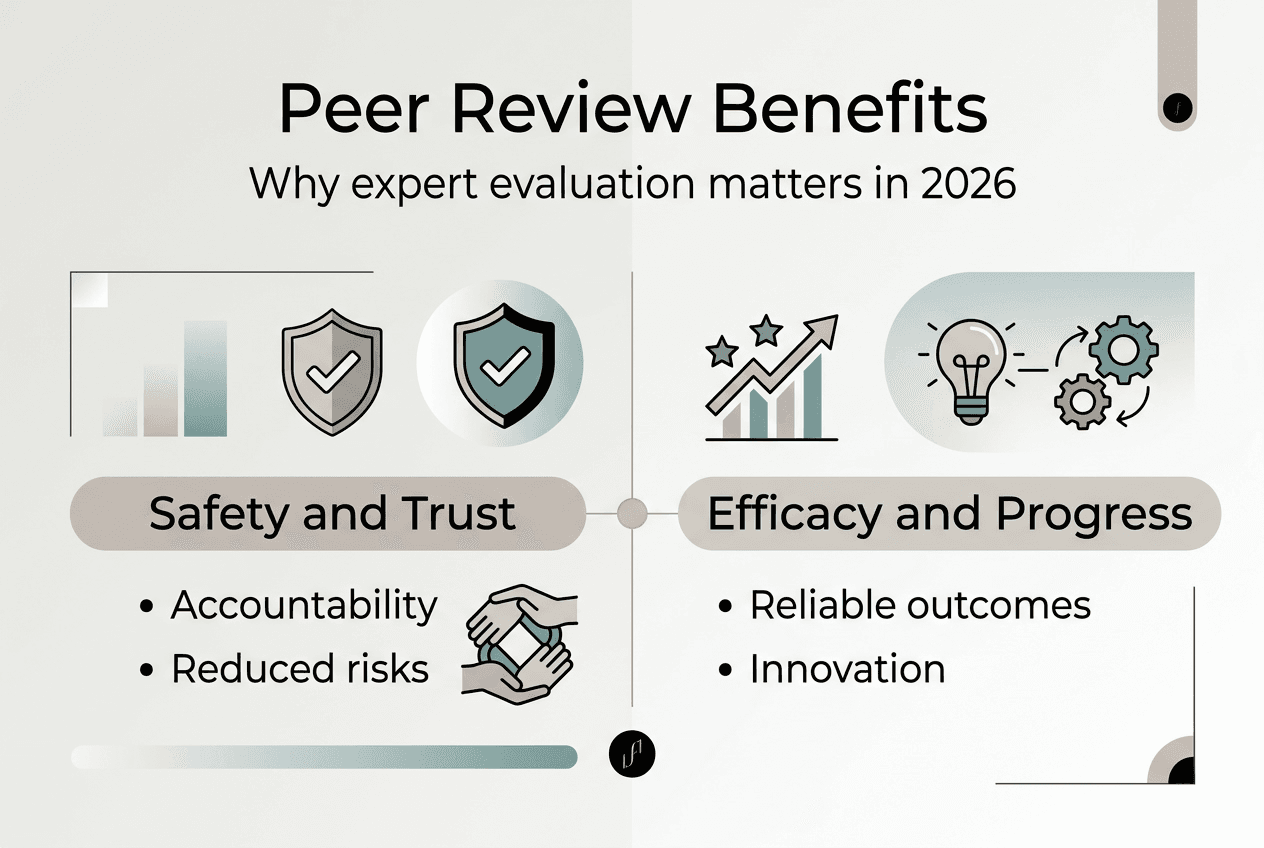
This validation process helps standardise treatment protocols based on latest evidence and expert consensus. When multiple independent reviewers examine a technique and confirm its effectiveness, practitioners worldwide can adopt it with confidence. This standardisation reduces variability in patient outcomes and raises the overall quality of aesthetic care.
The process follows these steps:
- Practitioners document treatment methods, patient selection criteria, and outcomes systematically
- Independent experts review the data for scientific rigour, proper controls, and statistical validity
- Reviewers assess whether results justify the claims and identify potential confounding factors
- Feedback leads to protocol refinement, improving safety and efficacy
- Validated techniques become incorporated into best practices in medical aesthetics
- Ongoing monitoring ensures continued relevance as new evidence emerges
Peer review supports continuous evolution of aesthetic procedures. As new technologies and techniques emerge, peer review provides the framework for evaluating their merit. It promotes scientific dialogue that filters out ineffective or unsafe approaches before they gain widespread adoption.
Consider this perspective on peer review’s value:
The peer-review process is not infallible, and biases can exist. However, it remains the gold standard for validating medical research and clinical practices, ensuring that aesthetic treatments meet rigorous standards before reaching patients.
This acknowledgement of limitations doesn’t diminish peer review’s importance. Rather, it highlights the need for ongoing vigilance and improvement in the review process itself. Transparent discussion of peer review’s strengths and weaknesses strengthens rather than undermines confidence in evidence-based practice.
Peer review also accelerates innovation by providing structured feedback that helps researchers refine their approaches. A technique that shows promise but has limitations can be improved through iterative cycles of review, modification, and re-evaluation. This collaborative refinement produces better outcomes than individual practitioners working in isolation.
The impact extends beyond individual treatments to shape the entire aesthetic medicine landscape. When the field collectively commits to peer review, it elevates standards across all providers, making it harder for substandard practices to persist.
The impact of peer review on patient trust and choosing your aesthetics provider in London
When selecting an aesthetic provider in London, peer review involvement should influence your decision significantly. A clinic’s engagement with peer-reviewed practices reflects its commitment to quality, safety, and delivering effective treatments rather than simply marketing promises. Peer review minimises adverse outcomes by aligning practices with evidence-based guidelines.
Choosing providers engaged in peer-reviewed practices reduces your risk of poor outcomes, unnecessary procedures, or complications. These clinics typically invest in ongoing education, maintain detailed outcome records, and participate in professional communities that enforce high standards. This commitment to excellence translates directly into better patient experiences.
When evaluating potential providers, ask these questions to verify peer review involvement:
- Do you publish treatment outcomes in peer-reviewed journals or present at professional conferences?
- Which professional bodies or societies do you belong to, and what are their peer review requirements?
- How do you stay current with peer-reviewed evidence and incorporate new findings into practice?
- Can you share data on your complication rates and how they compare to published benchmarks?
- What protocols do you follow for patient selection, treatment planning, and post-procedure care?
- How do you handle complications or unsatisfactory results, and what review processes exist?
Providers who welcome these questions and provide transparent answers demonstrate the accountability that peer review encourages. Those who become defensive or provide vague responses may not prioritise evidence-based practice.
Peer review involvement often correlates with ongoing provider education and ethical standards. Practitioners engaged in peer review typically pursue continuous professional development, attend conferences, and participate in case discussions with colleagues. This commitment to learning ensures they offer current, effective treatments rather than outdated techniques.
The connection between peer review and patient trust operates on multiple levels. At the individual level, knowing your practitioner follows peer-reviewed protocols provides reassurance that your treatment plan reflects collective expertise rather than personal opinion. At the systemic level, peer review helps preserve public confidence in aesthetic medicine by distancing the field from untrained or unregulated providers.
This distinction matters enormously in London’s aesthetic market, where regulatory gaps allow non-medical practitioners to offer certain treatments. Understanding the role of consultation in aesthetics helps you recognise providers who prioritise thorough assessment over quick procedures. Similarly, awareness of safety in aesthetics empowers you to make informed choices.
Peer review creates a virtuous cycle: better outcomes build patient trust, which encourages more people to seek aesthetic treatments from qualified providers, which increases demand for evidence-based practice, which further strengthens the role of peer review in the field.
Explore premium peer-reviewed aesthetic treatments at The Aesthetics Room
Now that you understand why peer review matters, consider how it influences the care you receive. The Aesthetics Room offers treatments guided by best peer-reviewed protocols, ensuring you benefit from proven safety measures and skilled expert practitioners. Our commitment to evidence-based practice means every procedure reflects current scientific understanding and collective clinical expertise.

Our popular treatments include botox treatments and dermal fillers delivered through transparent consultation processes that prioritise your safety and satisfaction. When you choose a clinic with peer-reviewed practice, you underpin confidence in both results and care quality. Our medical practitioners for aesthetics maintain ongoing professional development and participate in communities that enforce rigorous standards. This commitment to excellence distinguishes premium aesthetic care from commercial treatment factories.
FAQ
What does peer review mean in aesthetic medicine?
Peer review involves experts critically evaluating treatment methods, outcomes, and safety protocols to ensure they meet high professional standards. It confirms that cosmetic procedures are backed by scientific evidence rather than marketing claims. This independent scrutiny helps separate effective treatments from those lacking proper validation.
How does peer review reduce risks in aesthetic treatments?
By enforcing adherence to proven protocols and facilitating outcome sharing, peer review identifies and minimises potential risks before they affect multiple patients. Clinics following peer-reviewed standards consistently demonstrate fewer adverse events and complications. The structured feedback mechanisms help practitioners refine techniques and improve patient selection criteria.
Can I verify if my aesthetic provider participates in peer review?
Ask providers about their training, memberships in professional bodies, and whether they follow peer-reviewed guidelines in their practice. Look for transparency in treatment protocols, published results, or presentations at professional conferences. Providers engaged in peer review typically welcome these questions and can discuss their commitment to evidence-based practice openly.
Is peer review foolproof in guaranteeing results?
Peer review reduces but cannot eliminate all risks or guarantee specific outcomes for individual patients. The process has limitations and biases but remains the best available method for ensuring scientific rigour and patient safety. It represents the gold standard for validating medical research and clinical practices, providing the strongest foundation for treatment decisions.