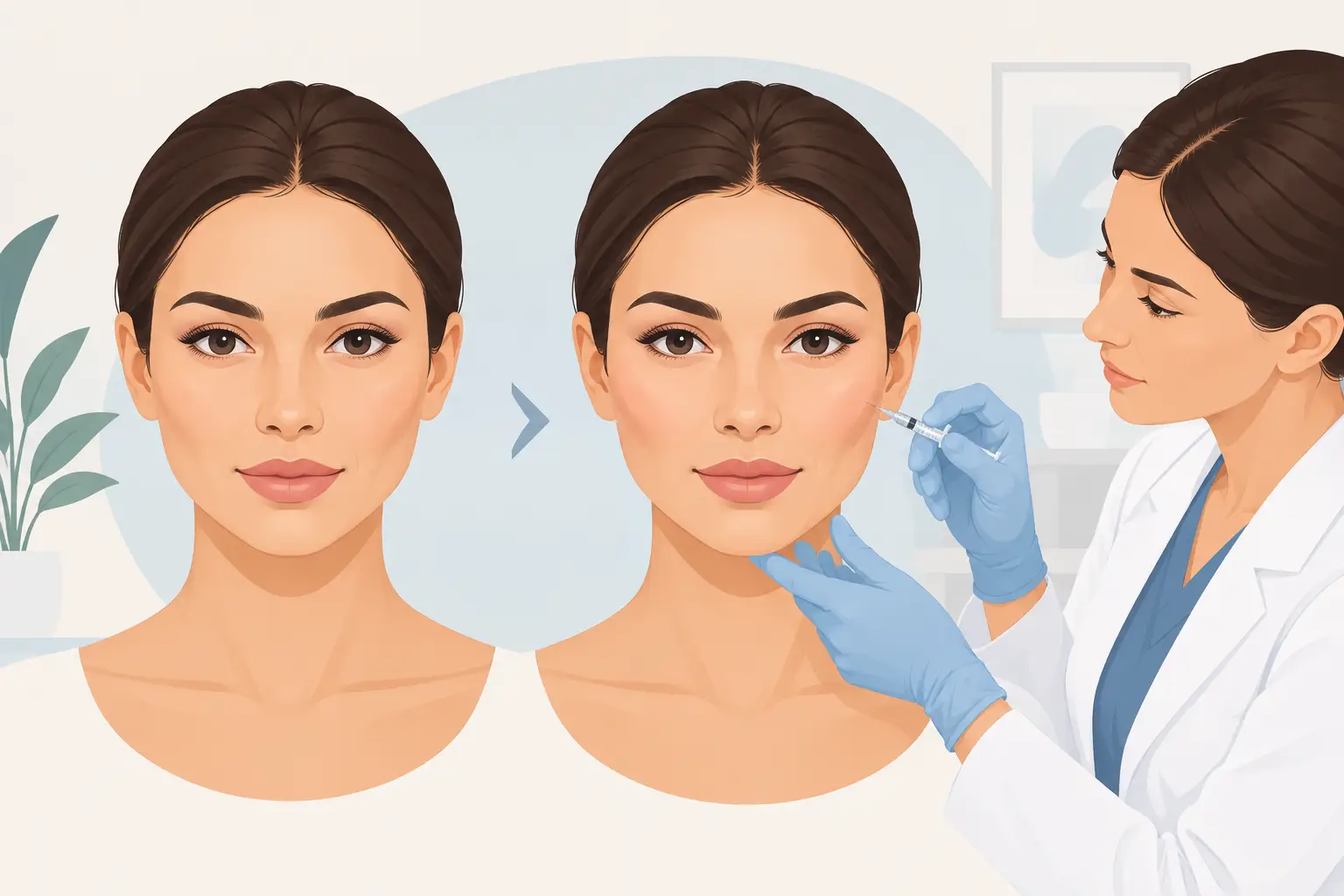

If you’re seeking a natural way to refresh your skin without synthetic injections, PRP facials harness your body’s own healing power to boost collagen production. This treatment has gained recognition in luxury aesthetic clinics for delivering gradual, authentic rejuvenation with minimal downtime. This guide walks you through every stage, from initial screening to post-treatment care, so you understand exactly what to expect in a premium setting.
Table of Contents
- Prerequisites And Patient Screening
- Step-By-Step PRP Facial Procedure
- Patient Preparation And Comfort Enhancements
- Aftercare And Recovery Protocols
- Treatment Timeline, Frequency, And Expected Outcomes
- Common Mistakes And Troubleshooting In PRP Facials
- Alternative Non-Invasive Skin Rejuvenation Approaches Compared
- Experience Expert PRP Facials And Luxury Aesthetic Care At The Aesthetics Room
Key Takeaways
| Point | Details |
|---|---|
| Natural collagen stimulation | PRP facials use your own platelet-rich plasma to trigger your skin’s repair mechanisms and increase collagen production. |
| Proper screening is essential | Thorough medical history review and platelet testing ensure safety and treatment efficacy. |
| Multiple sessions optimize results | Typically 3-4 treatments spaced 4 weeks apart deliver visible improvements in texture and firmness. |
| Post-care reduces risks significantly | Following sun protection and moisturization guidelines cuts side effects by over 70%. |
| Alternatives suit different needs | Hyaluronic acid fillers and laser therapy offer different timelines and benefits for varied preferences. |
Prerequisites and Patient Screening
Before any PRP facial begins, clinics must conduct a comprehensive assessment to confirm you’re a suitable candidate. Your medical practitioner screening starts with a detailed medical history review covering bleeding disorders, active infections, pregnancy, autoimmune conditions, and current medications. These factors can interfere with platelet function or healing, so honest disclosure protects your safety.
Clinics then perform platelet count tests to verify your blood contains adequate levels for effective PRP preparation. Medical history evaluation and platelet counts are critical for safety. If your platelets fall below the optimal range, the treatment may not deliver the desired collagen boost.
Key contraindications that exclude patients include:
- Active skin infections or inflammatory conditions in the treatment area
- Blood clotting disorders or use of anticoagulant medications
- Pregnancy or breastfeeding status
- Autoimmune diseases affecting skin healing
- Recent cancer diagnosis or active treatment
By personalizing treatment plans based on your unique skin condition and health status, practitioners ensure the procedure aligns with your goals while minimizing risk. This thorough vetting process separates premium clinics from less rigorous providers.
Step-by-Step PRP Facial Procedure
Once you’ve cleared screening, the actual treatment follows a precise protocol that typically spans 45 to 60 minutes. Understanding each stage helps you feel confident and prepared when you arrive at the clinic.
-
Patient screening and blood collection: After final consent, a trained practitioner draws a small blood sample, usually 10 to 20 milliliters, from your arm using sterile technique. This volume provides enough plasma while keeping you comfortable.
-
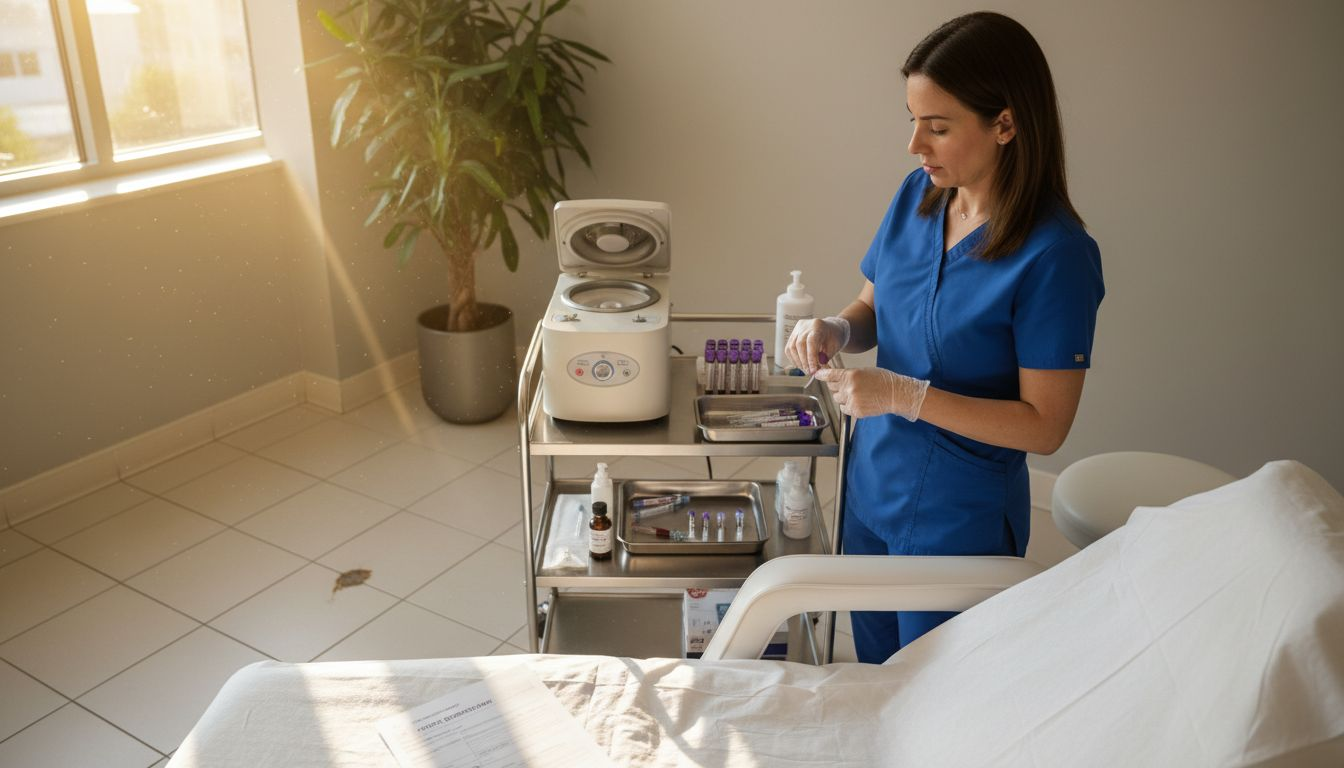
Centrifugation to isolate PRP: Your blood sample goes into a specialized centrifuge that spins at controlled speeds for 10 to 15 minutes. Blood draw volume and centrifugation times directly influence PRP quality. This process separates red blood cells from the concentrated platelet-rich plasma that contains growth factors.
-
Topical anesthetic application: Before PRP delivery, staff apply a 4 to 5% lidocaine cream across your face and leave it for 30 to 60 minutes. This numbing agent dramatically reduces discomfort during the procedure.
-
PRP delivery via microneedling or injection: Practitioners use calibrated microneedling devices set to 1.0 to 2.0 millimeter depth or perform controlled microinjections to deposit PRP precisely where collagen stimulation is needed. The step-by-step clinical protocols ensure even distribution and optimal absorption. Advanced clinics maintain a sterile clinical environment throughout this critical stage.
-
Immediate post-treatment instructions: Right after PRP application, your practitioner reviews care guidelines, applies soothing serums if needed, and schedules your follow-up session to maintain momentum toward your skin goals.
Pro tip: Ask your clinic to show you the centrifuge settings and PRP concentration before treatment. Transparency about technical details signals professionalism and builds trust in the process.
Patient Preparation and Comfort Enhancements
Luxury aesthetic clinics recognize that physical comfort and mental ease directly influence your treatment experience and outcomes. Beyond the clinical steps, premium providers focus on creating an environment that calms nerves and enhances satisfaction.
The use of 4 to 5% lidocaine cream applied 30 to 60 minutes before PRP delivery is standard, but topical anesthetic significantly reduces pain and patient anxiety. This waiting period also gives you time to relax in a tranquil setting before the procedure begins.
Key comfort measures include:
- Maintaining a calm, sterile, and luxurious treatment room with ambient lighting and soothing music
- Explaining each step clearly before it happens so you know what sensations to expect
- Offering hydration, herbal teas, or light refreshments before and after treatment to enhance the spa-like feel
- Providing warm blankets and supportive cushions during the numbing and treatment phases
When clinics prioritize patient comfort and preparation, you feel valued rather than processed. This attention to detail transforms a medical procedure into a restorative ritual that supports both physical results and emotional wellbeing.
Pro tip: Arrive 15 minutes early to settle in and discuss any last-minute questions. Rushing into treatment increases stress, which can affect your skin’s responsiveness.
Aftercare and Recovery Protocols
What you do in the days following your PRP facial directly impacts healing speed, side effect severity, and final results. Clinics provide detailed aftercare instructions, and following them precisely protects your investment.
Avoid sun exposure for at least 48 hours post-treatment, as your skin barrier is temporarily compromised and UV radiation can trigger hyperpigmentation or inflammation. Use gentle, fragrance-free moisturizers to support barrier repair without irritating freshly treated areas. Proper sun avoidance and moisturization reduce side effects by over 70%.
Additional post-treatment care guidelines include:
- Monitor your skin daily for signs of infection, unusual redness, or persistent irritation, and contact your clinic immediately if concerns arise
- Follow any prescribed topical treatments or oral medications exactly as directed, including timing and dosage
- Avoid strenuous exercise, saunas, and swimming pools for 48 hours to prevent excessive sweating and bacterial exposure
- Sleep with your head slightly elevated for the first night to minimize swelling
- Schedule your next session according to clinical recommendations, typically 4 weeks later, to build on initial improvements
By treating your skin gently during the recovery window, you allow the platelets’ growth factors to work uninterrupted, maximizing collagen synthesis and tissue remodeling.

Treatment Timeline, Frequency, and Expected Outcomes
Understanding the time investment and realistic expectations prevents disappointment and helps you plan your aesthetic journey. PRP facials are not instant fixes; they rely on your body’s natural regeneration processes.
Each session lasts 45 to 60 minutes including preparation, treatment, and immediate recovery instructions. Most clinics recommend 3 to 4 sessions spaced approximately 4 weeks apart for optimal collagen accumulation. Initial improvements typically appear 4 to 6 weeks after your first session as new collagen begins forming, but the most dramatic results emerge after completing the full course. Significant collagen increase of approximately 45% happens within 3 months after multiple sessions.
| Timeline Milestone | What to Expect |
|---|---|
| Day 1-3 post-treatment | Mild redness, slight swelling, possible pinpoint bleeding at injection sites |
| Week 1-2 | Skin texture begins to smooth, initial glow becomes noticeable |
| Week 4-6 | Collagen production accelerates, fine lines soften, elasticity improves |
| Month 3+ | Maximum firmness, radiance, and texture refinement achieved |
Visible benefits include improved skin texture with smaller pores, enhanced elasticity that reduces sagging, and a natural, healthy glow free from the frozen look of some injectable treatments. These results stem from genuine tissue regeneration rather than temporary fillers, so maintenance sessions every 6 to 12 months help sustain your improvements. For more on treatment timelines and intervals, consult your practitioner about personalized schedules.
Common Mistakes and Troubleshooting in PRP Facials
Even in premium settings, certain errors can compromise PRP facial outcomes. Knowing what can go wrong helps you choose experienced practitioners and advocate for quality care.
Insufficient platelet concentration from poor centrifugation is a frequent issue. If the spin speed or duration is incorrect, the plasma lacks enough growth factors to trigger robust collagen production. Inadequate platelet concentration reduces treatment efficacy by approximately 30%. Always verify your clinic uses calibrated equipment and standardized protocols.
Other common pitfalls include:
- Delivering PRP too shallow or unevenly, which limits contact with dermal layers where collagen synthesis occurs
- Neglecting sun protection and proper moisturization post-treatment, heightening risk of pigmentation issues and prolonged redness
- Scheduling sessions too close together or too far apart, disrupting the collagen-building cycle
| Common Mistake | Negative Effect | Expert Fix |
|---|---|---|
| Low platelet concentration | Weak collagen response, minimal visible improvement | Use validated centrifuge protocols, verify PRP quality pre-injection |
| Shallow or uneven delivery | Patchy results, untreated zones remain aged | Employ calibrated microneedling or precise injection mapping |
| Poor post-care adherence | Increased inflammation, hyperpigmentation, infection risk | Provide written instructions, schedule follow-up check-ins |
| Inconsistent session timing | Collagen growth stalls, suboptimal cumulative effect | Plan full treatment series upfront with locked-in appointment dates |
For detailed PRP treatment troubleshooting, ask your clinic about their quality control measures and how they handle complications. Transparent answers indicate a commitment to excellence.
Alternative Non-Invasive Skin Rejuvenation Approaches Compared
PRP facials excel at natural collagen stimulation, but they’re not the only option for achieving youthful skin. Comparing alternatives helps you choose the best fit for your preferences, timeline, and tolerance for needles.
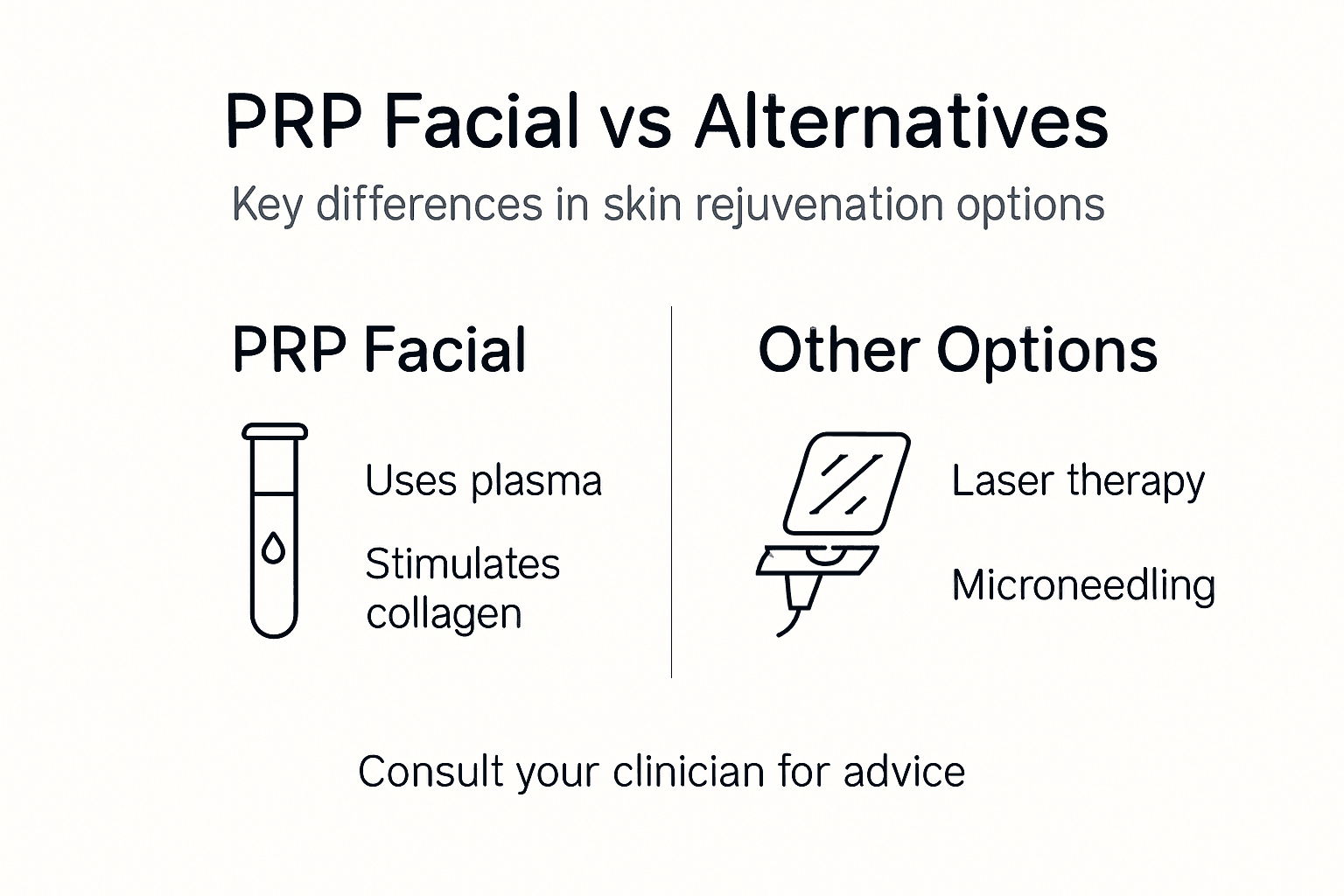
PRP facilitates gradual, authentic tissue regeneration with minimal downtime, making it ideal for those who value long-term, natural-looking results. Hyaluronic acid fillers offer immediate but temporary effects, unlike PRP’s gradual collagen growth. Fillers plump skin instantly but require repeat treatments every 6 to 18 months as the synthetic material breaks down.
Low-level laser therapy is completely painless and requires no injections, but it demands many more sessions over months and delivers slower, subtler improvements. This makes it suitable for needle-phobic individuals willing to commit to frequent appointments.
| Treatment Option | Mechanism | Downtime | Results Timeline | Longevity |
|---|---|---|---|---|
| PRP Facial | Platelet growth factors stimulate collagen | 1-3 days mild redness | 4-6 weeks initial, 3 months peak | 6-12 months with maintenance |
| Hyaluronic Acid Fillers | Synthetic gel adds instant volume | Minimal to none | Immediate | 6-18 months |
| Low-Level Laser Therapy | Light energy boosts cellular activity | None | Gradual over 2-4 months | 6-9 months |
Consider your priorities:
- If you want natural, long-lasting improvements and don’t mind waiting, PRP is your best match
- If you need instant results for an event and accept repeat treatments, fillers work well
- If needle anxiety is a concern and you can commit to multiple sessions, laser therapy offers a gentle alternative
Explore non-invasive skin rejuvenation options with your practitioner to find the approach that aligns with your lifestyle and aesthetic vision.
Experience Expert PRP Facials and Luxury Aesthetic Care at The Aesthetics Room
Now that you understand the science, safety, and steps behind PRP facials, you’re ready to experience this transformative treatment in a setting that prioritizes your comfort and results. The Aesthetics Room offers medically approved, tailored PRP facials delivered by expert practitioners in a prestigious London location.

Our clinic combines rigorous safety standards with a luxurious environment where every detail enhances your journey toward youthful, radiant skin. Whether you’re interested in standalone expert facial treatments or wish to complement your PRP sessions with luxury dermal fillers for comprehensive facial rejuvenation, our team designs bespoke plans aligned with your unique goals. Discover the full scope of professional medical aesthetics and book your consultation today to begin your personalized aesthetic transformation.
FAQ
What is a PRP facial and how does it work?
A PRP facial uses your own platelet-rich plasma, extracted from a small blood sample and concentrated through centrifugation, to stimulate collagen growth and natural skin rejuvenation. Platelets release growth factors that trigger repair processes, boosting elasticity and texture without synthetic substances.
How many sessions are needed for visible PRP facial results?
Typically 3 to 4 sessions spaced 4 weeks apart yield the best visible improvements in skin firmness and tone. Initial results appear after 4 to 6 weeks, with cumulative benefits peaking around 3 months as collagen continues building.
Are PRP facials painful or invasive?
When performed by trained professionals using topical anesthetic, PRP facials are minimally painful and non-invasive with little downtime. Advanced microneedling or controlled injection techniques enhance comfort, making the experience tolerable even for sensitive clients.
What are the key aftercare steps following a PRP facial?
Avoid sun exposure for at least 48 hours and apply gentle, fragrance-free moisturizers to support barrier repair. Monitor your skin daily for adverse reactions, follow any prescribed treatments precisely, and schedule follow-up sessions as recommended by your clinic.