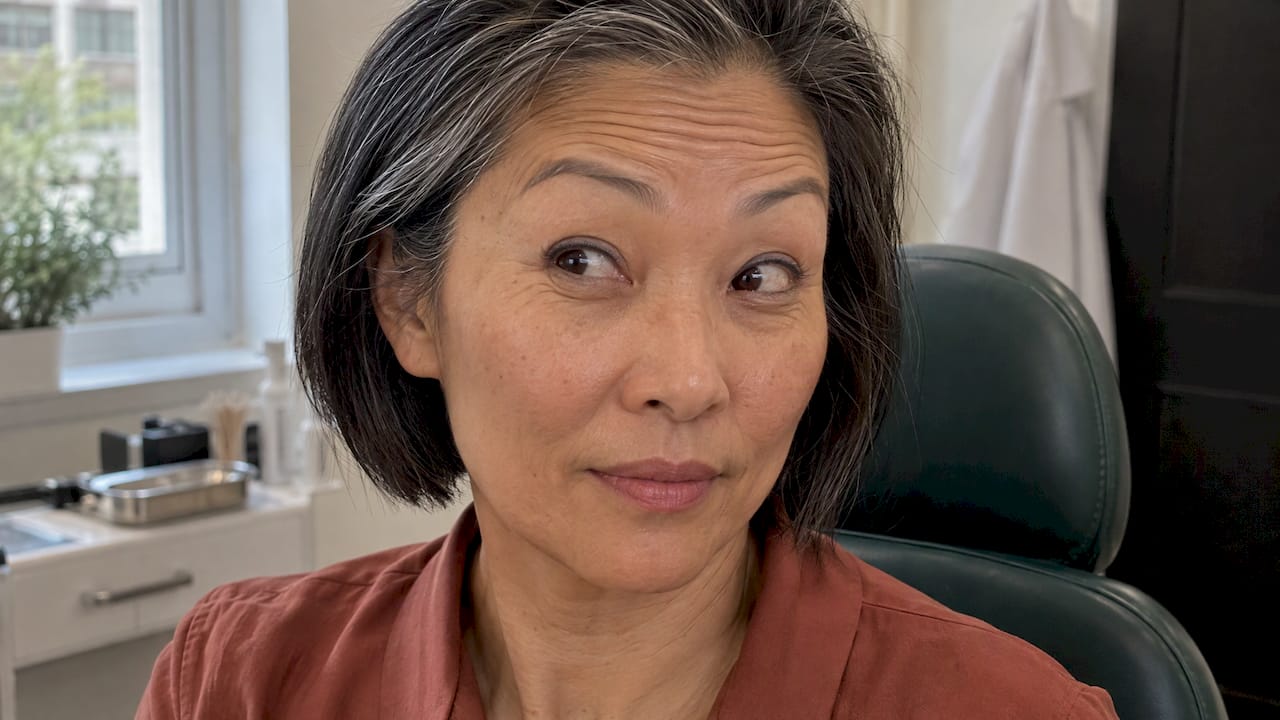

A slightly higher brow, a fuller cheek or a smile that lifts more on one side is often far more noticeable to the person living with it than to anyone else. Yet when asymmetry begins to affect confidence, photographs or the way make-up sits, treating uneven facial symmetry can be approached with thoughtful, medically led precision rather than a one-size-fits-all procedure.
The aim is not to create an artificially identical face. Natural faces are not perfectly symmetrical, and pursuing absolute balance can leave results looking overtreated. The better objective is harmony: improving proportion, softening a distracting imbalance and retaining the expressions that make a face recognisably yours.
Why Facial Symmetry Changes
Facial asymmetry can be present from birth, develop gradually, or become more apparent with age. Bone structure, muscle strength, fat distribution, skin quality, dental alignment and habitual facial movements all play a part. Sleeping consistently on one side, chewing predominantly on one side and repeated expressions can contribute to subtle differences over time.
Ageing often makes existing asymmetry more visible. Volume does not diminish evenly across the face, so one temple, cheek, jawline or area around the mouth may begin to appear less supported than the other. Skin laxity can also differ from side to side, particularly where one side has received more sun exposure or has stronger facial muscle activity.
There are occasions where asymmetry requires medical assessment rather than cosmetic treatment. New or sudden facial drooping, weakness, numbness, difficulty speaking, changes in vision or severe headache should be treated as urgent medical concerns. Similarly, a history of facial trauma, nerve injury, jaw pain or bite changes may call for input from a GP, dentist, orthodontist, maxillofacial specialist or neurologist before any aesthetic plan is considered.
Treating Uneven Facial Symmetry Starts With Assessment
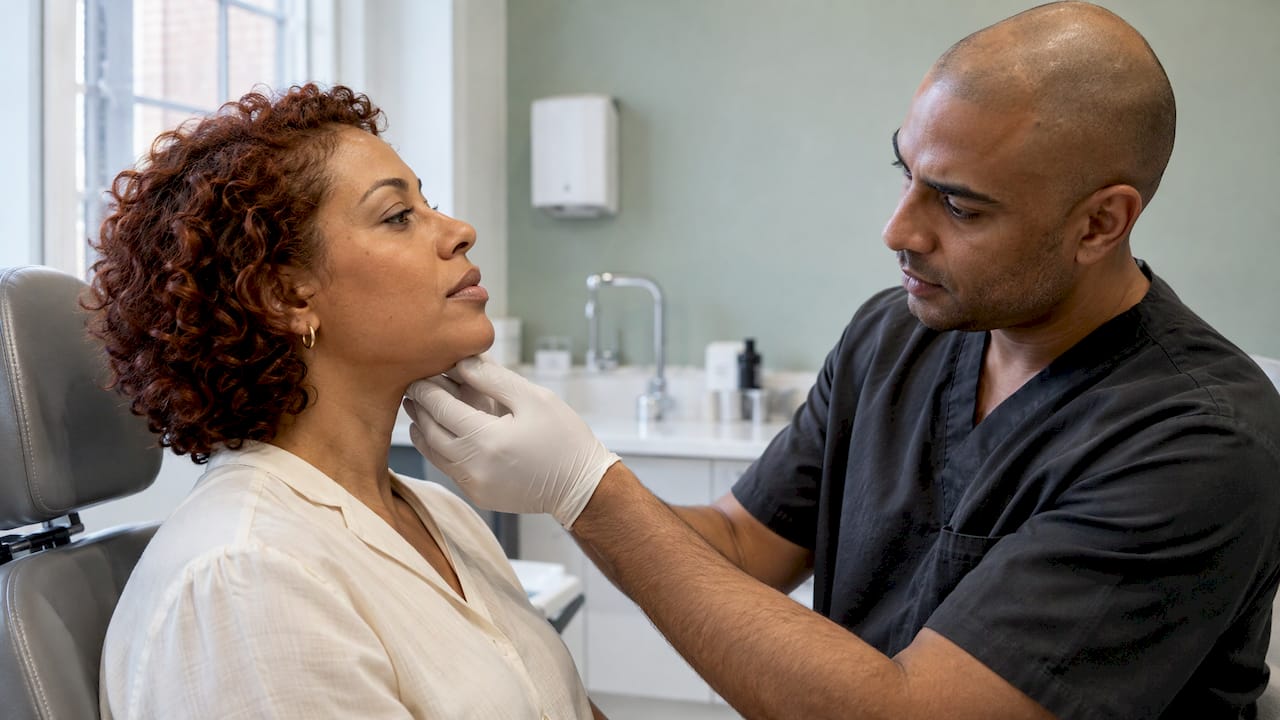
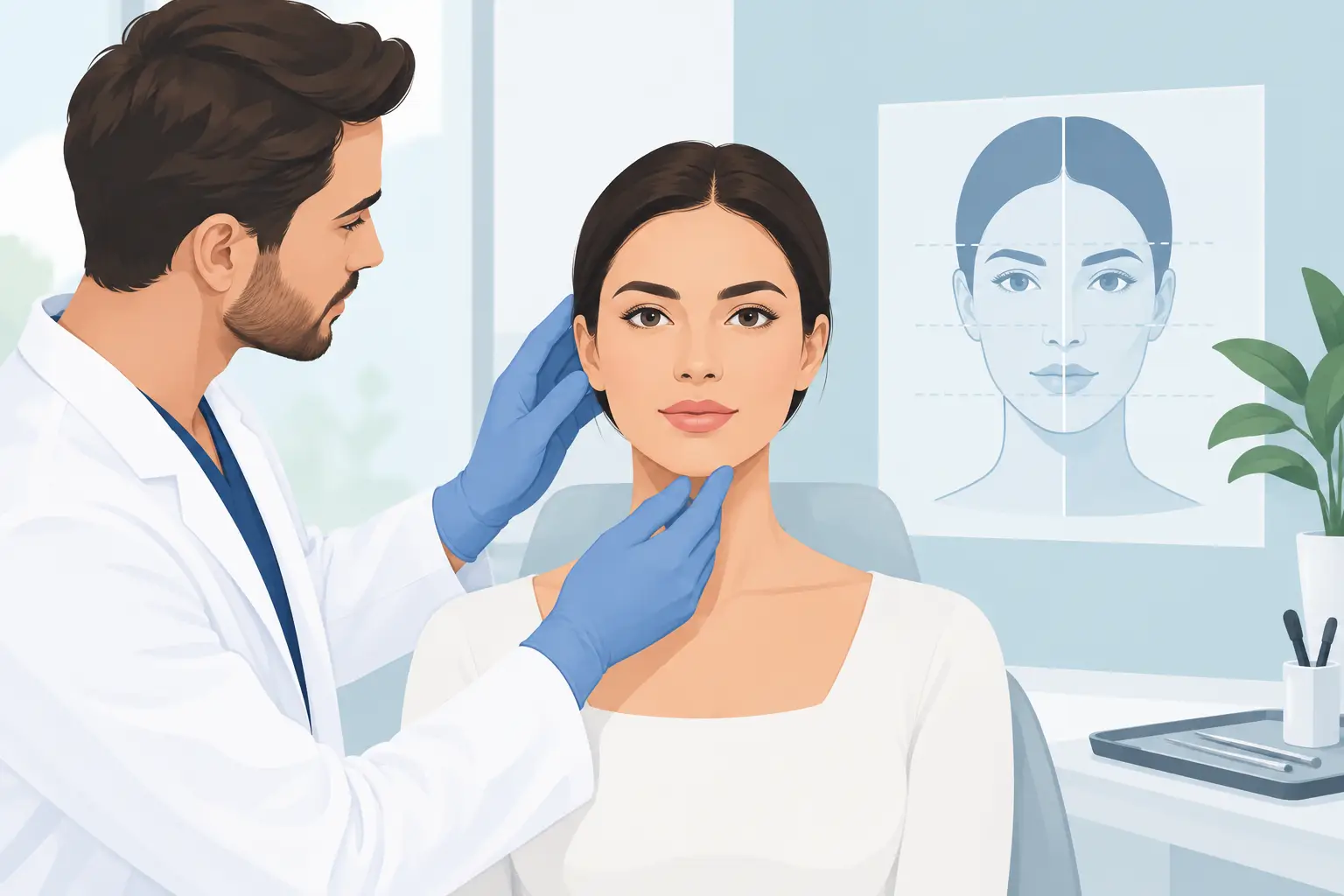
A considered consultation is the foundation of natural-looking treatment. It should examine the face at rest and in movement, rather than relying on a single posed photograph. A practitioner will assess forehead and brow movement, cheek projection, mid-face volume, smile dynamics, lip shape, jawline definition and chin position, alongside skin quality and overall facial proportions.
This matters because the most visible concern is not always the underlying cause. For example, one eyebrow may look higher because it is naturally positioned differently, because the muscles lifting it are stronger, or because the opposite side has lost volume around the temple or upper cheek. Each situation calls for a different approach.
At The Aesthetics Room, treatment planning is consultation-led. Your practitioner should listen to what you notice, explain what can realistically be improved and advise where restraint will produce the most elegant result. High-quality aesthetic care is as much about knowing when not to treat an area as it is about selecting the right treatment.
Non-Surgical Options for Improving Balance
The right option depends on the feature involved, the quality of the skin, the degree of asymmetry and whether the concern is structural or movement-related. Non-surgical treatments can often create meaningful refinement, but they have limits. Significant skeletal, dental or nerve-related asymmetry may not be appropriate for injectables alone.
Anti-wrinkle injections for muscular imbalance
When one side of the forehead, brow area or lower face pulls more strongly than the other, carefully placed anti-wrinkle injections may help to rebalance movement. A common example is a brow that elevates more strongly on one side, making the face appear uneven in photographs or at rest.
The dose, placement and timing must be highly individual. Relaxing a muscle excessively can flatten expression or create a result that does not suit the face. A subtle approach allows the practitioner to reduce an overpowering pull while preserving animation. Results develop gradually and require review before further adjustment is considered.
Dermal filler for volume and contour differences
Dermal filler may be suitable where a cheek, temple, jawline, chin or area around the mouth lacks comparable support. Rather than simply adding volume to the smaller side, a skilled practitioner considers the entire facial framework. Sometimes modest support at the chin or jawline improves perceived balance more effectively than adding volume directly to the cheek.
Modern filler treatments should be built gradually. Starting conservatively enables the face to settle and gives both patient and practitioner the opportunity to review proportion before adding more, if appropriate. This is particularly valuable for asymmetry, where too much correction can make the difference more conspicuous.
Chin and jawline refinement
The lower face strongly influences how balanced the entire profile appears. A chin that sits slightly back, turns to one side or lacks projection can make the jawline seem uneven, even where both sides are structurally similar. Strategic contouring may improve definition and frontal balance for selected patients.
However, this area demands careful assessment. Teeth, bite alignment, jaw joint symptoms and underlying bone position should not be overlooked. Injectable treatment can enhance soft-tissue contour, but it does not correct a functional jaw problem.
Skin quality as part of the picture
Uneven tone, pigmentation, texture or laxity can make one side of the face look more shadowed or less lifted. In these cases, an injectable-only plan may not address the real concern. Medical-grade skin treatments and a consistent homecare plan can improve reflectivity, firmness and overall skin quality, helping the face look fresher and more even without changing its character.
A broader skin optimisation approach is often valuable for clients who want refined results that hold up in daylight, close conversation and high-definition photography. Better skin can reduce the need to chase symmetry through volume alone.
What Natural Results Actually Look Like
The best asymmetry treatment is rarely obvious. Friends may comment that you look rested, polished or somehow more confident, without being able to identify why. This usually comes from respecting the face’s natural architecture rather than attempting to make both sides match perfectly.
Photographs can be useful during consultation, but they should be interpreted with care. Front-facing cameras, lighting, lens distortion and mirrored images can exaggerate differences that are barely visible in person. A reputable practitioner will assess you in real life and set expectations around what treatment can, and cannot, achieve.
It is also worth considering the role of perception. Once a person becomes focused on a particular feature, it can be difficult to see the face as others do. An honest consultation should leave you feeling informed and reassured, not pressured to correct every small variation.
Safety Should Guide Every Decision
Injectable treatments carry risks, including swelling, bruising, unevenness, infection and, in the case of dermal filler, rare but serious vascular complications. These risks are why treatment should be performed by appropriately trained medical professionals in a clinical setting, following a detailed assessment and clear consent process.
Be open about previous aesthetic treatments, medical conditions, allergies, medication, dental work and any history of cold sores or facial surgery. This information helps your practitioner judge suitability, plan safely and advise on timing. Treatment may need to be postponed during pregnancy or breastfeeding, when unwell, or around certain dental procedures and medical events.
After treatment, swelling can temporarily make asymmetry appear more pronounced before it settles. Avoid judging final results too soon. Your practitioner should provide clear aftercare guidance and a route for follow-up should you have concerns.
Choosing a Bespoke Plan
There is no standard template for treating uneven facial symmetry. One person may benefit from a small adjustment to muscle activity, while another may need conservative structural support, targeted skin treatment or referral for specialist care. The most sophisticated plans are often the least dramatic: precise, staged and responsive to how your face settles.
If facial imbalance is affecting how you feel, start with a consultation that values safety, proportion and your individual features. The right treatment should not make you look like somebody else. It should help you feel more at ease when you see yourself, from every angle.