


TL;DR:
- Vitamin C is a proven antioxidant that protects skin from environmental damage, promotes collagen synthesis, and improves skin tone. Regular use at effective concentrations enhances firmness, reduces signs of photoaging, and diminishes hyperpigmentation over 8 to 12 weeks. Optimal results depend on high-quality formulations, consistent routine, and proper application with sunscreen.
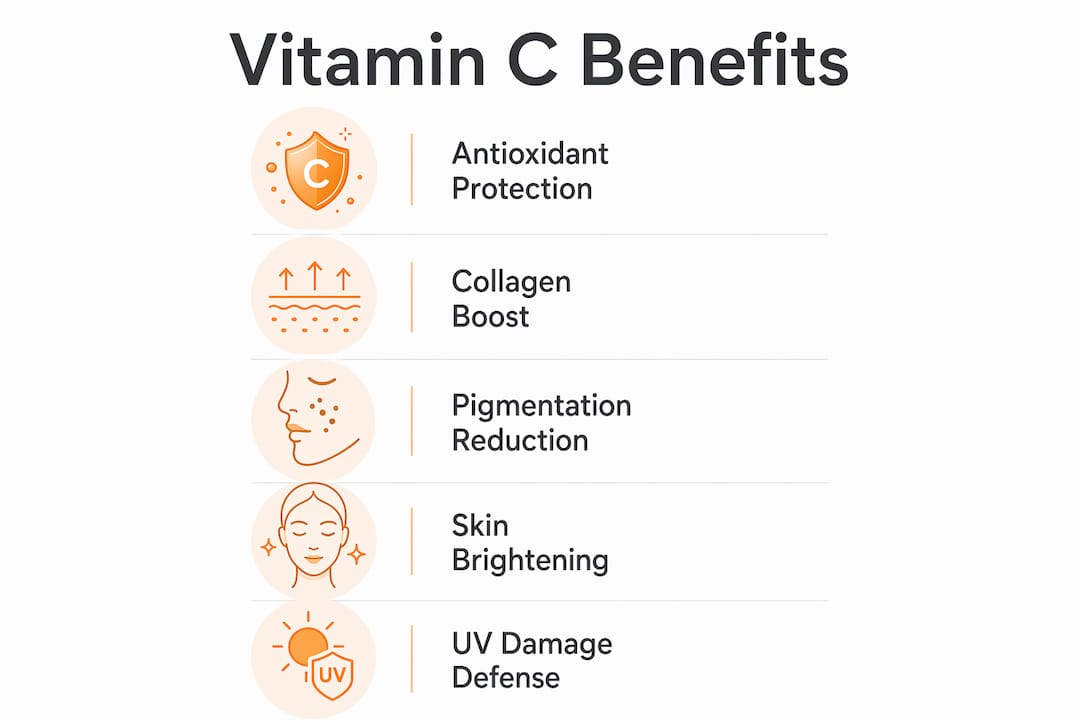
Vitamin C is defined as the most clinically validated antioxidant in modern skincare, protecting skin from oxidative damage, driving collagen synthesis, and modulating melanin production to restore radiance. Known formally as ascorbic acid, it addresses three of the most common skin concerns simultaneously: photoaging, hyperpigmentation, and loss of firmness. The role of vitamin C in skincare extends well beyond a simple brightening agent. Clinical evidence confirms it supports collagen formation and defends skin cells against UV-induced free radical damage, making it one of the few ingredients that genuinely earns its place in a morning routine.
How does vitamin C protect skin from environmental damage?
Vitamin C neutralises reactive oxygen species generated by UV radiation and urban pollution before they can degrade collagen or damage DNA. This is the antioxidant mechanism at the core of its protective function. When skin is exposed to sunlight, free radicals form rapidly and trigger a cascade of cellular damage. Vitamin C intercepts that cascade by donating electrons to unstable molecules, rendering them harmless.

The antioxidant protection vitamin C provides is measurable. Studies show that topical application reduces UV-induced erythema and lowers oxidative biomarkers in skin tissue. This means fewer visible signs of sun damage over time, including redness, uneven tone, and the early formation of fine lines.
Combination formulations amplify this effect considerably. A multitarget antioxidant serum containing vitamin C, vitamin E, and ferulic acid reduced UV-induced redness by up to 300% compared to encapsulated vitamin C alone. That figure illustrates why formulators increasingly blend these three actives together. Ferulic acid stabilises both vitamins and extends their protective window, while vitamin E regenerates oxidised vitamin C, creating a self-reinforcing antioxidant system.
“The combination of L-ascorbic acid, tocopherol, and ferulic acid represents one of the most evidence-backed antioxidant blends in topical skincare, with clinical data supporting its superiority over single-ingredient formulations.”
Pro Tip: Apply your vitamin C serum every morning after cleansing and before sunscreen. The two work on different mechanisms: sunscreen blocks UV photons, while vitamin C neutralises the free radicals that penetrate regardless. Together, they offer protection that neither provides alone.
What role does vitamin C play in collagen synthesis and skin ageing?
Vitamin C is a cofactor for collagen enzymes, specifically prolyl hydroxylase and lysyl hydroxylase, which stabilise and mature procollagen molecules into functional collagen fibres. Without adequate vitamin C, these enzymes cannot complete the hydroxylation process, and the resulting collagen is structurally weak. This biochemical dependency explains why vitamin C deficiency historically caused scurvy, a condition characterised by skin fragility and poor wound healing.
Topical application matters because dietary intake alone does not reliably raise skin concentrations to levels that drive fibroblast activity. Applying vitamin C directly to the dermis bypasses systemic distribution and delivers the cofactor precisely where collagen synthesis occurs. This is a meaningful distinction for anyone focused on preventative ageing and long-term skin structure.
Clinical outcomes from consistent use include:
- Measurable improvements in skin elasticity and firmness after 8 to 12 weeks of daily application
- Reduction in the appearance of fine lines and wrinkles, particularly in photoaged skin
- Enhanced wound healing and skin repair, supported by vitamin C’s role in fibroblast proliferation
- Complementary effects when paired with retinol, which targets collagen degradation via a separate pathway
Vitamin C and retinol address skin ageing through different mechanisms. Retinol accelerates cell turnover and inhibits matrix metalloproteinases that break down collagen. Vitamin C supports the synthesis of new collagen and protects existing fibres from oxidative damage. Used together, they cover both the structural and protective dimensions of anti-ageing skincare.
How does vitamin C affect pigmentation and skin tone?
Vitamin C inhibits tyrosinase, the enzyme responsible for converting tyrosine into melanin. By blocking this step, it reduces the production of new pigment at the source. It also promotes the conversion of melanin intermediates into colourless compounds, gradually lightening existing dark spots without removing pigment cells entirely.
This dual action makes vitamin C one of the most practical brightening ingredients available. It works progressively rather than aggressively, which is why it suits a broader range of skin types than prescription-strength agents like hydroquinone.
The table below summarises how vitamin C compares to other common brightening approaches:
| Ingredient | Mechanism | Typical timeline | Suitable for sensitive skin |
|---|---|---|---|
| Vitamin C (L-ascorbic acid) | Tyrosinase inhibition, melanin reduction | 8 to 12 weeks | Yes, with appropriate formulation |
| Niacinamide | Inhibits melanosome transfer | 8 to 12 weeks | Yes |
| Hydroquinone | Melanocyte cytotoxicity | 4 to 8 weeks | Limited, prescription use |
| Azelaic acid | Tyrosinase inhibition, anti-inflammatory | 12 to 16 weeks | Yes |
Visible improvements in pigmentation are confirmed after 8 to 12 weeks of consistent topical use at effective concentrations. Patience is non-negotiable here. Combining vitamin C with niacinamide adds a complementary mechanism: niacinamide prevents melanosomes from transferring pigment to surrounding skin cells, while vitamin C reduces their production upstream. The two ingredients are well tolerated together and produce additive brightening effects.
For those managing melasma, vitamin C functions as a useful adjunct to prescription treatments rather than a standalone solution. Its gentler profile makes it appropriate for long-term maintenance once active lesions are under control.
What are the key vitamin C formulations and how do they affect results?
Vitamin C in skincare is not a single ingredient. It encompasses several derivatives with distinct stability profiles, penetration characteristics, and levels of clinical evidence. Understanding these differences is the difference between choosing a product that works and one that merely claims to.
| Form | Concentration needed | pH requirement | Stability | Evidence level |
|---|---|---|---|---|
| L-ascorbic acid | 10 to 20% | 3.0 to 3.5 | Low (oxidises readily) | Strongest |
| THD ascorbate | 0.1 to 3% | Neutral | High | Moderate |
| Magnesium ascorbyl phosphate | 3 to 10% | Neutral | High | Moderate |
| Ascorbyl glucoside | 2% | Neutral | High | Limited |
L-ascorbic acid remains the gold standard. Effective formulations require a concentration of 10 to 20% at a pH of approximately 3.0 to 3.5 to achieve meaningful skin penetration and biological activity. Below this range, the molecule does not absorb efficiently. Above 20%, irritation risk increases without proportional benefit.
The instability of L-ascorbic acid is its primary limitation. Exposure to air, light, and heat triggers oxidation, turning the serum yellow or orange and rendering the active ingredient largely ineffective. Airless pump packaging and opaque or dark glass bottles are not marketing choices. They are functional requirements for maintaining potency. Storing your serum away from direct sunlight and replacing it within three months of opening preserves activity.
Derivatives like THD ascorbate and magnesium ascorbyl phosphate convert to ascorbic acid within the skin after absorption. They are gentler options for those who find L-ascorbic acid irritating, though the evidence for derivatives is less extensive than for the parent molecule.
Pro Tip: When selecting a vitamin C product, look for transparent labelling that states both the form and concentration. A product listing only “vitamin C” without specifying L-ascorbic acid or its percentage gives you no reliable basis for comparing efficacy.
How should you incorporate vitamin C into your skincare routine?
The correct application order for vitamin C is cleanse, apply vitamin C serum, moisturise, then apply SPF. This sequence matters because vitamin C applied before sunscreen enhances UV defence by neutralising free radicals that penetrate the skin despite SPF coverage. Reversing the order reduces both absorption and protective effect.
Practical guidance for building vitamin C into your routine:
- Start with a lower concentration, around 10%, to assess your skin’s tolerance before progressing to 15 to 20%
- Apply to clean, dry skin in the morning for maximum antioxidant benefit throughout the day
- Allow the serum to absorb for 60 to 90 seconds before applying moisturiser, which helps buffer any stinging on sensitive skin
- Use consistently for at least 8 to 12 weeks before evaluating results; sporadic use produces minimal benefit
- Pair with niacinamide for pigmentation concerns, or with a broad-spectrum SPF 30 or higher for photoprotection
If you experience stinging or dryness, applying a thin layer of moisturiser before the serum can reduce irritation without significantly compromising absorption. This approach supports long-term adherence, which is the single most important factor in achieving results. For seasonal adjustments to your routine, guidance on autumn skincare strategies can help you adapt your vitamin C use as conditions change.
Key takeaways
Vitamin C delivers its full benefits only when the formulation is correct, the application is consistent, and the routine is structured to support absorption and photoprotection.
| Point | Details |
|---|---|
| Antioxidant protection | Vitamin C neutralises UV-induced free radicals, reducing oxidative damage and visible signs of photoaging. |
| Collagen synthesis support | It acts as a cofactor for collagen-stabilising enzymes, improving firmness and reducing fine lines over 8 to 12 weeks. |
| Pigmentation modulation | Tyrosinase inhibition reduces melanin production, gradually evening skin tone with consistent use. |
| Formulation quality matters | L-ascorbic acid at 10 to 20% and pH 3.0 to 3.5 in stable, airless packaging is the most evidence-backed choice. |
| Routine placement is critical | Morning application before SPF maximises both antioxidant and photoprotective effects. |
Why formulation quality is the conversation most people are missing
I have reviewed a considerable number of vitamin C products over the years, and the gap between what labels promise and what formulations actually deliver is wider than most people realise. The most common mistake is purchasing a product based on the presence of “vitamin C” in the ingredient list without any information about form, concentration, or pH. That is the equivalent of buying a supplement without knowing the dose.
The second mistake is expecting results within two weeks. Vitamin C works through cumulative biochemical processes: collagen synthesis, tyrosinase inhibition, and progressive antioxidant defence. These are not rapid surface changes. Clients who abandon their serum after a month have not given the ingredient a fair trial. The science-backed benefits become measurable at eight weeks and more pronounced at twelve.
One practical observation worth sharing: if your serum has turned a deep amber or orange colour, it has oxidised. The active ingredient is largely gone. Many people continue using oxidised product and wonder why they see no results. Buy smaller bottles, store them correctly, and replace them regularly.
Finally, pairing vitamin C with a broad-spectrum SPF is not optional if you want the antioxidant benefits to translate into visible skin improvement. UV exposure generates the very free radicals that vitamin C is there to neutralise. Without SPF, you are fighting a battle with one hand tied behind your back.
— Vishul
Complement your skincare with expert aesthetic treatments

Topical vitamin C builds a strong foundation for skin health, but some concerns, including deeper wrinkles, volume loss, and persistent pigmentation, benefit from professional intervention alongside your home routine. At Theaestheticsroom, our specialists in Knightsbridge offer a range of treatments designed to restore and maintain a youthful, radiant complexion. Botox treatments smooth dynamic lines that topical actives cannot address, while dermal fillers restore facial volume and contour for a naturally refreshed appearance. Explore our skin rejuvenation options or book a consultation to receive a personalised care plan tailored to your skin’s specific needs.
FAQ
What is the role of vitamin C in skincare?
Vitamin C functions as an antioxidant, collagen synthesis cofactor, and tyrosinase inhibitor, protecting skin from UV damage, improving firmness, and reducing hyperpigmentation. These three roles make it one of the most clinically supported actives in skincare.
How long does vitamin C take to show results?
Visible improvements in pigmentation and anti-ageing markers typically appear after 8 to 12 weeks of consistent daily use at an effective concentration of 10 to 20%.
Is vitamin C good for all skin types?
Yes, though the formulation must match the skin type. Sensitive skin benefits from derivatives like magnesium ascorbyl phosphate or lower concentrations of L-ascorbic acid, which carry a reduced risk of irritation.
What concentration of vitamin C serum is most effective?
L-ascorbic acid at 10 to 20% concentration, formulated at a pH of 3.0 to 3.5, is the most clinically validated range for delivering measurable skin benefits.
Can vitamin C be used with other skincare ingredients?
Vitamin C pairs well with vitamin E, ferulic acid, niacinamide, and broad-spectrum SPF. It complements retinol by targeting different anti-ageing pathways, though some individuals prefer to use them at separate times of day to manage potential irritation.