

Dark circles are not always caused by skin pigmentation or a lack of sleep. For many people, the concern is a hollow between the lower eyelid and cheek that creates a persistent shadow, even after a good night’s rest. This tear trough filler guide explains when treatment may help, why the under-eye area demands exceptional care, and how to approach your decision with realistic expectations.
What is tear trough filler?
The tear trough is the natural groove that runs from the inner corner of the eye down towards the upper cheek. With age, changes in facial volume, skin quality and the support of surrounding tissues can make this hollow more pronounced. Genetics can also mean it is visible from an early age.
Tear trough filler is a carefully placed hyaluronic acid dermal filler used to soften the transition between the lower eyelid and cheek. The aim is not to erase every line or make the under-eye look overfilled. Done well, it can reduce the shadowing that contributes to a tired appearance and create a smoother, more rested-looking contour.
This is one of the most technically demanding filler treatments. The skin is thin, the anatomy is complex and the eyes naturally draw attention. For that reason, treatment should always begin with a detailed, face-to-face assessment by an experienced medical aesthetics practitioner.
Who is suitable for tear trough filler?
The best candidates usually have a genuine hollow under the eye with good skin quality and limited puffiness. They may notice that concealer settles into the groove, that they look fatigued in photographs, or that dark circles remain despite a healthy lifestyle.
Suitability is never based on one feature alone. Your practitioner should assess your skin thickness, degree of volume loss, facial proportions, existing fluid retention and the strength of the cheek structure beneath the eye. In some cases, restoring subtle support to the mid-face or cheek first can improve the tear trough more naturally than injecting directly beneath the eye.
Tear trough filler is not always the right answer for dark circles. Brown or grey pigmentation, visible blood vessels, loose crepey skin and prominent eye bags have different causes and may need an alternative or combined approach. A skin treatment plan, targeted skincare, cheek support, polynucleotides where clinically appropriate, or a referral for surgical opinion may offer a better route depending on your anatomy.
When filler may not be advised
Treatment may be unsuitable if you have pronounced under-eye bags, significant swelling, a history of persistent fluid retention, active skin infection, certain eye conditions or unrealistic expectations. Pregnancy and breastfeeding are also times when injectable aesthetic treatment is generally deferred.
A previous filler treatment in the area needs particular attention. Under-eye filler can remain longer than expected, and residual product or swelling may be mistaken for a new hollow. A responsible practitioner may recommend imaging, a period of observation or dissolving existing hyaluronic acid filler before considering further treatment.
The tear trough filler consultation
A premium consultation should feel considered, not rushed. It is the point at which a practitioner determines whether treatment is likely to enhance your appearance safely, rather than simply agreeing to a requested procedure.
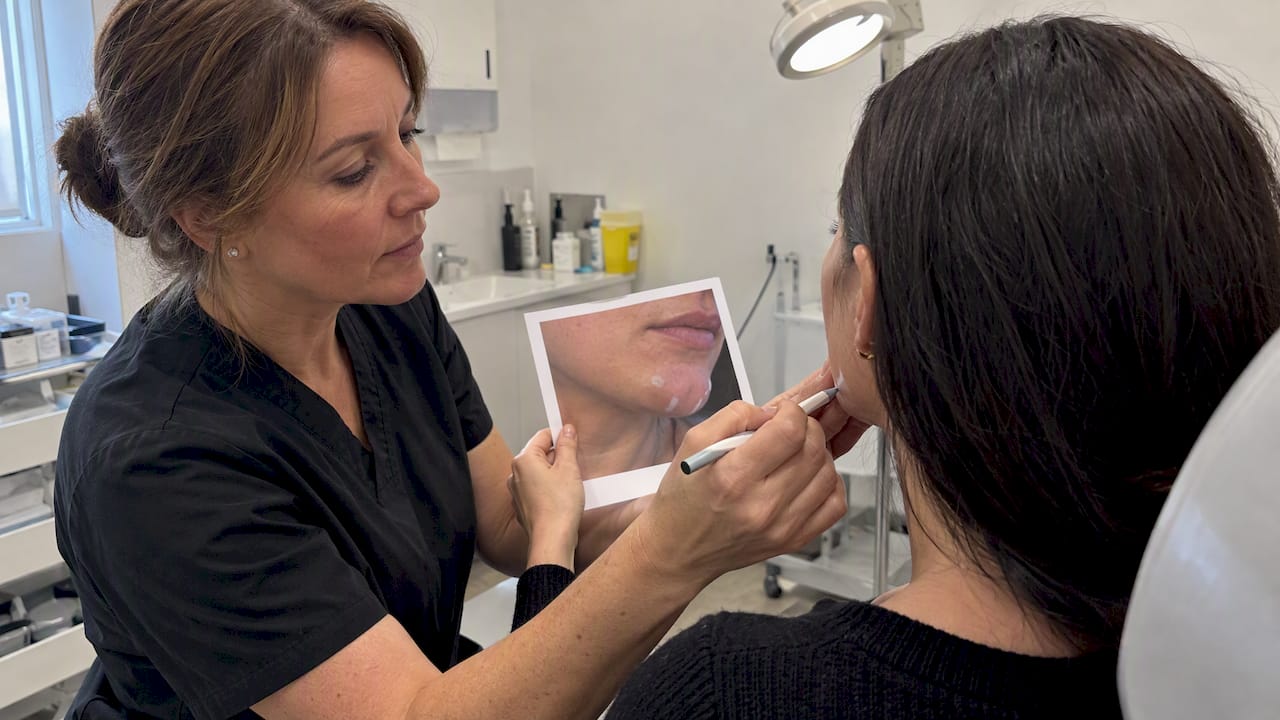
Expect questions about your medical history, allergies, medications, previous aesthetic treatments and any tendency to bruise or swell. Your practitioner should examine you both at rest and in expression, and may take clinical photographs to support treatment planning and outcome review.
This is also the time to discuss the result you want. “Less tired” is often a more useful goal than “completely smooth”. The under-eye should still look like your face. A conservative plan respects the natural anatomy and leaves room to assess how the tissue settles before adding more product, if appropriate.
At The Aesthetics Room, this type of treatment is approached as part of a bespoke facial assessment, with patient wellbeing and natural-looking results placed ahead of volume for volume’s sake.
What happens during treatment?
After cleansing the skin, your practitioner may apply topical numbing cream. Some practitioners use a fine needle, while others use a cannula, a flexible instrument designed to place product through a small entry point. The most appropriate technique depends on your anatomy and the practitioner’s clinical judgement.
A very small amount of hyaluronic acid filler is placed with precision, often at a deeper anatomical level to support the hollow without making the surface appear puffy. Treatment itself is usually relatively quick, but careful assessment and placement should never be hurried.
You may feel pressure, a brief scratching sensation or mild discomfort. Afterwards, the area is reassessed from different angles. The initial result can be visible straight away, although it takes time for minor swelling to settle and for the final appearance to become clear.
Safety matters more around the eyes
All injectable treatments carry risks, and the tear trough has a higher safety threshold than many other facial areas. Common short-term effects include tenderness, redness, swelling and bruising. These are usually temporary, but the under-eye can hold fluid, so subtle swelling may last longer in some patients.
Less common complications include asymmetry, a bluish hue beneath the skin known as the Tyndall effect, lumps, prolonged oedema and dissatisfaction with the cosmetic result. Hyaluronic acid filler has the advantage of being dissolvable, but dissolving treatment is still a clinical intervention and should not be treated casually.
Rarely, filler can enter or compress a blood vessel, causing vascular occlusion. This is a medical emergency and, in the face, can have very serious consequences including visual complications. Choose a suitably trained clinician who understands facial anatomy, can recognise complications quickly and has an established emergency protocol, including access to hyaluronidase where indicated.
Credentials, hygiene and clinical governance deserve the same attention as before-and-after photographs. Ask who will perform your treatment, how often they treat this area, what product they use, how complications are managed and what follow-up is available. You should never feel pressured to proceed on the day.
Recovery and aftercare
Most people return to normal activities quickly, although it is wise to allow for the possibility of bruising if you have an important event or photographs planned. The first few days are when you are most likely to see minor puffiness or unevenness from swelling rather than the final result.
Your practitioner will provide personalised aftercare. In general, avoid pressing or massaging the area unless specifically instructed, keep make-up off the injection points for the recommended period, and avoid strenuous exercise, excessive heat and alcohol for the first 24 to 48 hours. Sleeping with your head slightly elevated may help if you are prone to swelling.
Contact your clinic promptly if you experience increasing pain, marked colour changes to the skin, unusual blanching, visual disturbance or swelling that concerns you. Do not wait for a routine review if symptoms feel unusual.
How long does tear trough filler last?
Results vary considerably. Many patients enjoy an improvement for around 9 to 18 months, but the longevity of under-eye filler is influenced by product choice, metabolism, placement, fluid retention and individual anatomy. It can sometimes remain in the tissue longer than anticipated.
That is why more filler is not necessarily better at each review. A light-touch approach, supported by high-quality photographs and a reassessment of the whole face, helps prevent an overtreated under-eye area. Maintenance should be based on what you need, not a fixed timetable.
Choosing a practitioner in London
The right practitioner will be comfortable telling you when not to have tear trough filler. Look for a medically led setting, thorough consultation standards, clear consent processes and a practitioner with specific experience in this area. If you are considering treatment in central London, prioritise clinical judgement and safety systems over convenience, discounts or dramatic social media transformations.
The most flattering result is usually quiet. It does not announce that you have had filler; it simply makes the lower eye and cheek sit more harmoniously together. A thoughtful consultation gives you the space to decide whether that is achievable for your anatomy, and whether filler is truly the right treatment for you.