
TL;DR:
- Enzymes are proteins that provide precise, targeted skin treatments with minimal downtime.
- They improve skin texture, tone, and healing through exfoliation, pigmentation control, and anti-inflammatory effects.
- Enzyme therapies are ideal for sensitive skin, post-laser recovery, and clients seeking effective results without significant recovery time.
When most people think about cutting-edge aesthetics, lasers, acids, and injectables come to mind first. Enzymes, by contrast, rarely make the headlines. Yet these remarkable biological catalysts sit quietly at the heart of some of the most sophisticated skin treatments available in London today. From enzymatic peels that resurface without redness to post-laser recovery boosters, enzymes are reshaping what precision skincare looks like for discerning professionals. This article unpacks the science, compares your options, and shows you exactly how to harness enzyme-based treatments for standout, lasting results.
Table of Contents
- What are enzymes? The foundation of aesthetic science
- How enzymes rejuvenate and transform the skin
- Enzyme vs. chemical peels: comparison for London clinics
- Enzyme therapies beyond peels: advanced applications in aesthetics
- Making the most of enzyme-based treatments for your skin goals
- Why enzymes are the future of luxury aesthetics in London
- Experience bespoke enzyme-driven aesthetics in London
- Frequently asked questions
Key Takeaways
| Point | Details |
|---|---|
| Gentle rejuvenation | Enzyme-based treatments deliver powerful results with far less irritation than traditional peels. |
| Ideal for busy professionals | Low-downtime therapies suit the schedules and preferences of London’s high-achievers. |
| Versatile applications | Enzymes are used for peels, fat reduction and even post-laser recovery in modern aesthetics. |
| Expert guidance matters | Choosing experienced clinics ensures safe, science-driven outcomes tailored to your needs. |
What are enzymes? The foundation of aesthetic science
Enzymes are proteins that act as biological catalysts, meaning they speed up specific chemical reactions in the body without being consumed in the process. In the context of skincare, this matters enormously. Synthetic chemicals often trigger broad reactions across multiple tissue types. Enzymes, by contrast, operate with extraordinary precision, targeting only the molecules they are designed to act upon.
The biological role of enzymes in the skin encompasses everything from breaking down old proteins to regulating melanin production and supporting cellular repair. This natural selectivity is exactly why enzyme-based treatments are gaining traction in premium London clinics.
Several enzyme families are particularly relevant in aesthetic medicine:
- Proteases: Break down proteins such as keratin, clearing away dead skin cells and surface debris.
- Lipases: Act on fats and oils, helping to balance sebum and support smoother skin texture.
- Oxidoreductases: Assist in reducing oxidative stress, supporting a brighter, more even complexion.
- Amylases: Sourced from fruits such as papaya and pineapple, these are widely used in gentle exfoliating formulations.
“Enzymes accelerate biochemical reactions in skin therapies, offering targeted action that synthetic compounds frequently cannot replicate with the same level of safety and precision.”
This natural specificity is central to why enzyme therapies sit at the premium end of aesthetic practice. They work with your skin’s own biology rather than overriding it.
Pro Tip: When reviewing treatment menus or product labels, look for terms such as ‘papain,’ ‘bromelain,’ or ‘subtilisin.’ These indicate active enzyme ingredients, often signalling a more refined, gentle formulation suited to high-value or sensitive procedures.
How enzymes rejuvenate and transform the skin
Once we understand enzymes’ biological function, the next logical step is to uncover exactly how they transform skin health and youthfulness. The mechanisms are both elegant and practical.
- Enzymatic exfoliation: Proteases dissolve the bonds holding dead keratinocytes (surface skin cells) together. The result is smoother, brighter skin without the physical friction of scrubs or the acidity of chemical exfoliants.
- Pigmentation modulation: Certain enzymes inhibit tyrosinase, the enzyme responsible for melanin production. This directly targets uneven skin tone and sunspots, which are common concerns among London professionals exposed to urban environmental stressors.
- Cell turnover stimulation: Enzyme masks and targeted therapies encourage the skin’s natural renewal cycle, accelerating the production of fresh collagen-rich cells beneath the surface.
- Reduction of inflammation: Unlike strong acids, enzyme-based treatments maintain the skin’s pH balance and do not trigger the inflammatory cascade. This makes them particularly valuable for clients with reactive or rosacea-prone skin.
- Zero downtime recovery: The evidence from enzyme peel studies confirms that enzyme peels can gently remove dead cells without inflammation, allowing clients to return to professional and social commitments immediately.
Studies show that enzyme peels deliver measurable improvements in skin texture, radiance, and overall tone, often after a single session. For London professionals who cannot afford visible recovery time, this is a significant advantage over more aggressive resurfacing options.
If you want to understand how these benefits compare across different treatment types, the benefits of chemical peels provide a useful reference point for evaluating what suits your skin goals best.
Enzyme vs. chemical peels: comparison for London clinics
Understanding enzymes in isolation is helpful, but London professionals want to know how these options actually stack up against longstanding chemical peels.
| Feature | Enzyme peel | Chemical peel |
|---|---|---|
| Action mechanism | Biological catalysis, protein breakdown | Acid-driven exfoliation |
| Treatment depth | Superficial to mid-superficial | Superficial to deep |
| Downtime | Typically none | Minimal to several days |
| Client comfort | High, gentle sensation | Variable, may sting |
| Best for | Sensitive, reactive, frequent users | Uneven tone, deeper lines |
| Session frequency | Every 2 to 4 weeks | Every 4 to 12 weeks |
Clients who benefit most from enzyme-based peels tend to share specific characteristics:
- First-time clients who want to assess skin tolerance before committing to stronger treatments.
- Those with sensitive or reactive skin, where enzyme peels are preferred over acid-based options for safety and comfort.
- Professionals requiring zero visible downtime between sessions.
- Clients maintaining results between deeper chemical or laser treatments.
Cost and comfort trade-offs matter in the London market. Enzyme peels typically sit at a comparable or slightly lower price point than medium-depth chemical peels, and they can be performed more frequently, building cumulative results over time. Advanced clinics in Knightsbridge and Mayfair now offer hybrid protocols, incorporating both enzyme and chemical approaches in a phased, personalised plan. This maximises outcomes while managing skin tolerance carefully.
For a deeper understanding of where chemical options fit within a broader protocol, exploring the role of chemical peels provides clear clinical context.
Pro Tip: Always request a detailed consultation before any peel. A quality practitioner will review your skin history, current sensitivities, and lifestyle factors before recommending enzyme or acid-based options.
Enzyme therapies beyond peels: advanced applications in aesthetics
With a clear sense of enzyme peels’ place in the toolkit, it is time to spotlight other advanced enzyme applications gaining popularity across London clinics.
| Therapy type | Enzyme role | Key benefit |
|---|---|---|
| Fat reduction support | Lipases break down adipose tissue | Supports non-surgical contouring |
| Post-laser recovery | Anti-inflammatory enzyme complexes | Reduces redness, speeds healing |
| Lymphatic drainage facials | Enzyme-rich serums support fluid movement | Reduces puffiness, boosts radiance |
| Brightening treatments | Tyrosinase inhibitors target pigmentation | Evens tone without irritation |
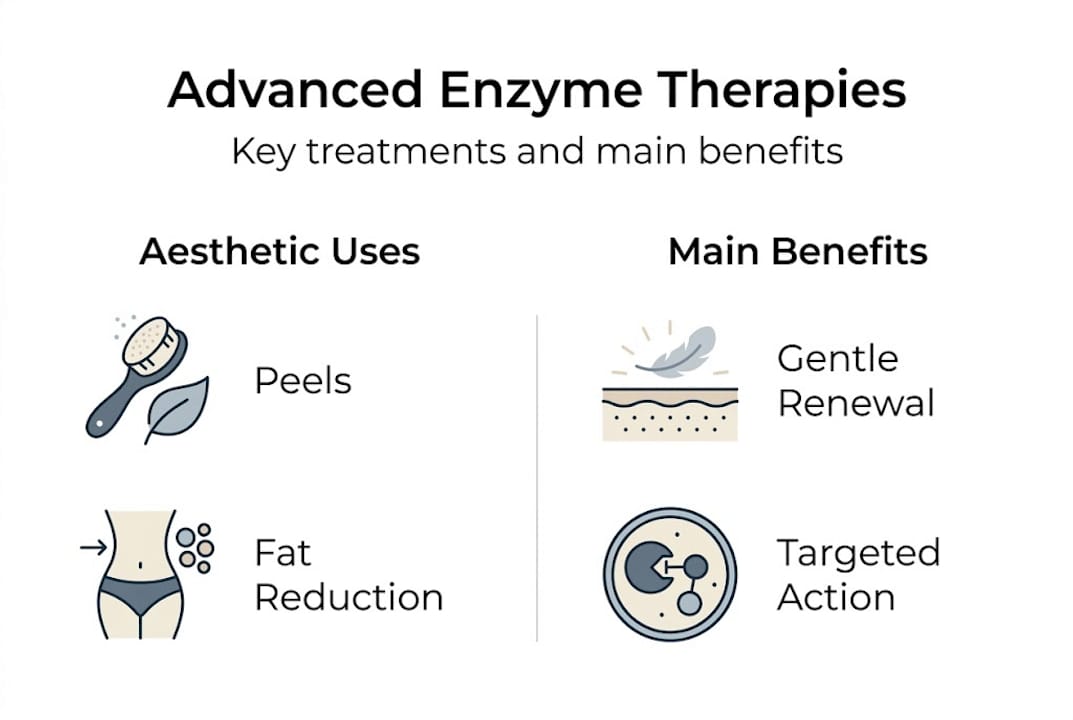
The connection between enzymes and aesthetic laser treatments is particularly exciting. When used as post-laser recovery boosters, enzyme complexes reduce the inflammatory response, calm redness, and accelerate cellular repair. This shortens the visible recovery window considerably.
Beyond recovery, non-peel enzyme facials are emerging as a popular maintenance choice. These treatments deliver active enzyme serums under controlled conditions, supporting ongoing collagen production, skin hydration, and surface radiance without any trauma to the skin.
The evidence for broader enzyme use is growing. Enzymes are involved in non-surgical fat reduction therapies, where lipase activity assists in breaking down localised adipose deposits when combined with targeted formulations.
“Clinical journals highlight that enzyme cocktails can significantly boost non-invasive results when incorporated thoughtfully into a comprehensive aesthetic protocol, particularly for clients who prioritise both outcomes and comfort.”
One important consideration for London clients: the quality of enzyme therapies depends heavily on practitioner expertise and product integrity. Highly regulated clinics that use pharmaceutical-grade enzyme formulations, and practitioners who understand the precise application windows and interaction risks, produce reliably superior results.
Making the most of enzyme-based treatments for your skin goals
Now that you are aware of the latest enzyme-driven treatments, here is how to safely and successfully integrate them into your skincare routine to achieve standout results.
Pre-treatment checklist:
- Discontinue retinoids and strong actives at least five days before your appointment.
- Arrive with clean, make-up-free skin.
- Inform your practitioner of any recent sun exposure, peels, or skin reactions.
- Stay well hydrated in the 24 hours before treatment.
Aftercare essentials:
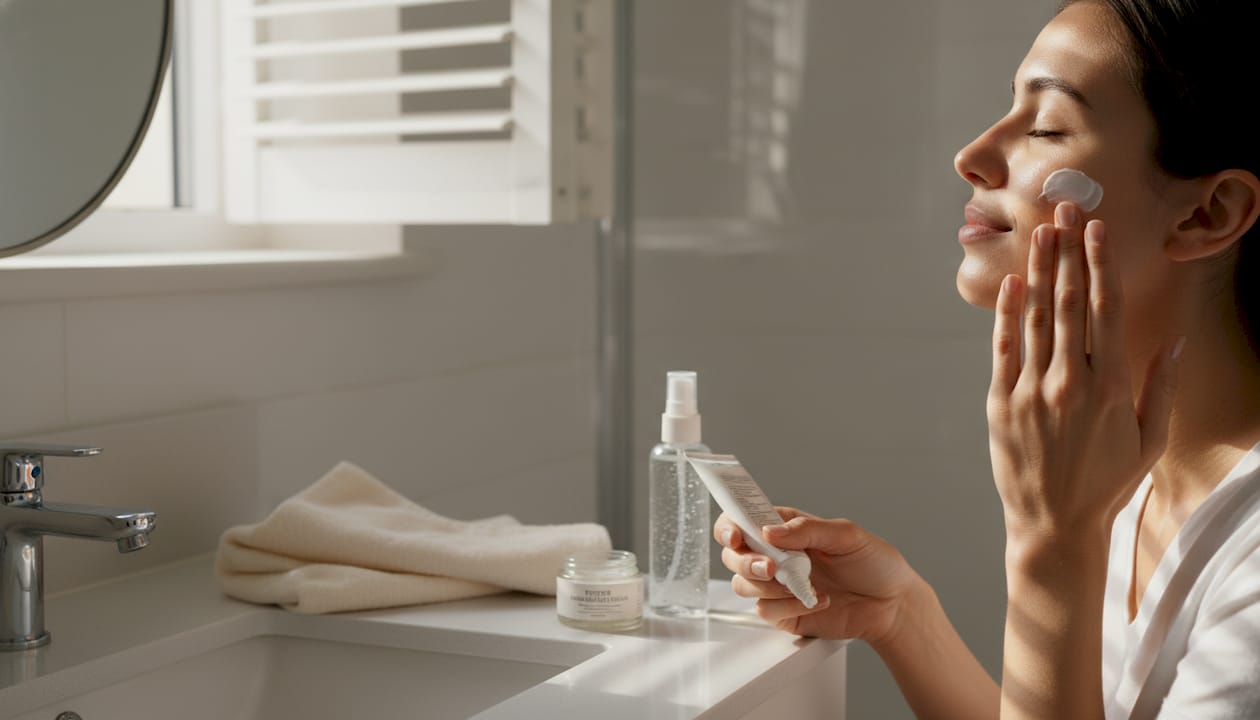
- Use gentle, fragrance-free cleansers for at least 48 hours post-treatment.
- Apply broad-spectrum SPF 50 sunscreen every morning without exception.
- Avoid active skincare ingredients such as AHAs, BHAs, and retinol for five to seven days.
- Keep skin hydrated with a simple, nourishing moisturiser.
Following correct aftercare practices optimises results and reduces the likelihood of complications. This is not optional guidance; it is clinically supported best practice.
Frequency guidelines: For enzyme facials, sessions every two to four weeks support steady, cumulative improvement. Enzyme peels can be repeated monthly for most clients, with frequency adjusted based on individual skin response.
When selecting a provider, ask specifically about the enzyme formulations they use, the qualifications of your treating practitioner, and the clinic’s aftercare support protocol. Quality providers in London will welcome these questions.
For a broader view of how enzyme treatments fit within a personalised approach to skin health, the skin rejuvenation guide offers practical, evidence-backed guidance for Londoners seeking to restore and maintain their skin’s best condition.
Pro Tip: Ask your clinic to capture high-resolution before and after images at consistent lighting and angles. This gives you an objective record of progress and helps your practitioner fine-tune your plan over time.
Why enzymes are the future of luxury aesthetics in London
There is a tendency in aesthetic medicine to equate aggression with effectiveness. Stronger acids, deeper lasers, and more powerful devices often dominate conversations in clinic brochures and online discussions. We believe this narrative is due for revision.
Enzymes represent something different: precision over force. They work with the skin’s own biological intelligence, achieving meaningful results without compromising the skin barrier or demanding days of visible recovery. For the London professional with an active diary and high expectations, this is not a compromise. It is an upgrade.
Leading clinics are already investing in enzyme technologies because their discerning clientele are increasingly asking for options that deliver results and respect their lifestyle. The minimal downtime, the absence of inflammatory risk, and the compatibility with combination protocols make enzymes uniquely suited to the personalised, science-led approach that defines the best of modern London aesthetics.
The expert rejuvenation insights we gather from real client outcomes consistently reinforce one conclusion: when enzyme therapies are used correctly, within a thoughtful, tailored protocol, they rival and often surpass more aggressive approaches for the right candidates. That is not opinion. That is what the clinical data continues to show.
Experience bespoke enzyme-driven aesthetics in London
At The Aesthetics Room, we design every treatment plan around your specific skin biology, lifestyle, and goals. Enzyme-enhanced facials, recovery protocols, and combination peels are integrated thoughtfully into bespoke programmes that respect your time and deliver visible, lasting results.
Our team of specialist practitioners, based in Knightsbridge, brings science-led expertise and a genuine commitment to minimal-downtime outcomes. Whether you are exploring enzyme peels for the first time or looking to build on existing treatments, we are here to guide you. Discover how our skin rejuvenation expertise and advanced dermal fillers can be woven into a seamlessly personalised aesthetic journey. Book your consultation today and experience the difference that genuine clinical precision makes.
Frequently asked questions
Are enzyme treatments safe for sensitive skin?
Yes, enzyme-based peels are particularly suited to sensitive or reactive skin types because they exfoliate gently without triggering inflammation, making them a preferred option for clients who cannot tolerate acid-based alternatives.
How do enzyme peels differ from chemical peels?
Enzyme peels use natural biological catalysts to dissolve surface debris without irritation, whereas chemical peels rely on acids for deeper exfoliation, which can require more downtime. Enzyme-based peels are typically the gentler and more frequent option.
Can enzyme therapies help with post-laser recovery?
Yes, specific enzyme complexes support skin recovery after laser procedures by calming redness and accelerating cellular repair. Clinical evidence confirms that enzymes support post-laser healing effectively.
What aftercare is needed for enzyme facials?
Hydration, gentle fragrance-free cleansers, and daily SPF 50 sunscreen are the core aftercare steps. Correct aftercare is clinically proven to optimise results and reduce the risk of complications.
How soon can I expect results from enzyme-based treatments?
Visible improvements in skin texture and brightness typically appear within a few days of treatment, with continued and compounding benefits across regular sessions. Measurable improvement in texture is consistently documented in clinical studies.
Recommended
- Skin analysis: The key to radiant, effective results – The Aesthetics Room
- Medical-grade skincare explained: unlock transformative results – The Aesthetics Room
- Skin profiling guide: unlock radiant, tailored skin – The Aesthetics Room
- Step by Step Chemical Peel Guide for Glowing Skin – The Aesthetics Room
- Skin booster con ácido hialurónico ✔