

TL;DR:
- Non-invasive cosmetic treatments offer minimal downtime and natural-looking results but carry risks if proper safeguards are not followed. Regulation, qualified practitioners, and structured aftercare are essential for safety and optimal outcomes. Choosing a reputable, licensed clinic ensures clinical governance, reducing complication risks and enhancing overall satisfaction.
The appeal of non-invasive cosmetic treatments is undeniable. Minimal downtime, visible results, and no surgical theatre required. Yet many people assume that because a procedure is labelled “non-invasive,” it carries no meaningful risk. That assumption is dangerous. Regulatory safeguards and clinical oversight are just as essential for injectables and laser treatments as they are for surgery. This article explains exactly what non-invasive means, why regulation matters, how to choose a clinic wisely, and how the right provider can deliver both safety and exceptional results.
Table of Contents
- What makes a procedure ‘non-invasive’?
- Safety first: regulation and clinical safeguards
- The real benefits: results, recovery, and confidence
- What to look for when choosing a clinic
- Why safety and luxury can (and must) go hand in hand
- Explore non-invasive luxury with expert guidance
- Frequently asked questions
Key Takeaways
| Point | Details |
|---|---|
| Safety is paramount | Even non-invasive procedures require regulated clinical safeguards and professional oversight. |
| Luxury means governance | Top London clinics prioritise safety, qualified practitioners, and high standards alongside comfort. |
| Choose expertise, not shortcuts | Opt for clinics with face-to-face assessment, qualified staff, and transparent patient care from consultation through aftercare. |
| Results with convenience | Non-invasive options deliver visible improvements with minimal downtime when done safely. |
What makes a procedure ‘non-invasive’?
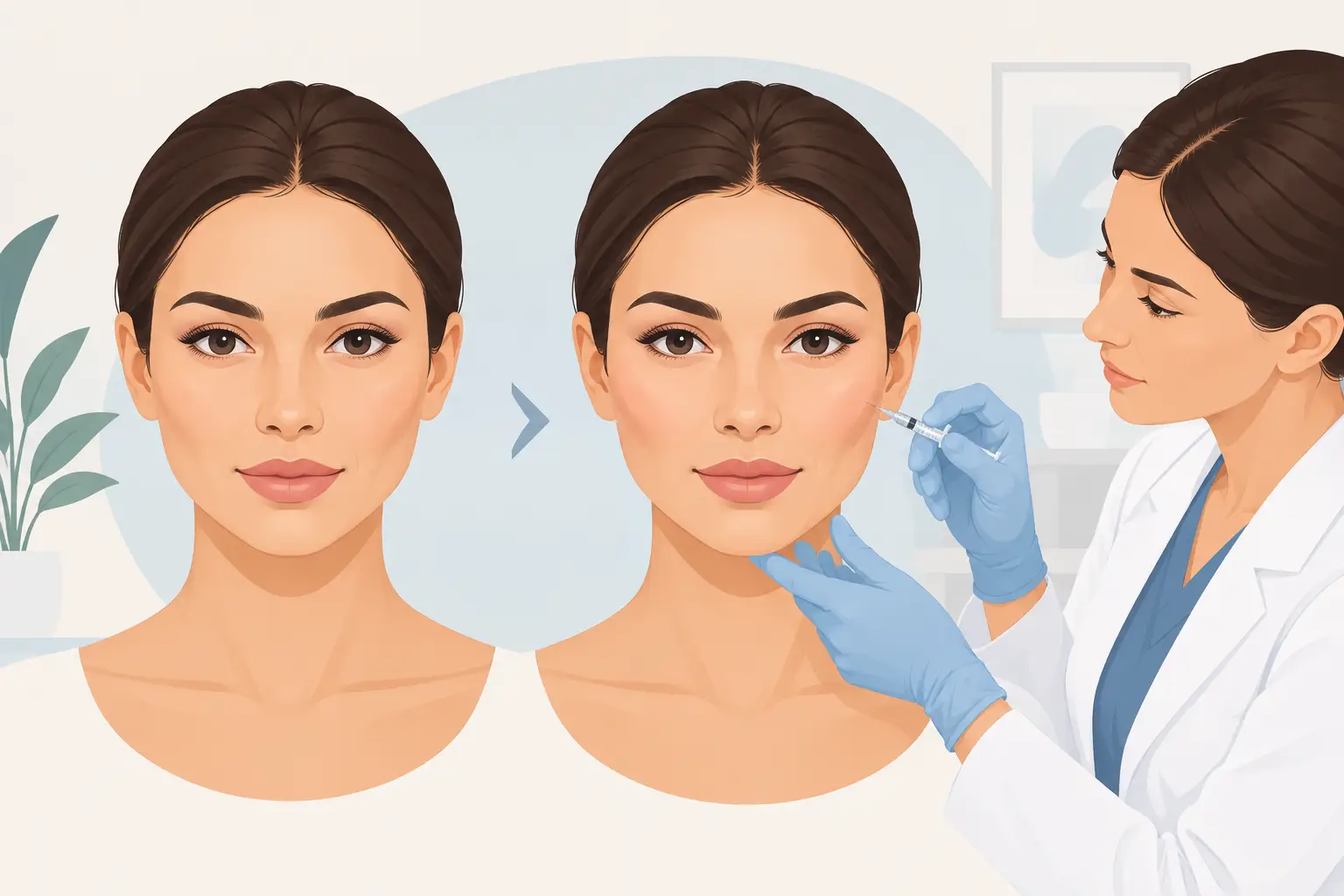
The term “non-invasive” covers a broad range of cosmetic treatments that do not require surgical incisions, general anaesthesia, or extended recovery periods. In practical terms, it refers to procedures that work on or just beneath the skin’s surface with minimal physical disruption to deeper tissues.
Common non-invasive and minimally invasive treatments include:
- Botulinum toxin injections (Botox): Relaxes targeted facial muscles to smooth lines and wrinkles
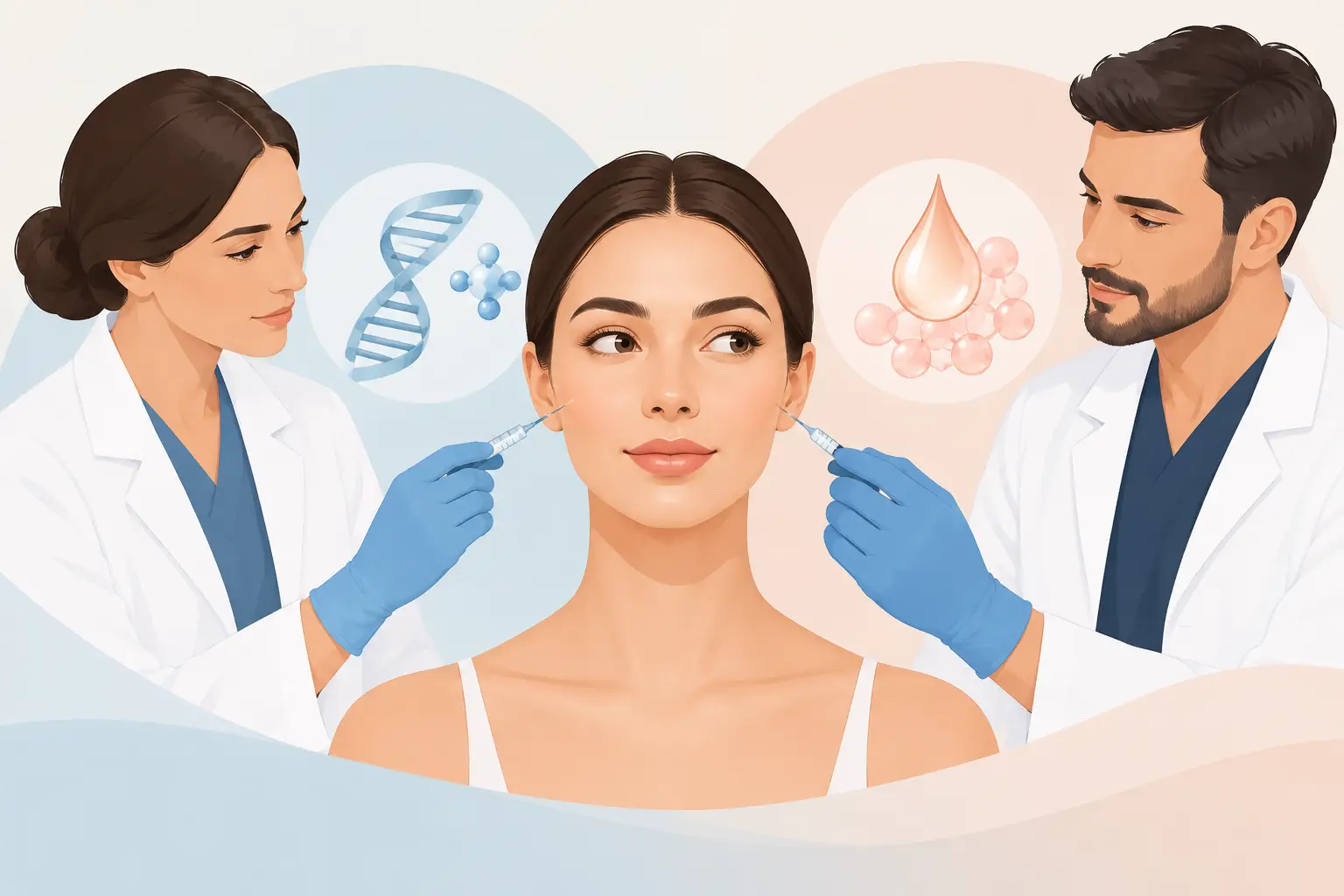
- Dermal fillers: Injectable substances, typically hyaluronic acid or calcium hydroxyapatite, used to restore volume and definition
- Fat-dissolving injections (aqualyx): Targets localised fat deposits without surgery
- Laser skin rejuvenation: Uses controlled light energy to stimulate collagen production and improve skin texture
- Chemical peels and microneedling: Surface-level treatments that accelerate skin renewal
The appeal of these treatments is real and well-founded. Most clients return to work or social engagements the same day or within a day or two. Results can be subtle or more dramatic depending on what you want, and when performed correctly, they look entirely natural. Understanding the injectables benefits and safety profile of each treatment is the first step in making an informed decision.
| Treatment | Downtime | Duration of results | Key active ingredient |
|---|---|---|---|
| Botox | None to minimal | 3 to 6 months | Botulinum toxin type A |
| Dermal fillers | Minimal (1 to 2 days) | 6 to 18 months | Hyaluronic acid |
| Fat-dissolving injections | 2 to 5 days | Long-lasting | Deoxycholic acid |
| Laser rejuvenation | 1 to 5 days | Ongoing with maintenance | N/A (light energy) |
| Chemical peels | 2 to 7 days | 1 to 3 months | AHA, BHA, or TCA acids |
“Non-invasive does not always mean risk-free without proper safeguards. Face-to-face clinical assessment is vital for even the most routine injectable treatments.”
That point is critical. A proper safe cosmetic injectables guide will always emphasise that the treatment itself is only as safe as the clinical environment and professional expertise surrounding it.
Safety first: regulation and clinical safeguards
With an understanding of non-invasive procedures, it is essential to examine the safety and regulatory framework underpinning your choices.
Since 2023, UK law requires that prescription-only medicines, including Botox and certain dermal fillers, must be prescribed by a qualified prescriber following a face-to-face consultation. You cannot legally receive these treatments via remote consultation alone. This is not a technicality. It is a patient protection designed to prevent harm.
Why does this matter in practice? Because bypassing proper clinical checks significantly increases the risk of serious complications, including vascular occlusion (where filler blocks a blood vessel), tissue necrosis, asymmetry, and infection. These risks are rare in regulated settings but become considerably more likely when treatments are administered without proper training, assessment, or medical-grade products.
Here is how regulated clinics compare to unregulated providers:
| Criterion | Regulated luxury clinic | Unregulated provider |
|---|---|---|
| Face-to-face consultation | Always required | Often skipped |
| Qualified prescriber on-site | Yes | Rarely |
| Medical-grade approved products | Yes | Not guaranteed |
| Aftercare protocol | Structured and documented | Variable or absent |
| CQC registration or equivalent | Yes | Often not registered |
| Emergency medical support | Available | Unlikely |
The difference is significant. A premium clinic does not just offer a better setting. It offers a fundamentally safer pathway through training, governance, and accountability.

Pro Tip: Before booking any injectable treatment, ask the clinic directly whether the prescribing practitioner will be present in person at your consultation. If the answer is no, look elsewhere.
Reviewing cosmetic procedure safety steps before your appointment gives you a practical framework for what questions to ask and what to expect. You can also review medical aesthetics safety tips to understand what a genuinely safe clinical environment looks like in London today. For a broader European perspective on safety regulations for cosmetic procedures, the principles of clinical governance are consistent: regulated practitioners, informed consent, and clear aftercare matter everywhere.
Statistic to know: Adverse events from injectable treatments administered outside regulated clinical settings are estimated to be significantly higher than those occurring in CQC-registered clinics, where safety protocols and trained responders are in place.
The real benefits: results, recovery, and confidence
Having addressed regulation and risks, it is worth focusing on what non-invasive procedures genuinely deliver when performed correctly in a reputable clinic.
The practical advantages go well beyond vanity. Here is what you can realistically expect:
- Minimal interruption to your routine: Most injectables require no downtime at all. A Botox treatment, for example, takes around 15 to 30 minutes and you can return to your desk immediately. Even dermal fillers, which may involve mild swelling for 24 to 48 hours, rarely disrupt a working week in London.
- Natural, proportionate results: Skilled practitioners focus on enhancing your existing features rather than altering your appearance dramatically. The goal is balance and harmony, restoring volume or reducing tension in ways that look effortlessly natural.
- Sustained confidence boost: Feeling more like yourself is deeply meaningful. Whether you are addressing early signs of ageing, managing discomfort in procedures or simply refreshing your look, the impact on daily confidence and self-assurance is consistently reported as one of the most valued outcomes.
- Cumulative skin health benefits: Many treatments, particularly those that stimulate collagen production such as microneedling and certain laser therapies, deliver benefits that build over time. Your skin becomes progressively healthier, not just temporarily improved.
- Flexibility and reversibility: Hyaluronic acid fillers can be dissolved using hyaluronidase if needed, offering peace of mind that is not available with surgical alternatives.
It is essential to remember, however, that procedural non-invasiveness alone does not guarantee safety if regulatory safeguards are bypassed. The best results come from pairing the right treatment with the right clinical team. The importance of aftercare is one of the most underestimated aspects of non-invasive procedures. Proper follow-up ensures that results settle correctly, any mild side effects are managed promptly, and your overall experience is positive from start to finish.
Pro Tip: Ask your clinic what their aftercare protocol looks like before you book. A reputable provider will have a clear, documented follow-up plan that includes direct access to your practitioner in the days following treatment. Reviewing patient satisfaction rates from credible London clinics can also help you benchmark what excellent care looks like.
It is also worth noting that the results from non-invasive treatments are not simply cosmetic in a shallow sense. Many clients describe feeling more energised, more engaged socially, and more willing to present themselves confidently in professional settings. When performed in a premium environment with skilled practitioners, the treatment becomes part of a broader wellness investment.

What to look for when choosing a clinic
To turn this knowledge into action, here is what you should demand from any luxury clinic before booking a non-invasive procedure.
Choosing correctly is straightforward when you know what to prioritise. Follow this framework:
- Verify the practitioner’s qualifications: Your injector should be a registered nurse, doctor, dentist, or other qualified prescriber with specific training in aesthetic medicine. Ask to see credentials and check registration with the relevant professional body.
- Insist on a face-to-face consultation: This is a legal requirement for prescription injectables in the UK. Any clinic offering to skip this step is operating outside the law and outside safe practice.
- Ask about the products used: Reputable clinics use only approved, fully traceable medical-grade products from established pharmaceutical manufacturers. Never accept treatment with unlabelled or unbranded substances.
- Confirm aftercare is included: Aftercare should not be an optional add-on. It should be part of every treatment plan, including written guidance, a follow-up contact, and clear instructions for what to do if you experience unexpected side effects.
- Read patient reviews carefully: Look for consistent, detailed, and independently verified testimonials. Volume is less important than depth. A clinic with dozens of thoughtful, specific reviews is far more reassuring than one with hundreds of brief ratings.
“Choosing reputable, regulated clinics is the safest route, even for so-called non-invasive treatments. The label ‘non-invasive’ is not a substitute for clinical governance.”
Familiarise yourself with aesthetics dos and don’ts to avoid common mistakes that even well-intentioned clients make. Understanding why professional anaesthetics matter in clinical settings also reinforces why every aspect of your treatment environment, from numbing agents to the qualifications of the person holding the syringe, contributes to your overall safety and comfort.
Do not be swayed by price alone. Discounted Botox or filler packages offered through flash-sale platforms or social media promotions are, in most cases, a warning sign rather than a saving. Genuine quality and safety carry a cost that reflects the training, products, and clinical environment required to deliver them responsibly.
Why safety and luxury can (and must) go hand in hand
There is a prevailing assumption in parts of the London aesthetics market that luxury is primarily about aesthetics: a beautiful reception, tasteful décor, premium skincare products on the shelves. These things matter, of course. But at The Aesthetics Room, we believe the true marker of a luxury clinic experience is something far more foundational: it is the quality of governance, the depth of clinical expertise, and the rigour of every safety protocol in place.
We see this distinction play out regularly. Clients come to us after experiences elsewhere where the environment was impressive but the consultation was brief, the practitioner was not fully qualified, or the aftercare was non-existent. They got the glossy surroundings but not the genuine care. That is not luxury. That is theatre.
The best clinics invest as heavily in training, compliance, and patient safety infrastructure as they do in their physical environment. When subtle enhancements through injectables are performed by genuinely expert practitioners following rigorous clinical assessment, the results are consistently better. Not because premium products alone deliver superior outcomes, but because every stage of the patient journey, from the initial consultation to the follow-up call, has been designed with your wellbeing at its centre.
We also believe the future of London aesthetics is unambiguously safety-first. As regulation tightens, as public awareness grows, and as clients become more discerning, the clinics that thrive will be those that never cut corners. The ones that view every assessment, every consent form, and every aftercare call not as a burden but as an expression of professional pride. That is the standard we hold ourselves to. It is also the standard you deserve.
Explore non-invasive luxury with expert guidance
Ready to explore refined, safe cosmetic enhancements tailored to your London lifestyle?
At The Aesthetics Room, every treatment begins with a thorough, in-person consultation led by a qualified prescriber, in full compliance with UK regulations. We combine bespoke treatment planning with the highest clinical standards to ensure your results are safe, natural, and genuinely confidence-restoring.
Whether you are curious about luxury Botox treatments to smooth dynamic lines, interested in regulated dermal fillers to restore youthful volume, or simply want to understand what dermal fillers involve before committing to anything, our team is here to guide you with honesty and expertise. Book your consultation today and experience what truly premium, safety-led aesthetics looks like in the heart of London.
Frequently asked questions
Are non-invasive cosmetic procedures risk-free?
Non-invasive does not mean risk-free. Serious risks can arise when clinical safeguards are skipped, which is why choosing a regulated clinic with a qualified prescriber and proper face-to-face assessment is essential for your safety.
What’s required by UK law before having Botox or fillers?
UK law requires you to attend a face-to-face consultation with a qualified prescriber before receiving prescription injectables. This legal requirement exists to protect patients from undertrained providers and unsuitable treatments.
How can I check if a clinic is reputable?
Look for medical professionals with current, verifiable qualifications, CQC registration or equivalent accreditation, transparent safety protocols, and independently verified patient reviews that speak to both results and aftercare quality.
Is aftercare important in non-invasive procedures?
Yes, professional aftercare is essential. It ensures your results settle correctly, reduces the risk of complications, and gives you direct access to your practitioner if any concerns arise in the days following treatment.
Do non-invasive treatments work for men and women?
Absolutely. Both men and women in London benefit from non-invasive treatments, with bespoke plans designed to deliver subtle, confidence-boosting enhancements that complement each individual’s natural features.