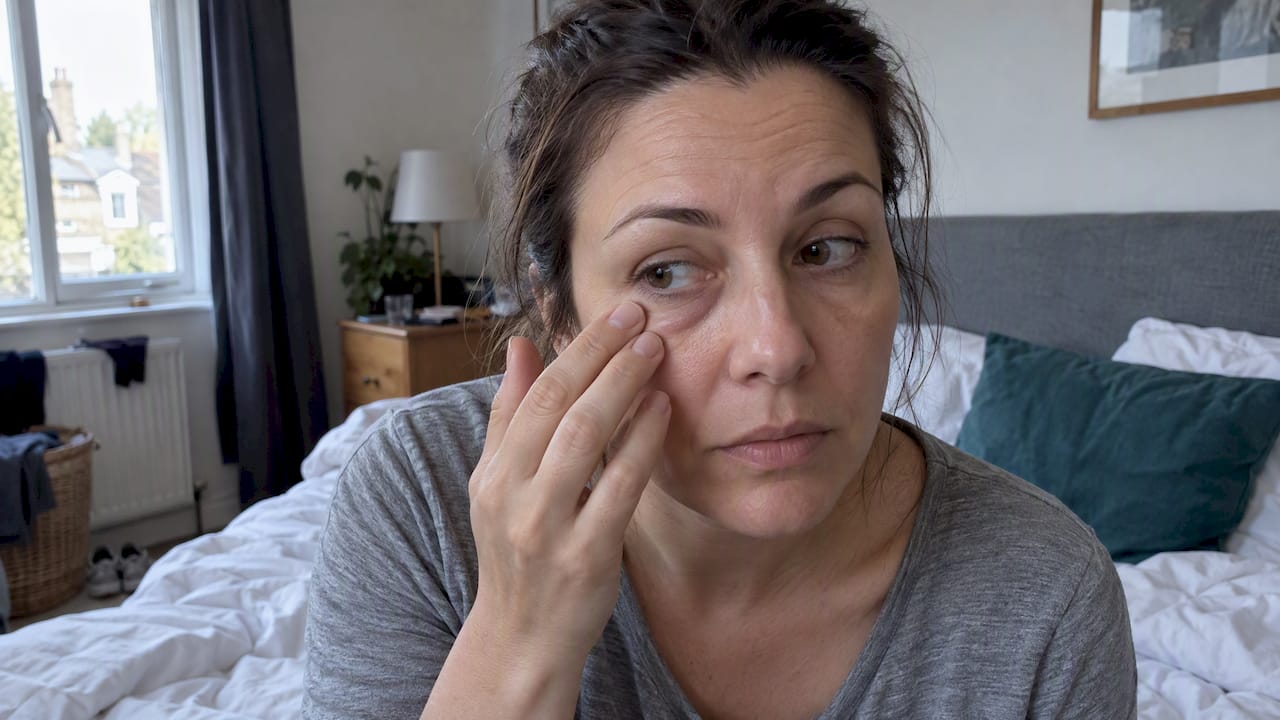

You usually notice thinning hair in the mirror long before anyone else mentions it. The parting looks wider, the ponytail feels lighter, or more scalp shows under bright bathroom lighting. When that happens, most people do what anyone would do – start searching for a hair treatment for thinning hair and hope for a clear answer. The difficulty is that thinning hair is not one condition. It is a symptom with several possible causes, and the right treatment depends on identifying what is driving the change.
Why thinning hair happens in the first place
Hair density can shift gradually or quite suddenly. For some patients, it is related to genetics and age. For others, it follows stress, hormonal changes, illness, nutritional deficiency, scalp inflammation or styling damage. The pattern matters. Diffuse shedding across the scalp points to something different from a receding hairline or thinning at the crown.
This is why a consultation-led approach matters. Buying products online may feel proactive, but it can delay progress if the underlying issue is missed. A medically led assessment looks at timing, pattern, family history, general health, medications, lifestyle and scalp condition. In some cases, blood testing is appropriate because hair can reflect wider wellbeing just as much as aesthetics.
There is also a useful distinction between shedding and miniaturisation. Shedding means more hairs than usual are falling out. Miniaturisation means the follicles are gradually producing finer, weaker strands. A patient can have one or both, and treatment should be tailored accordingly.
What to look for in a hair treatment for thinning hair
The best hair treatment for thinning hair is rarely a single product or one-off appointment. Meaningful improvement usually comes from a plan. That plan should be based on diagnosis, realistic timescales and a treatment pathway that supports the scalp environment as well as the hair follicle itself.
A good treatment strategy tends to focus on three things. It works to reduce ongoing shedding where possible, support healthier follicle function, and improve the quality of existing hair while new growth develops. Those goals sound simple, but the route to each can differ significantly from one patient to another.
It is also worth being realistic about time. Hair grows slowly, and any treatment that promises instant transformation should be viewed with caution. Most evidence-based options require consistency over several months before a visible change can be judged properly.
The most effective treatment options
Scalp assessment and personalised planning
Before treatment begins, the scalp should be properly assessed. Build-up, irritation, inflammation and excess oil can all affect hair quality and comfort. Equally, a scalp that looks calm on the surface may still reflect internal triggers such as iron deficiency or hormonal imbalance.
A bespoke plan gives structure to treatment. That may include in-clinic procedures, home care, lifestyle recommendations or referral for further medical investigation if appropriate. This approach is especially important for patients who have already tried multiple shampoos, supplements or viral trends without understanding why they were using them.
Polynucleotide hair treatment
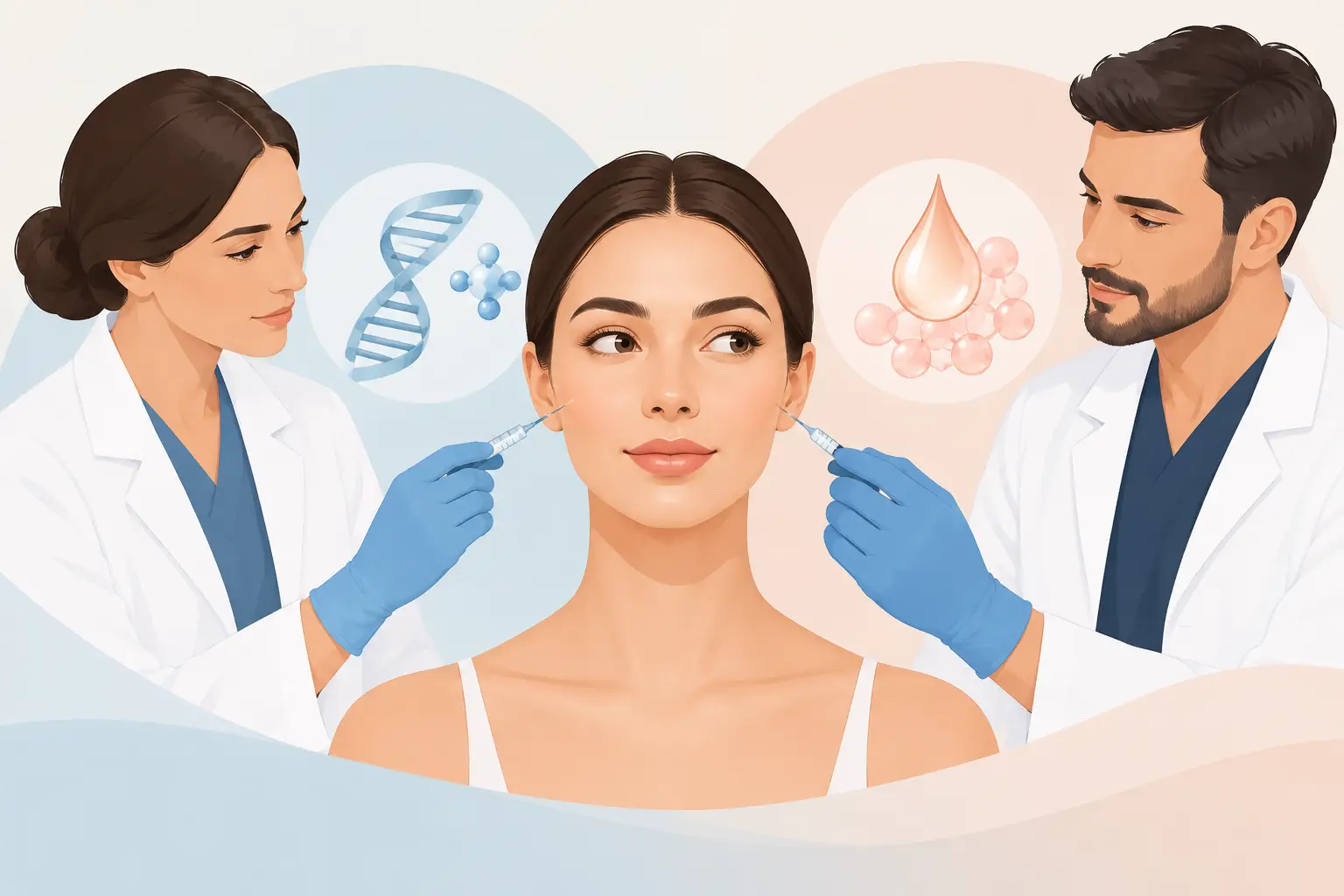
Polynucleotide treatment has become an increasingly discussed option for thinning hair, particularly among patients who want a non-surgical approach with a regenerative focus. In simple terms, polynucleotides are used to support tissue repair and improve the quality of the treatment area. When applied as part of a carefully selected hair protocol, they may help create a healthier scalp environment and support weakened follicles.
This option is often attractive to patients looking for a refined, medically led treatment rather than a purely cosmetic cover-up. It is not a miracle fix, and results vary depending on the cause and stage of thinning, but it can form part of a broader programme aimed at improving scalp health and hair quality over time.
PRP and regenerative approaches
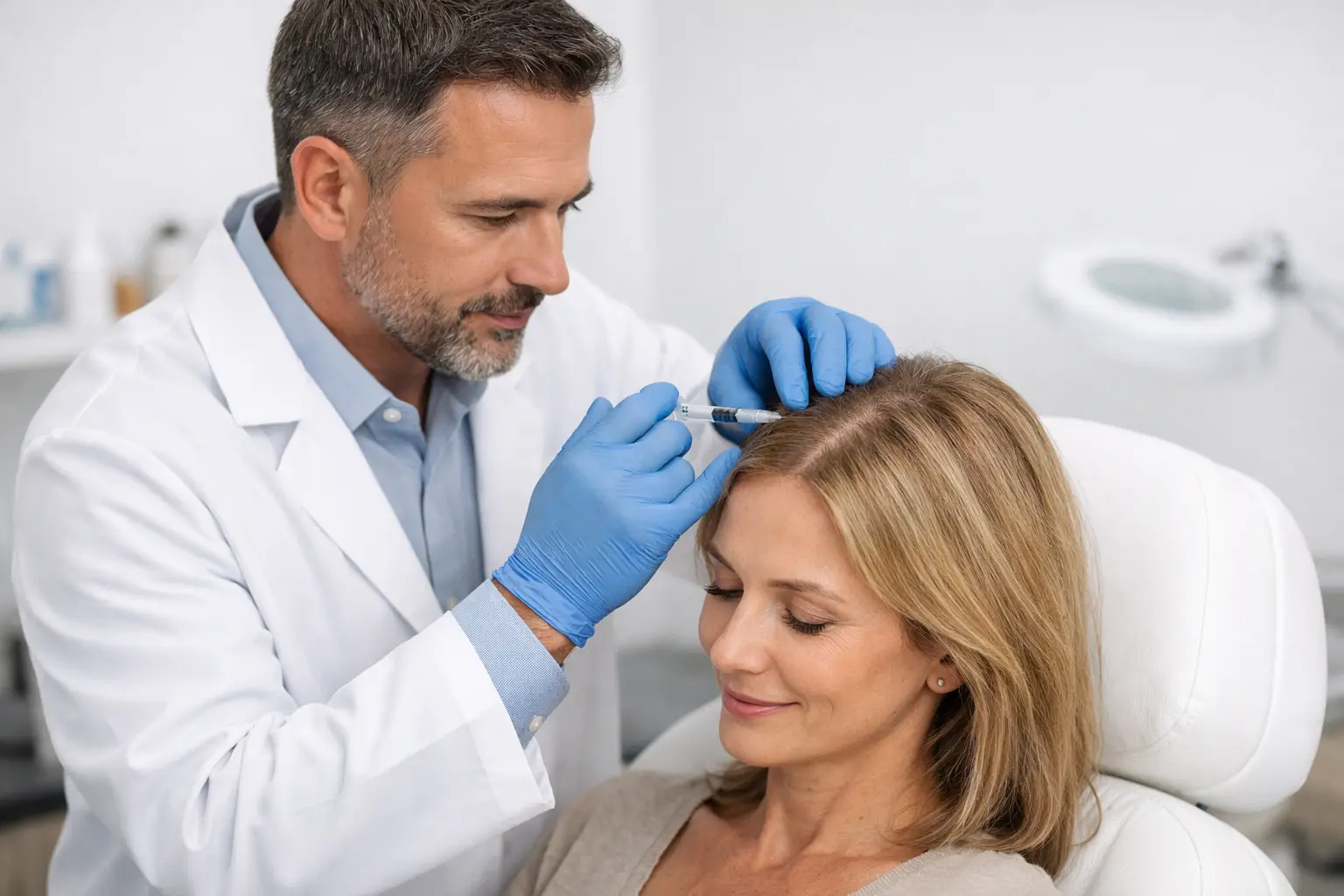
Platelet-rich plasma, often referred to as PRP, is another treatment commonly used for hair concerns. It involves using components from the patient’s own blood and placing them into the scalp with the aim of stimulating follicle activity. The appeal is obvious – it is autologous, consultation-led and centred on regeneration rather than disguise.
That said, PRP is not suitable for everyone, and not every clinic offers it in the same way. Technique, patient selection and treatment schedule all influence outcomes. It tends to be more effective in earlier stages of thinning than in areas where follicles are no longer active.
Prescription and pharmacy-based support
For some patients, medical treatment may be appropriate. This depends on diagnosis, medical history and suitability. In cases of pattern hair loss, certain licensed or commonly prescribed options may help slow progression or improve retention. These treatments can be highly effective for the right patient, but they are not casual purchases. They require proper guidance and an honest discussion about side effects, commitment and maintenance.
This is one of the clearest examples of why generic advice can be unhelpful. A treatment that is suitable for one patient may be entirely wrong for another, particularly if the thinning is linked to hormones, postpartum changes or underlying health concerns.
Scalp care and home support
Home care will not usually reverse significant thinning on its own, but it does play a role. Gentle scalp care, appropriate cleansing, avoiding excessive heat or tension, and using products that support the scalp rather than overwhelm it can all contribute to better long-term outcomes.
The key is not to overcomplicate things. Many patients worsen irritation by layering too many active ingredients, oils or heavily fragranced products. A simplified, clinically sensible routine often does more than an expensive shelf full of hopeful purchases.
Hair treatment for thinning hair is not one-size-fits-all
This is where many people lose time and money. They assume that because a friend responded well to one treatment, they will too. Or they focus only on the visible thinning and not the reason behind it. In practice, the best results come from matching the treatment to the pattern.
If thinning is driven by stress-related shedding, the plan may centre on identifying the trigger, supporting recovery and allowing the hair cycle to normalise. If there is female or male pattern hair loss, the goal may be to preserve density and support miniaturising follicles before the change becomes more advanced. If breakage is the real issue rather than follicle loss, then repairing hair habits matters just as much as any injectable treatment.
That nuance matters because expectations should be different too. Some patients are aiming for regrowth. Others are aiming to stop further decline, improve texture, or make the hair they still have appear stronger and healthier. All of those are valid outcomes when discussed clearly from the start.
When to seek professional advice
If your hair has been thinning for more than a few months, if you are seeing widening through the parting or temples, or if the scalp is itchy, sore or inflamed, it is sensible to seek professional assessment. The same applies if shedding has become noticeably heavier after illness, weight change, medication or hormonal shifts.
Early intervention can make a real difference. Once follicle activity has reduced substantially, treatment options become more limited. That does not mean there is no help available, but it does mean the strategy may focus more on preservation than reversal.
For patients seeking discreet, medically led care in a premium setting, clinics such as The Aesthetics Room offer the advantage of bespoke planning rather than off-the-shelf recommendations. That level of attention is often what turns a frustrating cycle of trial and error into a more confident and informed treatment journey.
What results should you realistically expect?
A well-chosen treatment plan can improve shedding, density, scalp condition and hair quality, but results are rarely immediate and never identical for everyone. Most patients need patience. Photographs taken in consistent lighting are often more useful than day-to-day mirror checks, because small changes are easy to miss when you see yourself constantly.
It is also common to need ongoing maintenance. Hair loss is often progressive, particularly when genetics are involved, so stopping treatment completely may allow thinning to resume. This is not a sign that treatment has failed. It simply reflects the biology of the hair cycle and the need for long-term management.
The most reassuring approach is one based on transparency. You should know what the treatment is designed to do, how long it may take, and what level of improvement is realistic in your case.
Healthy hair rarely responds well to panic, guesswork or trends. It responds best to careful assessment, clinically appropriate treatment and a plan built around you rather than the algorithm.