

A polished clinic interior and a strong Instagram presence can make almost any provider look credible. What matters far more is what sits behind the branding – training, governance, emergency protocols and clinical judgement. If you are asking, is an ACE Group clinic safer, the short answer is yes, it can be a meaningful indicator of higher standards, but it should never be the only one.
In aesthetics, safety is rarely about one badge or one claim. It is about how a clinic thinks, how it prepares and how it responds when treatments do not go exactly to plan. That is where ACE Group affiliation becomes relevant.
Is an ACE Group clinic safer in practice?
ACE stands for Aesthetic Complications Expert Group. The organisation is well known in medical aesthetics for producing guidance on the prevention, recognition and management of complications. In simple terms, it helps raise standards around patient safety in a sector where outcomes can vary widely from one provider to another.
So, is an ACE Group clinic safer in practice? Often, yes, because affiliation suggests that the clinic and its practitioners take complications seriously enough to train for them, plan for them and build treatment decisions around them. That matters because even well-performed non-surgical treatments carry risk. Dermal filler can migrate or occlude a vessel. Anti-wrinkle injections can produce asymmetry or ptosis. Skin treatments can trigger irritation, pigmentation changes or delayed healing if the patient is not properly assessed.
A clinic aligned with ACE guidance is more likely to have formal protocols in place rather than relying on confidence alone. For patients, that usually translates to a more considered consultation, better consent, clearer aftercare and a stronger ability to act quickly if a problem develops.
What ACE Group affiliation actually tells you
ACE Group affiliation is not just a marketing phrase. It points to a practitioner or clinic engaging with recognised complication management guidance within aesthetics. That is valuable because one of the clearest differences between an average provider and a strong medical clinic is not how they handle the straightforward case. It is how they reduce risk before treatment and how prepared they are if a concern arises afterwards.
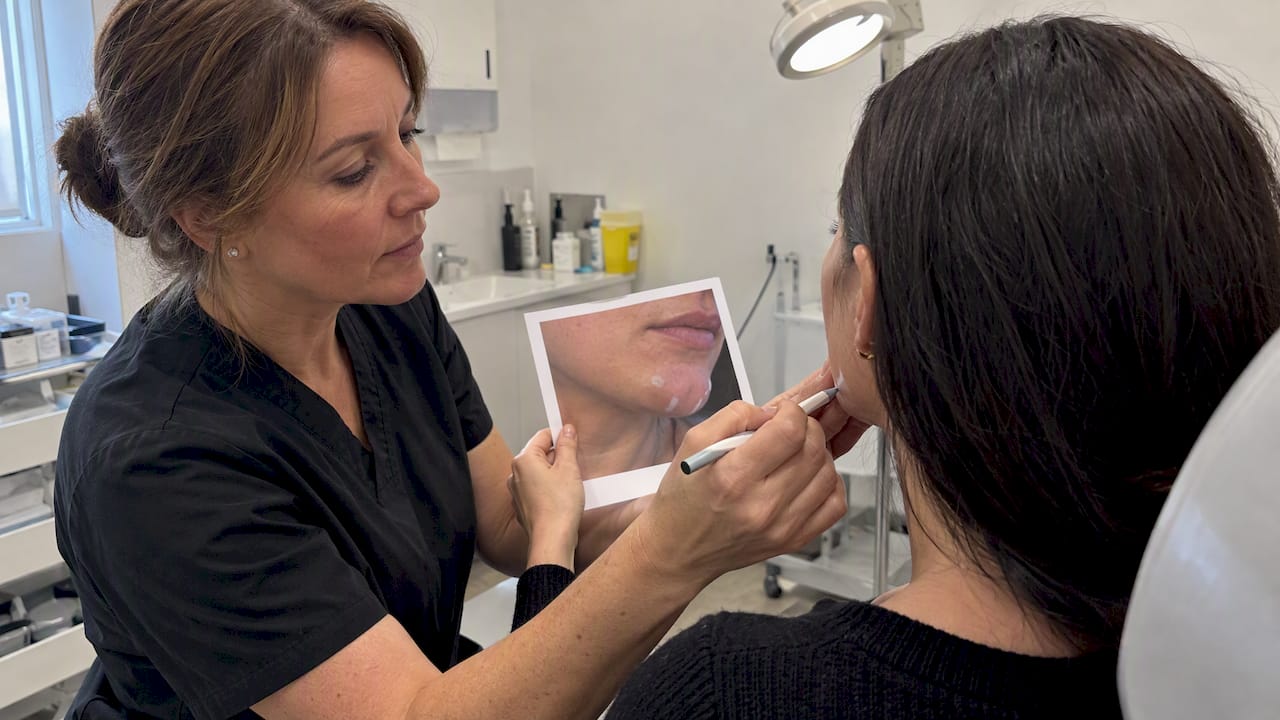
In practical terms, an ACE-aware clinic is more likely to understand red flags, maintain appropriate emergency stock where relevant, follow evidence-based management pathways and avoid treating patients who are poor candidates. Good aesthetics starts with knowing when not to proceed.
This tends to support safer decision-making in consultations as well. A patient asking for more filler may instead need less treatment, a different product or no treatment at all. A practitioner who is clinically led rather than sales led is generally safer, because restraint is often part of good care.
Why affiliation alone is not enough
This is the nuance many patients miss. ACE Group affiliation is reassuring, but it is not a substitute for broader medical standards. A safer clinic should also show who is carrying out your treatment, what their medical background is, whether the environment is appropriately regulated and how patient care is documented and reviewed.
That is why CQC registration, where applicable, carries weight. It signals that a clinic is operating within a more formal framework of governance and accountability. It also helps to know whether consultations are tailored, whether your medical history is taken properly and whether there is a genuine cooling-off period when needed.
If a clinic pushes treatment too quickly, glosses over risk or offers exactly the same plan to every face, affiliation means less. Safety sits in the whole system, not one credential.
The difference between a luxury setting and a safe one
For many patients in central London, presentation matters. Discretion, comfort and a refined environment are part of the appeal of private aesthetics. There is nothing wrong with that, but luxury should support clinical quality, not distract from its absence.
A beautiful reception area does not tell you whether a practitioner can identify vascular compromise early. A premium price does not guarantee proper facial assessment. A long treatment menu does not automatically mean expertise across every category.
The safer clinic is usually the one that combines a polished patient experience with visible medical substance. That includes detailed consultations, realistic treatment planning, clear contraindication checks and thoughtful follow-up. The best clinics make patients feel looked after before, during and after treatment, not simply impressed on arrival.
How to judge whether an ACE Group clinic is genuinely safer
The right question is not only, is an ACE Group clinic safer, but safer than what. Safer than a non-medical setting with limited oversight? In many cases, yes. Safer than a clinic with no clear complication protocols? Very likely. Safer than every other provider automatically? Not necessarily.
Look at the full picture. Who will treat you? How experienced are they in that specific procedure? Do they assess facial anatomy, skin quality and medical history in depth? Are they honest about what treatment can and cannot achieve? Do they explain possible complications in plain English, rather than brushing them aside to keep the consultation comfortable?
You should also pay attention to the pace of the appointment. Safe clinics are rarely hurried. They ask questions, manage expectations and sometimes recommend postponing treatment. That can feel frustrating in the moment, especially if you want an immediate result, but it is often a sign that patient wellbeing comes first.
Treatments where safety standards matter most
Every aesthetic treatment benefits from good governance, but some categories make the clinic’s clinical standards especially important.
Injectables sit high on the list because they involve anatomy, product choice, dosage and the potential for complications that require prompt recognition. Advanced skin treatments also demand caution, particularly in patients with reactive skin, pigment concerns or a history of poor healing. Hair and wellbeing treatments may appear lower risk, but they still require proper screening, hygiene and suitability checks.
This is where bespoke planning matters. One-size-fits-all treatment is rarely the safest route. The most reliable providers assess the whole patient, not just the area being treated. That may include skin health, lifestyle factors, previous treatment history and whether combining procedures is actually sensible.
At a clinic such as The Aesthetics Room, this more tailored approach is often where safety and results meet. Patients generally do better when treatment is built around careful assessment rather than a trend-led menu.
Questions worth asking before you book
If you want to make a smart decision, ask direct questions and listen carefully to the answers. You do not need to be a clinician to spot whether a provider is comfortable discussing safety.
Ask who will perform the treatment and what their qualifications are. Ask how complications are managed and what aftercare support looks like. Ask whether the clinic is regulated, whether prescriptions are handled appropriately where relevant and whether the consultation includes a full medical assessment.
You can also ask what would make them decline treatment. That question is surprisingly revealing. A strong clinic will have clear boundaries. It will know when a request is unsuitable, when expectations are unrealistic and when another approach would be more appropriate.
Why personalised care is often the real safety marker
Patients often focus on labels because labels are easy to compare. Yet one of the strongest signs of a safe clinic is something less flashy – personalised care. A practitioner who listens carefully, examines properly and adjusts treatment to your anatomy and goals is less likely to over-treat, less likely to miss a risk factor and more likely to produce natural-looking results.
That is particularly relevant for patients who have had previous work elsewhere, are nervous about complications or want subtle enhancement rather than a dramatic change. Clinical skill matters, but so does judgement. The best outcomes tend to come from clinics that are willing to be precise, measured and selective.
ACE Group affiliation supports that culture when it is part of a genuinely medically led approach. It shows respect for standards, education and preparedness. It does not make a clinic perfect, but it does suggest a more serious view of patient safety than you may find in purely commercial settings.
If you are weighing up providers, treat ACE affiliation as one strong positive sign rather than the entire answer. Pair it with regulation, practitioner expertise, honest consultation and bespoke planning. When those pieces come together, you are not just choosing a clinic that looks good on paper. You are choosing one that is more likely to protect your wellbeing while delivering results that still look like you.