

A polished clinic interior and a well-designed website can create the right first impression, but aesthetics is not a category where appearance alone should earn your trust. When you are considering injectables, skin treatments, hair restoration or wellbeing services, choosing a CQC-registered aesthetic clinic can make a meaningful difference to both safety and the quality of your care.
For many patients, the real question is not simply where to book. It is who is assessing you, what standards the clinic is held to, and whether your treatment is being planned around your face, skin, health and goals rather than around a menu of popular procedures. That is where CQC registration becomes relevant.
What a CQC-registered aesthetic clinic actually means
The Care Quality Commission regulates certain health and social care services in England. In aesthetic medicine, this matters because some clinics operate under regulated medical standards, while others function more like retail beauty settings. Those are not the same thing, even if they offer treatments that look similar on paper.
A CQC-registered aesthetic clinic is subject to regulatory oversight for the services it provides. That includes expectations around safety, cleanliness, governance, record-keeping, complaints handling, staff suitability and the quality of patient care. Registration does not mean every clinic is identical or that outcomes are guaranteed, but it does mean the clinic is accountable to a recognised framework rather than relying purely on branding or self-description.
For patients, that distinction often becomes most important before and after treatment rather than during it. A consultation should feel thorough, your medical history should be taken seriously, and there should be clear protocols in place if something does not go to plan. In aesthetics, those details are not extras. They are part of responsible care.
Why regulation matters in aesthetic medicine
Non-surgical treatments are often spoken about as low-commitment or quick lunchtime options. Some are quick. That does not make them casual. Anti-wrinkle injections, dermal fillers, skin procedures, body treatments and IV therapies all sit on a spectrum of complexity, and the right provider understands where convenience ends and clinical responsibility begins.
A regulated setting helps support that balance. It creates a framework where consultations are more likely to be properly documented, consent is treated as a process rather than a signature, and treatment decisions are made with patient suitability in mind. If you have underlying medical conditions, are taking medication, have had previous work elsewhere, or are trying to correct a disappointing result, that level of oversight matters even more.
There is also the issue of judgement. In the right clinic, a practitioner should be prepared to say not yet, not this treatment, or not in that amount. Many patients now want natural-looking enhancement rather than dramatic change, and that requires restraint as much as technical skill. Regulation does not create good taste, but it does support a culture where patient wellbeing should come before sales.
The difference patients notice during consultation
The strongest clinics do not rush to the treatment room. They begin with assessment.
That means discussing your goals in detail, reviewing your medical history, considering your skin quality and facial structure, and understanding whether your concerns are best addressed with one procedure, a staged plan, or no treatment at all. Sometimes the most appropriate recommendation is more conservative than a patient first expected. Sometimes it is broader, especially when skin health, facial balance and general wellbeing are all part of the picture.
This is particularly relevant for patients who have become wary of one-size-fits-all aesthetics. A standardised approach might be quicker to sell, but it rarely delivers the most refined result. Bespoke treatment planning is not simply a luxury touch. It is often the difference between work that looks balanced and work that looks obvious.
In a medically led environment, the consultation should also explore risk in an honest way. Every treatment has limitations. Some concerns need maintenance rather than a single fix. Some results develop gradually. Some patients are not suitable on the day. A trustworthy clinic makes that clear without making the experience feel intimidating.
Safety is not just about emergencies
When people think about safety in aesthetics, they often imagine worst-case scenarios. Those matter, of course, but everyday safety is just as important.
It includes infection control, product handling, storage standards, clear documentation, follow-up planning and knowing how to recognise when a patient needs more than a cosmetic recommendation. It includes aftercare that is practical and specific, not generic. It includes a clinical culture where concerns are taken seriously rather than brushed aside.
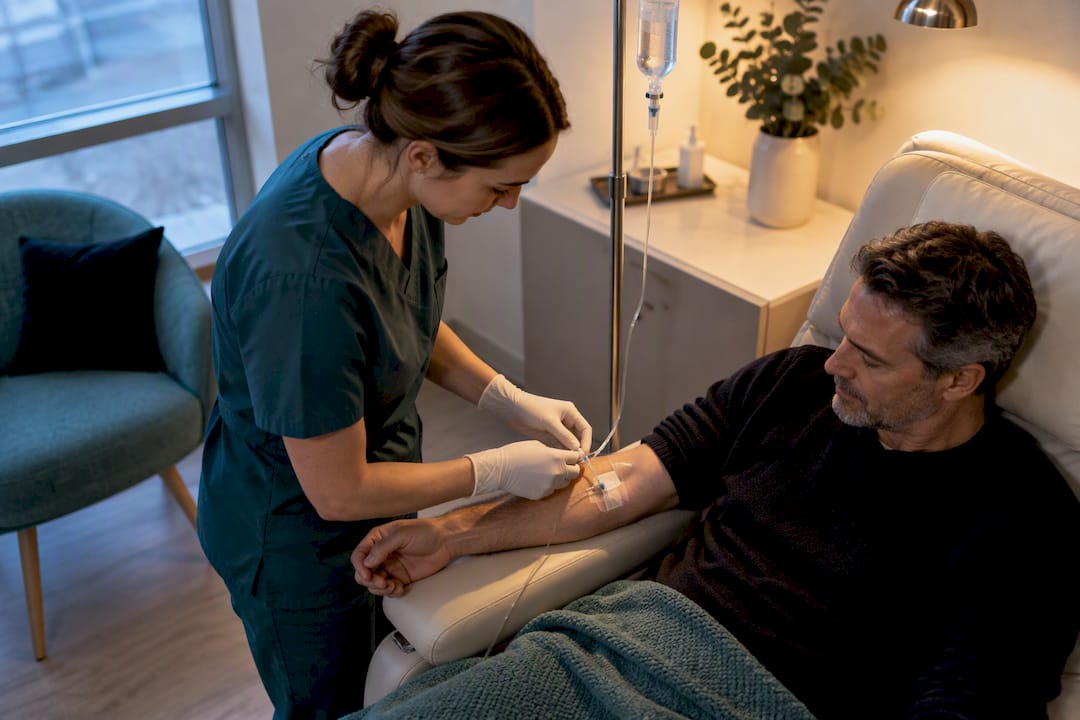
For treatments such as injectables, advanced skin procedures and IV therapies, patients should expect proper screening and clear explanation. If a clinic also offers broader wellbeing support, such as blood tests or consultation-led health optimisation, regulation can become even more relevant because the line between aesthetics and medical care is not always neat.
That is one reason more discerning patients are actively looking for a CQC-registered aesthetic clinic rather than choosing on price or social media popularity alone. They want reassurance that the setting reflects the seriousness of the treatments being performed.
Luxury and medical standards should work together
Some patients worry that a highly clinical environment will feel cold or impersonal. In reality, the best premium clinics bring both worlds together.
You should feel comfortable, listened to and looked after, but also confident that your care is being delivered with structure and discipline. Luxury in aesthetics should never mean softness around standards. It should mean a calm, discreet and elevated patient experience built on proper medical foundations.
For busy professionals and image-conscious clients, that combination is often exactly what they are looking for. They want visible improvement, but they also want privacy, efficiency and confidence in the people treating them. A premium clinic should deliver all of that without ever making treatment feel casual.
In central London, where choice is extensive and presentation can be persuasive, credentials matter. A refined setting is valuable, but only when it is matched by clinical integrity.
Not every patient needs the same kind of treatment plan
One of the clearest signs of a quality clinic is its willingness to individualise care. Two patients may both ask for the same treatment and need completely different advice.
A patient concerned about early signs of ageing may benefit from subtle anti-wrinkle treatment and skin support. Another with volume loss, dullness and changes in skin texture may need a more layered plan that addresses structure, skin quality and maintenance over time. Someone focused on hair thinning or body contouring may need a very different pathway again.
This is where a consultation-led model becomes valuable. It moves the conversation away from trends and towards suitability. It also allows a clinic to think more holistically. Good aesthetic care is not always about adding or removing volume. Sometimes it is about skin health, circulation, inflammation, recovery time, confidence or the way several small improvements work together.
That broader perspective is often what patients mean when they say they want natural results. They are not necessarily asking for less treatment. They are asking for treatment that makes sense on them.
How to assess a clinic beyond the label
CQC registration is an important signal, but it should be part of a wider assessment. Patients should still pay attention to how a clinic communicates, how consultations are handled and whether recommendations feel personalised.
Look for a setting where your concerns are explored properly and where there is clear medical oversight behind treatment planning. Notice whether the practitioner listens carefully or steers every conversation towards the same service. Consider whether the clinic talks about long-term outcomes, maintenance and suitability, not only before-and-after moments.
Affiliations, training and professional standards also matter. So does transparency. If a clinic is genuinely patient-centred, it will not pressure you into immediate treatment or make exaggerated promises. It will help you understand what is achievable, what is sensible and what is worth waiting for.
At The Aesthetics Room, this medically led, bespoke approach is central to the patient journey. Treatments are planned around the individual, with safety, natural results and confidence-building care guiding every decision.
Choosing an aesthetic clinic is ultimately about more than credentials, yet credentials shape the environment in which everything else happens. If you want care that feels refined, responsible and tailored to you, a CQC-registered aesthetic clinic is not simply a reassuring extra. It is a smart place to start, especially when your face, skin and confidence are involved.