
TL;DR:
- Hyperpigmentation in women aged 25-45 results from hormones, UV exposure, and inflammation.
- Proper diagnosis, consistent sun protection, and bespoke treatment plans are essential for effective results.
- Long-term maintenance with active routines and professional care is vital for lasting clear skin.
Persistent dark patches have a way of denting confidence, especially when concealers stop working and filters only go so far. For women in London aged 25 to 45, hyperpigmentation is one of the most common skin concerns we see, and one of the most misunderstood. The city’s mix of pollution, UV exposure, and hormonal pressures creates a perfect storm for uneven skin tone. The good news is that understanding pigmentation has advanced significantly, and evidence-backed, bespoke treatment plans now exist for every skin tone and lifestyle. This guide walks you through everything: causes, preparation, treatment options, and what to expect from a luxury London clinic.
Table of Contents
- Understanding hyperpigmentation and its causes
- Preparation: Essential steps before starting treatment
- The hyperpigmentation treatment toolbox: Topicals, procedures and advanced options
- Common mistakes and how to troubleshoot
- What to expect: Results, maintenance and selecting a London luxury clinic
- Our expert take: What most guides miss about hyperpigmentation in London
- Your next step: Luxury hyperpigmentation care in London
- Frequently asked questions
Key Takeaways
| Point | Details |
|---|---|
| Diagnosis matters | Professional assessment helps choose the safest, most effective treatment for your unique skin tone and type. |
| Preparation is crucial | Daily SPF 50+ and gentle skincare build the foundation for any successful pigmentation routine. |
| Combine treatments for best results | Bespoke regimens using topicals and professional procedures deliver the safest and most noticeable improvement. |
| Maintenance prevents relapse | Ongoing sun protection and reviews are key to keeping pigmentation at bay long-term. |
Understanding hyperpigmentation and its causes
Hyperpigmentation is a broad term describing any area of skin that appears darker than the surrounding tone. It occurs when melanocytes, the cells responsible for skin colour, produce excess melanin. That excess can sit in the upper layers of the skin (epidermal) or deeper within the dermis, and this distinction matters enormously for choosing the right treatment.
The three types most relevant to women in the 25 to 45 age group are:
- Melasma: Symmetrical patches, often on the cheeks, forehead, and upper lip. Strongly linked to hormonal changes including pregnancy, the contraceptive pill, and perimenopause. Melasma is especially common in women aged 25 to 45 and results from excess melanin triggered by UV exposure, hormones, and inflammation.
- Post-inflammatory hyperpigmentation (PIH): Dark marks left after acne, eczema, or any skin trauma. More pronounced in medium to deep skin tones.
- Solar lentigines: Flat, well-defined spots caused by cumulative sun exposure. Often appear from the mid-thirties onward.
The epidermal versus dermal distinction is critical. Epidermal pigmentation responds well to topical treatments and superficial peels. Dermal pigmentation, which sits deeper, requires more targeted procedures and longer treatment cycles. Treating the wrong depth with the wrong method can stall progress or worsen the condition.
| Type | Primary trigger | Skin layer affected | Responds to topicals? |
|---|---|---|---|
| Melasma | Hormones, UV | Epidermal or mixed | Yes, with patience |
| PIH | Inflammation, trauma | Epidermal | Yes, well |
| Solar lentigines | Cumulative UV | Epidermal | Moderately |
| Dermal melasma | Hormones, UV | Dermal | Partially |
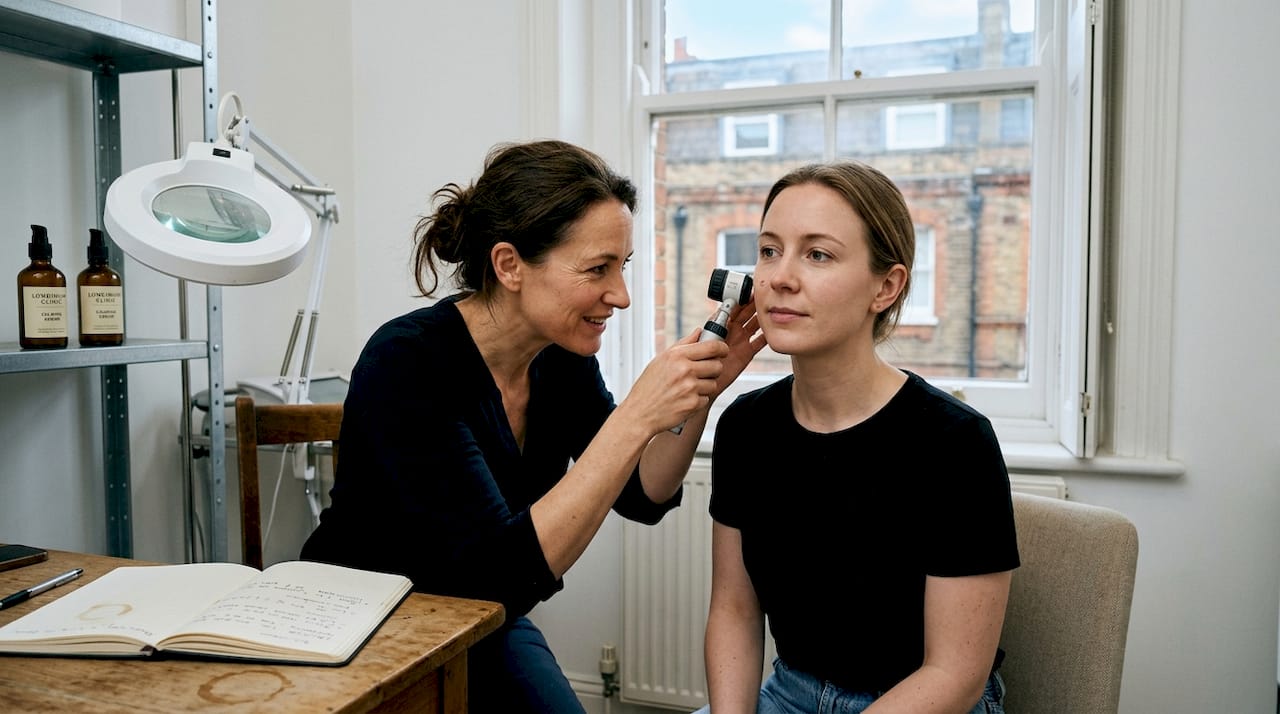
Accurate diagnosis before treatment is non-negotiable. Digital analysis and dermoscopic examination, tools used by specialist skin clinics, allow practitioners to assess pigment depth precisely. Without this, you risk investing in treatments that simply will not reach the right layer.
Preparation: Essential steps before starting treatment
Once you understand your pigmentation’s root causes, the foundation to effective and lasting results starts with careful preparation. Skipping this phase is one of the most common reasons treatments underperform.
The first step is always a confirmed diagnosis. Visit a GP, dermatologist, or a qualified London pigmentation specialist before committing to any active treatment. Self-diagnosing and purchasing aggressive actives without knowing your pigment depth can cause more harm than good, particularly for darker skin tones.
Sun protection is not optional. It is the single most important daily habit for anyone managing hyperpigmentation. Broad-spectrum tinted SPF 50+ is essential year-round, including indoors, because UVA rays penetrate glass. This applies every single day in London, regardless of cloud cover.
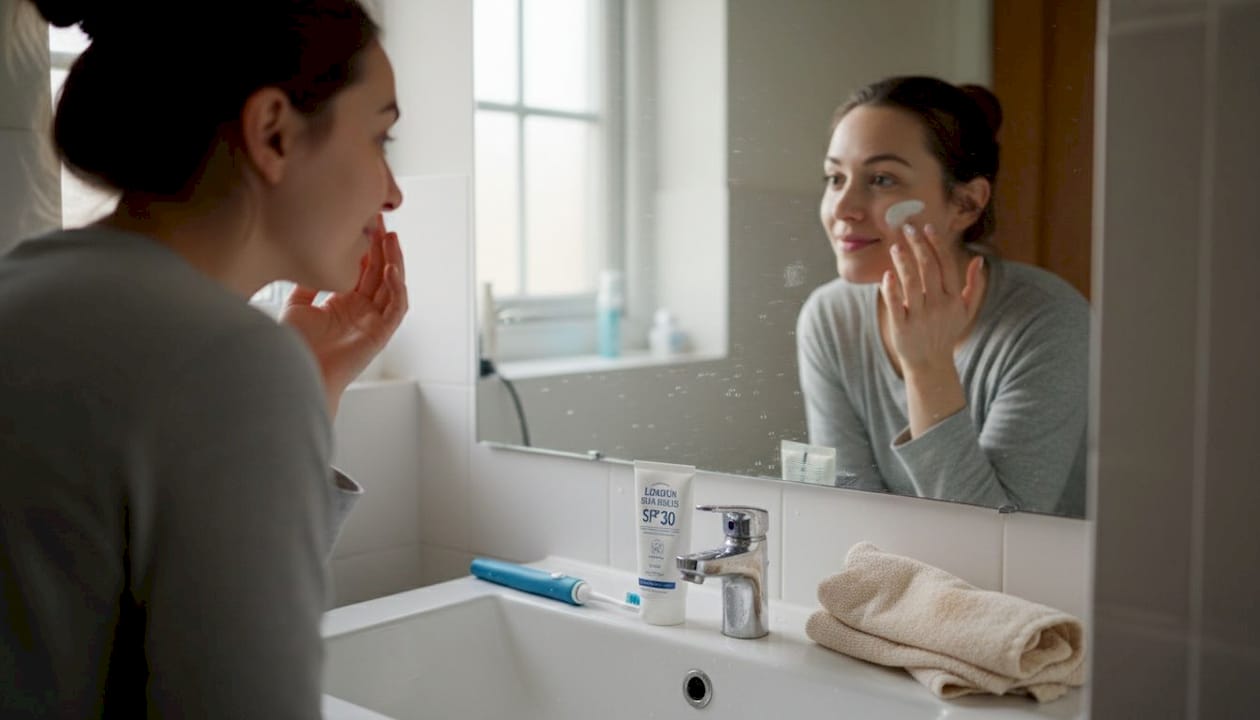
Pro Tip: London’s overcast skies are deceptive. UVA radiation, the type that directly stimulates melanin production, passes through window glass and cloud. Apply SPF 50+ every morning as the final step in your skincare routine, even if you plan to stay indoors.
Before starting any active treatment, build this essential routine:
- A gentle, non-foaming cleanser that does not disrupt the skin barrier
- A tinted, broad-spectrum SPF 50+ applied every morning
- Avoidance of known irritants: fragranced products, physical scrubs, and excessive heat
- A period of barrier repair if the skin is sensitised or reactive
For personalised treatment planning, digital dermoscopy helps determine whether pigmentation is epidermal or dermal, which directly informs the choice of topicals and procedures. For skin of colour, this step is especially important because the risk of PIH from aggressive treatment is significantly higher. A minimum of six weeks of preparation with SPF and barrier support is typically recommended before introducing any active ingredient.
Never begin laser treatments, aggressive peels, or high-strength actives before completing a proper preparation phase. For hormonal melasma or darker skin tones, rushing this step dramatically increases the risk of worsening pigmentation.
The hyperpigmentation treatment toolbox: Topicals, procedures and advanced options
With your skin prepared and assessed, you can choose and combine the most effective, evidence-backed treatments for your needs.
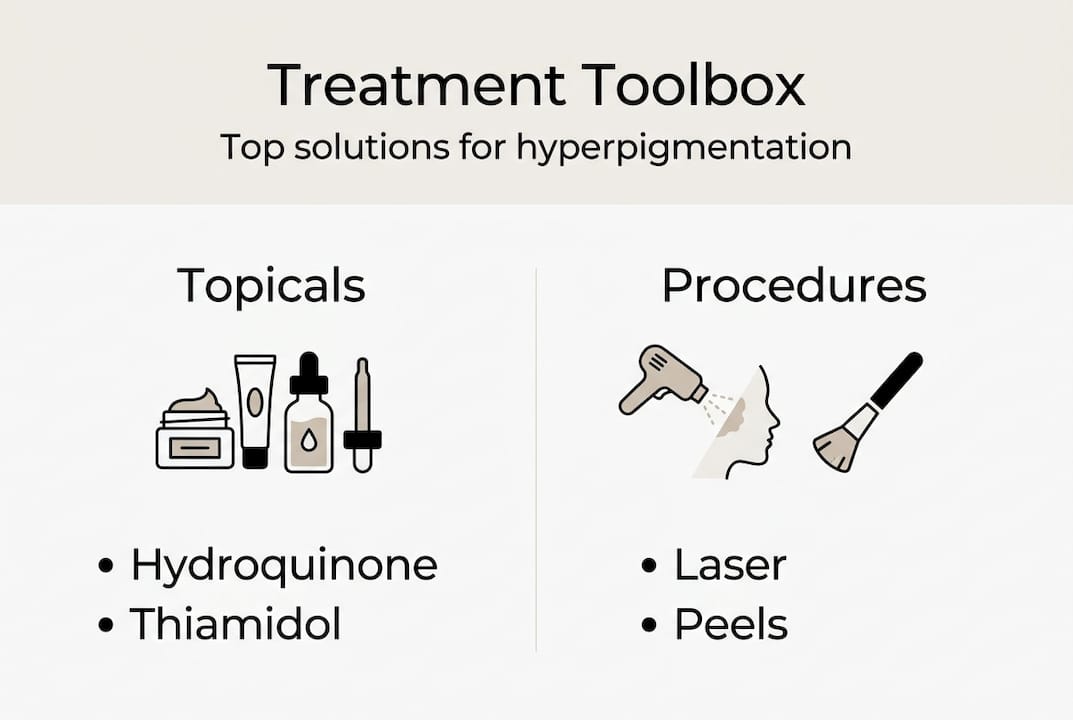
Topical treatments remain the gold standard for most types of hyperpigmentation. Hydroquinone 4%, available on prescription, works by inhibiting tyrosinase, the enzyme responsible for melanin production. It is typically cycled in six to eight week periods to minimise the risk of ochronosis, a rare but permanent darkening. It is often combined with tretinoin and a mild steroid, as in formulations such as Pigmanorm, for enhanced results. Azelaic acid at 15 to 20% is a gentler alternative and is safe to use during pregnancy.
Newer alternatives are showing strong clinical results. Thiamidol 0.2% cream reduced the modified Melasma Area and Severity Index (mMASI) by 36.1% compared to 16.1% for vehicle at 12 weeks in a randomised controlled trial of 196 participants. Tranexamic acid and niacinamide have also demonstrated efficacy comparable to hydroquinone, with fewer side effects and a lower relapse rate.
| Ingredient | Efficacy | Safe in pregnancy? | Relapse risk |
|---|---|---|---|
| Hydroquinone 4% | High | No | Moderate |
| Azelaic acid 15-20% | Moderate to high | Yes | Low |
| Thiamidol 0.2% | High (RCT-backed) | Limited data | Low |
| Tranexamic acid | Moderate to high | Consult GP | Low |
| Niacinamide | Moderate | Yes | Low |
For procedural treatments, a numbered approach helps clarify the progression:
- Superficial chemical peels: Glycolic or lactic acid peels for epidermal pigmentation. Explore chemical peel options tailored to your skin type.
- Microneedling: Stimulates collagen and enhances topical absorption. Suited to PIH and textural concerns.
- Gentle laser and light therapies: Q-switched Nd:YAG and low-fluence lasers for suitable candidates, always with a patch test.
- Combination protocols: Luxury clinics build bespoke plans that layer topicals with procedures for maximum, sustained results. Explore skin rejuvenation benefits as part of a broader approach.
Pro Tip: Overtreatment is a real risk. Excessive friction, heat, or aggressive lasers can trigger inflammation and worsen pigmentation, particularly in Fitzpatrick skin types IV to VI. More is not always better.
Common mistakes and how to troubleshoot
Even with the best clinical care, hyperpigmentation is notorious for relapses. Understanding what not to do is just as important as following the right steps.
The most frequent errors we see include:
- Skipping SPF: Even one unprotected day can undo weeks of treatment progress.
- Starting lasers too soon: Without adequate preparation, laser energy can trigger inflammation and deepen pigmentation.
- Overusing actives: Layering multiple strong ingredients simultaneously damages the skin barrier and can cause PIH.
- Friction and heat: Tight headwear, hot showers, and vigorous towel drying all stimulate melanocytes.
- Stopping too early: Most topical regimens require a minimum of 12 weeks before accurate progress can be assessed.
Lasers and IPL often worsen melasma via inflammation, particularly in darker skin tones or when hormonal triggers are still active. They should not be considered a first-line option. For hormonal melasma, topicals and rigorous photoprotection remain the most reliable approach.
If you are experiencing slow or relapsing results, consider these troubleshooting strategies:
- Review your SPF application: quantity and frequency both matter
- Assess whether hormonal triggers (pill, pregnancy, HRT) are still active
- Request a dermoscopic review to reassess pigment depth
- Ask about peel safety adjustments if peels have caused irritation
- Explore safe cosmetic procedures suited to your current skin condition
Relapse is common with melasma and PIH. The right maintenance strategy, not a more aggressive treatment, is what makes the difference long-term.
What to expect: Results, maintenance and selecting a London luxury clinic
You have mastered preparation, treatment, and troubleshooting. Now, here is what you can realistically expect as you work towards radiant, even-toned skin.
Topical treatments typically show noticeable improvement within six to twelve weeks, with full results emerging after three to six months of consistent use. Procedural protocols, such as peels or laser sessions, usually span four to six appointments spaced several weeks apart. Hydroquinone delivers 60 to 80% improvement in clinical studies, while thiamidol, tranexamic acid, and niacinamide offer comparable benefits with a more favourable safety profile.
Features of a reputable London luxury clinic include:
- Digital dermoscopic analysis to assess pigment depth before treatment
- Bespoke, layered treatment plans combining topicals and procedures
- Demonstrated safety protocols for all skin tones, including Fitzpatrick IV to VI
- Transparent pricing and realistic outcome expectations
- Robust aftercare and maintenance planning
Leading London clinics include Thomas Clinic for topicals and lasers, Continental Skin for ToneTX multi-layer laser at £354 per session, Skinhorizon for dermoscopy combined with Q-switch, and Thames Skin for Excel V+ peels. Each offers a different combination of technologies and expertise.
| Treatment | Typical duration | Approximate cost | Best suited to |
|---|---|---|---|
| Topical prescription plan | 3 to 6 months | £80 to £200 per month | All types, first-line |
| Superficial chemical peel | 4 to 6 sessions | £100 to £300 per session | Epidermal PIH, lentigines |
| Laser (Q-switch/ToneTX) | 4 to 6 sessions | £300 to £600 per session | Epidermal melasma, lentigines |
| Microneedling | 3 to 4 sessions | £200 to £400 per session | PIH, textural concerns |
Maintenance is lifelong for chronic cases. Daily SPF, seasonal specialist reviews, and a simplified active routine between treatment cycles are the pillars of long-term success. This is not a one-and-done process. It is a relationship with your skin.
Our expert take: What most guides miss about hyperpigmentation in London
Most online guides treat hyperpigmentation as a product problem. Buy the right serum, apply it consistently, and watch it fade. In our experience, that framing misses the bigger picture entirely.
London’s climate, diverse population, and the hormonal realities of women aged 25 to 45 create a specific set of challenges that international influencer advice rarely addresses. The city’s low-angle winter UV is still damaging. Pollution accelerates oxidative stress. And hormonal melasma, the most common type we see, does not respond to gadgets. It responds to photoprotection, the right topicals, and patience.
The uncomfortable truth is that lasting improvement requires a lifelong commitment. Bespoke planning, including digital diagnosis and a considered mix of topicals and procedures, is worth every penny. Global consensus, backed by clinical evidence, prioritises photoprotection and topicals before any device-based treatment. We stand firmly behind that approach.
Explore realistic rejuvenation strategies that reflect this evidence-led thinking.
Pro Tip: Choose your clinic as much for their aftercare and prevention focus as for their range of treatments. A clinic that invests in your long-term skin health is worth far more than one that simply sells you sessions.
Your next step: Luxury hyperpigmentation care in London
If you are ready for clear, confident skin tailored to your unique needs, expert-led luxury care is the most reliable path to lasting results.

At The Aesthetics Room, we offer individualised pigmentation plans built around digital assessment, bespoke topical protocols, and carefully selected procedures suited to your skin tone and lifestyle. Our Knightsbridge clinic combines advanced technology with the highest standards of safety, accredited by the CQC and backed by the ACE Group. Whether you are exploring your first treatment or seeking a more sophisticated approach, we are here to guide you. You might also benefit from combining pigmentation care with dermal fillers or broader full rejuvenation guidance for a truly holistic result.
Frequently asked questions
What is the safest way to treat hyperpigmentation for skin of colour?
The safest approach uses tailored topicals, daily SPF 50+, and avoids aggressive lasers or peels that may trigger further darkening. IPL and aggressive lasers carry a significant PIH risk in darker skin tones and should not be used as a first-line treatment.
How long until I see results from hyperpigmentation treatment?
Noticeable improvement typically takes six to twelve weeks with consistent topical treatment and daily sun protection, with procedural protocols spanning four to six sessions.
Can I prevent hyperpigmentation from coming back?
Lifelong maintenance with daily broad-spectrum SPF, gentle skincare, and seasonal specialist reviews significantly reduces the risk of relapse, especially for hormonal melasma.
Are in-clinic procedures better than at-home treatments?
Clinic-based treatment offers personalised diagnosis, higher-grade actives, and safer procedures for stubborn or complex cases. London luxury clinics such as Continental Skin and Skinhorizon combine dermoscopy with advanced laser technology for superior, tailored outcomes.