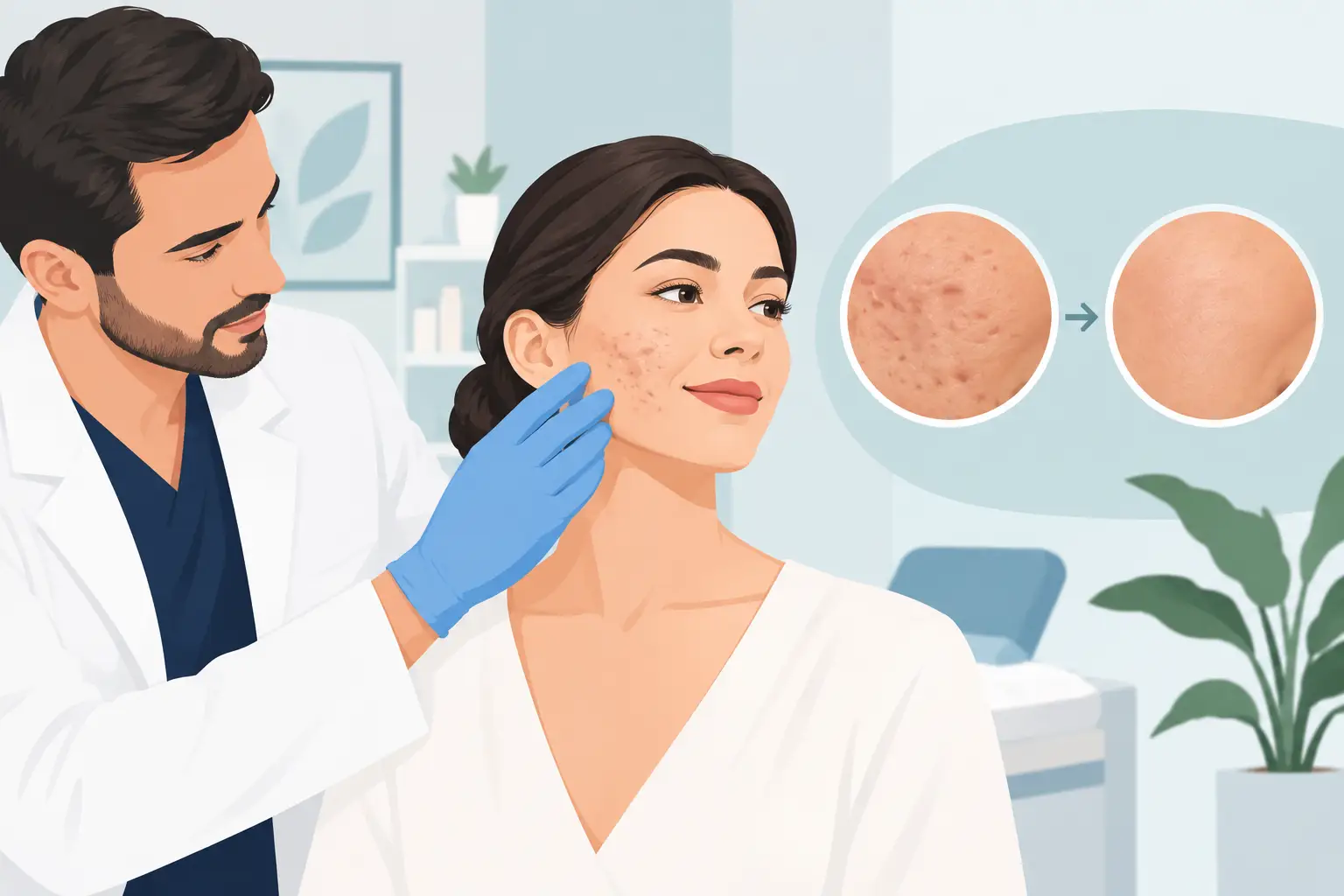
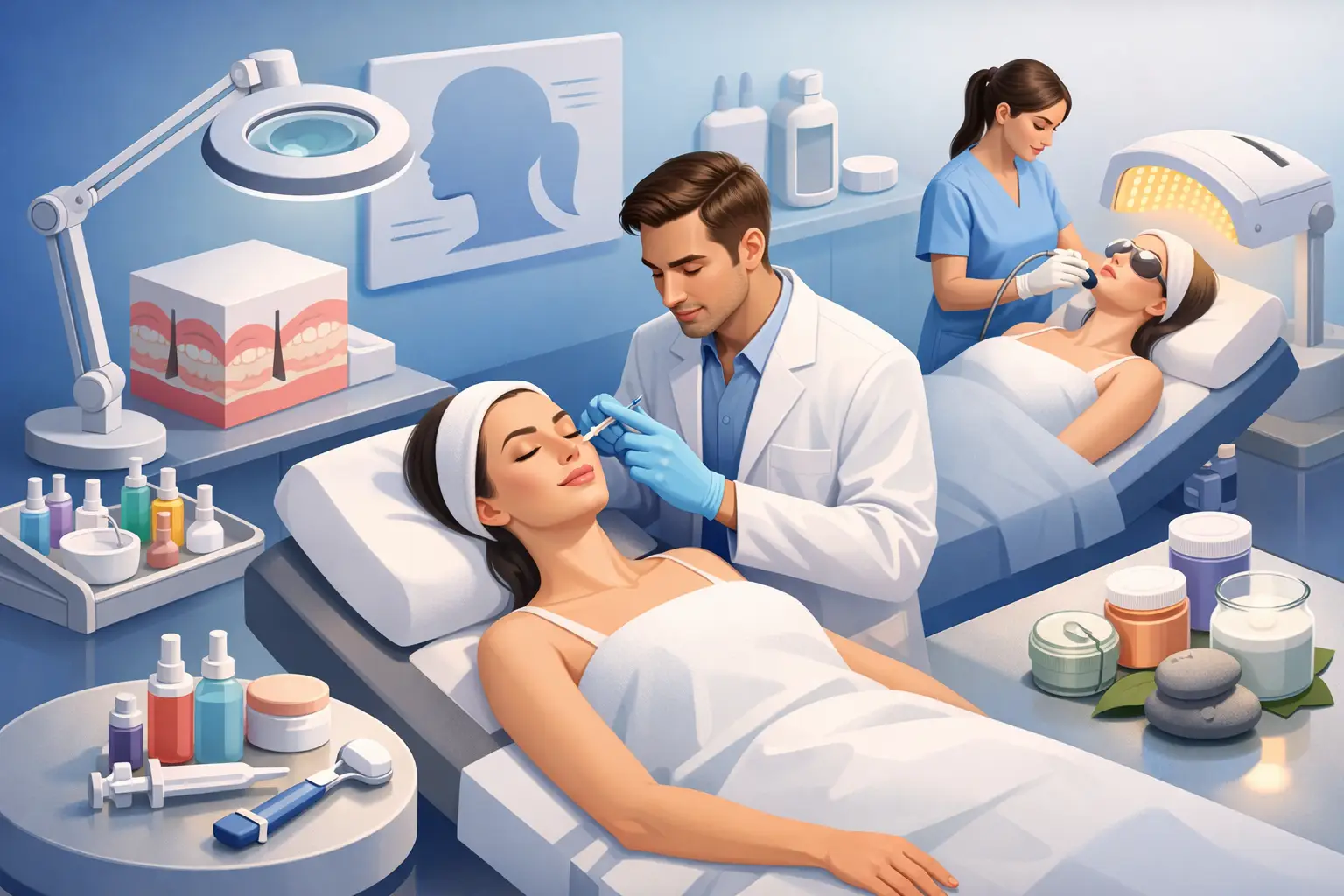

You rarely need “more done”. More often, you need the right treatment in the right place, at the right time. That is what makes a guide to non surgical facial rejuvenation genuinely useful – not a list of trends, but a clear way to understand how subtle, medically led treatments can refresh the face without making you look unlike yourself.
For most patients, the goal is not to erase every line or chase a different face altogether. It is to look brighter, better rested, and more like the version of yourself that still matches your energy and confidence. Non-surgical facial rejuvenation can do that exceptionally well, but only when the plan is personalised. One size does not fit all, and neither should aesthetic treatment.
What non surgical facial rejuvenation actually means
Non-surgical facial rejuvenation refers to treatments that improve visible signs of ageing and skin quality without surgery or a lengthy recovery period. Depending on your concerns, that may involve softening dynamic lines, restoring strategic volume, improving skin texture, supporting collagen production, or combining treatments to improve overall facial harmony.
This distinction matters because facial ageing is rarely caused by one thing alone. Fine lines may be linked to movement, but they can also appear more pronounced when skin is dehydrated or crepey. Jowling may be related to volume loss, skin laxity, or changes in the lower face over time. Dullness can come from pigmentation, congestion, stress, lifestyle factors, or a decline in skin turnover. Treating a single symptom in isolation can help, but it may not create the polished, natural result most patients want.
That is why the best approach is usually full-face assessment rather than treatment-by-treatment shopping.
A practical guide to non surgical facial rejuvenation options
The most suitable treatment depends on what is driving the concern. Anti-wrinkle injections are often chosen when expression lines around the forehead, frown area or crow’s feet become more noticeable. Used well, they do not need to create a frozen appearance. The aim is typically to soften excessive movement while preserving natural expression.
Dermal fillers work differently. They are used to restore volume, improve facial proportions and support areas that have started to look tired or less defined. This may include the cheeks, chin, jawline, temples, lips or lower face. In experienced hands, filler is not about overfilling. It is about structure, support and refinement.
Skin treatments are another key part of rejuvenation, especially for patients whose main concern is quality rather than shape. If your skin looks dull, uneven, congested or tired, injectables alone may not be the answer. Depending on your skin, treatments that stimulate renewal and improve tone and texture can have a significant effect on how fresh and healthy the face appears.
For some patients, collagen-stimulating treatments are the most valuable option because they focus on gradual improvement. Rather than creating an immediate volumising effect, these treatments support the skin’s own regenerative processes over time. They can be particularly useful when the goal is natural improvement rather than a visibly treated look.
The important point is that these categories often work best together. Someone with early ageing changes may benefit from a small amount of anti-wrinkle treatment and a skin programme. Someone with more visible volume loss may need structural support first, then skin optimisation. Someone else may be better advised to delay injectable treatment and focus on skin health, lifestyle and overall facial balance.
Why a bespoke plan matters more than the treatment menu
Two patients can arrive with the same complaint – “I look tired” – and need completely different solutions. One may have tear trough shadowing, another may have mid-face volume loss, and another may simply have dehydrated, stressed skin with strong muscle movement around the eyes. If all three receive the same treatment, at least two are unlikely to be happy with the result.
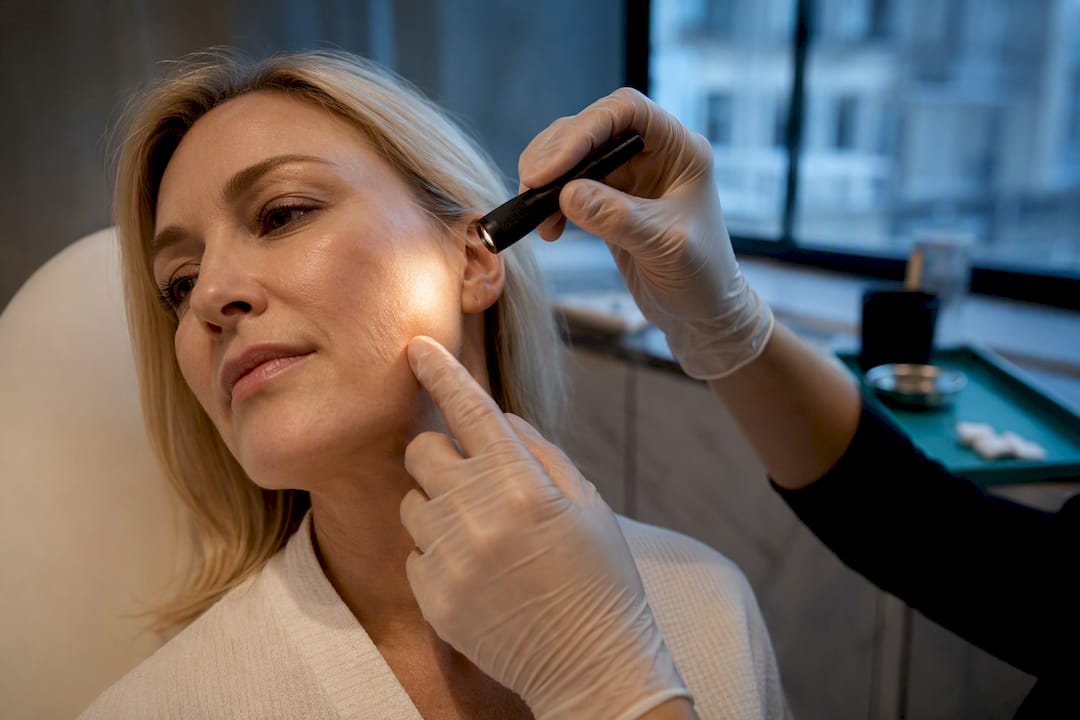
This is where consultation-led care becomes essential. A medically led assessment should look at facial anatomy, skin condition, movement patterns, medical history, treatment history and the result you actually want. It should also include what not to treat. That is often the mark of a high-quality clinic: the willingness to say no to a treatment that is unlikely to serve you well.
A bespoke plan also respects pace. Not every face should be treated in one appointment, and not every concern needs immediate correction. Sometimes the most elegant result comes from staged treatment over several visits, allowing changes to settle naturally and keeping the outcome discreet.
Safety should never be the afterthought
Aesthetic treatments may be non-surgical, but they are still medical procedures. That should shape how you choose your practitioner. The standard of assessment, product selection, anatomy knowledge, hygiene and aftercare all influence not only your result, but your safety.
In a premium clinical setting, safety is not presented as a marketing extra. It is the foundation of treatment. Patients should expect a thorough consultation, realistic discussion of outcomes, clear explanation of risks, and a treatment plan designed around suitability rather than sales pressure.
This matters especially with facial rejuvenation, where poor technique can create obvious, unnatural results or, more seriously, complications that require urgent medical management. If a provider cannot explain why a treatment is right for your face, how it will age over time, and what alternatives exist, that is worth paying attention to.
How to choose the right starting point
If you are new to aesthetics, it is easy to assume you need the treatment you hear about most often. In practice, the right starting point is usually the area making the biggest difference to your overall appearance.
For some, that is the upper face. Softening frown lines and crow’s feet can create a more rested, approachable appearance very quickly. For others, the key issue is volume loss through the cheeks or changes around the mouth and jawline. In those cases, structural support may have more impact than treating lines alone.
There are also many patients who do not need volume at all. They need brighter skin, more even texture, or a plan that supports long-term skin health. A sophisticated approach to facial rejuvenation looks beyond isolated lines and considers the skin as part of the final result. Smooth contours do not look truly refreshed if the skin itself appears neglected.
That is one reason many leading clinics now take a broader view of optimisation. At The Aesthetics Room, this principle is reflected in a more holistic, personalised approach, because the best aesthetic outcomes are rarely created by a single syringe or one appointment.
What natural-looking results really involve
“Natural” is one of the most overused words in aesthetics, but patients are right to prioritise it. The difficulty is that natural-looking results do not come from using less product by default. They come from using treatment with judgement.
A natural result respects your facial proportions, movement and character. It does not flatten everything. It does not chase perfection under harsh lighting or magnified mirrors. It considers how you look in conversation, in daylight, at work and in photographs.
This is where restraint matters. Over-treatment often happens when each area is corrected separately without considering the whole face. A line is filled because it is visible, a lip is enhanced because volume has reduced, a jawline is sharpened because definition has softened. Each decision may seem reasonable on its own. Together, they can create a face that looks treated rather than refreshed.
A more refined plan asks a better question: what change will create the greatest improvement with the least intervention?
Expectations, maintenance and the reality of results
Non-surgical rejuvenation can produce impressive change, but it does have limits. It can refresh, rebalance and improve. It cannot replicate surgical lifting in someone with more advanced skin laxity, and it cannot stop the ageing process altogether.
That is not a drawback so much as a reason to be realistic. The strongest outcomes often come from maintenance rather than correction at crisis point. Smaller, well-timed treatments tend to look more elegant than sudden, heavy intervention after years of change.
It is also worth understanding that different treatments behave differently. Some give a faster visible effect, while others develop more gradually. Some require regular maintenance, while others form part of a longer-term skin strategy. Good practitioners explain this clearly so expectations stay aligned with what is achievable.
Is non surgical facial rejuvenation worth it?
For the right patient, yes – particularly when the aim is subtle enhancement, minimal downtime and a personalised approach that supports confidence as much as appearance. The value lies not simply in looking younger, but in looking more rested, healthy and in keeping with how you feel.
The best results are rarely dramatic. They are the sort that make people ask whether you have been away, changed your skincare, or finally caught up on sleep. That is often the sweet spot.
If you are considering treatment, start with a proper consultation rather than a pre-selected procedure. A thoughtful plan, grounded in safety and tailored to your face, will almost always outperform a fashionable treatment chosen in isolation.
A well-judged refresh should never announce itself. It should simply help your reflection feel like you again, on a very good day.