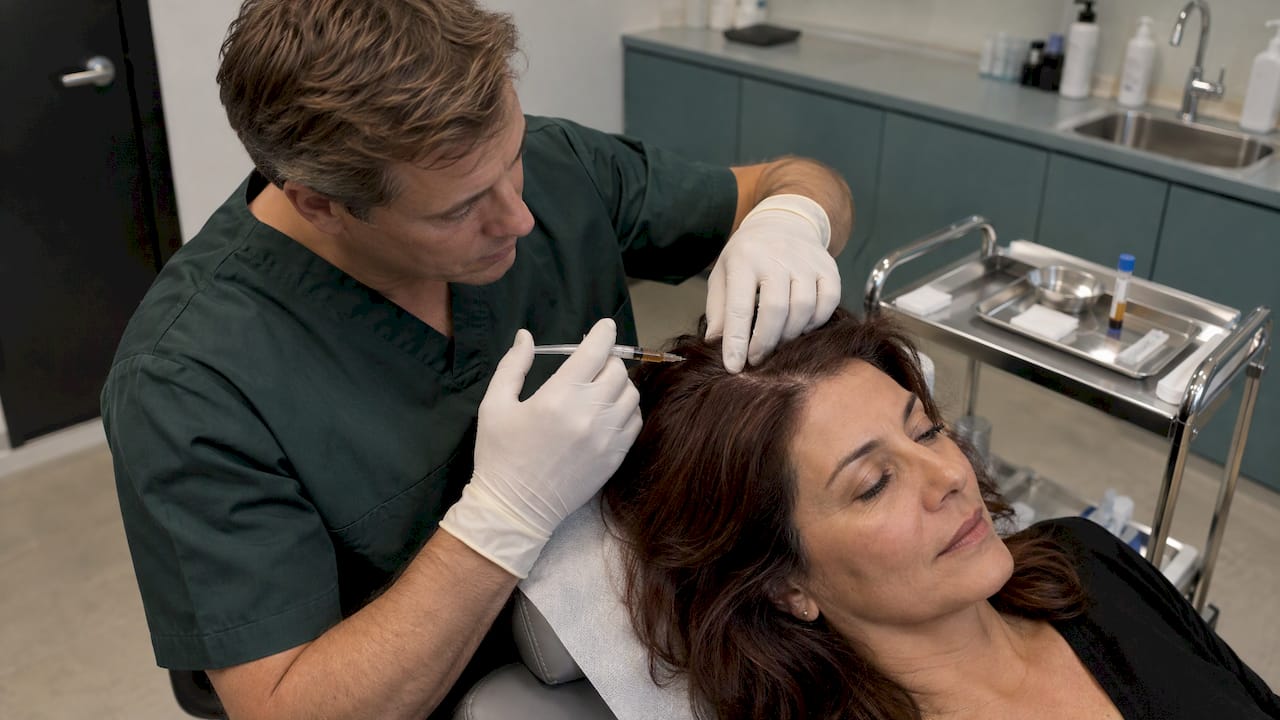


Dermal filler should leave you looking refreshed, not as though you have had something ‘done’. Once swelling has settled and the result feels like you, it is natural to want to preserve it. Knowing how to maintain filler results starts with realistic expectations: fillers are gradually metabolised by the body, and longevity depends as much on the product, placement and your individual biology as it does on aftercare.
A thoughtful treatment plan is therefore more valuable than chasing a single longevity promise. At a medically led clinic, filler is selected and placed to support your facial anatomy, movement and skin quality. The goal is a refined result that remains balanced as it softens over time – then is reviewed and maintained with restraint.
Start with the right treatment plan
The most effective way to make filler results last well begins before treatment. Different dermal fillers are designed for different purposes. A softer product may be chosen for subtle lip hydration or fine lines, while a firmer gel can provide considered structural support in areas such as the cheeks, chin or jawline. Using the right product in the right plane matters more than simply using more product.
Your practitioner should assess facial proportions, skin quality, previous treatments, medical history and the way your face moves. An experienced injector will also explain where filler is likely to settle beautifully and where a lighter approach, alternative treatment or no treatment at all may be more appropriate.
It is worth remembering that longevity varies. Lip filler often metabolises sooner than filler placed in areas with less movement, while highly active metabolisms, frequent exercise and individual tissue characteristics can all influence how long an effect is visible. Many patients enjoy results for several months, and some areas may hold their effect longer, but no ethical practitioner should guarantee an exact timeframe.
The first two weeks shape your settled result
The immediate post-treatment period is about allowing the area to settle without unnecessary pressure, heat or irritation. Follow the aftercare advice provided by your practitioner, as this will be tailored to the areas treated and your clinical needs.
For the first 24 to 48 hours, it is usually sensible to avoid strenuous exercise, excessive heat, saunas, steam rooms and alcohol. These can increase flushing and swelling. Avoid rubbing, massaging or pressing on treated areas unless your practitioner has specifically advised you to do so. Facial treatments, dental work and intense heat-based procedures may also need to be postponed for a short period, particularly after lower-face or lip filler.
Mild swelling, tenderness and bruising can occur. A cool compress may feel soothing, provided it is not pressed firmly against the skin. Sleeping with your head slightly elevated can also help minimise swelling during the first night or two.
Do not judge your final result too soon. Lips can look particularly swollen at first, and small asymmetries may simply reflect uneven swelling. Give the tissue time to settle before deciding whether any adjustment is needed. A planned review offers a safer, more measured way to assess the outcome.
Know when to contact your practitioner urgently
Most short-term effects are mild and temporary, but safety always comes first. Contact your treating clinic immediately if you experience increasing or severe pain, skin that becomes unusually pale, dusky, mottled or cool, or any change in vision. These symptoms require urgent clinical assessment. Choosing a qualified, medically trained practitioner with appropriate protocols is central to responsible filler care.
Protect skin quality around the filler
Filler restores or refines volume, but it cannot replace good skin health. Skin that is hydrated, protected and supported tends to reflect light more evenly, helping your result look fresh rather than overfilled. This is one reason a holistic approach often delivers a more elegant outcome than filler alone.
Daily broad-spectrum SPF is one of the most worthwhile habits for preserving the quality of the skin. UV exposure accelerates collagen breakdown and can contribute to pigmentation, dehydration and loss of elasticity. Use sun protection consistently, including on overcast days and throughout the year.
A simple, well-chosen skincare routine is equally valuable. Gentle cleansing, hydration and ingredients that support the skin barrier can be highly effective. Where suitable for your skin, practitioner-led use of retinoids, vitamin C or other active products may support texture and collagen over time. The right routine depends on sensitivity, pigmentation concerns, acne history and whether you are having other treatments, so it should not be copied blindly from social media.
Professional skin treatments can also complement filler when timed appropriately. Treatments focused on hydration, texture, collagen stimulation or pigmentation may improve the canvas around restored volume. At The Aesthetics Room, this thinking is reflected in bespoke planning and our 7 pillar skin optimisation protocol, which considers skin health alongside aesthetic enhancement rather than treating each concern in isolation.
Support the lifestyle factors you can control
You cannot stop the body metabolising filler, nor should you try to. However, looking after your overall wellbeing can help you maintain healthy-looking skin and avoid the cycle of treating volume loss while neglecting the factors that affect complexion and tissue quality.
Prioritise consistent sleep, adequate hydration and a balanced diet with sufficient protein and micronutrients. Smoking is particularly relevant: it can impair skin quality, accelerate collagen loss and contribute to a duller complexion. Reducing smoking or stopping altogether benefits far more than the appearance of filler.
Exercise remains an important part of a healthy lifestyle. There is no reason to avoid it long term after dermal filler, although very intense training may be associated with faster metabolism for some people. This is not a reason to compromise your health routine. It simply means your maintenance plan may need to be adjusted to your individual response rather than compared with somebody else’s.
Stress management matters too. Persistent stress can affect sleep, inflammation, skin behaviours and how we perceive our appearance. Aesthetic treatment should support confidence, not create pressure to pursue perfection at every review.
How to maintain filler results with sensible reviews
The most natural-looking filler is often maintained gradually. Rather than waiting until all volume has disappeared and then having a larger correction, many patients prefer periodic reviews. These appointments allow your practitioner to assess what has genuinely changed, whether the original concern has returned, and whether a small top-up is appropriate.
A review does not automatically mean more filler. Sometimes the best recommendation is to wait. In other cases, skin treatment, anti-wrinkle injections or a change in skincare may address the concern more effectively than adding volume. This is especially important in mobile areas or when repeated filler could compromise definition.
Bring photographs from before your first treatment if you have them. They can provide useful context when assessing subtle changes over time. Your face will continue to age naturally, and lighting, weight changes, stress and skin condition can all affect how you see your result from month to month.
Be open about any filler you have had elsewhere, including the product where known and the date it was placed. Safe treatment planning relies on an accurate picture of what is already present. If you are dissatisfied with previous filler, resist the temptation to layer more product over it without a proper assessment. In some situations, dissolving or allowing filler to settle may be safer and more aesthetically appropriate than immediate correction.
Avoid the temptation to over-treat
When a subtle result begins to soften, it can be tempting to book a top-up immediately. Yet filler that is repeatedly added without careful assessment can lead to heaviness, migration or a look that no longer reflects your features. Maintaining results is not the same as maintaining the maximum possible volume.
The best treatment plans respect proportion and allow your face to move naturally. Your practitioner should be comfortable advising against treatment when it is not in your best interests. That level of clinical judgement protects both your safety and the discreet, polished result you came for.
If you want your filler to continue looking refined, treat maintenance as a conversation rather than a routine purchase. A considered review, strong skin support and a plan built around your face will always be more valuable than adding product on a timetable.