

A good complexion is rarely the result of one facial, one active ingredient or one appointment. It is built through a considered plan that respects how your skin behaves, what has changed over time and what you would genuinely like to improve. This guide to 7 pillar skin optimisation explains the clinically led, personalised approach behind healthier-looking skin that still looks entirely like you.
For some people, the concern is persistent pigmentation after summer. For others, it is dehydration, texture, congestion, loss of firmness or a face that looks more tired than they feel. The right treatment plan does not begin with a trend. It begins with a careful assessment, realistic expectations and a clear understanding of the skin’s needs.
What is 7 pillar skin optimisation?
Seven pillar skin optimisation is a whole-skin approach rather than a single treatment menu. Each pillar addresses a different influence on skin quality, from the condition of the skin barrier to collagen levels, daily habits and the way treatment results are reviewed over time.
This matters because skin concerns seldom exist in isolation. For example, fine lines may be more visible because the skin is dehydrated, while uneven tone can make otherwise healthy skin appear dull. Treating only the most obvious concern may create a short-term improvement, but it may not deliver the balanced, natural-looking result many patients want.
At The Aesthetics Room, the protocol is designed around bespoke planning. Your treatment pathway should be proportionate to your goals, appropriate for your medical history and adaptable as your skin changes. There is no value in adding treatments simply because they are popular. Precision is more valuable than excess.
The 7 pillars of skin optimisation
1. Consultation and skin assessment
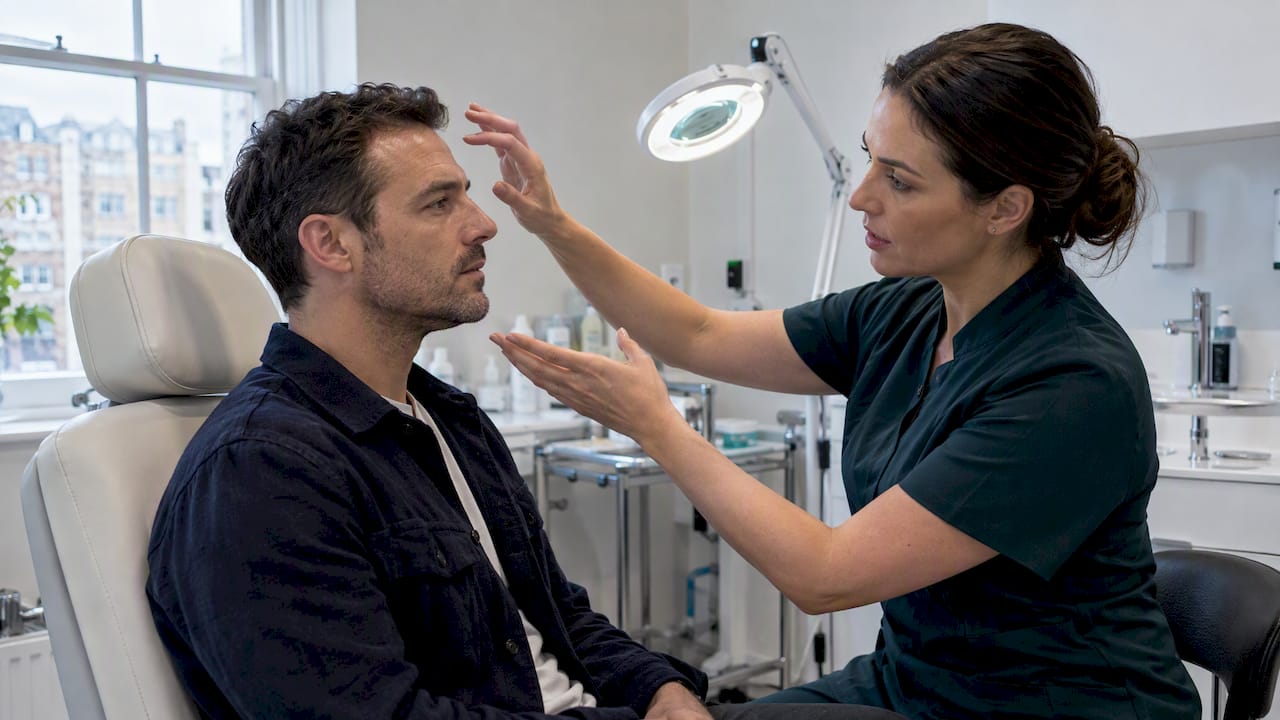
The first pillar is the one that shapes every decision afterwards. A detailed consultation considers your main concerns, previous treatments, skin routine, lifestyle factors, relevant medical history and the outcome you hope to achieve. It is also the moment to discuss whether your expectations are realistic and which concerns may need a gradual approach.
A practitioner should look beyond a single line or patch of pigmentation. They may assess hydration, texture, pore visibility, oil production, sensitivity, facial balance and signs of photoageing. This fuller picture helps distinguish what can be supported by skincare from what may benefit from clinical treatment.
2. Skin barrier health
The skin barrier is the outer protective layer that helps retain moisture and defend against environmental stressors. When it is compromised, skin can feel tight, sting easily, break out unexpectedly or look uneven beneath make-up. It can also make active skincare and in-clinic treatments harder to tolerate.
Barrier support is not necessarily glamorous, but it is often transformative. A simplified routine, appropriate cleansing, well-chosen moisturising ingredients and consistent sun protection can help the skin become calmer and more responsive. If you are using multiple acids, retinoids or exfoliating products, more is not always better. In some cases, reducing irritation is the most effective first step.
3. Hydration and nourishment
Hydration affects the way light reflects from the skin, the visibility of fine lines and the overall sense of freshness in the face. Topical hydration supports the surface, while wider wellbeing factors can influence how healthy the skin appears from day to day.
This pillar considers whether your skin needs more moisture-binding ingredients, lipid support or a change in routine during seasonal shifts. It may also be appropriate to discuss diet, alcohol intake, sleep and, where clinically suitable, wellbeing support. IV vitamin therapy and blood testing are not substitutes for medical care or a balanced lifestyle, but consultation-led options can be considered where they are relevant to your wider concerns.
4. Cell renewal and texture refinement
Dullness, rough texture, congestion and post-inflammatory marks can all be linked to an irregular pattern of skin cell turnover. Controlled exfoliation and professional skin treatments can help refine the skin’s surface, but they should be selected with care.
The best option depends on your skin type, sensitivity, pigment history and downtime preferences. Someone with active breakouts may need a different approach from someone focused on fine lines and sun damage. A properly paced plan is particularly important for deeper skin tones and for anyone prone to pigmentation, as overly aggressive treatment can sometimes aggravate the very concern it is intended to improve.
5. Collagen stimulation and skin quality
From our mid-twenties onwards, collagen production gradually declines. This can contribute to fine lines, laxity, thinning skin and a less rested appearance. Collagen-supporting treatments are often chosen not to alter the face dramatically, but to improve the quality and resilience of the skin over time.
This is a pillar that rewards patience. Results may develop gradually, and a course of treatment may be more appropriate than a one-off session. Your practitioner should explain the expected timeline, likely level of improvement and any aftercare required before you decide to proceed. Natural results rely on respecting the skin’s biology rather than promising instant transformation.
6. Facial harmony and targeted correction
Skin quality is central to looking refreshed, but it is not the only factor. Dynamic lines, volume changes and shifts in facial support can influence how the skin sits and how the face is perceived. In selected cases, treatments such as anti-wrinkle injections or dermal filler may form part of a broader skin optimisation plan.
The purpose should be refinement, not reinvention. A conservative, medically informed approach can soften specific concerns while retaining expression and individuality. Not every patient needs injectables, and not every concern is best treated with them. This is why a consultation should include the freedom to say that a treatment is unnecessary, unsuitable or better delayed.
7. Maintenance, prevention and review
The final pillar recognises that skin is not static. Stress, hormones, travel, weather, medication, ageing and changes in routine can all affect its condition. A plan that works beautifully in winter may need adjustment in summer, particularly when sun exposure and pigmentation risk are higher.
Review appointments allow your practitioner to assess progress, refine your homecare and decide whether treatment intervals should change. Prevention also belongs here. Daily broad-spectrum SPF, sensible sun habits and a routine you can maintain consistently often do more for long-term skin quality than sporadic intensive treatments.
Why a bespoke protocol makes a difference
It is tempting to choose a treatment based on a striking before-and-after image or a friend’s recommendation. Those can be useful prompts for a conversation, but they are not a diagnosis. Skin can look similar on the surface while responding very differently to treatment.
A bespoke 7 pillar skin optimisation plan avoids the all-or-nothing mentality. You may begin with barrier repair and targeted skincare before considering clinical treatments. Alternatively, you may already have an excellent routine and need support with a specific issue such as texture, volume loss or pigmentation. The right sequence depends on your priorities, budget, diary and tolerance for downtime.
Safety should remain part of the luxury experience, not separate from it. Ask who is performing your treatment, what assessment is undertaken, what risks apply and what follow-up is available. A reputable clinic will welcome these questions and will never pressure you into making a same-day decision.
Preparing for your consultation
Arrive ready to talk openly about what bothers you, but also about what you like about your face and skin. Natural-looking results are easier to plan when the goal is clear. It can help to bring details of your current skincare, previous aesthetic treatments and any history of sensitivity, cold sores, allergies or pigment changes.
Try not to judge progress too quickly. Some treatments offer an immediate glow, while others work more quietly over weeks or months. Your practitioner can set out a realistic treatment schedule and help you decide which elements are essential now and which can wait.
The most effective skin plan is one that feels sustainable, safe and personal. When each decision is guided by your skin, your goals and expert clinical judgement, the result is not a different face. It is skin that looks rested, refined and confidently cared for.