

Nearly ninety percent of British patients seeking luxury cosmetic treatments say that ethical standards are just as vital as the final results. For affluent Londoners, the line between beauty and wellbeing goes far beyond aesthetic trends. This article explores how world-class medical aesthetics combine sophisticated ethical principles, legal safeguards, and tailored care to deliver safe, truly personalised experiences.
Table of Contents
- Defining Ethics In Medical Aesthetics
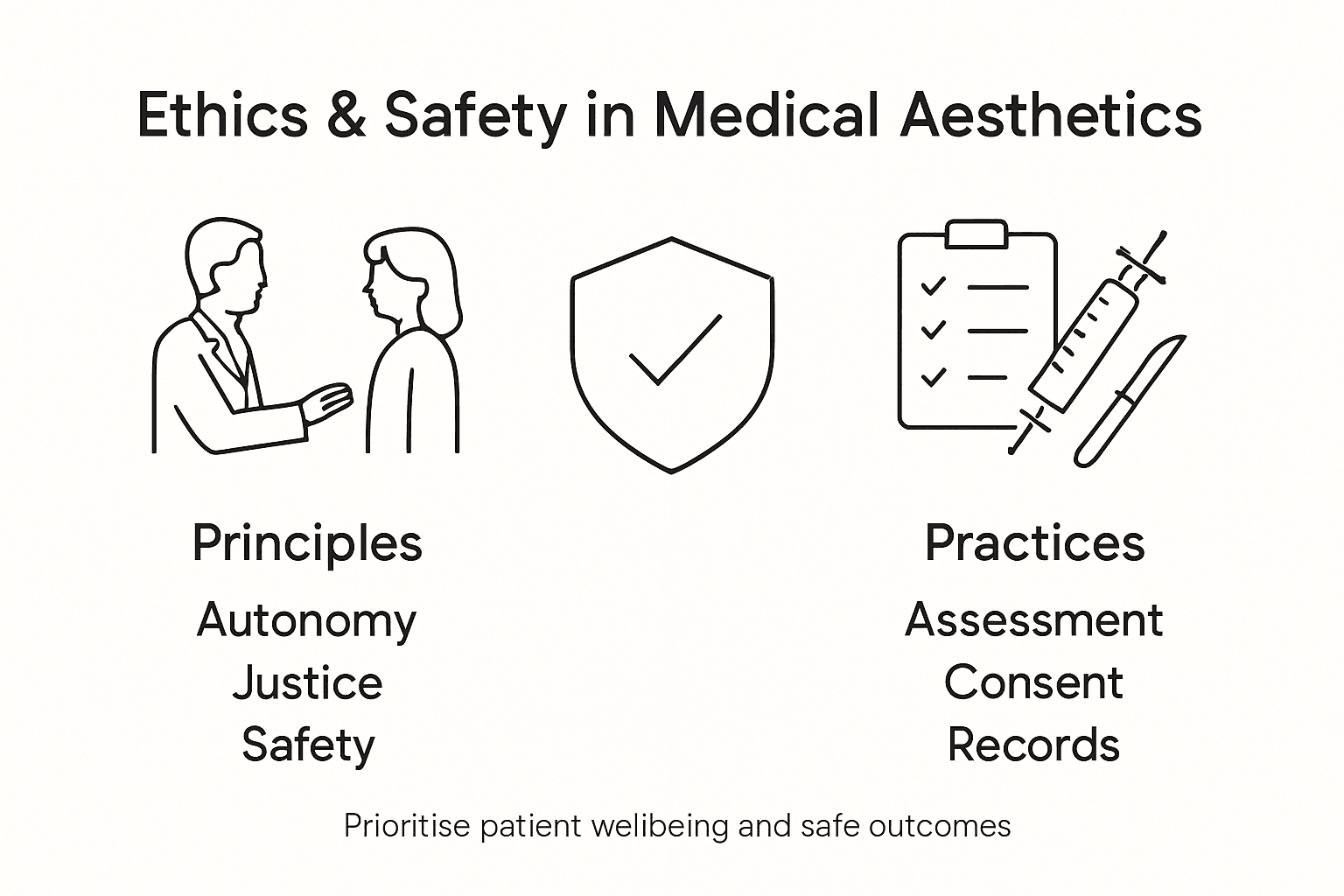
- Ethical Principles Guiding Cosmetic Practice
- Legal Standards And Practitioner Duties
- Patient Consent, Wellbeing, And Safeguarding
- Risks Of Unethical Practice And Redress
Key Takeaways
| Point | Details |
|---|---|
| Ethical Principles | Core principles such as autonomy, beneficence, non-maleficence, and justice guide aesthetic practice and must be prioritised by practitioners. |
| Informed Consent | A thorough informed consent process is essential, requiring clear communication about risks and realistic outcomes to ensure patient understanding. |
| Patient Assessment | Comprehensive pre-treatment assessments should evaluate not just physical suitability but also psychological readiness and motivations for aesthetic interventions. |
| Consequences of Unethical Practice | Unethical practices can lead to significant harm and loss of trust; practitioners must adhere to ethical standards to protect patient wellbeing and professional integrity. |
Defining Ethics in Medical Aesthetics
Medical aesthetics operates within a complex ethical landscape where patient autonomy intersects with professional responsibility. Ethical challenges in aesthetic medicine have become increasingly nuanced as societal beauty standards evolve, particularly with the influence of social media and digital platforms. Practitioners must navigate these challenges by maintaining stringent professional standards that prioritise patient wellbeing above aesthetic outcomes.
The foundational ethical principles in medical aesthetics include autonomy, beneficence, non-maleficence, and justice. These principles require aesthetic practitioners to respect patient self-determination, provide treatments that genuinely benefit the patient, avoid causing harm, and ensure fair and equitable access to aesthetic interventions. This framework demands a holistic approach where medical professionals evaluate not just the physical procedure, but the psychological motivations and potential emotional impacts on patients.
Shared decision-making emerges as a critical component of ethical practice in medical aesthetics. This approach involves comprehensive consultations where practitioners engage patients in transparent discussions about potential risks, realistic outcomes, and individual suitability for specific aesthetic treatments. By fostering open dialogue, medical professionals can help patients make informed choices that align with their personal health goals and psychological wellbeing.
Pro tip: Always request comprehensive medical history and conduct a thorough psychological assessment during your initial consultation to ensure ethical and safe aesthetic treatment planning.
Ethical Principles Guiding Cosmetic Practice
In the dynamic world of aesthetic medicine, ethical principles serve as the fundamental framework that guides professional practice and patient care. Professional ethical standards in aesthetic practice have become increasingly sophisticated, recognising the complex interplay between medical expertise, patient autonomy, and psychological wellbeing.
The core ethical principles underpinning cosmetic practice include autonomy, beneficence, non-maleficence, and justice. Autonomy ensures patients have the right to make informed decisions about their treatments, respecting their individual agency and personal choices. Beneficence demands practitioners actively promote patient wellbeing, going beyond merely avoiding harm to actively seeking positive outcomes. Non-maleficence compels aesthetic professionals to prioritise patient safety, carefully evaluating potential risks and contraindications before recommending any procedure.
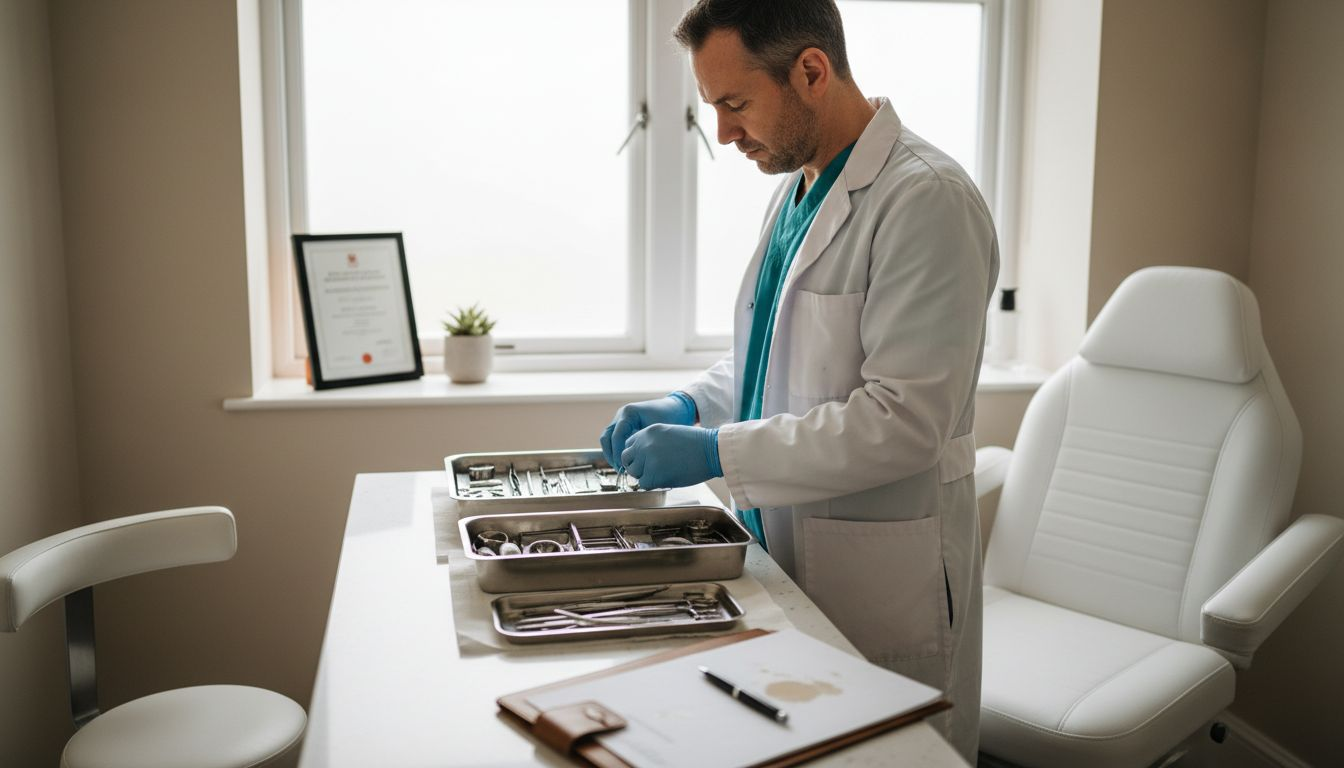
Justice in aesthetic practice extends beyond clinical treatment, addressing broader issues of equitable access and fair treatment. This principle challenges practitioners to consider socioeconomic factors, psychological motivations, and individual circumstances that might influence a patient’s aesthetic choices. Comprehensive consultations become crucial, requiring transparent communication about realistic expectations, potential risks, and personalised treatment plans that align with the patient’s genuine health and emotional needs.
The following table summarises how core ethical principles apply in medical aesthetics:
| Principle | Core Focus | Practitioner Responsibility | Impact on Patients |
|---|---|---|---|
| Autonomy | Patient decision-making | Ensure informed consent and choices | Promotes self-determination |
| Beneficence | Patient wellbeing | Actively pursue positive outcomes | Enhances overall safety |
| Non-maleficence | Avoiding harm | Rigorously assess potential complications | Reduces unnecessary risk |
| Justice | Fair access | Address individual and societal factors | Fosters equitable treatment |
Pro tip: Develop a comprehensive pre-treatment assessment protocol that explores not just physical suitability, but also the psychological readiness and motivational context of each patient’s aesthetic goals.
Legal Standards and Practitioner Duties
The legal framework governing aesthetic medicine represents a complex and evolving landscape of professional responsibilities and patient protections. Comprehensive legal standards in aesthetic practice establish rigorous requirements that practitioners must navigate to ensure patient safety and maintain professional integrity. These standards extend far beyond simple medical competence, demanding a holistic approach to patient care that encompasses medical, ethical, and legal considerations.
Practitioners in aesthetic medicine are bound by multiple layers of legal obligations. Duty of care emerges as a fundamental legal principle, requiring practitioners to provide treatment that meets established professional standards, thoroughly assess patient suitability, and communicate potential risks transparently. This involves comprehensive pre-treatment assessments, obtaining informed consent, maintaining detailed medical records, and demonstrating a comprehensive understanding of potential complications. Regulatory bodies increasingly emphasise the importance of ongoing professional development and certification to ensure practitioners remain current with emerging medical technologies and best practices.
The legal landscape also addresses broader systemic concerns about patient protection and professional accountability. Research on regulatory standards highlights the critical need for minimum educational standards and consistent oversight across the aesthetic medicine sector. This includes mandatory training programmes, professional registration requirements, and mechanisms for investigating and addressing potential malpractice. Practitioners must not only possess technical skills but also demonstrate an understanding of the psychological and emotional dimensions of aesthetic interventions, recognising that legal compliance extends beyond mere technical competence.
Pro tip: Maintain meticulous documentation of every patient consultation, treatment plan, and informed consent process to protect both patient interests and your professional standing.
Patient Consent, Wellbeing, and Safeguarding
Patient vulnerabilities in medical aesthetics require practitioners to adopt a nuanced, compassionate approach that prioritises comprehensive informed consent and psychological safety. The process of obtaining consent extends far beyond a simple signature on a document, representing a profound commitment to patient autonomy, understanding, and genuine informed decision-making.
The informed consent process demands meticulous communication that eliminates medical jargon, ensuring patients comprehend the full scope of potential risks, expected outcomes, and limitations of proposed treatments. This approach requires practitioners to engage in transparent dialogue, carefully assessing each patient’s psychological readiness, emotional motivations, and realistic expectations. Ethical communication strategies become crucial in helping patients make voluntary, well-understood choices that align with their genuine wellbeing.
Safeguarding in medical aesthetics encompasses a holistic evaluation of patient vulnerability. Practitioners must develop sophisticated assessment skills to recognise potential psychological fragility, unrealistic aesthetic expectations, or underlying mental health considerations that might compromise a patient’s ability to provide truly informed consent. This involves creating a supportive environment where patients feel empowered to discuss their concerns openly, understanding that ethical practitioners will prioritise their comprehensive wellbeing over commercial interests.
Pro tip: Develop a structured pre-treatment psychological assessment framework that systematically evaluates patient motivations, emotional readiness, and potential vulnerabilities before proceeding with any aesthetic intervention.
Risks of Unethical Practice and Redress
Unethical practices in aesthetic medicine represent a profound breach of professional trust that can result in significant patient harm, legal repercussions, and systemic damage to the medical aesthetic industry. These risks extend far beyond immediate physical complications, encompassing psychological trauma, financial loss, and long-lasting erosion of patient confidence in medical aesthetic treatments.
The consequences of unethical practice manifest through multiple critical dimensions. Professional misconduct can range from inadequate risk assessment and poor informed consent processes to deliberately misleading patients about treatment outcomes or performing procedures without appropriate qualifications. Such actions not only compromise individual patient safety but also undermine the entire professional ecosystem of medical aesthetics. Regulatory bodies maintain rigorous mechanisms for investigating complaints, with potential sanctions including professional deregistration, financial penalties, and legal prosecution for practitioners who fail to maintain the highest standards of care.
This comparison highlights the differences between ethical and unethical practices in aesthetic medicine:
| Practice Type | Key Characteristics | Common Outcomes | Sector Impact |
|---|---|---|---|
| Ethical Practice | Transparent communication, patient focus | Improved trust and positive results | Professional credibility maintained |
| Unethical Conduct | Insufficient consent, misleading information | Patient harm and legal complaints | Erosion of public confidence |
Patients experiencing harm from unethical aesthetic interventions have several avenues of redress. These include formal complaints to professional regulatory bodies, seeking legal compensation through medical negligence claims, and pursuing disciplinary actions against practitioners who have breached established ethical guidelines. The complexity of these processes underscores the critical importance of prevention, highlighting the need for proactive ethical practices, comprehensive patient assessments, and transparent communication throughout the treatment journey.
Pro tip: Maintain comprehensive, contemporaneous medical records documenting every stage of patient consultation, assessment, and treatment to protect both patient interests and professional accountability.
Prioritise Safety and Ethical Care with The Aesthetics Room
Navigating the complexities of ethics in medical aesthetics requires a trusted partner committed to patient wellbeing, transparent communication, and professional integrity. At The Aesthetics Room, we understand the importance of thorough psychological assessment, informed consent, and personalised treatment planning to foster your confidence and safeguard your health. Whether you are considering advanced injectable treatments or skin rejuvenation procedures, every step is guided by the core ethical principles of autonomy, beneficence, non-maleficence, and justice.
Experience a premium aesthetic journey where your safety comes first. Explore our Advanced Injectables – The Aesthetics Room and Skin Treatments – The Aesthetics Room designed with your unique needs in mind. Visit The Aesthetics Room today to book a consultation and take the first step toward ethical, effective, and personalised cosmetic care.
Frequently Asked Questions
What are the core ethical principles in medical aesthetics?
The core ethical principles in medical aesthetics include autonomy, beneficence, non-maleficence, and justice. These principles ensure patient decision-making, promote patient wellbeing, avoid harm, and address fair access to aesthetic treatments.
How does informed consent work in aesthetic medicine?
Informed consent in aesthetic medicine requires practitioners to communicate potential risks, expected outcomes, and limitations of treatments clearly. It involves engaging in transparent dialogue with patients to ensure they fully understand and agree to the procedures being performed.
What legal standards govern practitioners in aesthetic medicine?
Practitioners in aesthetic medicine are governed by legal standards that require them to provide treatment that meets established professional standards, conduct thorough assessments, and maintain detailed medical records. Ongoing professional development is also essential to stay updated on the latest practices.
Why is safety important in medical aesthetics?
Safety in medical aesthetics is crucial to prevent patient harm, legal repercussions, and the erosion of trust in the profession. Ethical practices, informed consent, and rigorous assessments are key to ensuring superior patient care and maintaining the integrity of the aesthetic industry.
Recommended
- What Is Medical Aesthetics? Enhancing Confidence Safely – The Aesthetics Room
- Why Medical Practitioners for Aesthetics Matter – The Aesthetics Room
- Role of Consultation in Aesthetics: Enhancing Safety and Results – The Aesthetics Room
- Aesthetics Trends in 2025 – Elevating Natural Beauty – The Aesthetics Room