

Over 900,000 dermal filler treatments are performed annually across the British Isles, reflecting a growing demand for natural-looking enhancement among style-conscious Londoners. For many, selecting the safest and most effective filler can feel like decoding a secret language. In a city where quality, reputation, and professionalism matter, understanding your unique aesthetic needs remains the first crucial step toward achieving beautiful, confidence-boosting results tailored just for you.
Table of Contents
- Stage 1: Assess Your Desired Outcomes
- Stage 2: Research Filler Types And Ingredients
- Stage 3: Consult A Qualified Aesthetic Practitioner
- Stage 4: Evaluate Safety And Clinic Credentials
- Stage 5: Confirm Your Bespoke Treatment Plan
Quick Summary
| Key Point | Explanation |
|---|---|
| 1. Define Your Aesthetic Goals | Clearly articulate your expectations for skin rejuvenation to tailor the treatment plan effectively. |
| 2. Understand Filler Ingredients | Research different dermal fillers’ ingredients and formulations to make informed choices suited to your needs. |
| 3. Choose a Qualified Practitioner | Select practitioners registered with recognised bodies to ensure safe and personalised treatments. |
| 4. Verify Clinic Safety Procedures | Assess the clinic’s adherence to safety standards and regulatory compliance to ensure your health and wellbeing. |
| 5. Obtain a Detailed Treatment Plan | Request a comprehensive written treatment plan that outlines expected outcomes, risks, and filler specifications. |
Stage 1: Assess Your Desired Outcomes
Choosing the right dermal fillers begins with a crystal-clear understanding of your personal aesthetic goals. When you step into our clinic, our first mission is to unpack your specific expectations and design a bespoke treatment approach that aligns perfectly with your vision of enhanced skin rejuvenation.
A comprehensive consultation forms the cornerstone of this process. During this discussion, we apply the 5P framework for personalised treatment, which ensures we capture every nuance of your desired outcomes. We will explore specific areas of concern, whether that involves softening fine lines, restoring facial volume, or creating more defined contours. By examining your unique facial structure, skin quality, and aesthetic aspirations, we develop a tailored roadmap that transforms your skincare objectives into achievable results.
Our practitioners will guide you through a detailed assessment that goes beyond surface-level discussions. We analyse skin texture, elasticity, potential treatment zones, and discuss realistic expectations. This approach ensures you receive a personalised treatment plan that respects your individual characteristics and aesthetic desires.
Expert Recommendation: Bring clear photographs of yourself from different angles to help your practitioner understand your aesthetic goals more precisely.
Stage 2: Research Filler Types and Ingredients
Delving into the world of dermal fillers requires a systematic approach to understanding the diverse range of products available for skin rejuvenation. Your journey begins with comprehending the fundamental ingredients and formulations that distinguish one filler from another, ensuring you make an informed decision tailored to your specific aesthetic goals.
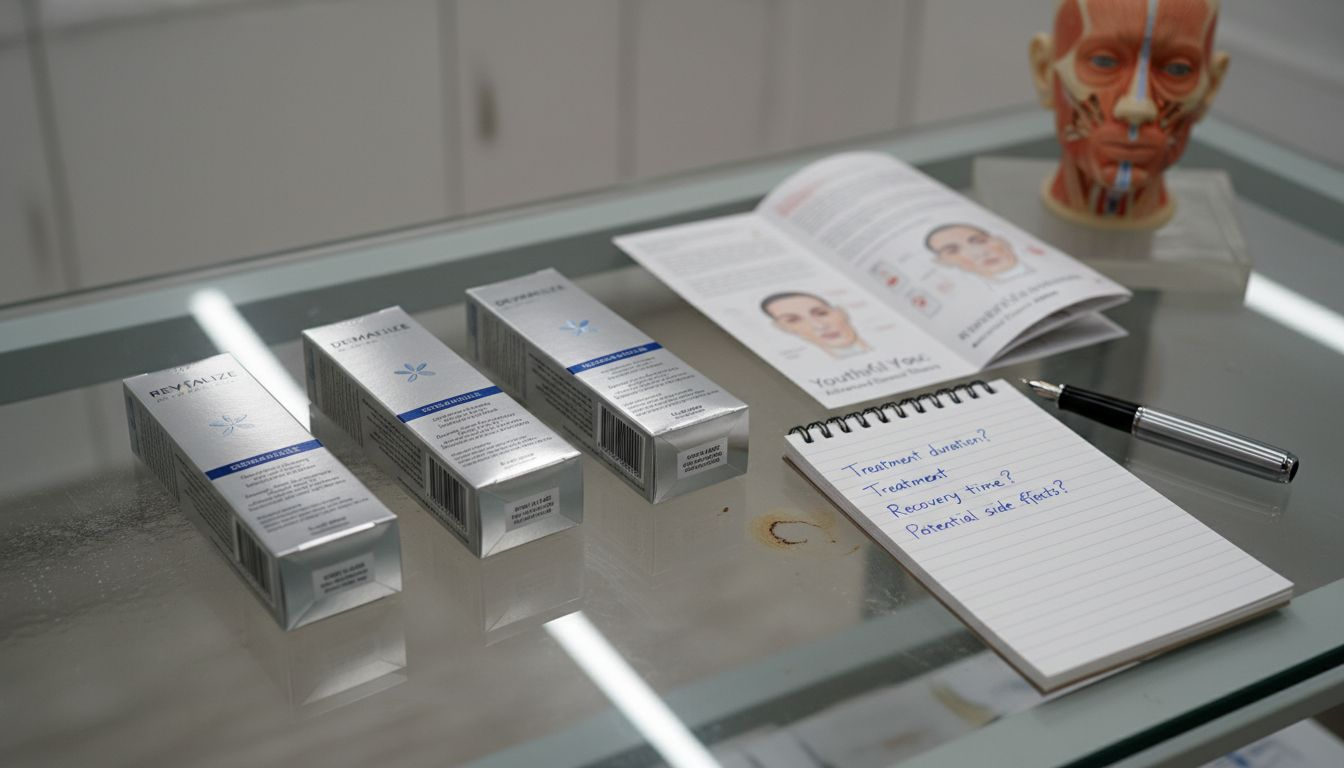
Modern dermal fillers predominantly feature hyaluronic acid as a primary ingredient, a naturally occurring substance in our body that provides exceptional hydration and volume restoration. These fillers come in temporary and semi-permanent varieties, each designed to address different skin concerns. Temporary hyaluronic acid fillers typically last between six to eighteen months and offer excellent malleability for subtle, natural-looking enhancements. Semi-permanent options provide longer lasting results and can stimulate natural collagen production, making them ideal for more profound structural improvements.
Understanding the nuanced differences between filler types requires careful consideration of factors such as molecular weight, cross-linking technology, and intended treatment area. Some fillers are specifically formulated for delicate regions like under the eyes, while others are designed for adding volume to cheeks or defining jawlines. Each product has unique characteristics that determine its spreadability, longevity, and integration with your natural facial structures.
Expert Recommendation: Request detailed ingredient breakdowns and clinical studies for any filler you are considering to understand its precise performance characteristics.
Here is a comparison of major dermal filler types highlighting their unique properties:
| Filler Type | Main Ingredient | Typical Longevity | Suitable Treatment Areas |
|---|---|---|---|
| Hyaluronic Acid (HA) | Hyaluronic Acid | 6–18 months | Lips, cheeks, tear troughs |
| Calcium Hydroxylapatite | CaHA particles | 12–18 months | Deep wrinkles, chin, jawline |
| Poly-L-lactic Acid | Synthetic polymer | 18–24 months | Volume loss, cheeks, temples |
| Polymethylmethacrylate | PMMA microspheres | 5 years or longer | Deep lines, acne scars |
Stage 3: Consult a Qualified Aesthetic Practitioner
Selecting the right aesthetic practitioner is a critical step in your dermal filler journey, demanding careful research and verification of professional credentials. Your goal is to partner with a medically trained expert who can deliver personalised, safe, and effective treatment tailored to your unique aesthetic objectives.
In the United Kingdom, identifying a qualified practitioner means looking for professionals registered with recognised regulatory bodies for aesthetic treatments. These include the General Medical Council, Nursing and Midwifery Council, and General Dental Council. A reputable practitioner will hold appropriate medical qualifications, demonstrating extensive training in aesthetic procedures and a comprehensive understanding of facial anatomy, skin physiology, and injection techniques.
During your initial consultation, expect a thorough assessment that goes beyond surface level discussions. A skilled practitioner will conduct a detailed evaluation of your facial structure, skin condition, medical history, and aesthetic goals. They should provide transparent information about potential risks, expected outcomes, and recommend a treatment plan specifically designed for your individual needs. This personalised approach ensures not just aesthetic enhancement, but also prioritises your safety and wellbeing throughout the treatment process.
Expert Recommendation: Always request to see a practitioner’s professional certifications and request before and after photographs of their previous work to gauge their expertise and aesthetic approach.
Stage 4: Evaluate Safety and Clinic Credentials
Navigating the landscape of aesthetic treatments requires a meticulous approach to verifying clinic safety and professional credentials. Your health and aesthetic goals demand a thorough assessment of the facility and practitioners who will be responsible for your dermal filler procedure.
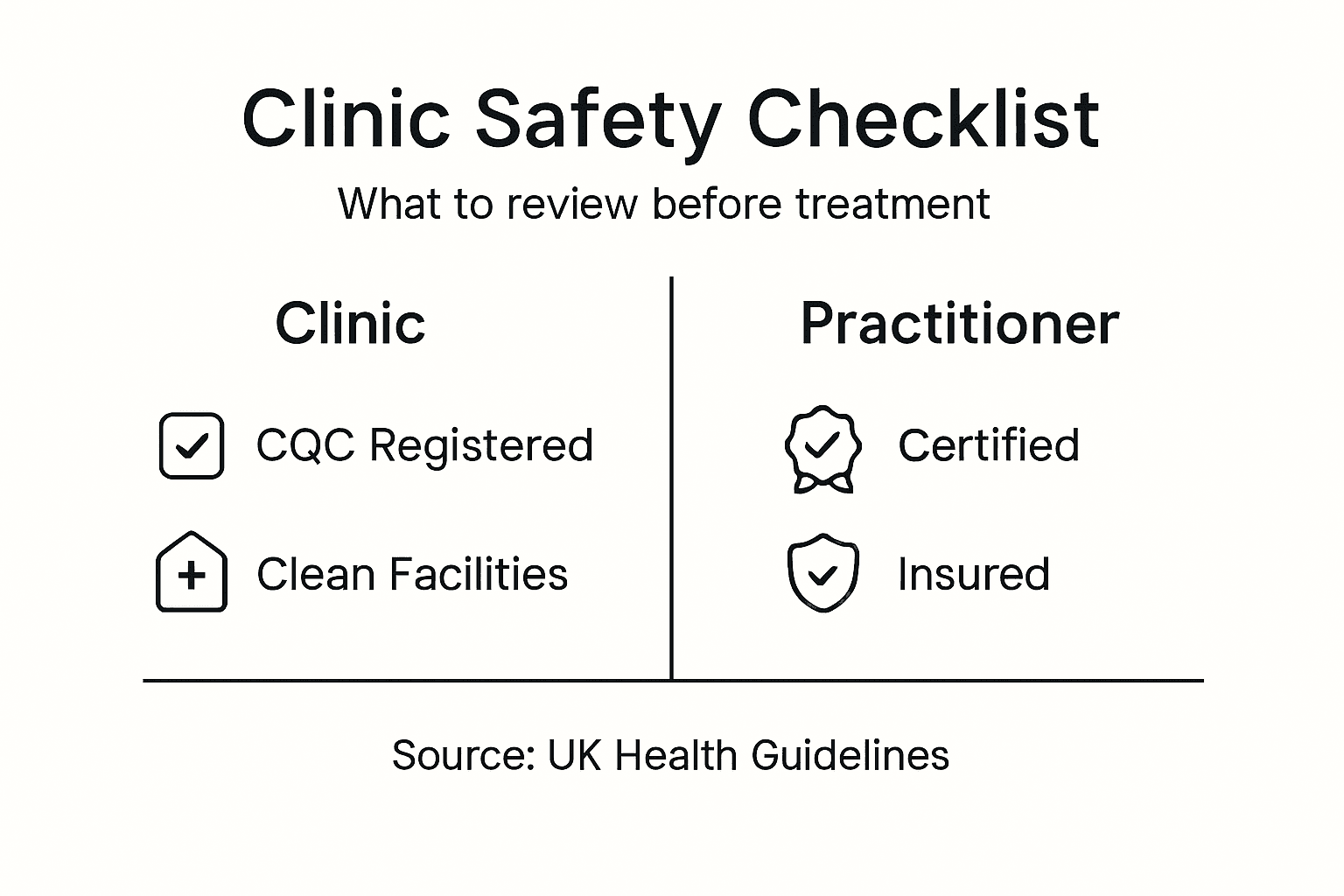
Careful scrutiny of safety protocols and regulatory compliance is paramount. Look for clinics registered with the Care Quality Commission, which ensures adherence to stringent healthcare standards. Verify that the practitioners hold current registrations with professional bodies such as the General Medical Council, Nursing and Midwifery Council, or General Dental Council. A reputable clinic will readily provide documentation of their professional qualifications, insurance coverage, and emergency response capabilities.
During your initial investigation, request comprehensive information about the clinic’s infection control procedures, product sourcing, and complication management protocols. Examine their track record of patient safety, including detailed records of product traceability, staff training, and continuous professional development. A clinic committed to excellence will welcome your questions and provide transparent insights into their operational standards, demonstrating a genuine commitment to patient wellbeing and safety.
Expert Recommendation: Request to see the clinic’s most recent CQC inspection report and do not hesitate to ask for detailed information about the practitioners’ specific qualifications in aesthetic medicine.
The following table outlines essential factors to consider when selecting a dermal filler clinic:
| Factor | Why It Matters | What to Look For |
|---|---|---|
| Regulatory Registration | Ensures legal and safe practice | CQC certification, professional bodies |
| Infection Control Protocols | Minimises risk of complications | Clear hygiene and safety standards |
| Practitioner Qualifications | Guarantees expert skill and safety | Medical credentials, ongoing training |
| Product Traceability | Prevents use of counterfeit products | Documented sourcing and lot numbers |
Stage 5: Confirm Your Bespoke Treatment Plan
Transforming your aesthetic vision into a precise, personalised treatment strategy requires collaborative and comprehensive planning. Your dermal filler journey begins with establishing a nuanced roadmap that reflects your unique facial characteristics and desired outcomes.
A comprehensive treatment plan involves meticulously establishing individual client requirements, encompassing far more than simple product selection. Your practitioner will conduct an in-depth evaluation of your skin texture, facial structure, volume loss patterns, and specific aesthetic goals. This detailed assessment allows for strategic filler placement, determining optimal product viscosity, injection techniques, and precise treatment zones that harmonise with your natural facial anatomy.
During the confirmation process, expect a thorough discussion covering every aspect of your potential treatment. This includes a comprehensive review of potential risks, expected outcomes, recovery expectations, and a clear breakdown of recommended filler types and quantities. Your practitioner should provide a transparent, written treatment plan that outlines the proposed approach, potential alternative strategies, and a clear understanding of how the selected fillers will address your specific aesthetic objectives.
Expert Recommendation: Request a comprehensive written treatment plan that details every aspect of your proposed procedure, including specific filler types, expected outcomes, and potential alternative approaches.
Achieve Your Perfect Look with Expert Dermal Filler Choices
Choosing dermal fillers that truly match your personal goals is vital for natural and satisfying results. Many individuals struggle with identifying the right filler type, understanding safety factors, and finding a qualified practitioner who crafts a precise, personalised treatment plan. This article clearly highlights the importance of assessing your unique facial features and selecting treatments based on detailed professional advice and thorough research.
At The Aesthetics Room, we prioritise your individual aspirations by offering bespoke dermal filler solutions tailored to your skin and facial structure. Our expert team in Knightsbridge specialises in creating natural enhancements that respect your unique beauty through safe, medically approved procedures. Discover more about our range of premium products and personalised techniques on our Dermal Fillers page. To explore additional rejuvenation options, visit our Advanced Injectables section.

Ready to transform your aesthetic vision into reality with expert guidance and personalised care Visit The Aesthetics Room today to book your consultation and take the first step towards confident, radiant skin tailored just for you.
Frequently Asked Questions
How can I assess my desired outcomes when choosing dermal fillers?
Begin by clearly defining your aesthetic goals. During your consultation, discuss specific concerns, such as fine lines or volume loss, to develop a personalised treatment plan that matches your vision.
What types of dermal fillers should I research before my consultation?
Focus on understanding filler types, particularly their ingredients like hyaluronic acid or calcium hydroxylapatite. Familiarise yourself with their properties to engage in informed discussions with your practitioner about which fillers align with your needs.
How do I find a qualified aesthetic practitioner for dermal fillers?
Look for practitioners registered with recognised regulatory bodies and those with relevant medical qualifications. During your initial consultation, request to see their professional certifications and ask for before and after photographs of their previous work.
What safety measures should I check for at a dermal filler clinic?
Ensure the clinic has proper regulatory registrations and follows strict infection control protocols. Additionally, ask about their product sourcing and the practitioners’ professional qualifications to guarantee a safe treatment environment.
What should I expect from my bespoke treatment plan for dermal fillers?
Your treatment plan should include a detailed assessment addressing your individual needs, including specific filler types, quantities, and expected outcomes. Ensure that your practitioner provides a clear, written plan that outlines all aspects of your procedure to help you feel confident in your treatment.
How can I prepare for my dermal filler treatment?
Bring clear photographs of yourself from different angles to your consultation. This will help your practitioner better understand your aesthetic goals and ensure that the treatment plan addresses your unique facial characteristics.