

TL;DR:
- Effective acne scar treatment begins with controlling active acne to prevent further scars. Combining professional procedures like microneedling with PRP and tailored skin care yields the best results. A personalized, staged approach ensures significant improvement, not complete scar removal.
Acne scar treatment is defined as the clinical and home-based process of reducing the appearance of scars left by inflammatory acne, using methods that stimulate collagen, resurface skin, or correct pigmentation. The most effective acne scar treatment tips begin not with the scars themselves, but with controlling active breakouts first. Managing acne before scarring is the foundation every dermatologist and aesthetic practitioner builds upon. At Theaestheticsroom, we see this staged approach deliver consistently better outcomes than jumping straight to resurfacing procedures. Sun protection, topical retinoids, and professional treatments like microneedling and chemical peels each play a defined role in a well-structured plan.

1. acne scar treatment tips start with controlling active acne
Controlling active acne reduces new scar formation and is the single most important first step in any treatment plan. Treating scars while new breakouts continue is counterproductive. Every new inflamed lesion carries the risk of leaving another mark behind.
A dermatologist-led approach to acne management typically involves prescription topicals, oral antibiotics, or hormonal therapies depending on severity. Clearing the skin first creates a stable foundation for resurfacing and collagen-stimulating treatments to work properly.
- Avoid picking or squeezing lesions. This deepens inflammation and worsens scarring.
- Use non-comedogenic moisturisers and cleansers to keep pores clear.
- Follow a consistent morning and evening skincare routine without skipping steps.
- Seek professional advice if over-the-counter products are not controlling breakouts.
Pro Tip: If you are still experiencing regular breakouts, speak to a practitioner before investing in scar treatments. Addressing the root cause first protects your results and your budget.
2. topical treatments that reduce scar appearance
Topical retinoids and AHAs improve cell renewal and skin texture, making scars appear less visible over time. These are the most accessible starting point for anyone beginning their scar reduction journey. They work gradually, so consistency over weeks and months is what delivers results.
Key topical options include:
- Retinoids (such as tretinoin or adapalene): Speed up cell turnover and improve uneven texture. Start with a low concentration to avoid irritation.
- Alpha hydroxy acids (AHAs): Glycolic acid and lactic acid exfoliate the surface layer, smoothing rough scar texture and brightening post-inflammatory marks.
- Salicylic acid: A beta hydroxy acid that clears pores, reduces inflammation, and helps prevent new breakouts that could worsen scarring.
- Vitamin C serums: Inhibit melanin production and brighten hyperpigmented post-acne marks.
- Niacinamide: Reduces redness and supports the skin barrier, particularly useful for sensitive or darker skin tones.
Daily sunscreen use is non-negotiable. Sun exposure darkens scars and makes them significantly more noticeable. A broad-spectrum SPF 30 or higher applied every morning is one of the simplest and most effective acne scar healing strategies available.
Pro Tip: Introduce retinoids gradually. Begin with two or three nights per week and increase frequency only once your skin has adapted. Rushing this step causes irritation that sets progress back.
3. chemical peels: how they work and what to expect
Chemical peels regenerate smoother skin by removing damaged surface layers, with post-treatment redness typically lasting up to seven days. They are one of the most established professional options for improving post-acne pigmentation and shallow scar texture. Most superficial to medium-depth peels require only one session, though a course of treatments produces more consistent results.
Peels work by applying an acid solution (such as glycolic, trichloroacetic acid, or salicylic acid) to the skin. The controlled exfoliation triggers the skin’s repair response, producing fresher, more even-toned skin beneath. Deeper peels address more significant textural irregularities but require longer recovery periods.
The benefits of chemical peels extend beyond scar improvement. They also address uneven skin tone, enlarged pores, and dullness. For acne-prone skin, they offer the dual benefit of treating existing marks while reducing the likelihood of future breakouts.
Pro Tip: Avoid sun exposure for at least two weeks after a chemical peel. The fresh skin revealed is particularly vulnerable to UV damage, which can trigger post-inflammatory hyperpigmentation.
4. microneedling: collagen induction for scar remodelling
Microneedling requires 4–6 treatments for best results when treating acne scars. The procedure uses fine needles to create controlled micro-injuries in the skin, triggering the body’s natural collagen and elastin production. This collagen induction therapy is particularly effective for rolling and boxcar scars, where the goal is to raise and smooth depressed areas.
Each session is spaced four to six weeks apart to allow the skin to complete its healing cycle. Results build progressively. Most clients notice meaningful improvement after the third session, with the full benefit visible several months after completing the course.
Microneedling suits a wide range of skin tones because it does not use heat or light energy. This makes it a safer option for medium to darker skin phototypes who face a higher risk of pigmentation changes from laser-based treatments. Explore professional acne treatments to understand how microneedling fits within a broader in-clinic plan.
5. laser resurfacing: precision scar tissue remodelling
Laser resurfacing stimulates collagen and breaks down scarred tissue, with certain laser types also reducing redness by targeting blood vessels beneath the skin. It is one of the most precise tools available for acne scar correction, particularly for ice pick and deeper boxcar scars. Ablative lasers (such as CO2 and erbium) remove the outer skin layer entirely, while non-ablative options work beneath the surface with less downtime.
The choice between ablative and non-ablative laser depends on scar depth, skin tone, and how much recovery time you can accommodate. Ablative treatments deliver more dramatic results but require one to two weeks of healing. Non-ablative treatments are gentler, with redness resolving within a few days, though multiple sessions are typically needed.
A full laser resurfacing guide helps clarify which laser type suits your scar profile and Fitzpatrick skin phototype. Practitioners at Theaestheticsroom assess both factors before recommending any energy-based treatment.
6. comparing in-clinic treatments: which is right for you?
Scar morphology and skin phototype determine which treatments are safe and effective for each individual. No single procedure works equally well across all scar types. The table below summarises the key differences between the three main professional options.
| Treatment | Best For | Recovery | Sessions Needed | Skin Tone Caution |
|---|---|---|---|---|
| Chemical Peel | Pigmentation, shallow scars | Up to 7 days | 1–3 | Moderate for darker tones |
| Microneedling | Rolling, boxcar scars | 1–3 days | 4–6 | Low risk across all tones |
| Laser Resurfacing | Ice pick, deep scars | 3–14 days | 1–3 | Higher risk for darker tones |
Understanding this table is the first step toward choosing the right path. Tailoring treatment to your scar type and skin tone avoids complications and produces far better outcomes than a one-size-fits-all approach. Consulting a practitioner who assesses both factors is not optional. It is the difference between progress and setback.
Pro Tip: Ask your practitioner to classify your scar types before any procedure. Ice pick, rolling, and boxcar scars each respond differently to treatment, and a mixed scar profile often requires a combination approach.
7. microneedling combined with PRP: the evidence-backed upgrade
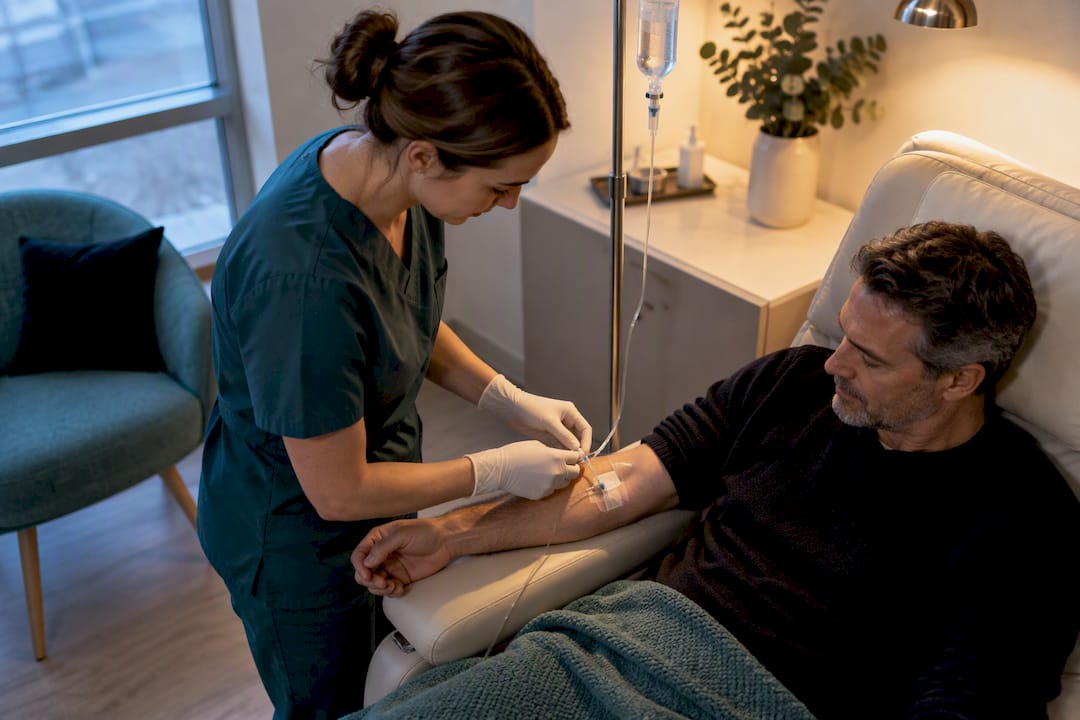
Combined microneedling and PRP outperforms either treatment alone for atrophic acne scars without increasing adverse effects. Platelet-rich plasma (PRP) is derived from your own blood. It is processed to concentrate growth factors that accelerate tissue repair and collagen remodelling. When applied during or after microneedling, it amplifies the skin’s healing response significantly.
The clinical evidence for this combination is strong. A Springer Nature meta-analysis confirmed that patient-reported outcomes and clinical assessments both improved more with the combination than with monotherapy. This makes it one of the best acne scar treatments currently available for atrophic (depressed) scarring.
Key considerations for PRP treatment include:
- Session frequency varies by clinic and protocol. Typically, three to four sessions spaced four weeks apart are recommended.
- Results continue to improve for up to six months after the final session as collagen remodelling completes.
- PRP is derived from your own blood, making allergic reactions extremely rare.
- The PRP facial process involves a simple blood draw, centrifuge processing, and topical or injected application.
Pro Tip: Discuss session frequency and preparation protocols with your practitioner before committing. The clinical outcome depends heavily on how the PRP is prepared and how it is applied, not just whether it is used.
8. skin lightening and pigmentation control before treatment
Pre-treatment pigmentation control is a critical but often overlooked step, particularly for medium to darker skin tones. Post-inflammatory hyperpigmentation (PIH) is the darkening that occurs after acne inflammation resolves. If PIH is present before a resurfacing procedure, the treatment can temporarily worsen it.
Skin lightening agents such as azelaic acid, kojic acid, and tranexamic acid are used in the weeks before in-clinic procedures to suppress melanin production. This reduces the risk of PIH flaring after treatment. Hydroquinone is also used in some clinical protocols, though it requires careful supervision.
Choosing the right facial treatment based on skin phototype is as important as choosing the right treatment for scar type. Fitzpatrick skin types IV to VI require a more cautious approach to energy-based treatments and benefit most from a longer pre-treatment preparation phase.
9. surgical options: subcision for rolling scars
Subcision is a minor surgical procedure specifically designed for rolling acne scars. A fine needle is inserted beneath the scar and moved laterally to break the fibrous bands that tether the scar to deeper tissue. Once these bands are released, the skin surface rises and the depression becomes less visible.
Subcision is often combined with microneedling or filler injections for enhanced results. Dermal fillers such as hyaluronic acid can be injected beneath released scars to provide immediate volume and support collagen formation over time. This combination approach is particularly effective for larger rolling scars that do not respond adequately to surface treatments alone.
The procedure is performed under local anaesthetic and involves minimal downtime. Bruising and swelling typically resolve within one to two weeks. Multiple sessions may be required for deeper or more extensive scarring.
10. building a personalised, multi-modality treatment plan
Effective acne scar solutions combine multiple tailored modalities sequenced by scar type and skin condition. No single treatment addresses every scar type on every skin tone. A well-designed plan layers home care with in-clinic procedures, sequenced to maximise results and minimise risk.
A typical staged plan looks like this:
- Months 1–2: Control active acne with dermatologist-prescribed treatments. Begin daily SPF and introduce retinoids.
- Months 2–4: Add AHA exfoliation and pigmentation control agents if PIH is present.
- Months 4–8: Begin in-clinic treatments. Microneedling or microneedling with PRP for atrophic scars. Chemical peels for pigmentation.
- Months 8 onwards: Reassess. Consider laser resurfacing or subcision for residual deeper scars.
This sequenced approach reflects how the best practitioners at clinics like Theaestheticsroom structure treatment. It respects the skin’s healing capacity and avoids overloading it with too many aggressive procedures simultaneously.
Key takeaways
The most effective approach to acne scar treatment combines active acne control, daily sun protection, and personalised in-clinic procedures matched to scar type and skin phototype.
| Point | Details |
|---|---|
| Control acne first | New breakouts create new scars; clear skin before starting resurfacing treatments. |
| Daily SPF is non-negotiable | Sun exposure darkens scars; broad-spectrum SPF 30 or higher prevents worsening. |
| Match treatment to scar type | Ice pick, rolling, and boxcar scars each respond to different procedures. |
| Microneedling with PRP leads evidence | Combined therapy outperforms either treatment alone for atrophic acne scars. |
| Staged plans deliver best results | Layering home care with in-clinic procedures sequenced over months produces lasting improvement. |
What years of treating acne scars has taught me
The most common mistake I see is impatience. People arrive having already tried three or four treatments in quick succession, frustrated that nothing has worked. When I review their history, the pattern is almost always the same: they skipped the foundation. Active acne was still present, or sun protection was inconsistent, or they chose a treatment based on what a friend had rather than what their scar type actually needed.
Acne scar treatment is not a single event. It is a process. The skin needs time between sessions to complete its collagen remodelling cycle. Rushing that cycle by booking treatments too close together does not accelerate results. It disrupts them.
The other thing I want to be direct about: no treatment removes scars completely. The goal is significant improvement, not perfection. Clients who understand this from the start are consistently more satisfied with their outcomes. They follow through with their full treatment course, they protect their results with SPF, and they maintain their skin with appropriate topicals between sessions.
What genuinely works is a staged, personalised plan built around your specific scar morphology, skin tone, and lifestyle. Combined microneedling and PRP, followed by targeted laser work where needed, produces the most consistent results I have seen. But it only works when the foundation is solid. Control the acne. Protect the skin. Then treat the scars.
— Vishul
Restore your skin with expert care at Theaestheticsroom
If you are ready to move beyond home remedies and see real results, Theaestheticsroom offers clinically led acne scar treatments in London’s Knightsbridge, Harley Street, and Mayfair locations. Our practitioners assess your scar type, skin phototype, and treatment history before recommending a personalised plan.

From microneedling with PRP to chemical peels and laser resurfacing, every treatment is delivered by trained specialists in a CQC-accredited environment. For clients with volume loss from deeper scarring, dermal fillers offer an additional option to restore contour and smoothness. Book a consultation today and receive a bespoke treatment plan designed specifically for your skin.
FAQ
What is the first step in acne scar treatment?
Controlling active acne is the first and most important step. Treating scars while breakouts continue creates new scarring and undermines any resurfacing treatment.
How many microneedling sessions are needed for acne scars?
Most people need 4–6 microneedling sessions spaced four to six weeks apart for meaningful improvement in acne scar appearance.
Does sunscreen really help with acne scars?
Yes. Daily sunscreen prevents UV exposure from darkening post-acne marks, making it one of the simplest and most effective steps in any scar management routine.
Is microneedling with PRP better than microneedling alone?
Combined microneedling and PRP produces superior outcomes for atrophic acne scars compared to either treatment used alone, with no significant increase in side effects.
Which acne scar treatment suits darker skin tones?
Microneedling carries the lowest risk of pigmentation changes across all skin tones. Laser resurfacing requires careful assessment for Fitzpatrick skin types IV to VI due to the higher risk of post-inflammatory hyperpigmentation.