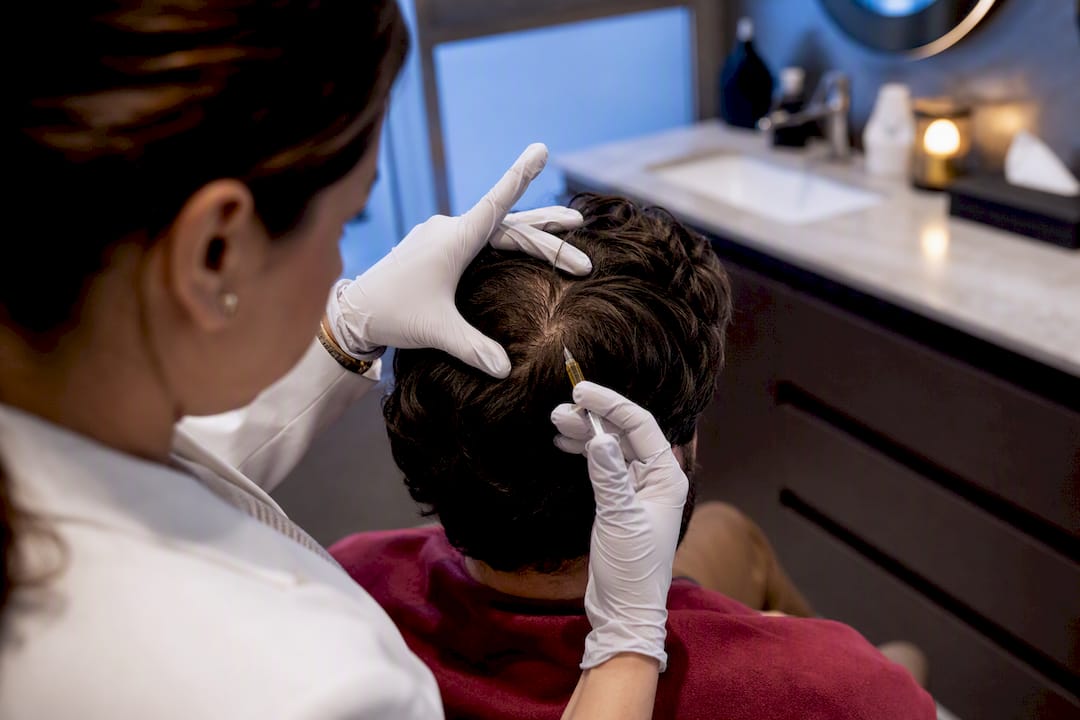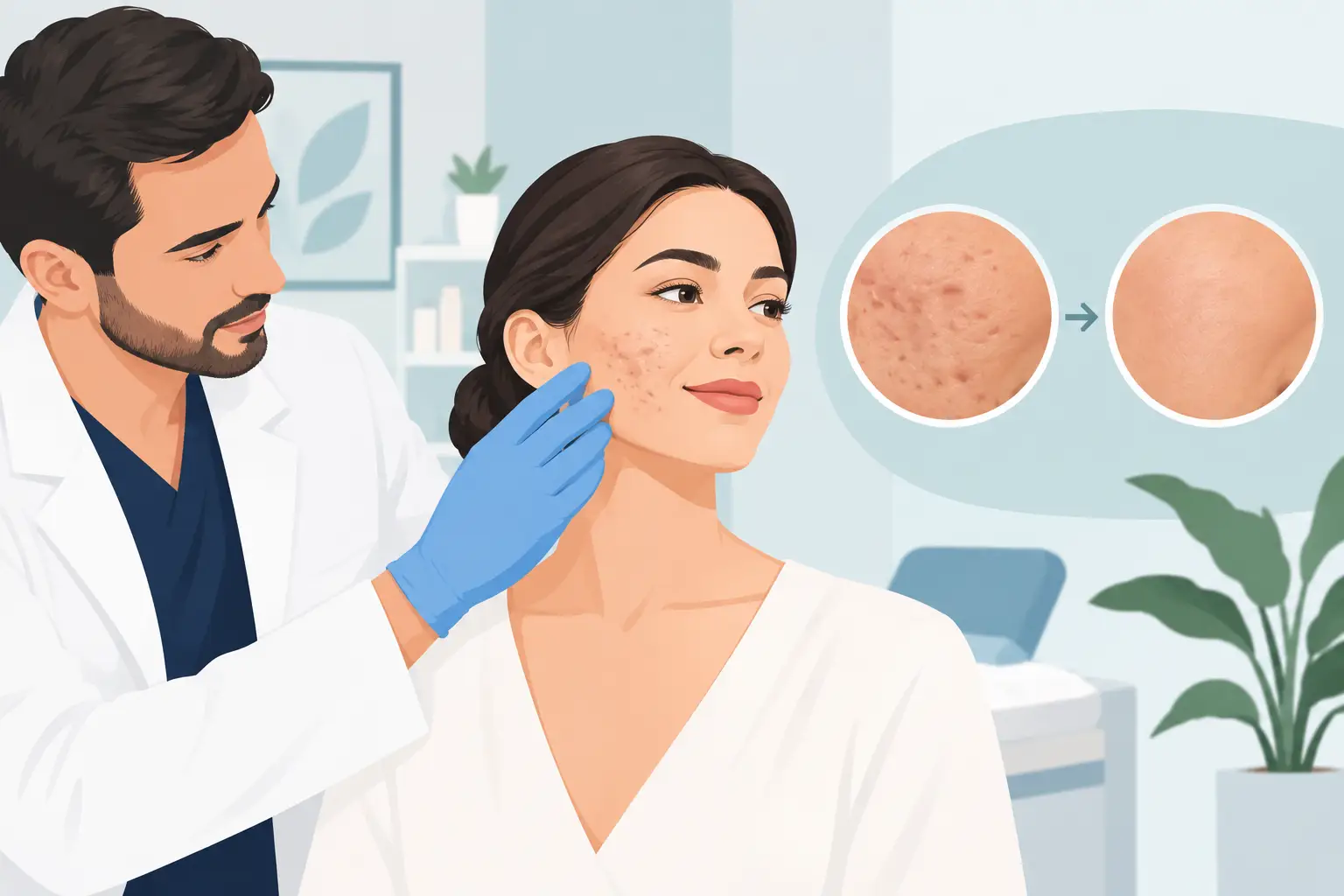


Achieving radiant, youthful skin is a priority for many, yet daily stress and environmental factors can leave your complexion looking tired and dull. Facial rejuvenation through massage offers a proven, accessible method to revitalise your appearance without invasive procedures. This comprehensive guide walks you through precise facial massage techniques that enhance circulation, promote lymphatic drainage, and restore your skin’s natural glow. Whether you’re new to facial massage or looking to refine your routine, these step by step instructions will help you unlock visible improvements in skin tone, firmness, and overall radiance.
Table of Contents
- Understanding Facial Massage: Benefits And Science
- Preparing For Your Facial Massage Session
- Step By Step Facial Massage Techniques For Effective Results
- Common Mistakes, Safety Tips, And Expected Benefits
- Enhance Your Facial Rejuvenation At The Aesthetics Room
- FAQ
Key takeaways
| Point | Details |
|---|---|
| Enhanced circulation | Facial massage increases blood and lymph circulation, leading to brighter and tighter skin. |
| Lymphatic drainage | Very light, rhythmic strokes help move excess fluid toward functioning lymph nodes, reducing puffiness. |
| Muscle relaxation | Regular massage reduces tension and improves facial symmetry for a more balanced appearance. |
| Cumulative benefits | Consistent practice 2 to 3 times weekly delivers long term improvements in skin health and vitality. |
| Safe technique | Gentle pressure and proper stroke direction are essential to avoid damaging delicate facial tissues. |
Understanding facial massage: benefits and science
Facial massage is a therapeutic technique targeting the face, neck, and décolletage through gentle, rhythmic manipulation. Unlike body massage, it focuses on superficial tissue layers where delicate lymphatic vessels and facial muscles reside. The primary benefits stem from enhanced blood flow, which delivers oxygen and nutrients to skin cells, and improved lymphatic drainage, which removes metabolic waste and reduces fluid retention.
Facial massage primarily affects fluid dynamics and superficial tissue function, promoting lymphatic drainage and reducing interstitial fluid accumulation. This process addresses common concerns such as morning puffiness, dark circles, and dull complexion. When performed correctly, massage stimulates collagen production through increased circulation, supporting skin elasticity over time.
The technique relies on specific stroke patterns that follow lymphatic pathways. Light pressure applied in the direction of lymph flow encourages the movement of fluid toward active lymph nodes located near the ears, jawline, and collarbone. This gentle approach distinguishes facial massage from deeper tissue work, as excessive pressure can damage fragile capillaries and lymphatic vessels.
Muscle relaxation represents another significant benefit. Facial muscles, particularly around the jaw and forehead, hold tension from stress and repetitive expressions. Targeted massage releases this tension, improving facial symmetry and reducing the appearance of expression lines. Scientific evidence supports these effects when massage is practised consistently rather than as a one off treatment.
Key benefits of regular facial massage include:
- Improved skin tone and texture through enhanced nutrient delivery
- Reduced appearance of fine lines via collagen stimulation
- Decreased puffiness and dark circles from efficient lymphatic drainage
- Relaxed facial muscles leading to a more refreshed appearance
- Enhanced product absorption when performed before applying serums
“The cumulative effect of regular facial massage creates lasting improvements in skin vitality, with results becoming more pronounced over weeks of consistent practice.”
Understanding these mechanisms helps you appreciate why professional facial massage techniques emphasise precision and consistency. The science behind facial massage validates its place in comprehensive skincare routines, particularly when combined with quality products and healthy lifestyle habits.
Preparing for your facial massage session
Proper preparation sets the foundation for an effective facial massage. The first step in a professional facial treatment is client consultation to ensure suitability, even when performing self massage. Assess your skin type, identify any sensitivities, and note areas requiring special attention such as congestion around the nose or tension in the jaw.
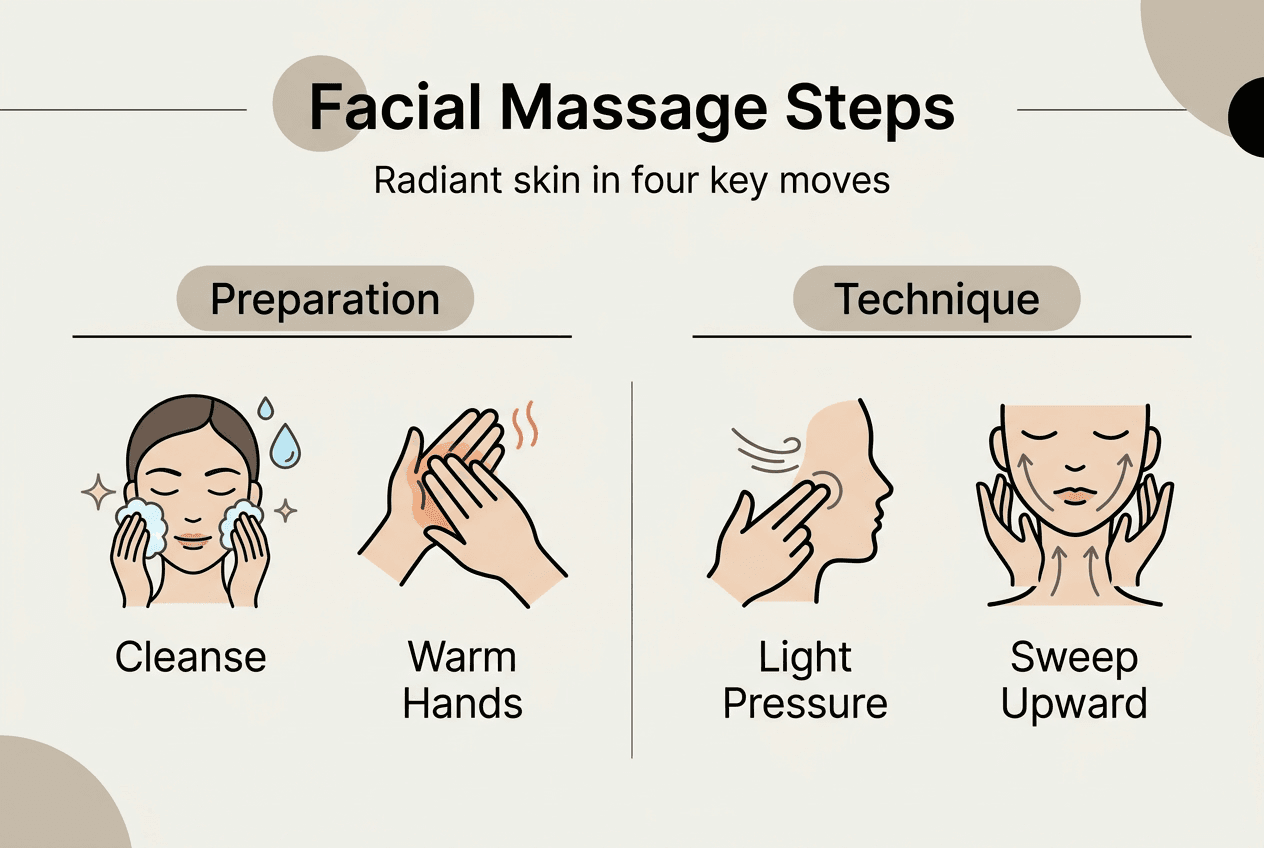
Cleansing is essential before beginning. A pre-cleanse removes makeup, oils, and sebum, similar to double cleansing at home. Start with an oil based cleanser to dissolve makeup and sunscreen, followed by a water based cleanser to remove remaining impurities. This two step process ensures your skin is perfectly clean, allowing massage oils or serums to penetrate effectively without trapping debris in pores.
Creating a relaxing environment enhances the therapeutic benefits. Dim lighting, comfortable temperature, and minimal distractions help you focus on the massage movements and encourage facial muscles to release tension. Consider playing soft music or ensuring a quiet space where you won’t be interrupted for at least 10 to 15 minutes.
Gather your tools and products beforehand:
- Clean hands or freshly washed massage tools such as gua sha or jade rollers
- Facial oil, serum, or cream providing sufficient slip for smooth movements
- Mirror for observing technique and ensuring even coverage
- Towel or headband to keep hair away from your face
- Bowl of warm water if using hot towel compress beforehand
Choose products suited to your skin type. Lightweight oils like jojoba or rosehip work well for most skin types, whilst richer formulations benefit dry or mature skin. Avoid products containing irritating ingredients or strong fragrances that might distract from the relaxation process. The beauty consultation process at professional clinics typically includes product recommendations tailored to individual needs.
Timing matters when scheduling your massage. Morning sessions effectively reduce overnight fluid accumulation, whilst evening massages promote relaxation before sleep. Avoid performing facial massage immediately after harsh exfoliation, chemical peels, or when skin shows active inflammation or breakouts.
Pro Tip: Warm your hands and massage product by rubbing them together for 10 to 15 seconds before touching your face. This simple step makes the experience more comfortable and helps products absorb more readily.
Proper preparation transforms facial massage from a rushed routine into a mindful self care practice. Taking time to set up correctly ensures you’ll achieve better results whilst minimising the risk of irritation or ineffective technique. Many who explore clinical facial treatments discover that professional preparation methods can be adapted for home use with excellent outcomes.
Step by step facial massage techniques for effective results
Mastering facial massage requires understanding proper stroke types, pressure levels, and sequencing. The foundation of effective technique lies in following lymphatic pathways and respecting the delicate nature of facial tissues. Use feather light pressure, glide in short strokes toward active lymph zones, and keep sessions to 3 to 5 minutes for lymphatic drainage or extend to 10 to 15 minutes when incorporating sculpting movements.
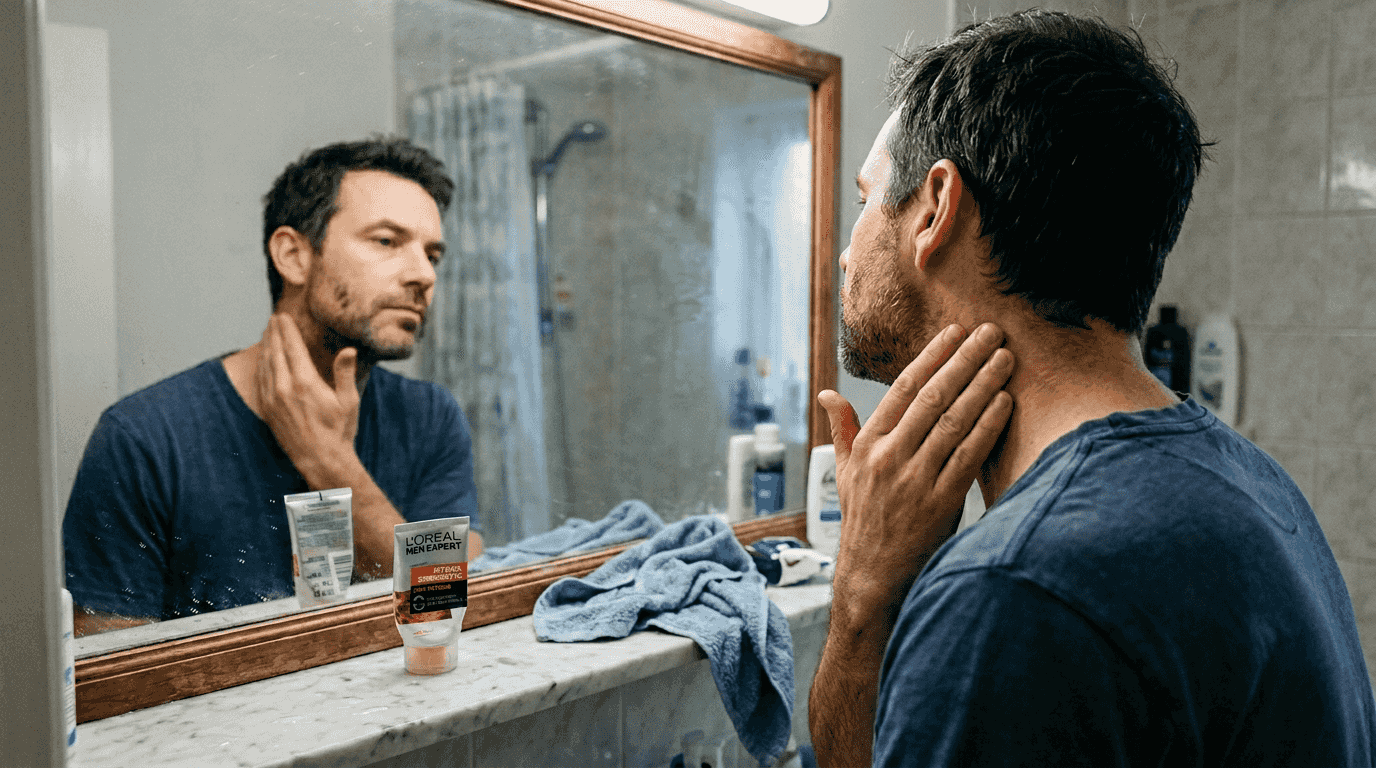
Begin every session by activating lymph nodes. Place your fingers at the base of your neck, just above the collarbone, and apply gentle pressure whilst moving outward toward your shoulders. Repeat this movement five times to prepare the primary drainage point. This crucial first step creates space for fluid to move through the lymphatic system.
Follow this systematic sequence for comprehensive coverage:
- Neck and décolletage: Using upward strokes from collarbone to jawline, encourage lymph flow whilst supporting skin elasticity in this often neglected area.
- Jawline: Start at the chin centre and glide along the jawbone toward the ears using firm but gentle pressure. This movement addresses tension and promotes definition.
- Cheeks: From the nose corners, sweep outward and upward toward the temples in smooth arcs. Cover the entire cheek area with overlapping strokes.
- Under eyes: With ring fingers, tap gently from inner to outer corners, then sweep down toward the ears. Never drag or pull this delicate skin.
- Forehead: Place fingers at the centre and glide outward toward temples, then sweep down toward the ears. Address horizontal lines with gentle upward pressure.
- Finishing: Return to the neck, repeating the initial drainage movements to encourage processed fluid to exit the facial area.
Pressure guidelines are critical for safety and effectiveness. Lymphatic drainage requires pressure similar to smoothing an eyelid, barely moving the skin’s surface. For muscle work, increase pressure slightly but never to the point of discomfort. Your skin should appear slightly flushed from increased circulation but never red or irritated.
Korugi massage techniques lift and contour facial muscles for improved tone and firmness. This Korean method incorporates deeper pressure on specific muscle groups, particularly around the jawline and cheekbones. Korugi movements involve small, focused circles and lifting motions that release muscle adhesions and promote facial symmetry. Results from Korugi techniques typically develop over 24 to 48 hours as muscles relax and fluid redistribution occurs.
The following table summarises key stroke characteristics:
| Stroke type | Pressure level | Duration | Target area |
| — | — | — |
| Lymphatic drainage | Feather light | 3 to 5 minutes | Entire face and neck |
| Muscle release | Moderate, comfortable | 5 to 8 minutes | Jaw, forehead, cheeks |
| Contouring | Firm, targeted | 2 to 3 minutes | Cheekbones, jawline |
| Finishing strokes | Light, soothing | 1 to 2 minutes | Neck and décolletage |
Maintain consistent rhythm throughout your massage. Rushed, erratic movements disrupt lymphatic flow and prevent muscle relaxation. Aim for slow, deliberate strokes that take two to three seconds each. This measured pace allows you to observe your skin’s response and adjust pressure accordingly.
Breathing enhances the massage experience. Inhale deeply through your nose as you prepare each stroke, then exhale slowly through your mouth whilst performing the movement. This conscious breathing pattern reduces overall tension and helps facial muscles release more completely. Many practitioners of facial massage techniques report that coordinated breathing significantly improves results.
Pro Tip: Photograph your face before starting a regular massage routine, then take comparison photos after four weeks. Subtle improvements in facial symmetry, reduced puffiness, and enhanced glow become more apparent when viewed side by side.
Consistency trumps intensity in facial massage. Short, regular sessions deliver superior results compared to occasional lengthy treatments. Establish a routine that fits your schedule, whether that’s three focused sessions weekly or brief daily practices. The key is maintaining the habit long enough for cumulative benefits to manifest.
Common mistakes, safety tips, and expected benefits
Understanding what to avoid is as important as mastering correct technique. Excessive pressure represents the most common error, particularly among those new to facial massage. Applying force appropriate for body massage can damage delicate facial capillaries, irritate lymphatic vessels, and even worsen puffiness. Remember that facial massage does not reposition fat compartments or tighten ligaments, so aggressive manipulation won’t achieve structural changes.
Frequent mistakes to avoid include:
- Dragging or pulling skin, especially around the eyes, which accelerates elasticity loss
- Massaging over active acne, broken skin, or inflamed areas where infection could spread
- Using products without sufficient slip, causing friction and potential irritation
- Ignoring lymphatic pathways and massaging in random directions
- Expecting immediate, dramatic results similar to injectable treatments
Safety considerations ensure your practice remains beneficial. Avoid facial massage if you have active skin infections, severe rosacea, recent facial surgery, or uncontrolled skin conditions. Those with lymphoedema or certain medical conditions should consult healthcare providers before beginning lymphatic drainage. When in doubt, seek guidance from professionals experienced in facial rejuvenation to understand whether massage suits your circumstances.
Realistic expectations help you appreciate the genuine benefits whilst avoiding disappointment. Regular facial massage reduces muscle tension and improves facial symmetry, but these changes develop gradually. Most people notice reduced morning puffiness within days of starting a consistent routine, whilst improvements in skin texture and tone become apparent after three to four weeks.
Expected benefits from regular practice include:
- Visibly reduced puffiness, particularly around eyes and jawline
- Improved circulation resulting in a healthy, natural glow
- Relaxed facial muscles creating a more rested appearance
- Enhanced product absorption and effectiveness
- Temporary lifting effect lasting several hours post massage
- Long term improvements in skin firmness and elasticity
Timing influences how quickly you observe results. Morning massage addresses overnight fluid accumulation immediately, whilst evening sessions promote relaxation that improves sleep quality and, consequently, skin appearance. Some benefits, such as the lifted look from Korugi techniques, develop over 24 to 48 hours as muscles fully relax and fluid redistribution completes.
Perform facial massage two to three times weekly for optimal cumulative effects. This frequency allows your skin to respond without overstimulation. Daily practice is acceptable for gentle lymphatic drainage, but limit deeper muscle work to avoid irritation. Listen to your skin’s feedback. If you notice persistent redness, increased sensitivity, or breakouts, reduce frequency or pressure.
“The true value of facial massage lies in its ability to support overall skin health through improved circulation and lymphatic function, not in replacing medical aesthetic procedures.”
Document your journey to track progress objectively. Note changes in morning puffiness, skin texture, and how quickly your complexion recovers from stress or late nights. These observations help you refine your technique and maintain motivation during the initial weeks when changes are subtle. Understanding the realistic scope of facial massage effectiveness prevents disappointment whilst allowing you to appreciate the genuine improvements this practice delivers.
Enhance your facial rejuvenation at The Aesthetics Room
Whilst facial massage delivers impressive results for skin vitality and relaxation, combining this practice with professional treatments creates comprehensive rejuvenation. The Aesthetics Room in London’s prestigious Knightsbridge offers expert aesthetic services that complement your massage routine for lasting transformation.
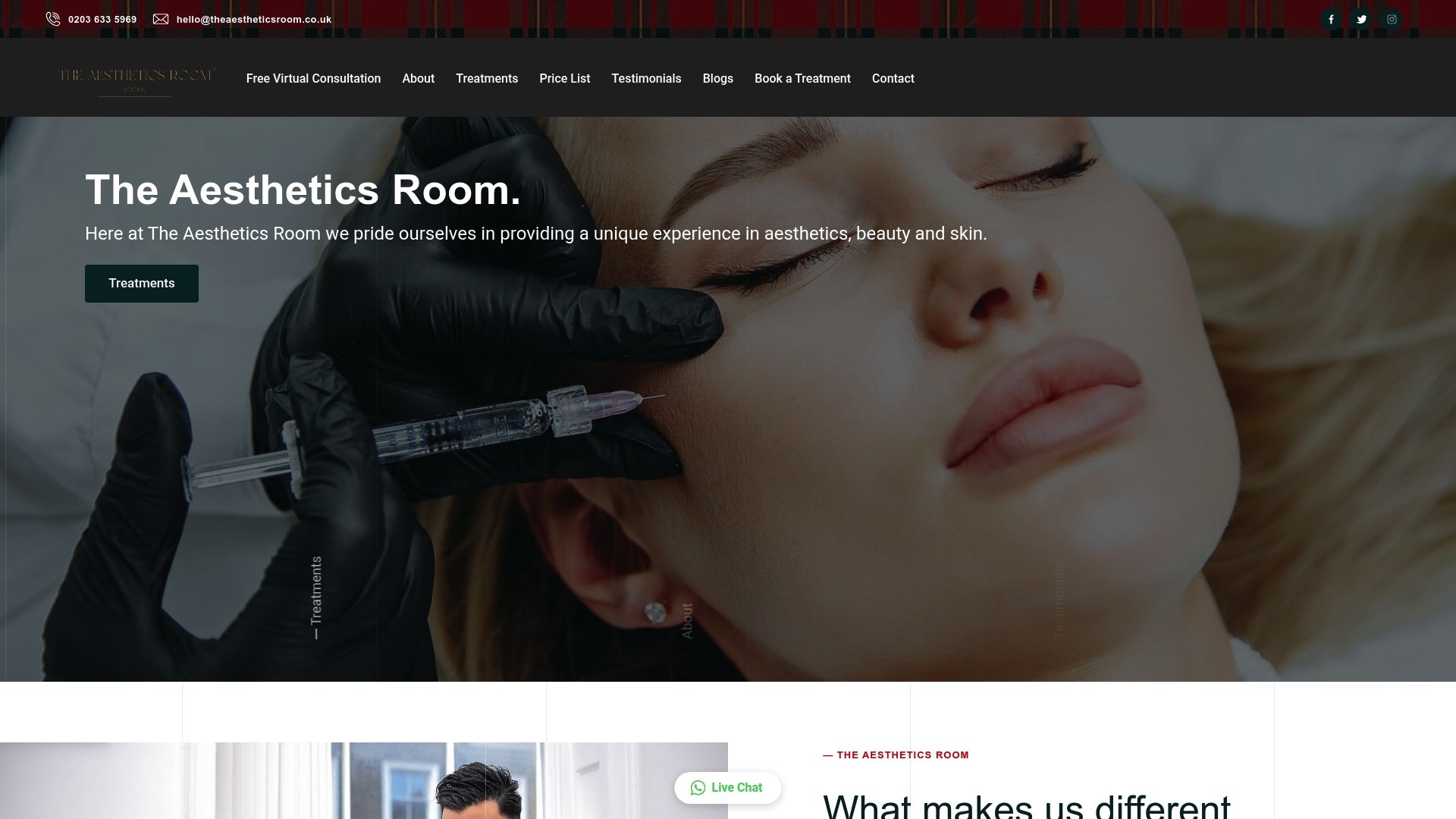
Our skin rejuvenation treatments address concerns beyond the scope of manual massage, including deeper wrinkles, volume loss, and significant textural issues. Professional botox treatments relax expression muscles for smoother skin, whilst dermal fillers restore lost volume and enhance facial contours. These medical grade procedures, when paired with your home massage practice, maximise both immediate and long term results. Our CQC accredited clinic ensures every treatment meets the highest safety standards, delivered by specialists who understand how to create natural, balanced outcomes tailored to your unique features and goals.
FAQ
How often should I perform facial massage for best results?
Perform facial massage two to three times per week for cumulative benefits without overstimulating your skin. Gentle lymphatic drainage can be practised daily, particularly in the morning to address overnight fluid accumulation. Consistency matters more than session length, so establish a sustainable routine you can maintain long term rather than intensive but irregular treatments.
Can facial massage replace medical aesthetic treatments?
Facial massage cannot reposition fat compartments, tighten ligaments, or deliver the structural changes achieved through medical procedures. It excels at improving circulation, promoting lymphatic drainage, and relaxing facial muscles for a refreshed appearance. Consider massage as a complementary practice that enhances skin health and extends the results of professional treatments rather than a replacement for them.
Is facial lymphatic drainage safe for all skin types?
Lymphatic drainage is generally safe when using feather light pressure and correct technique following natural drainage pathways. Avoid massage on inflamed, broken, or infected skin, and consult healthcare providers if you have lymphoedema or certain medical conditions. Those with sensitive skin should use hypoallergenic products and monitor for any adverse reactions during initial sessions.
What is Korugi massage and its benefits?
Korugi is a Korean facial massage technique focusing on deep muscle release and facial contouring through targeted pressure and lifting movements. Benefits include improved muscle tone, enhanced facial definition, reduced tension, and a lifted appearance that develops over 24 to 48 hours. This method requires proper training to perform safely, as it involves firmer pressure than standard lymphatic drainage techniques.