
TL;DR:
- An effective anti-aging routine relies on daily sun protection, retinoids, gentle skincare, and personalized goals.
- Lifestyle habits such as resistance training, sufficient protein intake, and quality sleep significantly impact skin aging.
- Tailored, evidence-based treatments and ongoing adjustments are key to sustainable anti-aging results.
The anti-aging market is flooded with promises, yet most products and protocols deliver far less than they claim. For women in London aged 30 to 60 who take their appearance seriously, sorting fact from fiction is genuinely challenging. The good news is that evidence-based anti-aging starts with a handful of well-researched fundamentals, including UV protection, retinoids, and smart lifestyle habits, and builds outward from there. This article cuts through the noise and delivers the practical, science-backed strategies we recommend at The Aesthetics Room to help you look and feel your very best.
Table of Contents
- How to build a results-driven anti-aging routine: essential criteria
- Top topical active ingredients: what actually works for real results
- Lifestyle factors that rejuvenate: how muscle, diet and stress impact ageing
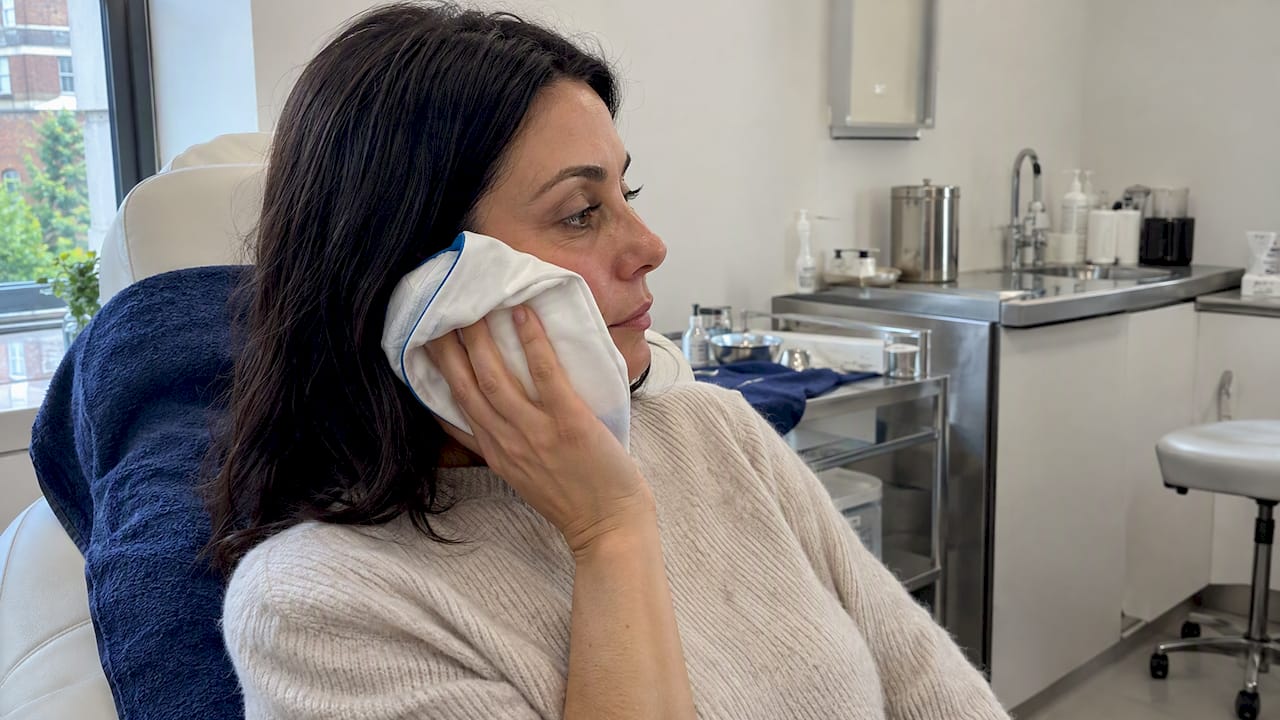
- Clinic treatments and safe innovations: what to consider in a luxury setting
- Making your anti-aging plan last: personalisation and ongoing adjustments
- What most anti-aging guides miss: why customisation is critical
- Looking for expert anti-aging treatments in London?
- Frequently asked questions
Key Takeaways
| Point | Details |
|---|---|
| Evidence matters most | Choose anti-aging strategies supported by research, not just trends or marketing. |
| Personalise your routine | Your plan should target your unique skin goals, risk profile, and comfort with actives. |
| Lifestyle amplifies results | Simple habits like strength training, protein intake, and sleep dramatically boost appearance and well-being. |
| Clinic care maximises gains | Professional treatments offer powerful results when chosen with expert guidance. |
| Adapt as you age | Regularly review your anti-aging plan and adjust for your changing needs and new evidence. |
How to build a results-driven anti-aging routine: essential criteria
Now that we’ve established why you need trustworthy, science-backed advice, let’s clarify what matters most when building your anti-aging routine.
A successful anti-aging plan is not a single product or a one-off treatment. It is a structured, personalised approach that starts with proven foundations and layers in more advanced strategies as your needs evolve. Many women make the mistake of jumping straight to high-tech solutions before establishing the basics, which often leads to disappointment and wasted investment.
Here are the core criteria to guide every decision you make:
- Sun protection every single day. UV exposure is the leading driver of visible skin ageing. A broad-spectrum SPF 30 or higher, used consistently, is non-negotiable.
- Retinoids as your cornerstone active. Topical retinoids improve photoaging and remain the most well-evidenced topical category available.
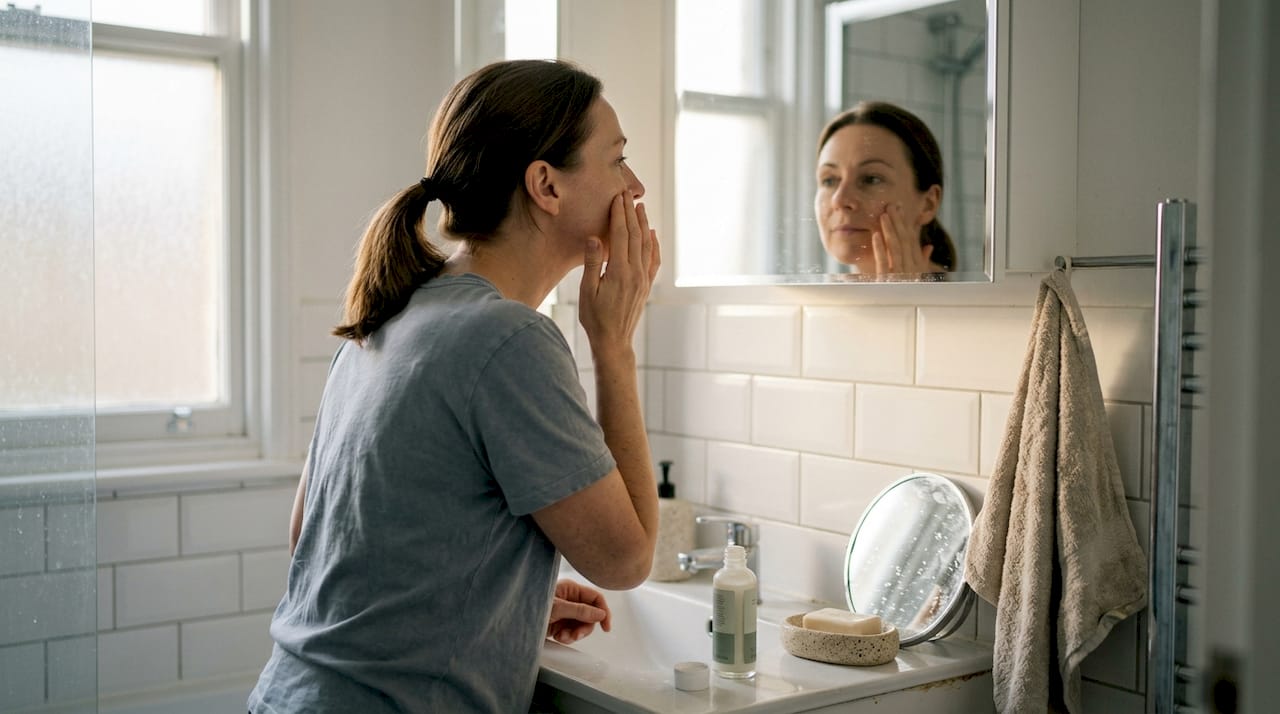
- Gentle, consistent cleansing. Over-stripping the skin weakens its barrier, making every other treatment less effective.
- Defined personal goals. Are you targeting fine lines, deeper wrinkles, uneven pigmentation, or skin texture? Your answer shapes every product and treatment choice.
- Tolerability first. Even the most effective ingredient is useless if your skin cannot tolerate it long enough to see results.
Pro Tip: Use our anti-aging checklist as a practical starting framework before investing in any new treatment or product. It helps you identify gaps and prioritise the changes that will make the greatest difference for your specific skin type.
Once your goals and foundations are established, the skincare workflow guide we’ve developed can help you sequence products correctly so each one performs at its best.
Top topical active ingredients: what actually works for real results
Once you know what your skin needs and values, it’s time to select topical ingredients that deliver on those goals.
Not all anti-aging actives are created equal. Some have decades of randomised controlled trial (RCT) data behind them. Others are still establishing their evidence base. Knowing the difference protects your skin and your budget.
Here is a ranked overview of the most commonly used anti-aging actives:
- Tretinoin is the gold standard. A 2025 network meta-analysis of RCTs found that isotretinoin, retinol, and tretinoin all improved fine wrinkles, while tazarotene was most effective for coarse wrinkles. Crucially, tretinoin showed the best safety profile overall.
- Tazarotene is highly effective for deeper wrinkles but carries a significantly higher risk of adverse events such as irritation, redness, and peeling. It suits women with resilient skin who want aggressive correction.
- Retinol (over-the-counter) is a gentler entry point into the retinoid family. It converts to retinoic acid in the skin, making it less potent but more tolerable than prescription options.
- Glycolic acid (an alpha hydroxy acid, or AHA) exfoliates the skin surface, improving texture and brightness. However, glycolic acid carries higher adverse-event risks than tretinoin in comparative studies, so introduce it gradually.
- Glutathione is an emerging antioxidant used both topically and orally. Clinical research combining glutathione with microneedling in women aged 30 to 60 has reported improvements in pigment and texture with good tolerability, though studies remain small and further research is needed.
| Ingredient | Primary benefit | Evidence level | Main risk |
|---|---|---|---|
| Tretinoin | Fine lines, texture | Very strong (RCTs) | Initial irritation |
| Tazarotene | Coarse wrinkles | Strong (RCTs) | Higher adverse events |
| Retinol | Fine lines, mild texture | Moderate | Low irritation |
| Glycolic acid | Exfoliation, brightness | Moderate | Sensitivity, redness |
| Glutathione | Pigment, radiance | Emerging | Minimal to date |
For a detailed breakdown of which formulation suits your skin stage, our guide to retinoid options walks through each type in plain language. If fine lines are your primary concern, our dedicated resource on solutions for fine lines explains how to combine ingredients safely and effectively.
Pro Tip: Start any new retinoid two nights per week and build up gradually. This “low and slow” approach significantly reduces the purging and irritation that causes many women to abandon retinoids before they see results.
Lifestyle factors that rejuvenate: how muscle, diet and stress impact ageing
Skin treatments alone aren’t the full story: real anti-aging includes habits that shape your body and mind.
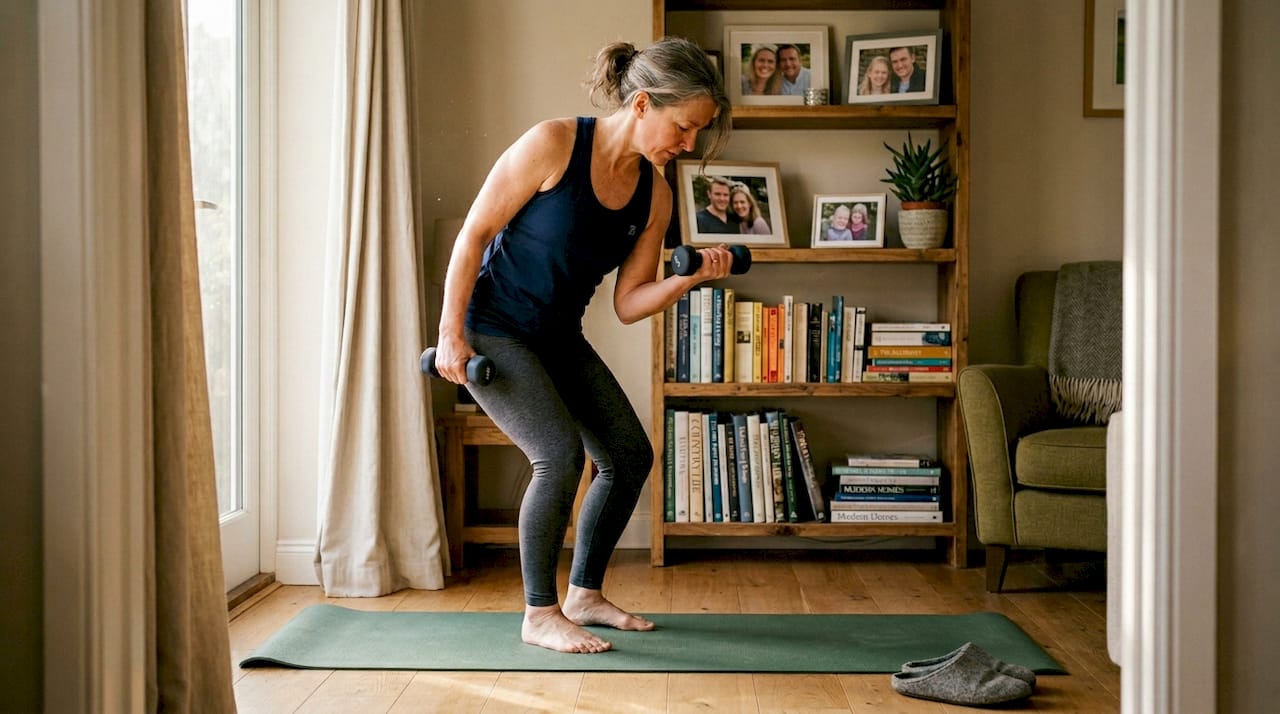
Many women focus entirely on topical products and clinic treatments, yet the most dramatic changes in how we age often come from what we do away from the bathroom mirror. Three factors stand out above all others: resistance training, protein intake, and sleep quality.
Muscle loss and why it matters visually
Women lose roughly 3 to 5 percent of muscle mass per decade after age 30, and this accelerates further post-menopause. Loss of muscle affects not just strength but also the contours of the face and body. Strength training and protein intake are among the highest-impact anti-aging behaviours available to women in their 30s, 40s, and 50s.
Protein targets for muscle maintenance
Aim for approximately 80 to 100 grams of protein per day to support muscle retention. Practical ways to reach this include:
- Two eggs at breakfast (12g protein)
- A palm-sized portion of salmon or chicken at lunch (30 to 40g)
- A Greek yoghurt snack (15 to 20g)
- A legume-based dinner such as lentil soup or chickpea curry (20g)
“The most underestimated anti-aging tool for women over 30 isn’t a serum. It’s lifting weights consistently and eating enough protein to fuel recovery.” We see this play out in our clients time and again.
Sleep and stress: the skin connection
Sleep and stress management are essential anti-aging supports that indirectly improve skin quality and resilience. During deep sleep, the body elevates growth hormone levels and performs cellular repair. Chronic stress raises cortisol, which degrades collagen and accelerates visible ageing.
For expert-backed wrinkle-smoothing tips that integrate both lifestyle and skincare strategies, we’ve compiled a practical guide specifically for our London clients.
| Lifestyle factor | Key target | Anti-aging benefit |
|---|---|---|
| Strength training | 2 to 3 sessions per week | Muscle retention, improved skin firmness |
| Protein intake | 80 to 100g per day | Collagen synthesis, muscle repair |
| Sleep | 7 to 9 hours per night | Cellular repair, reduced inflammation |
| Stress management | Daily mindfulness or breathing practice | Lower cortisol, slowed collagen breakdown |
Clinic treatments and safe innovations: what to consider in a luxury setting
Once your home and lifestyle routines are optimised, professional treatments can push your results further, if you choose wisely.
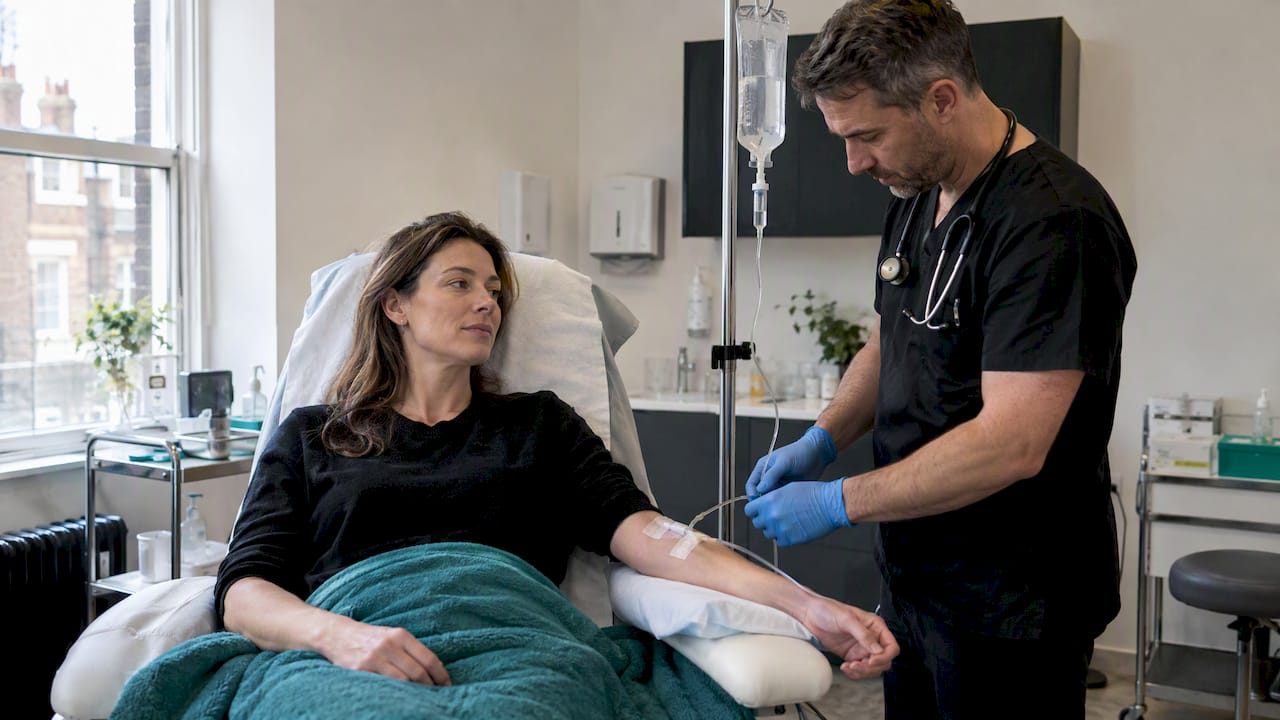
Professional treatments offer a level of precision and penetration that home skincare simply cannot match. In a reputable London clinic, you have access to evidence-led protocols delivered by qualified practitioners who tailor every session to your individual skin profile.
The most established clinic-based options for women aged 30 to 60 include:
- Microneedling. Tiny, controlled micro-injuries stimulate collagen and elastin production. Results are gradual but cumulative, improving skin texture, fine lines, and mild laxity over a series of sessions.
- Injectables: Botox and dermal fillers. Botulinum toxin (Botox) relaxes dynamic wrinkles such as forehead lines and crow’s feet. Hyaluronic acid fillers restore volume and definition to areas such as the cheeks, lips, and jawline.
- Hybrid and combination treatments. Pairing injectables with energy-based treatments or skin boosters often produces superior outcomes compared to single-modality approaches.
Emerging protocols: glutathione plus microneedling
Small-sample research supports combined glutathione and microneedling for pigment correction and texture improvement, but it is important to note that larger studies are still needed. We encourage our clients to discuss any novel protocols candidly with their practitioner before proceeding. Promising improvements from boutique protocols such as these are genuine, but they represent emerging evidence rather than established standard of care.
What to look for in a luxury clinic
- CQC accreditation (Care Quality Commission), which confirms regulatory compliance
- Practitioners with medical qualifications and ongoing professional development
- Transparent consultations that explain risks alongside benefits
- No pressure to purchase multiple treatments upfront
Pro Tip: Always ask for a full skin assessment before any clinic treatment. A qualified practitioner will assess your skin’s condition, discuss your goals, and explain exactly what a treatment can and cannot achieve for you specifically. This protects both your safety and your results.
For an overview of what modern professional treatments can offer, our advanced skin treatments guide covers the full spectrum available to London clients.
Making your anti-aging plan last: personalisation and ongoing adjustments
Even the best anti-aging regimen isn’t static. Your needs and the available science will both shift, and here’s how to stay on track.
Skin changes with hormonal shifts, seasons, stress levels, and the natural passage of time. A plan that worked brilliantly at 38 may need meaningful adjustment at 48. The women who achieve the most consistent, satisfying results are those who treat their anti-aging routine as a living plan rather than a fixed prescription.
Follow these steps to keep your plan performing over the long term:
- Review your routine annually. Book a skin assessment each year to evaluate what is working and what needs updating. New ingredients, treatments, and technologies emerge regularly.
- Track your skin’s response honestly. If an ingredient is causing persistent irritation after eight weeks, it is not the right fit regardless of how well it works in trials.
- Update for hormonal changes. Menopause significantly alters skin hydration, collagen density, and sensitivity. Your routine should adapt accordingly.
- Stay curious but sceptical. Tailor topical anti-aging options by goal and side-effect risk, combining evidence-based foundations with lifestyle inputs for the safest and most effective results.
- Maintain your lifestyle foundations. Protein intake, sleep, and sun protection are not optional extras. They underpin every other strategy in your plan.
Pro Tip: For bespoke anti-aging advice tailored to your skin’s current stage and your aesthetic goals, a one-to-one consultation with one of our practitioners is the most efficient way to build a plan that genuinely fits your life.
What most anti-aging guides miss: why customisation is critical
Most anti-aging content is written for a mythical “average woman.” The reality is that no two women age in quite the same way. Skin type, ethnicity, hormonal status, lifestyle, stress load, and personal tolerance for treatments all interact to produce a unique ageing pattern. Generic advice can only take you so far.
We see this regularly in our clinic. A woman in her late 40s with fair, sun-damaged skin and good tolerance for retinoids needs an entirely different programme from a woman of the same age with olive skin, hormonal pigmentation, and sensitivity to actives. Applying the same generic protocol to both would underserve both of them.
The most meaningful advances in anti-aging come not from discovering a new miracle ingredient but from combining evidence-based foundations with interventions tailored to each person’s biology and lifestyle. This is where truly transformative results happen.
The other gap we see in most guides is a failure to account for psychological comfort. Some women are open to regular injectables and advanced clinic protocols. Others prefer to keep their approach non-invasive. Both are entirely valid, and both can achieve excellent results when the plan is built around the individual rather than imposed from outside. Our resource on customised treatments explores how we adapt our approach for different clients, concerns, and skin profiles.
Trust a provider who listens more than they speak in your first consultation. That listening is the foundation of a plan that will genuinely serve you for years.
Looking for expert anti-aging treatments in London?
For women who value results and safety, partnering with a proven London clinic makes all the difference.
At The Aesthetics Room, we specialise in bespoke, evidence-led anti-aging treatments for women aged 30 to 60. Our Knightsbridge clinic brings together injectables, advanced skin therapies, and hybrid treatment protocols, all delivered by qualified, CQC-accredited practitioners in a genuinely luxurious setting.

Whether you’re exploring London dermal fillers for volume restoration, premium Botox treatments for dynamic lines, or want to understand which skin therapies will serve your skin best, our team will build a personalised plan around your goals and comfort level. Our skin rejuvenation guide is a great starting point to explore your options. Book a consultation today and take the first step toward a plan that truly works for you.
Frequently asked questions
Are retinoids really safe for daily use in your 40s or 50s?
Most women tolerate retinoids well with consistent use, and tretinoin has the most favourable profile among topical retinoids. Your provider can help select the right strength and application frequency for your skin’s current condition.
What is the best way to start strength training for anti-aging benefits?
Begin with two to three short weekly sessions focusing on major muscle groups, building intensity gradually over time. Strength training and protein intake together support muscle and bone health, both of which decline after 30.
Do I need a prescription for the most effective anti-aging skincare ingredients?
Prescription retinoids like tretinoin are typically stronger for wrinkle reduction, and RCTs found tretinoin, retinol, and isotretinoin improved fine wrinkles with tretinoin offering the best safety profile. Many effective ingredients, including retinol and glycolic acid, are available without a prescription.
How important is sleep for anti-aging?
Sleep and stress management are fundamental inputs for skin resilience and youthful appearance, supporting cellular repair and reducing inflammation overnight. Consistent, high-quality sleep is one of the most cost-effective anti-aging tools available.
Should I try glutathione or microneedling-based treatments?
These protocols show genuine promise, but glutathione plus microneedling studies remain small scale and further research is needed. Discuss the potential benefits, current evidence, and your individual suitability with a reputable clinic before proceeding.
Recommended
- The ultimate anti-aging checklist for radiant, youthful skin – The Aesthetics Room
- 7 Expert-Recommended Anti-Wrinkle Solutions List for London Women – The Aesthetics Room
- 7 Expert Tips to Reduce Wrinkles for Smoother Skin – The Aesthetics Room
- 6 Essential Anti-Ageing Treatments for a Youthful Glow – The Aesthetics Room
- Anti-Envejecimiento
- The Role of Essential Oils in Natural Skincare and Wellness