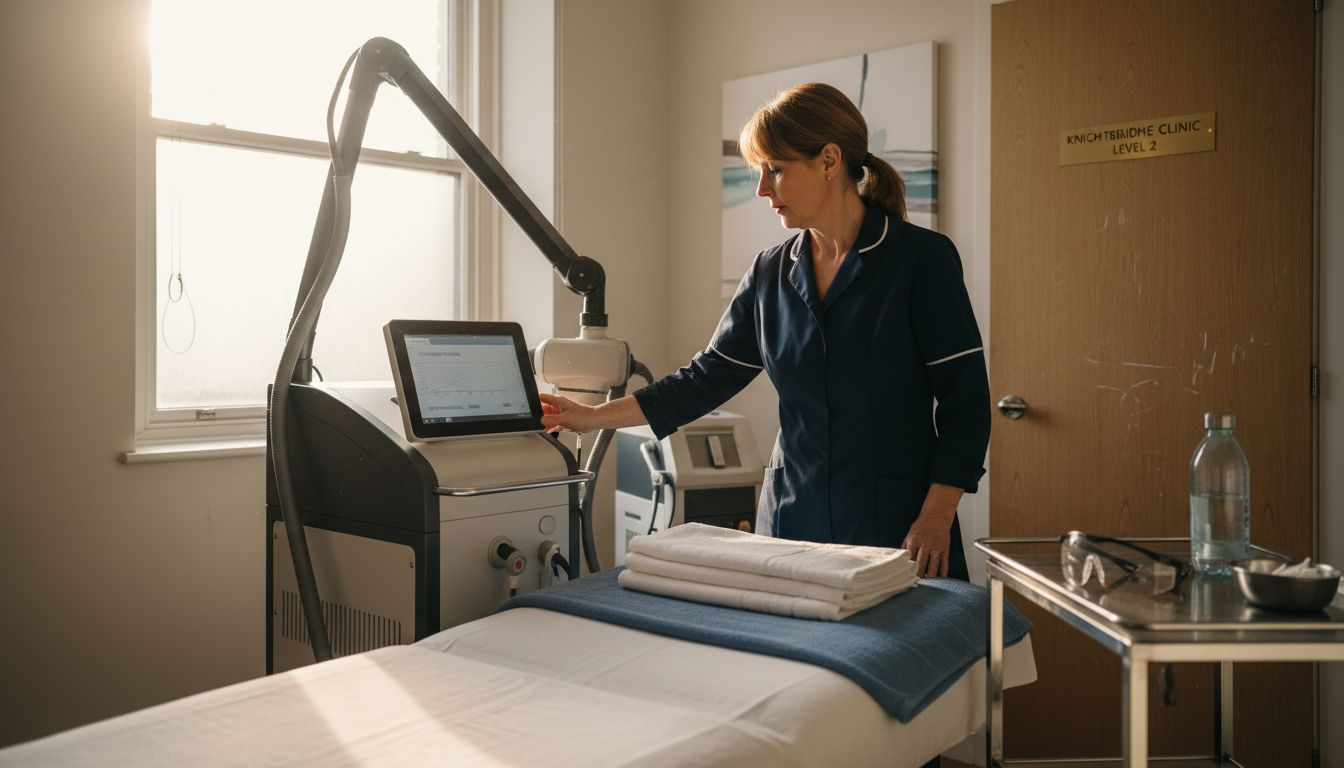

Laser aesthetic treatments are often dismissed as harsh interventions producing unnatural results. Yet data reveals 85% of patients prefer subtle, natural improvements when choosing laser rejuvenation. Modern laser technology has revolutionised non-invasive skin enhancement in luxury London clinics, offering precise, personalised solutions with minimal downtime. This guide clarifies how lasers work, their biological mechanisms, safety standards, and how they compare with other aesthetic options to help you make informed decisions about your skin health.
Table of Contents
- Introduction To Laser Treatments In Aesthetics
- Laser Technologies And Mechanisms
- Mechanisms Of Laser Skin Rejuvenation
- Personalisation And Patient Experience
- Safety And Regulatory Standards
- Treatment Outcomes And Longevity
- Comparison With Other Aesthetic Treatments
- Common Misconceptions And Expectations
- Conclusion And Practical Guidance
- Discover Luxury Laser Aesthetic Treatments At The Aesthetics Room
Key takeaways
| Point | Details |
|---|---|
| Collagen synthesis | Lasers stimulate natural collagen production for subtle skin rejuvenation without surgery. |
| Advanced precision | Fractional and pico lasers offer customisable treatment options tailored to individual skin concerns. |
| AI personalisation | Technology-driven diagnostics improve safety by 30% and patient satisfaction by 40%. |
| Minimal downtime | Recovery ranges from 2 to 7 days, far less than surgical alternatives requiring weeks. |
| Lasting results | Effects typically last 6 to 12 months with quarterly maintenance sessions. |
Introduction to laser treatments in aesthetics
Laser aesthetic medicine has evolved dramatically over three decades. Early ablative lasers required extensive recovery periods and carried higher risks, limiting their appeal to only the most committed patients. Today’s advanced technology delivers precise, controlled energy to stimulate your skin’s natural healing processes without extensive trauma.
Affluent London clientele increasingly seek these treatments because they align perfectly with luxury lifestyle expectations. You receive sophisticated, scientifically backed enhancements without prolonged social downtime or obvious intervention signs. Advanced fractional lasers stimulate collagen production with minimal downtime compared to older ablative systems, making them ideal for busy professionals.
Key drivers powering this surge include:
- Precision targeting specific skin concerns without affecting surrounding tissue
- Safety profiles continuously improved through rigorous clinical testing and regulatory oversight
- Minimal recovery time allowing you to return to normal activities within days
- Advanced technology enabling bespoke solutions tailored to your unique skin type and aesthetic goals
The shift towards top non-surgical face lifts in London reflects broader consumer preference for natural enhancement over dramatic transformation. You maintain your authentic appearance whilst addressing specific concerns like fine lines, uneven tone, or textural irregularities.
Laser technologies and mechanisms
Understanding the technical aspects helps you appreciate why different laser types suit different needs. Fractional lasers create microscopic treatment zones in your skin, leaving surrounding areas intact to speed healing. Pico lasers deliver ultra-short energy pulses measured in picoseconds, shattering pigment particles more effectively than traditional nanosecond systems.
Selective photothermolysis is the scientific principle underlying laser aesthetics. Specific wavelengths target particular skin structures like melanin or haemoglobin without damaging adjacent tissue. This precision minimises side effects whilst maximising therapeutic benefits.
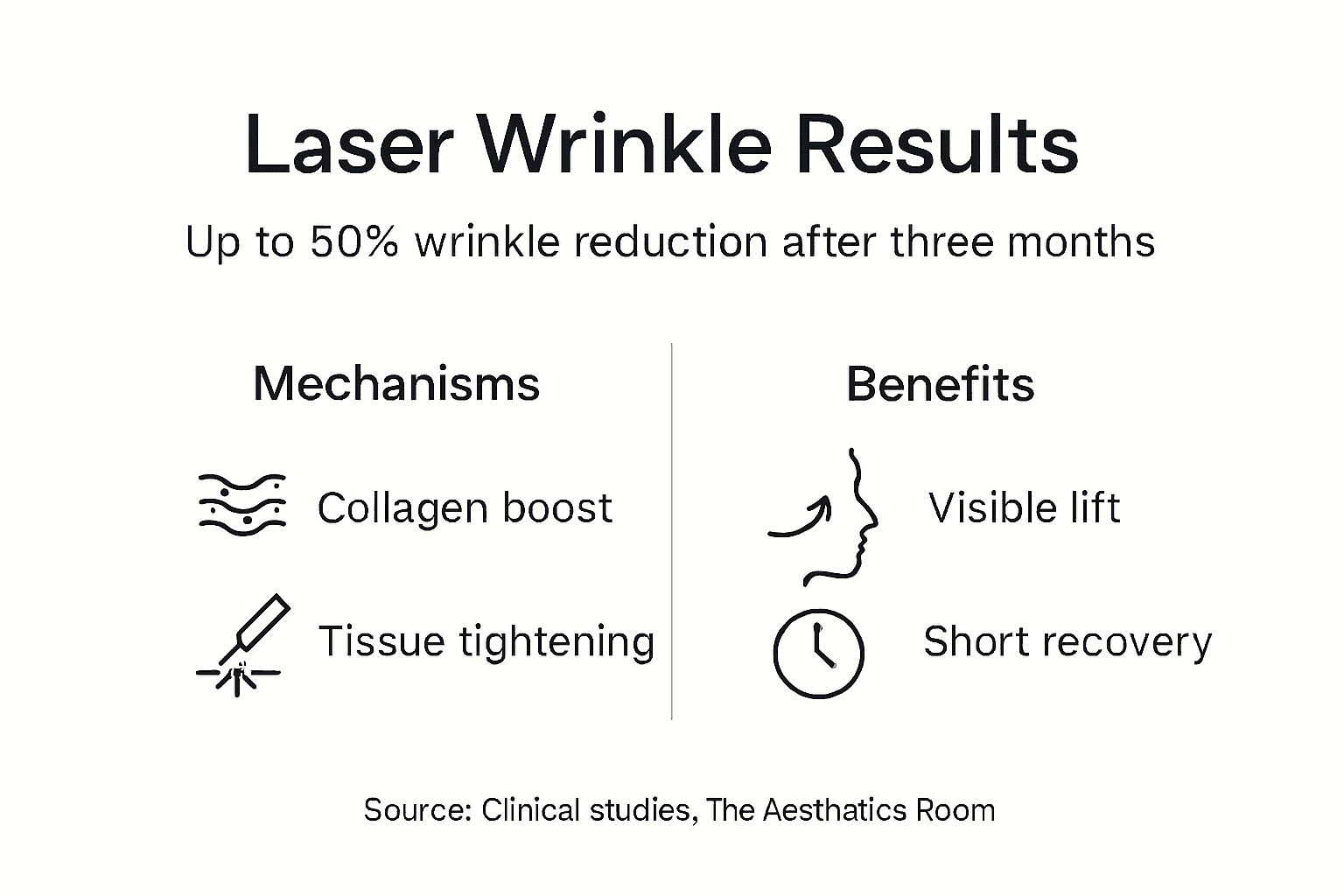
Fractional lasers reduce wrinkle depth by up to 50% within 3 months with typical recovery under 7 days. The controlled micro-injuries trigger your body’s natural repair mechanisms, boosting collagen and elastin synthesis. These structural proteins provide the foundation for firmer, smoother skin texture you notice weeks after treatment.
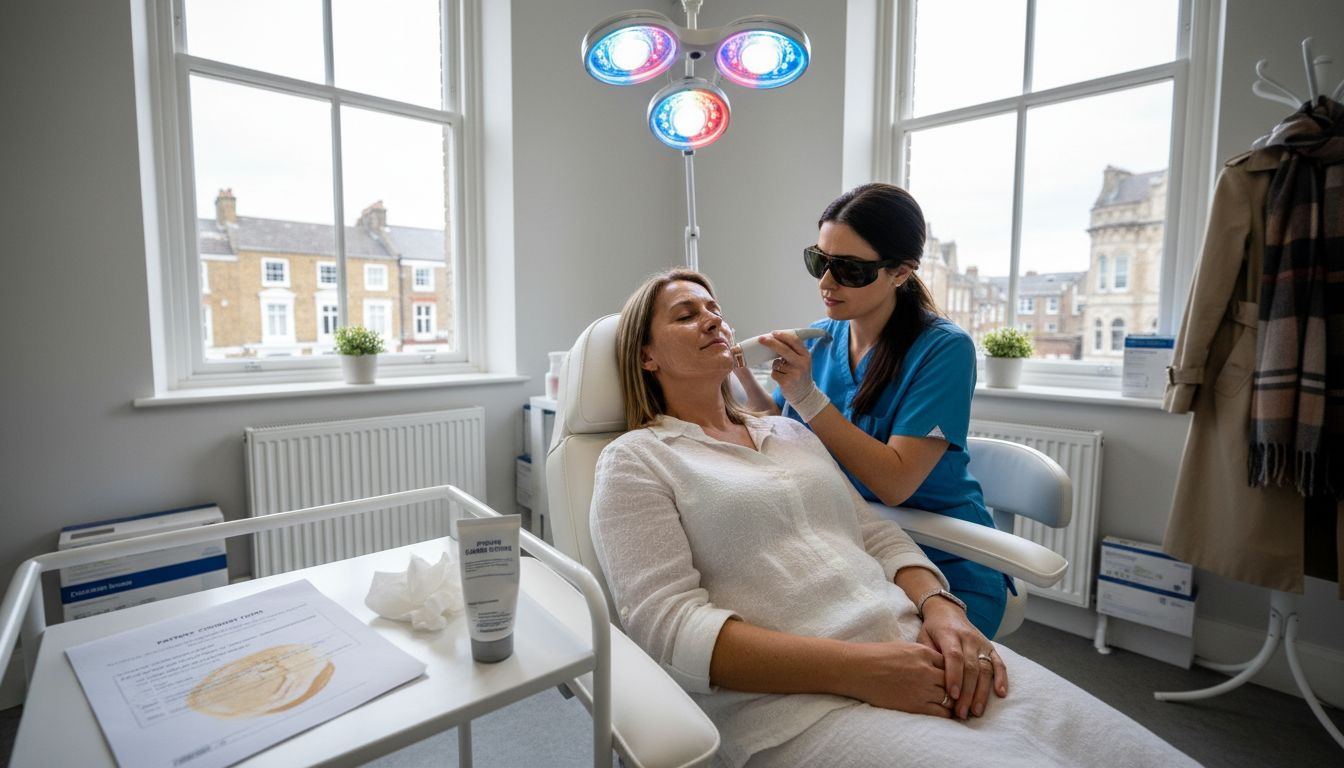
Pico lasers reduce pigmentation in 70 to 80% of patients after 2 to 3 sessions, offering efficient correction with fewer appointments. This efficiency particularly appeals to busy individuals who value their time.
Key laser categories include:
- Fractional ablative: Removes microscopic skin columns for dramatic texture improvement with moderate downtime
- Fractional non-ablative: Heats deeper layers without surface damage for gentler rejuvenation
- Pico lasers: Ultra-short pulses target pigmentation and tattoos with minimal heat and faster recovery
- Vascular lasers: Address redness, broken capillaries, and rosacea through targeted blood vessel treatment
Each technology offers distinct advantages. Your clinician selects the optimal approach based on your specific concerns, skin type, and lifestyle requirements. Understanding collagen stimulation and skin regeneration mechanisms helps you set realistic expectations about treatment timelines and maintenance needs.
Mechanisms of laser skin rejuvenation
The biological cascade triggered by laser treatment unfolds over weeks and months. Initially, controlled skin injury by lasers induces collagen synthesis and dermal heating promotes skin tightening through thermal effects penetrating beneath the surface. This heat stimulates fibroblasts, the cells responsible for producing collagen and elastin fibres.
Your skin responds through four distinct phases:
- Immediate effect: Mild inflammation triggers your immune system to begin repair processes within hours
- Healing phase: New collagen fibres form over 2 to 4 weeks as your body replaces damaged tissue
- Collagen remodelling: Continued synthesis and organisation occur for 3 to 6 months post-treatment
- Long-term results: Visible improvements peak around 3 months and gradually diminish over 6 to 12 months
This delayed gratification differs from instant volume provided by fillers. You’re essentially investing in your skin’s regenerative capacity rather than adding external substances. The natural quality of results explains why many prefer this approach despite the patience required.
Thermal effects in the dermis create tissue tightening you notice as subtle lifting and firming. This mechanism particularly benefits early signs of ageing where your skin still possesses good elasticity but needs structural reinforcement. Understanding collagen production and skin healing timelines helps you plan treatments strategically around important social or professional events.
Pro Tip: Schedule maintenance sessions every 3 to 4 months to sustain collagen production and prolong your results. Consistent touch-ups prevent regression and build cumulative improvements over time.
Personalisation and patient experience
Artificial intelligence has transformed how clinicians approach laser treatments. AI-driven facial mapping customises wavelength, pulse, and energy reducing adverse effects by 30% and increasing satisfaction by 40% compared to standardised protocols. Advanced diagnostic systems analyse your skin’s unique characteristics including tone, texture, pigmentation patterns, and underlying vascular structure.
This data-driven approach removes guesswork. Your clinician can predict how your skin will respond to specific parameters and adjust treatment intensity accordingly. Darker skin types historically faced higher risks of hyperpigmentation with laser treatments. Modern AI mapping identifies safe energy levels that deliver results without triggering unwanted pigment changes.
Personalisation extends beyond technical settings. Your aesthetic goals, tolerance for downtime, and budget constraints all factor into treatment design. Some clients prioritise rapid results before important events, whilst others prefer gradual improvement over multiple gentler sessions.
Key personalisation benefits include:
- Enhanced safety through precise parameter selection based on individual skin analysis
- Improved efficacy by targeting your specific concerns with optimal wavelengths and intensities
- Better comfort as treatment intensity matches your pain threshold and skin sensitivity
- Higher satisfaction when results align closely with your aesthetic vision and expectations
Selecting clinics offering laser treatment personalisation for safety demonstrates commitment to modern standards of care. Advanced diagnostics represent meaningful investment in technology that directly benefits you through superior outcomes and reduced risks.
Pro Tip: During consultations, ask specifically about the diagnostic technology used. Clinics offering AI-supported analysis typically deliver more predictable results with fewer complications.
Safety and regulatory standards
Laser treatments carry inherent risks that proper protocols minimise effectively. Side effects occur in under 5% of cases when protocols are properly followed, with most limited to transient redness and mild swelling resolving within days. Serious complications like scarring or permanent pigmentation changes remain extremely rare under expert care.
The Care Quality Commission regulates medical aesthetic clinics in England, setting rigorous standards for safety, hygiene, and practitioner qualifications. CQC accreditation signals commitment to excellence beyond minimum legal requirements. These facilities undergo regular inspections verifying equipment maintenance, infection control procedures, and staff training compliance.
Your role in safety extends beyond choosing accredited providers. Complete medical disclosure during consultations allows clinicians to identify contraindications. Conditions like active skin infections, recent sun exposure, or certain medications can increase complication risks. Honest communication protects you from preventable adverse events.
Safety best practices you should verify include:
- Current CQC registration displayed prominently with recent inspection reports available
- Practitioner qualifications in laser safety and aesthetic medicine from recognised institutions
- Comprehensive consultation including medical history review and patch testing when appropriate
- Detailed aftercare instructions with emergency contact information for post-treatment concerns
- Realistic discussion of potential risks specific to your skin type and chosen treatment
Understanding safety standards in London aesthetic clinics empowers informed provider selection. Never compromise on credentials or regulatory compliance for convenience or cost savings. The small premium for CQC accreditation and UK regulations compliance provides invaluable peace of mind.
Treatment outcomes and longevity
Clinical data demonstrates impressive efficacy across multiple skin concerns. Wrinkle reduction by fractional lasers can reach 50% within 3 months, with patient satisfaction rates climbing to 60 to 80% at 12 months when maintenance protocols are followed. These statistics reflect real-world outcomes rather than best-case scenarios, giving you reliable benchmarks for your own expectations.
Pigmentation correction shows similarly strong results. Most patients notice significant fading after initial treatment series, with continued improvement as melanin fragments are naturally eliminated through your lymphatic system. The gradual nature prevents the obvious “before and after” contrast that concerns many seeking discrete enhancement.
Typical treatment regimens involve 3 to 5 initial sessions spaced 4 to 6 weeks apart, followed by quarterly maintenance. This schedule aligns with your skin’s natural renewal cycles, building cumulative benefits whilst preventing regression. Skipping maintenance accelerates collagen degradation, diminishing your investment in initial treatments.
| Laser Type | Primary Benefits | Typical Downtime | Result Duration |
|---|---|---|---|
| Fractional Ablative | Deep wrinkle reduction, significant texture improvement | 5 to 7 days | 9 to 12 months |
| Fractional Non-Ablative | Subtle texture enhancement, mild tightening | 2 to 4 days | 6 to 9 months |
| Pico Laser | Pigmentation correction, tattoo removal | 1 to 3 days | 12+ months |
| Vascular Laser | Redness reduction, broken capillary treatment | 2 to 5 days | 12+ months |
Maintenance necessity stems from ongoing biological ageing. Your body continuously breaks down collagen faster than it rebuilds after age 30. Regular laser sessions counteract this decline, maintaining youthful skin architecture. Think of it as preventative care rather than repeated correction, shifting the paradigm from reactive to proactive skin health.
Understanding long-lasting skin rejuvenation methods helps you budget appropriately for sustained results. The ongoing investment in maintenance represents commitment to long-term aesthetic goals rather than quick fixes.
Comparison with other aesthetic treatments
Lasers and injectables address fundamentally different ageing concerns through distinct mechanisms. Lasers improve skin quality by stimulating collagen synthesis and correcting pigmentation irregularities. They enhance the canvas itself. Dermal fillers restore lost volume and reshape facial contours by adding hyaluronic acid beneath the skin’s surface. They modify three-dimensional structure.
Neither approach is universally superior. Your ideal treatment depends on whether quality or quantity concerns dominate your aesthetic picture. Many clients benefit from strategic combinations addressing multiple ageing dimensions simultaneously.
| Feature | Laser Treatments | Dermal Fillers | Botox |
|---|---|---|---|
| Primary Mechanism | Collagen stimulation, pigment correction | Volume restoration | Muscle relaxation |
| Main Benefits | Texture, tone, tightening | Contour, plumpness | Line prevention |
| Typical Downtime | 2 to 7 days | Minimal (hours) | None |
| Result Duration | 6 to 12 months | 9 to 18 months | 3 to 4 months |
| Best For | Texture concerns, pigmentation, overall quality | Hollow areas, lip enhancement, facial shaping | Expression lines, forehead, crow’s feet |
Combined approaches offer synergistic benefits. Improving skin quality with lasers creates a better foundation for filler placement, whilst fillers restore structural support that enhances laser results. This integrated strategy delivers comprehensive facial rejuvenation exceeding what either treatment achieves alone.
Consider these scenarios for optimal treatment selection:
- Choose lasers when texture irregularities, sun damage, or overall skin quality concerns dominate
- Select fillers for hollow temples, nasolabial folds, or lip volume enhancement needs
- Combine both when addressing comprehensive ageing affecting quality and volume simultaneously
- Add Botox for dynamic wrinkles caused by repetitive facial expressions
Understanding dermal fillers explained and benefits of fillers for face enhancement helps you appreciate how these modalities complement rather than compete with laser treatments. Expert clinicians often recommend staged approaches, addressing different concerns sequentially for optimal natural-looking results.
Common misconceptions and expectations
Myth 1 suggests laser results appear unnaturally tight or overdone. Reality contradicts this fear. 85% of patients prefer subtle results over dramatic changes with laser treatments, and modern techniques deliver exactly that refinement. The gradual improvement timeline prevents sudden transformation that draws unwanted attention. Your friends notice you look refreshed without identifying specific intervention.
Myth 2 claims laser treatments require surgical-level recovery disrupting your life for weeks. Truth reveals most modern laser procedures have downtime under 7 days, compared to 2 to 4 weeks for surgery. Many non-ablative options allow immediate return to work with only mild redness easily concealed with makeup. Strategic scheduling around weekends minimises social impact.
Myth 3 assumes all laser treatments follow identical protocols regardless of individual differences. Reality demonstrates laser treatments are highly personalised based on your unique skin characteristics, concerns, and aesthetic goals. AI-driven diagnostics and expert clinical judgement ensure customised parameters optimising your specific outcomes whilst minimising risks.
Evidence-based corrections to common misconceptions:
- Natural appearance: Gradual collagen synthesis over months creates subtle enhancement indistinguishable from healthy ageing reversal
- Manageable downtime: Strategic treatment selection balances efficacy with lifestyle needs, offering options for various recovery tolerances
- Individual customisation: Advanced diagnostics enable precise protocol adjustment matching your skin type, concerns, and goals
- Safety profile: Proper protocols and accredited facilities keep serious complication rates below 5% with most effects transient
Realistic expectations prevent disappointment. Lasers cannot replicate surgical face lift results, nor do they stop biological ageing. They represent powerful tools for maintaining and enhancing your natural appearance within realistic parameters. Understanding both capabilities and limitations helps you approach treatments with appropriate optimism tempered by practical awareness.
Conclusion and practical guidance
Modern laser aesthetic treatments deliver natural, safe, and effective skin rejuvenation when performed by qualified practitioners using advanced technology. The combination of precise targeting, minimal downtime, and personalised protocols makes lasers ideal for affluent clients seeking discrete enhancement aligned with busy lifestyles.
Successful outcomes depend significantly on provider selection. CQC-accredited clinics demonstrate commitment to safety standards protecting your wellbeing. Technologically advanced facilities offering AI diagnostics and multiple laser platforms provide flexibility for truly customised treatment plans.
Key questions during consultations ensure appropriate planning:
- What specific laser technology do you recommend for my concerns and why?
- How do my skin type and medical history affect treatment parameters and risks?
- What realistic results can I expect given my age and skin condition?
- What does your maintenance protocol involve and what are the long-term costs?
- Can I see before-and-after photos of patients with similar concerns and skin types?
Confident, informed decision-making combines thorough research with expert clinical guidance. Your investment in laser treatments represents commitment to long-term skin health rather than quick fixes. Strategic maintenance sustains results whilst building cumulative improvements over time, aligning with luxury expectations for enduring quality.
Discover luxury laser aesthetic treatments at The Aesthetics Room
Experience the perfect fusion of advanced laser technology with premium injectable treatments including botox treatments and dermal fillers services at The Aesthetics Room. Our expert clinicians combine AI-personalised diagnostics with extensive aesthetic medicine experience to design bespoke treatment plans matching your unique goals.
Located in prestigious Knightsbridge, we provide CQC-accredited care in luxurious surroundings tailored to discerning London clientele. Our comprehensive approach addresses all aspects of facial aesthetics, from skin quality enhancement through laser rejuvenation to structural restoration with carefully placed injectables. Discover how our integrated treatment philosophy delivers natural, lasting results at The Aesthetics Room website.
Frequently asked questions
What are the main types of lasers used in aesthetic treatments?
Fractional lasers create microscopic treatment zones stimulating collagen whilst preserving surrounding tissue for faster healing. Pico lasers deliver ultra-short energy pulses targeting pigmentation with minimal heat, reducing treatment sessions and recovery time. Ablative lasers remove surface skin for dramatic texture improvement, whilst non-ablative systems heat deeper layers without surface damage for gentler rejuvenation.
How safe are laser treatments for skin rejuvenation?
Modern laser treatments demonstrate excellent safety profiles when performed at CQC-accredited clinics following proper protocols. Serious adverse effects occur in under 5% of cases, with most limited to transient redness and mild swelling resolving within days. Comprehensive consultation including medical history review and individualised parameter selection minimises risks whilst optimising outcomes.
What is the typical downtime after laser aesthetic treatments?
Most laser procedures require 2 to 7 days recovery depending on treatment intensity and type. Non-ablative and pico lasers offer shortest downtime of 1 to 3 days, ideal for busy professionals. Fractional ablative treatments may need 5 to 7 days before social activities resume. Strategic scheduling around weekends minimises lifestyle disruption whilst delivering effective results.
Can laser treatments be combined with other aesthetic procedures?
Lasers and injectables create powerful synergy when strategically combined. Lasers improve overall skin quality, texture, and tone, whilst fillers restore volume and facial contours. This integrated approach addresses comprehensive ageing affecting both quality and structure simultaneously. Expert clinicians design staged treatment plans optimising timing and sequencing for natural-looking, long-lasting enhancement.
How do I choose the right clinic for laser aesthetic treatments in London?
Verify current CQC registration and inspect recent compliance reports confirming adherence to safety standards. Confirm practitioner qualifications in laser safety and aesthetic medicine from recognised institutions. Ensure the clinic offers AI-supported diagnostics enabling truly personalised treatment planning. Review client testimonials focusing on safety, results quality, and aftercare support. Premium providers invest in advanced technology and ongoing staff training, distinguishing themselves within London’s competitive luxury aesthetic market.