
A face can look tired long before it looks old. That is often the point at which patients start asking about skin boosters – not because they want to look different, but because make-up sits poorly, skin feels flat, and the healthy glow they once took for granted seems harder to maintain.
What are skin boosters?
Skin boosters are injectable treatments designed to improve skin quality rather than alter facial structure. Unlike traditional dermal fillers, which are used to restore volume or contour specific areas, skin boosters are placed more superficially to increase hydration, support elasticity and refine texture.
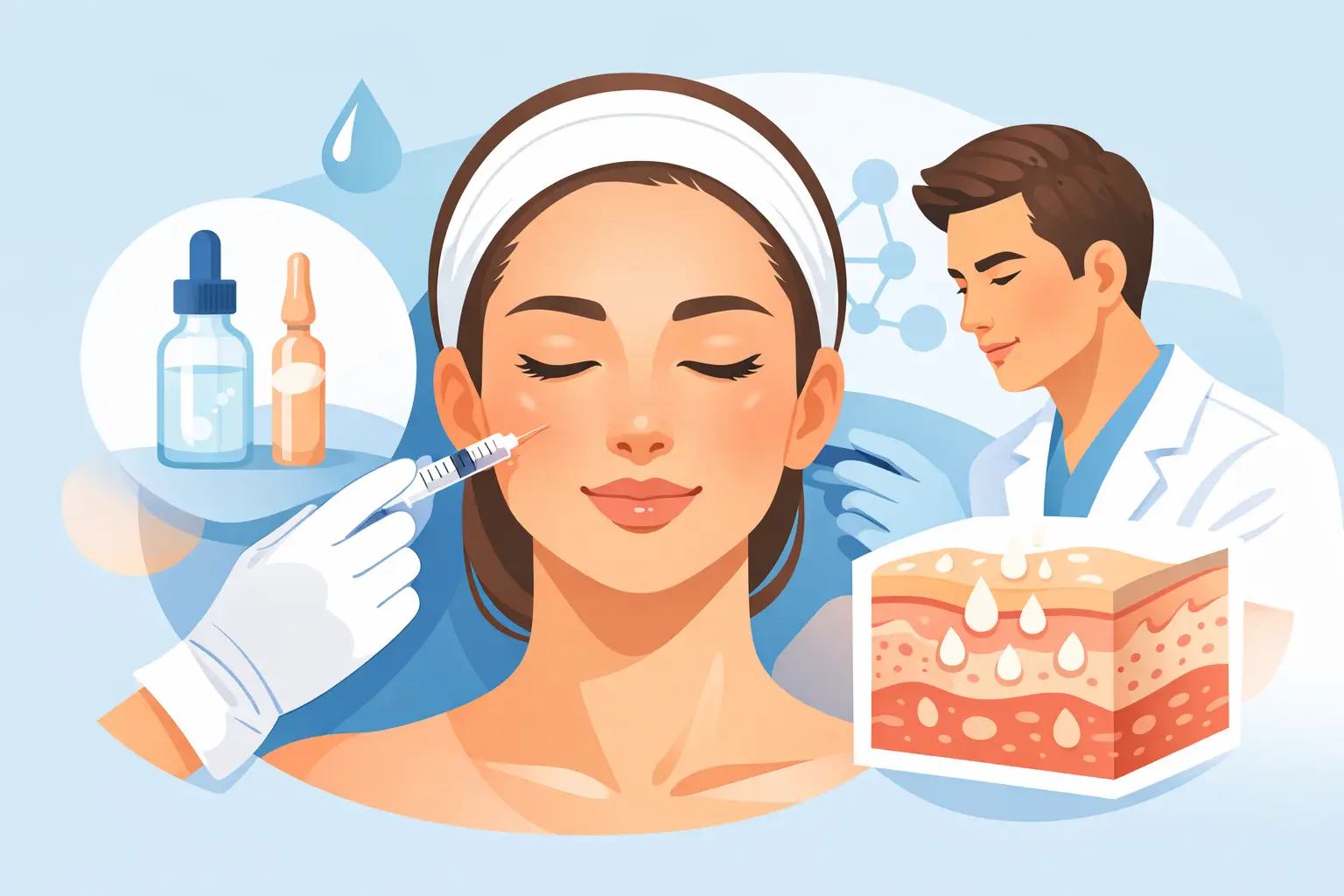
Most formulations are based on hyaluronic acid, a substance naturally found in the body that helps attract and retain water. When delivered in a carefully planned way, it can improve how the skin looks and feels from within. The goal is not a fuller cheek or sharper jawline. It is fresher, smoother, more resilient skin with a subtle, believable finish.
This is why skin boosters are often chosen by patients who want visible improvement without looking as though they have had obvious work done. In a medically led clinic setting, they are usually part of a broader skin strategy rather than a standalone quick fix.
Why skin boosters have become so popular
There has been a clear shift in aesthetics towards skin quality. Many patients are less interested in dramatic transformation and more interested in looking well rested, polished and quietly confident. Skin boosters sit neatly within that approach.
They can be particularly appealing if your concern is not severe sagging or major volume loss, but crepey texture, dehydration, dullness or fine lines that persist even with excellent skincare. They also suit patients who want prevention as much as correction. Treating the skin earlier can help maintain quality over time, especially when combined with sun protection, medical-grade skincare and lifestyle factors such as sleep, stress management and nutrition.
That said, popularity should never be mistaken for suitability. The best outcomes come when treatment choice is based on a proper consultation, not a trend.
How skin boosters work in practice
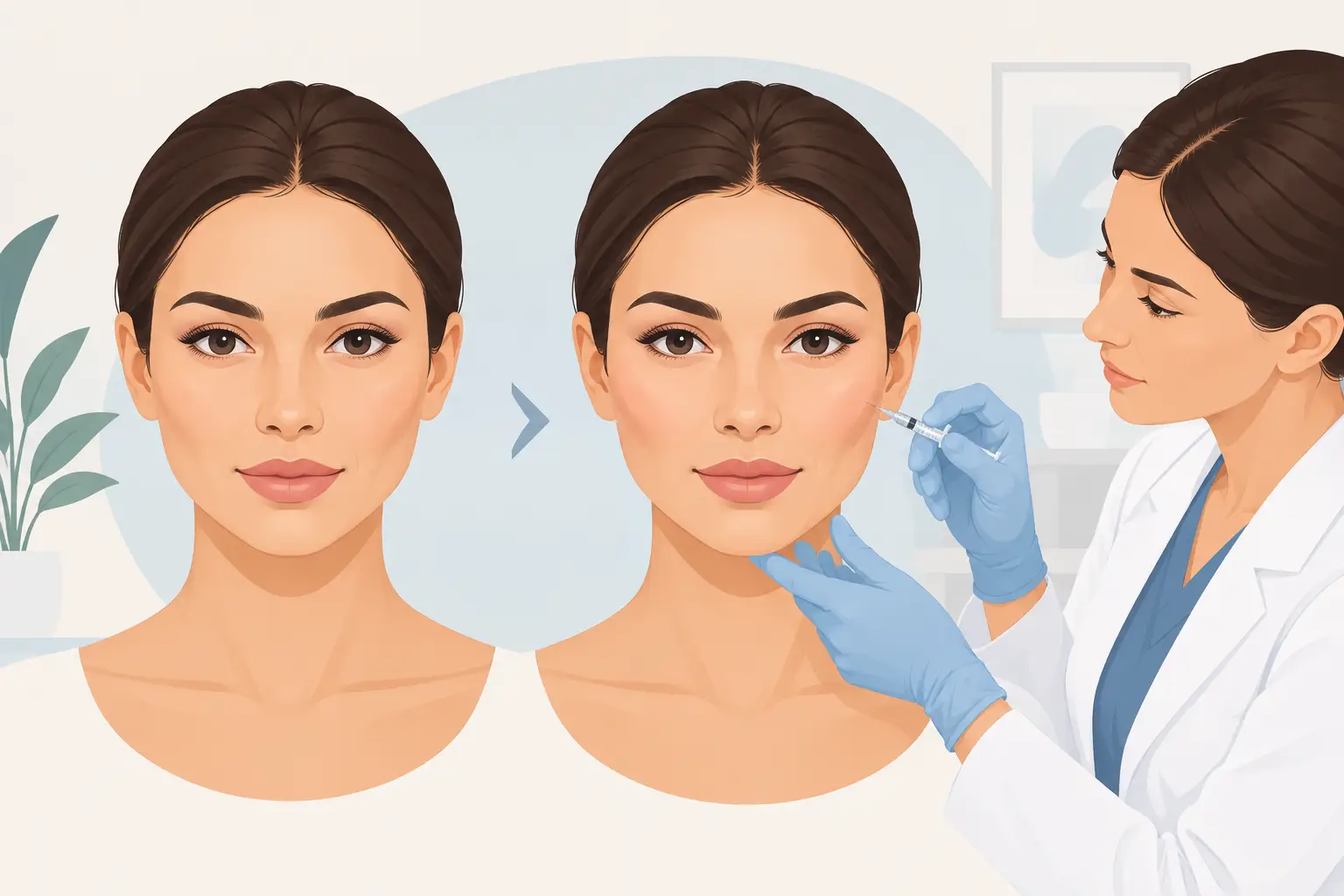
The treatment involves a series of very small injections placed across the area being treated. Common areas include the cheeks, lower face, neck and under-eye area, although some skin boosters can also be used on the décolletage or hands.
Once injected, the product helps improve hydration levels within the skin and can support a smoother, more luminous appearance over time. Results tend to develop gradually rather than overnight, which many patients appreciate. You should look better, not suddenly different.
A course of treatment is often recommended, usually spaced over a number of weeks. This matters. One session may give a degree of freshness, but a structured plan generally produces more meaningful and longer-lasting improvement. Maintenance sessions can then be advised depending on the product used, your skin condition and your goals.
Skin boosters versus filler
This is one of the most common points of confusion. Both treatments may contain hyaluronic acid, but they are not interchangeable.
Filler is typically used to create shape, support or volume. It can lift the mid-face, define the lips or strengthen facial contours. Skin boosters are different. They are chosen to improve the skin itself – think hydration, softness, refinement and glow rather than projection or sculpting.
For some patients, the choice is straightforward. If the issue is skin texture and dullness, skin boosters may be the more relevant option. If the concern is facial hollowing or loss of definition, filler may be more appropriate. Very often, however, the answer is not either-or. A bespoke treatment plan may include both, alongside other modalities such as anti-wrinkle treatment, collagen-stimulating procedures or medical skincare.
This is where experienced assessment matters. Good aesthetic medicine is rarely about one product. It is about choosing the right intervention for the right concern.
Who are skin boosters best suited to?
Skin boosters can work well for a wide range of adults, but they are especially helpful for patients who feel their skin looks dehydrated, dull or slightly creased even when they are otherwise healthy and well groomed. They are often chosen by people in their late twenties and thirties who want early intervention, as well as by older patients looking to improve skin quality without adding volume.
They may also suit those who have become wary of overfilled results and want a more discreet approach. For professional patients, this can be particularly attractive. The outcome is understated and polished, which fits easily into busy social and working lives.
There are limits, though. If your skin laxity is advanced, if there is significant pigmentation, active acne, rosacea flare-up or another underlying skin condition, skin boosters may not be the first or only treatment to consider. Sometimes the answer lies in strengthening the skin barrier, addressing inflammation or combining several treatments in the correct order.
What results should you realistically expect?
The best skin booster results are often described in simple terms: the skin looks healthier. It may appear more hydrated, smoother and brighter, with fine lines softened and make-up sitting better. Some patients notice improved bounce and a subtle firmness, particularly after a course.
What you should not expect is dramatic lifting, major tightening or a complete reset of deep lines. Skin boosters can elevate skin quality impressively, but they are not a substitute for every concern. Setting realistic expectations is part of safe, ethical treatment.
Results also vary according to product selection, injection technique, your age, baseline skin quality and the wider context of your skin health. Smoking, sun exposure, poor sleep and inconsistent skincare will all affect how far treatment can take you.
Downtime, comfort and safety
Most patients tolerate skin boosters well. The treatment is quick, and a topical numbing cream may be used depending on the product and area treated. Afterwards, you may have mild redness, swelling or small injection marks for a short period. Bruising is possible, particularly in delicate areas or if you are prone to it.
Downtime is usually manageable, but it is still worth planning sensibly. If you have an important event, allow enough time in case of temporary swelling or bruising. Premium treatment should never feel rushed.
Safety is where clinic choice becomes critical. Injectable treatments should be carried out by appropriately trained medical professionals who understand facial anatomy, product selection, complications management and patient suitability. A thorough consultation should cover medical history, contraindications, previous treatments and your broader goals, not just the area you want treated.
For patients seeking care in Central London, this level of medical oversight can make the difference between a treatment that simply sounds appealing and one that is genuinely right for their skin.
Why consultation matters more than the trend
The phrase skin boosters can make treatment sound universal, as if every product works in the same way and suits every face equally. That is not the case. Different formulations are designed for different concerns, depths and treatment areas. Some are better suited to delicate under-eye skin, others to general facial hydration or textural refinement.
A proper consultation should look at more than your skin in isolation. It should consider your age, anatomy, lifestyle, previous treatment history and how you want to look. It should also address whether your concern is actually dehydration, volume loss, laxity, pigmentation or a combination of factors.
At a bespoke clinic, skin boosters may sit within a wider skin optimisation plan rather than being offered as a one-off treatment menu item. That approach is often what leads to the most elegant results. Patients do not need more treatment than necessary, but they do need the right treatment sequence.
Are skin boosters worth it?
For the right patient, yes. Skin boosters can be one of the most refined treatments in modern aesthetics because they improve the canvas rather than simply adding to it. They are especially worthwhile if your priority is healthy-looking skin, subtle rejuvenation and a result that reads as well cared for rather than treated.
They are less worthwhile if you are hoping for dramatic lifting or if the root cause of your concern lies elsewhere. This is why honest guidance matters. A good practitioner will not force a popular treatment into the wrong plan.
When chosen carefully, skin boosters can play a valuable role in maintaining fresh, resilient skin with very little fuss. The real appeal is not that they change your face. It is that they help your skin look as though it has been looked after properly – and that tends to show in all the right ways.
If you are considering treatment, think less about whether skin boosters are fashionable and more about whether they fit your skin, your goals and your standards for safety. That is usually where the best decisions begin.